A homeowner calls and says, “I need a price for a new well pump.” That sounds like a quote request. It may be a dry-house emergency, a weak-pressure complaint, or a planned replacement prompted by an inspection report. The first job on the call is to find out which one you have.
A useful intake gets the service address, water status, well records, pump type, access details, and recent symptoms. It also avoids treating the caller’s replacement diagnosis as settled fact. A failed pressure switch, control box, pressure tank, electrical circuit, or low-yield well can resemble a failed pump. The technician should diagnose the system before the office promises a replacement or a firm price.
Start with water status, not equipment details
Ask, “Do you have any water at the property right now?” Put that question near the top. A household with no water needs a different response than an owner planning to replace an aging pump next month.
If the property is dry, ask when the water stopped and whether the loss was sudden. Find out whether every fixture is affected. If the caller reports smoke, a burning odor, sparking, exposed wiring, flooding around electrical equipment, or a breaker that repeatedly trips, tell them to keep clear of the equipment and follow your company’s emergency and electrical-safety policy. Receptionists should gather observations, not coach callers through live electrical testing.
Weak or intermittent pressure belongs in the notes too. Ask whether the pressure fades during showers, whether faucets spit air, and whether the pump seems to start and stop rapidly. These details help the technician plan a diagnostic visit. They do not prove which component failed.
Penn State Extension notes that loss of water can come from a worn submersible pump, a pressure-tank switch problem, or other causes. Drought and reduced well yield can also affect supply. That is why “needs a pump” should remain the customer’s description until a qualified person checks the system.
Find the records before asking the customer to remember
The best source for well depth, casing details, and original construction is the well record or well log. Ask whether the owner has the construction report, an invoice from the last pump installation, a model number, or a photograph of the control box and pressure tank labels.
Records are often easier to find than homeowners expect. Some states maintain online well-record searches. Wisconsin’s Department of Natural Resources, for example, directs private well owners to its records search for well construction reports. The Minnesota Department of Health suggests checking old bills and looking for information written on the pressure tank, control box, or well-room wall when well details are missing.
Do not make records a condition of booking. Older properties change hands, paperwork disappears, and equipment labels corrode. Mark each detail as confirmed, reported, or unknown. “Customer thinks the well is about 200 feet deep” is useful context. It is not a specification for ordering a pump.
The intake should capture these items when available:
- Full service address, callback number, and caller’s relationship to the property
- Whether the property has no water, weak pressure, intermittent service, or a planned replacement
- Well type, pump type, reported depth, and installation date
- Pump make, model, horsepower, voltage, and control-box information shown on a label
- Pressure-tank size and any recent tank, switch, control, wiring, or plumbing work
- Well log, prior invoice, inspection report, and clear equipment photos
- Property use, including a residence, farm, rental, seasonal home, or commercial site
- Access limits such as a locked gate, steep drive, low branches, soft ground, buried wellhead, landscaping, or a structure over the well
- Any water-quality change, sediment, recent flooding, nearby excavation, lightning event, or power outage
- Preferred appointment window and whether an authorized decision-maker will be present
That is enough for dispatch to assess urgency and prepare. It is still too early for a final equipment recommendation.
Pump type and depth change the job
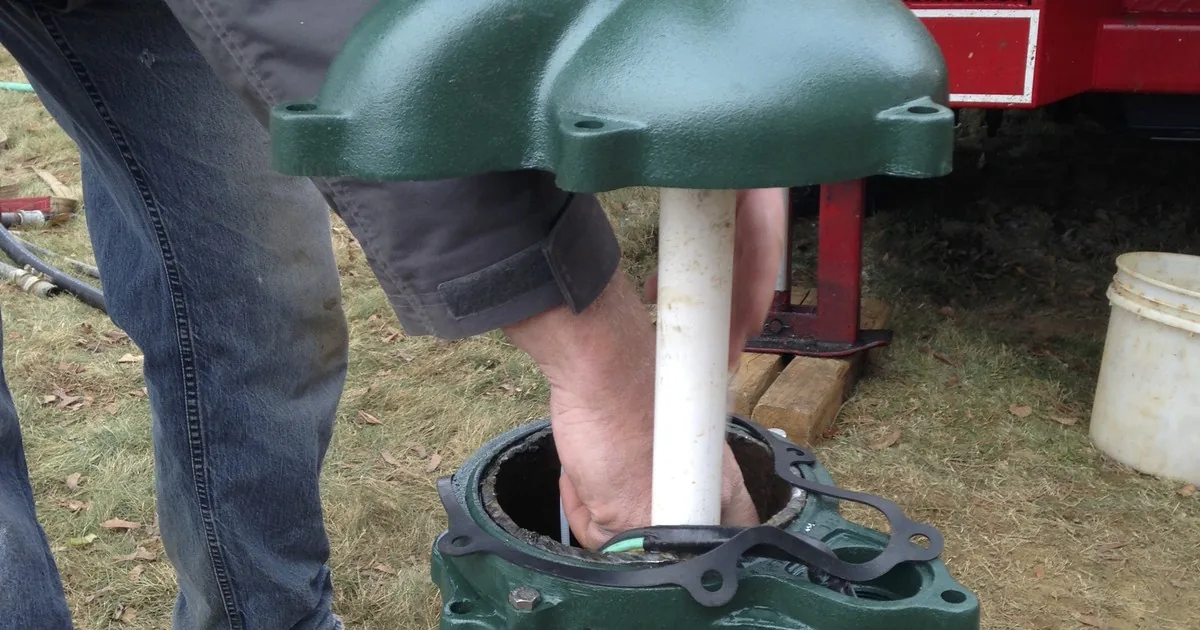
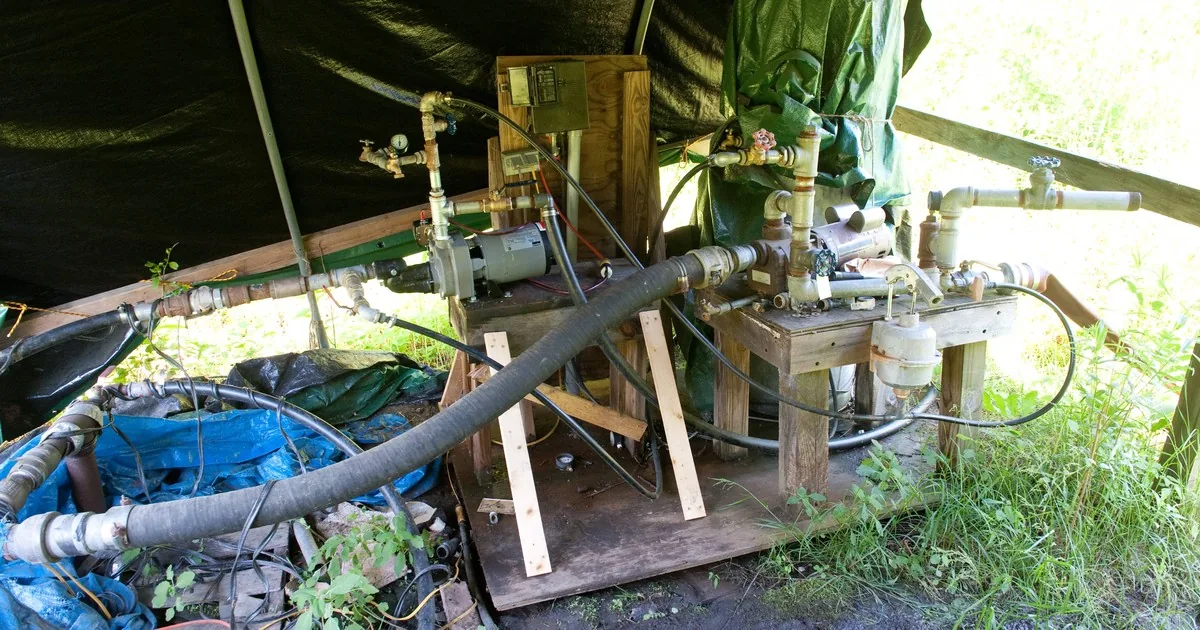
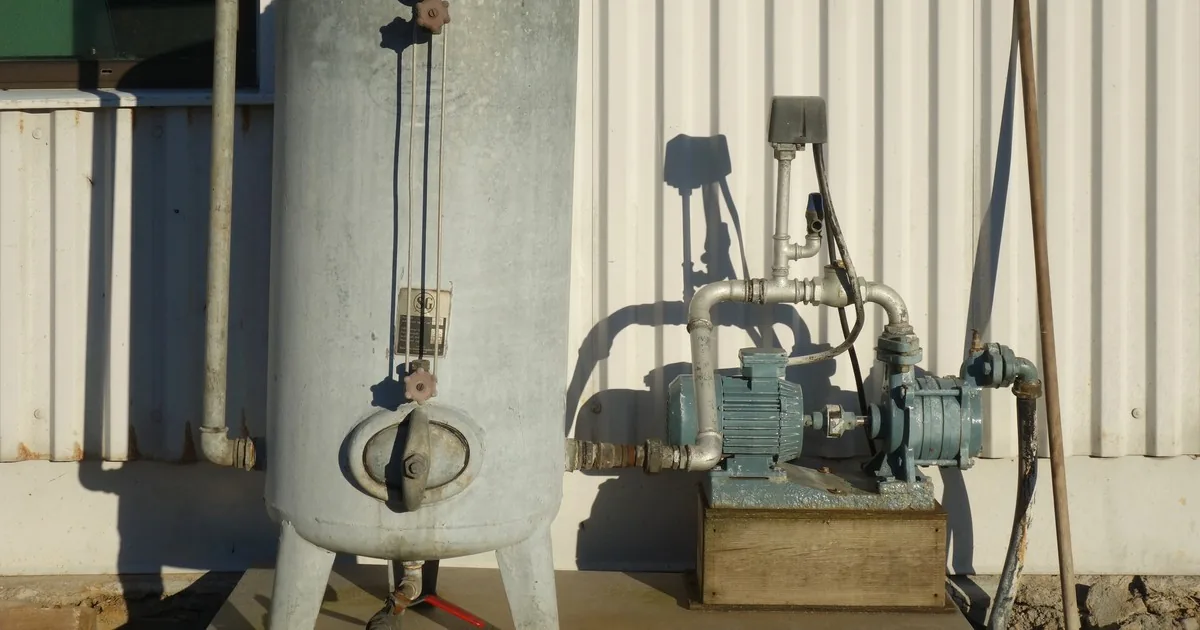
A shallow-well jet pump in a basement presents a different service scene than a submersible pump hanging deep in a drilled well. Ask where the pump equipment is located. The caller may describe a pump beside the pressure tank, a control box mounted on a wall, or only a well cap outdoors. Capture what they see in plain language.
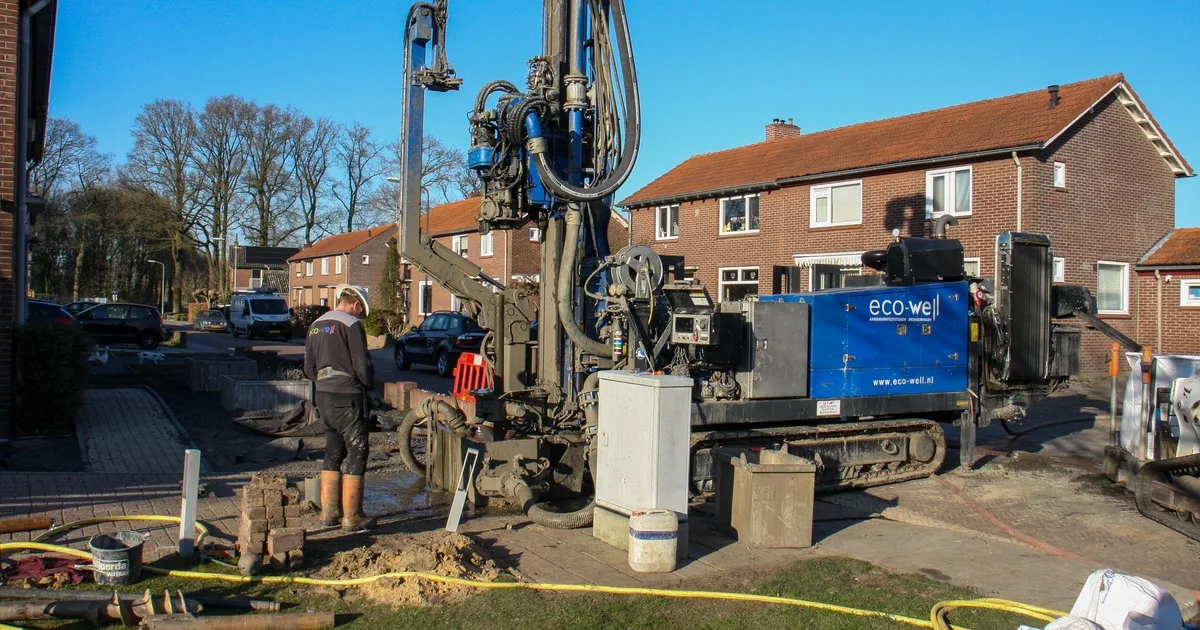
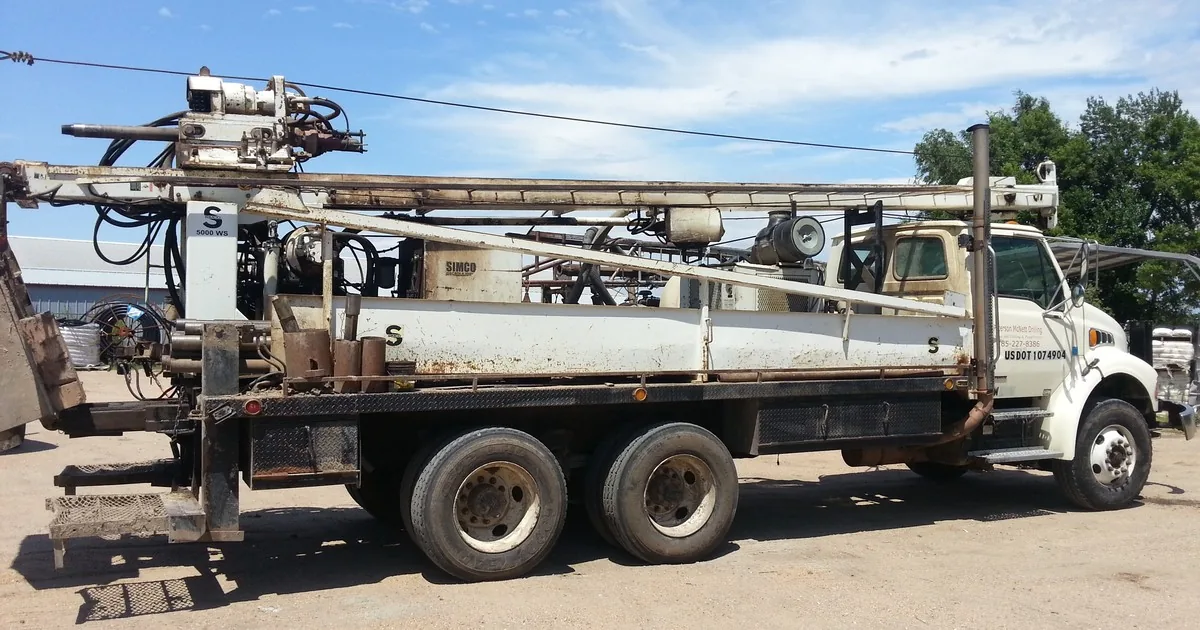
Depth matters because pulling equipment from a well involves the pump, drop pipe, wire, fittings, and the means to handle them safely. The crew may need room for a service vehicle near the wellhead. A decorative boulder, deck, shed, fence, or mature hedge can turn ordinary access into the first problem of the day.
Ask one direct question: “Can a service truck get close to the well?” Then ask what lies overhead and underfoot. Low utility lines, tree limbs, saturated ground, a narrow gate, or a septic component near the route deserves a note. The office should never promise that the crew can use a particular pulling method based on a phone description.
Photos help. Request wide shots that show the route and well area, plus close photos of labels. A close-up of a rusty cap tells the technician little about whether the truck can reach it.
Separate diagnosis, replacement, and system changes
Callers often want one number. A responsible office explains why the next step may be a diagnostic visit or site assessment.
A pump replacement quote depends on verified system facts and the work included. The pump itself is one part of the water system. Drop pipe, wire, fittings, controls, the pressure tank, existing electrical service, well condition, access, and local requirements may affect the scope. If the customer wants higher pressure, added irrigation, service to a new building, or support for a larger household, the request may call for system design rather than a like-for-like replacement.
Ask what prompted the call. Was there a no-water event? Did another contractor diagnose the pump? Did a home inspector flag age or performance? Is the owner adding bathrooms, livestock waterers, irrigation, or another dwelling? Keep any outside diagnosis attached to its source: “Home inspector recommended evaluation” is accurate. “Pump has failed” may not be.
This distinction protects the schedule. A diagnostic call can be routed to someone equipped to test controls and electrical supply. A confirmed replacement can be prepared around known equipment. A capacity change needs a fuller review of the well and expected demand.
Set price expectations without inventing a quote
Avoid a universal phone price. Even a broad number can become a promise once the customer repeats it back at the kitchen table.
Explain your pricing process in concrete terms. Tell the caller whether you charge for diagnosis or site assessment, when a written estimate is provided, whether approval is required before replacement work begins, and which payment methods your company accepts. If your diagnostic charge is credited toward approved work, state the exact company policy. If it is separate, say so before booking.
A clean explanation sounds like this: “We need to confirm the cause, well details, equipment, and access before we can quote the replacement. The first visit is billed under our diagnostic policy. The technician will explain what failed and provide the next step before replacement work proceeds.” Adjust that wording to match the business’s real practice.
Do not promise permit timing, inspection timing, water restoration by a certain hour, or that a specific pump is in stock unless the person responsible has confirmed it. Licensing and reporting rules vary by location. The EPA advises private well owners to hire qualified professionals for well construction, modification, and closure, and state agencies may define which licensed contractors or pump installers can perform particular work.
Treat water quality and well integrity as separate concerns
A new pump does not correct every well problem. If the caller mentions dirty water, an unusual odor, flooding over the well, a damaged cap, recent excavation, or a suspected contamination event, flag it for technical review. Keep the conversation away from health assurances.
The EPA recommends maintaining records of well service and water testing. It also points owners to certified laboratories and state or local authorities for private-well guidance. Your office can note a water-quality concern and explain the company’s testing process, if it offers one. A receptionist should not declare the water safe based on appearance or smell.
The same restraint applies after work. Do not tell the caller that pump replacement automatically resolves sediment, bacteria, low yield, or pressure throughout the building. Those concerns may need separate evaluation.
Give the technician notes that can be trusted
Good call notes preserve uncertainty. Write “customer reports breaker tripped once after storm,” not “lightning destroyed pump.” Write “label photo appears to show 230 V; technician to verify,” not “230 V pump required.” The difference is small on a screen and expensive at the supply house.
Create intake fields for the source and confidence of each technical detail. A well log carries more weight than a guess from the prior owner. A readable equipment label beats memory. Unknown is a valid answer.
An AI receptionist can ask the same approved questions after hours and send the record to dispatch, but the script needs firm boundaries. It should identify emergencies, collect evidence, explain the real diagnostic policy, and leave diagnosis and equipment selection to qualified staff.
Before ending the call, repeat the address, water status, access warning, appointment window, and fee policy. Then tell the caller exactly what to have ready: well records, prior invoices, inspection findings, and photos of the well area and equipment labels. When the truck turns onto the property, the crew should already know whether it faces a dry home, a planned assessment, or a wellhead hidden behind a locked gate.