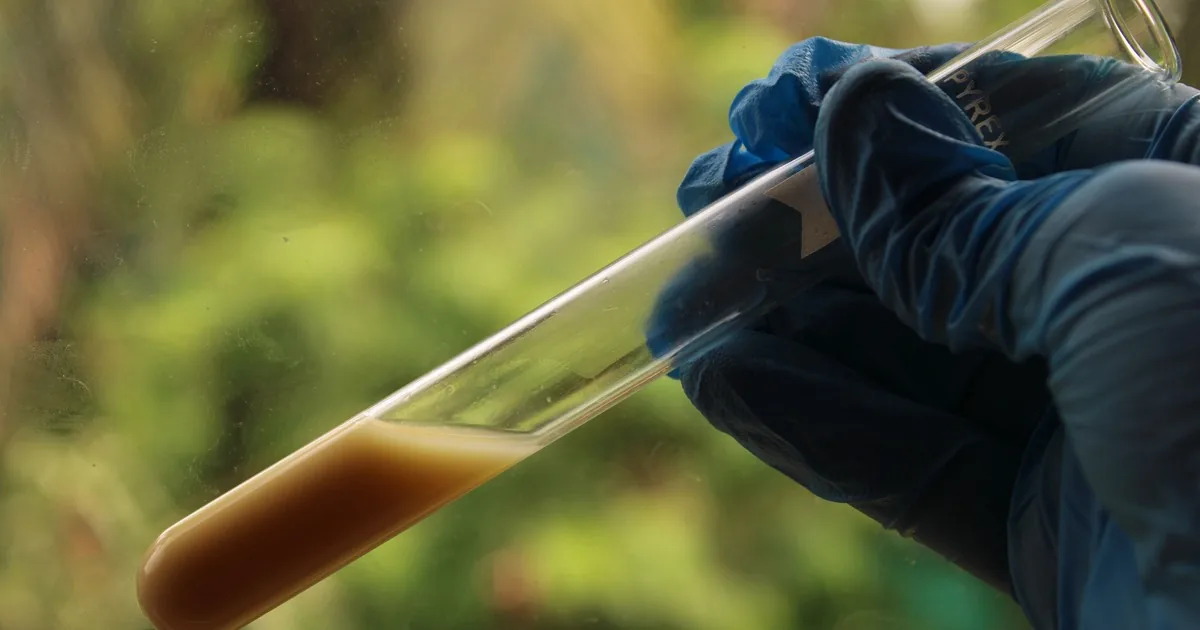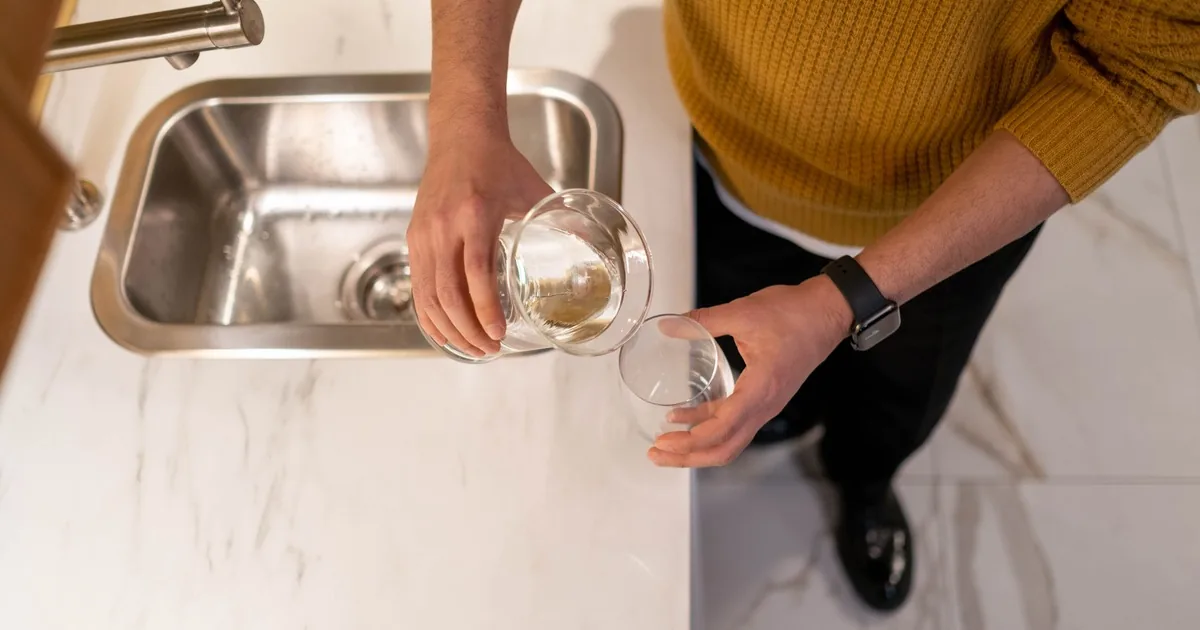
“The water turned brown this morning” sounds specific, but it leaves a well-service office with several unanswered questions. Brown at one faucet may belong to a different service path than cloudy water throughout the house after heavy rain. A white haze that changes in a glass is still only an observation. None of those descriptions proves what is in the water.
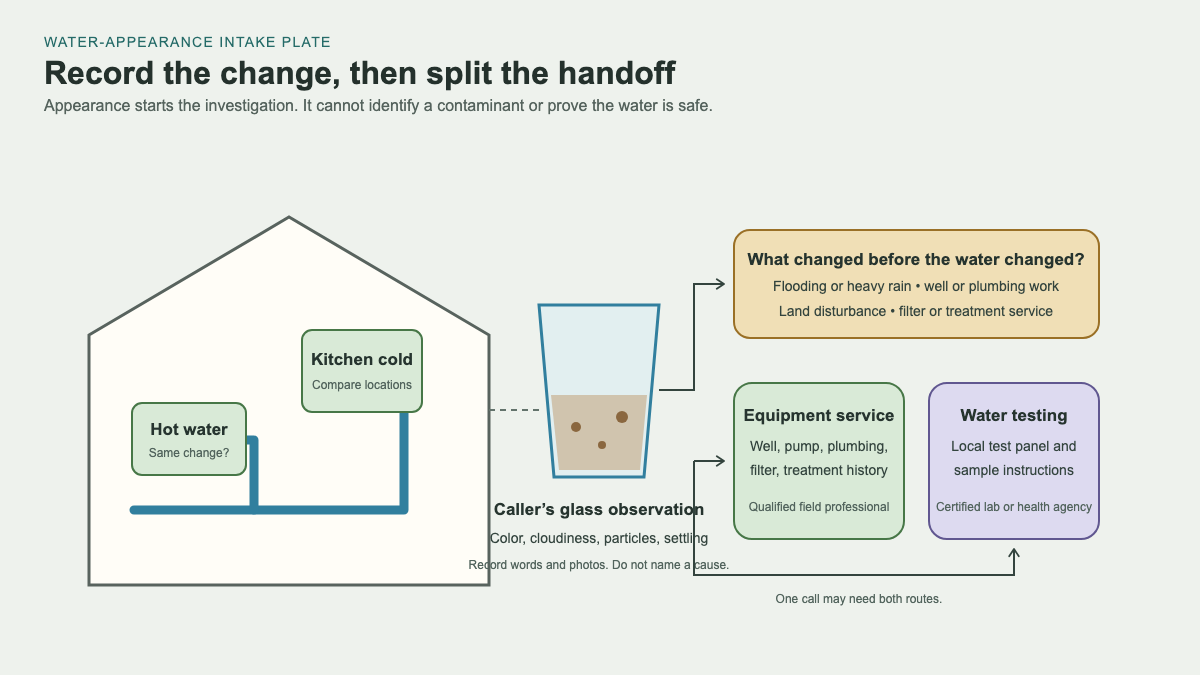
For a useful cloudy or discolored well water service call, record the appearance in the caller’s own words, the fixtures affected, whether hot and cold differ, when the change began, and what happened shortly beforehand. Ask about flooding, heavy rain, nearby excavation, power loss, well repair, plumbing work, and filter or treatment service. Then split the next step correctly: a qualified contractor evaluates the system, while a certified laboratory and the local health or environmental agency guide water testing.
Describe what the caller sees
Start with an open request: “Tell me what changed about the water.” Let the caller say brown, orange, black, gray, milky, hazy, oily-looking, or full of visible particles. Record the wording without translating it into iron, sediment, bacteria, rust, air, or another cause.
Then locate it. Which faucet first showed the change? Does the caller see it at another cold-water tap? What about hot water? Is an outdoor spigot affected? Does the toilet tank show the same color? Has anyone noticed staining in a sink, tub, laundry load, ice maker, or appliance?
The office should not ask the caller to dismantle an aerator, open the well, bypass treatment equipment, or flush the system for a set number of minutes. Those actions can change the evidence, create a safety issue, or conflict with local sampling instructions. Ordinary observations are enough for intake.
If the caller already poured a clear glass, ask what happened while it stood undisturbed. Did the appearance change? Did visible material settle? Did a film remain? A photograph taken in neutral light against a plain background may help document the report. It still cannot identify a contaminant or establish safety.
Appearance starts a testing question
The CDC’s well-water testing guidance says owners should test when color, taste, or smell changes. The agency also advises using a state-certified laboratory and consulting local health or environmental departments about substances of concern in the area.
EPA gives similar direction in its private-well protection guidance. It lists cloudy, frothy, or colored water as a condition that warrants testing. EPA also points well owners to certified drinking-water laboratories.
That distinction belongs in every script. A technician may find a failed component, disturbed material, corrosion, or a treatment issue, but a field observation is not a complete water-quality test. A laboratory result answers a different question.
Massachusetts’ Department of Environmental Protection makes the boundary plain in its private-well testing guide: many contaminants have no taste, odor, or color, and laboratory testing is required to detect them. Clear-looking water is not proof of safety. Cloudy-looking water does not tell the office which contaminant, if any, is present.
Build the event timeline
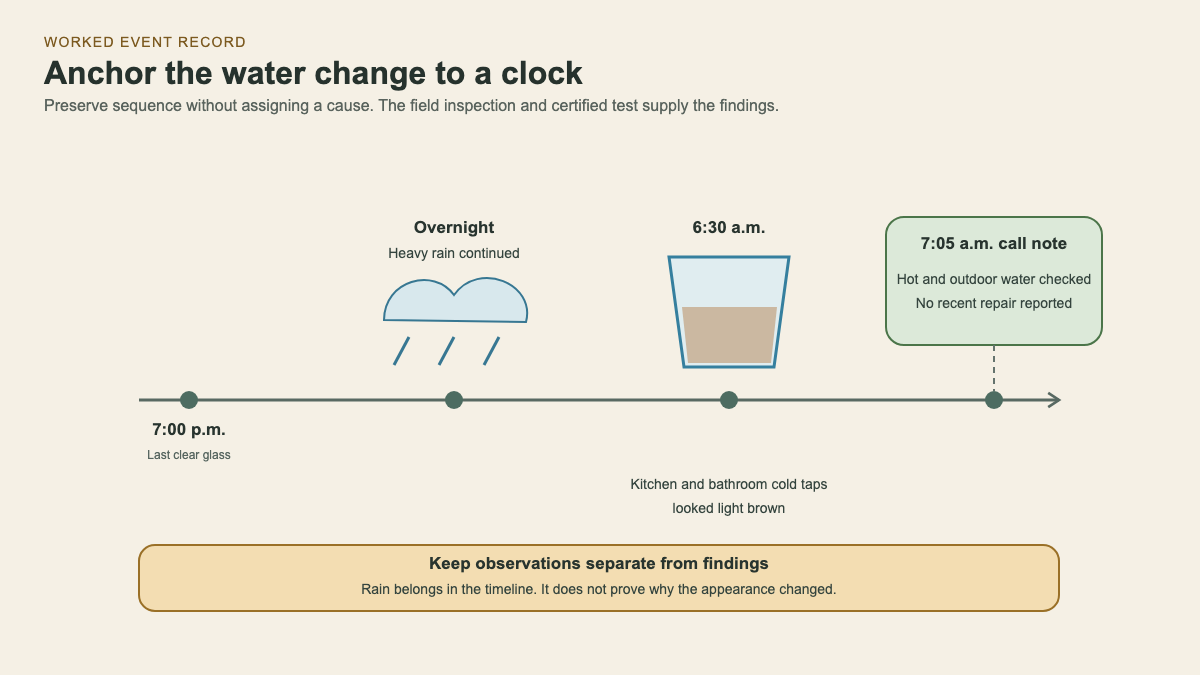
Ask when normal-looking water was last observed. Then ask what happened between that point and the first discolored glass. A precise sequence gives the contractor and laboratory better context than “it started recently.”
EPA recommends immediate testing after flooding, land disturbance, significant nearby changes, or repair of part of the well system. MassDEP also flags noticeable changes after heavy rain, extended drought, well construction, repairs, pump modification, or plumbing modification.
Use those triggers as questions, not conclusions:
- Was there heavy rain, flooding, or standing water near the well?
- Did anyone work on the well, pump, pressure tank, water line, water heater, filter, softener, or other treatment equipment?
- Was there excavation, drilling, blasting, road work, construction, or a spill nearby?
- Did the property lose power or water pressure before the appearance changed?
- Is the change constant, or does it appear after the water sits, after high demand, or at a certain time of day?
- Has another home sharing the same local groundwater area reported a change?
Do not tell the caller that rain caused contamination or that a recent filter change caused the color. Intake establishes timing. Field inspection and testing establish findings.
A useful timeline sounds like this: “The kitchen cold tap was clear at 7 p.m. Monday. Heavy rain continued overnight. At 6:30 a.m. Tuesday, cold water at the kitchen and both bathrooms looked light brown. Hot water also looked brown after it ran. The outdoor spigot had the same color. No well or plumbing work was done this month.”
Screen immediate safety conditions
Ask whether the caller reports illness, a fuel or chemical odor, sewage, floodwater around the well, damaged electrical equipment, smoke, sparking, or an active leak. Follow the company’s emergency policy. The front desk should not give medical advice or tell someone to drink water that looks normal after flushing.
If flooding has reached the well or pump equipment, EPA warns people to stay away from the pump to avoid electric shock. The agency advises contacting health or environmental officials about inspection and testing after a suspected contamination event. That call should be routed promptly.
When a caller asks, “Can we drink it?” use a firm boundary: “We cannot determine water safety from color or a phone description. A certified laboratory and your local health department can give you the right sampling and testing instructions.” If company policy includes temporary-water guidance supplied by a health authority, read the approved language exactly. Do not improvise.
Health symptoms need their own escalation. Advise the caller to contact a healthcare professional or poison control under company policy. Record who may have been exposed and the callback number, but do not diagnose the illness or tie it to the well.
Separate mechanical service from laboratory testing
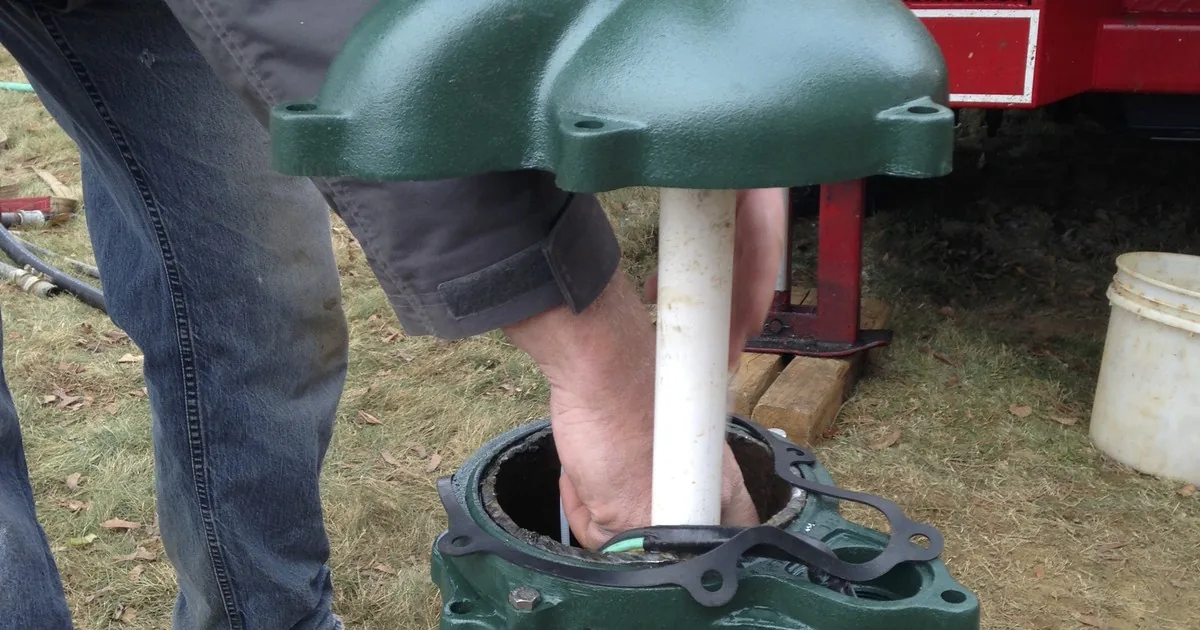
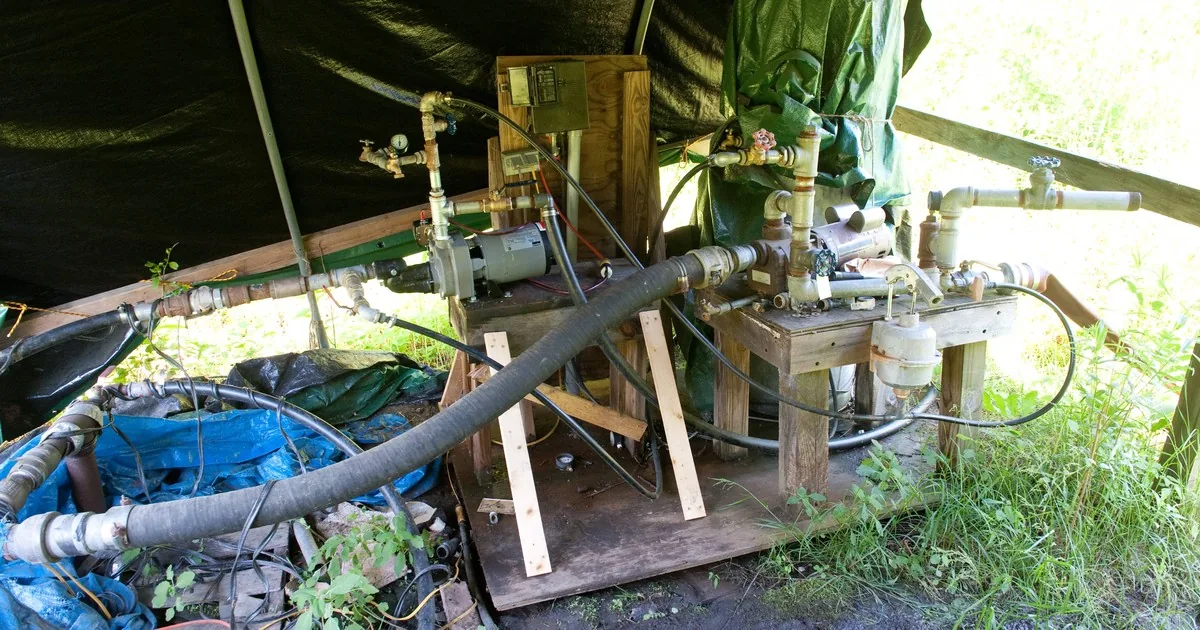
Some callers assume the contractor will arrive, look at the water, and name the problem. Set the scope before booking. The company may inspect the well, pump, pressure equipment, plumbing, filter, softener, iron treatment system, or other equipment it services. Ask which equipment is present, who installed it, when it was last maintained, and whether any alarms, leaks, pressure changes, or unusual sounds appeared with the water change.
WellOwner.org’s annual inspection guidance supports professional inspection and good maintenance records. Pull prior work orders, equipment models, water-test reports, treatment settings, and service dates into the same customer record when available.
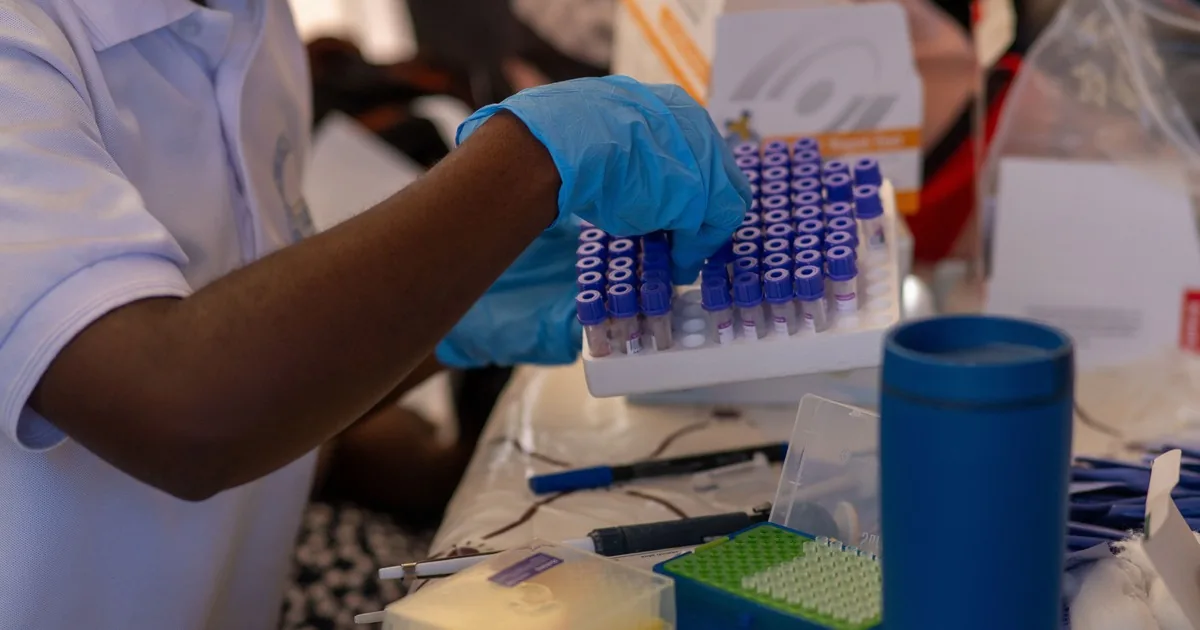
Laboratory work follows the lab’s instructions. Sampling location, container, preservation, timing, shipping, and test panel can affect the usefulness of a result. The office should give the caller the certified lab’s contact information or follow an established local referral process. Avoid handing out a homemade universal sampling script.
A call may need both routes. A contractor can investigate the system while the laboratory tests the water under proper procedures. Keep the appointments and results linked so the person reviewing the case has the full sequence.
Give the field team a usable record
A complete dispatch note should contain the service address, caller and callback number, water source, affected fixtures, hot-versus-cold pattern, first-observed time, persistence, visible particles or settling, odor or taste report, staining, and any related pressure or flow change.
Add the event timeline. Include weather, flooding, outage, excavation, repairs, treatment service, and nearby activity. List known equipment and attach photographs, videos, prior work orders, and recent lab reports. Mark safety concerns clearly.
Read the record back: “You first saw cloudy gray water at the upstairs cold tap after the pump repair yesterday. It now appears at every cold tap and the outdoor spigot. Hot water has a lighter haze. Fine material settles in the glass after it stands. There is no flooding, chemical odor, active leak, or electrical warning sign. We are routing the equipment history to the well technician and the testing question to the certified lab contact.”
An AI receptionist can collect these observations after hours and route each handoff under the contractor’s rules. The script needs the same hard limit as a human receptionist: describe, document, and route. It must never declare the water safe or diagnose a contaminant.
Close with named ownership and timing. “Jordan has the service record and will call by 10 a.m. about the inspection window. I also sent the county’s certified-lab contact so you can get the sampling instructions directly.” The caller leaves with two clear next steps, and neither depends on a guess from the color in the glass.