A homeowner deciding to fence their yard rarely calls one contractor. They pull up three, sometimes four, and dial down the list in a single sitting. Fencing is a big, visible, expensive project, so people shop it. The contractor who picks up, sounds like they know the trade, and gets a site visit on the calendar is usually the one who writes the quote. The other two get a voicemail box and a callback that lands after the homeowner already booked someone else.
That is the real competition in this trade. It is not always the lowest per-foot price. It is who books the measure first.
Why the site visit gets booked before the price war starts
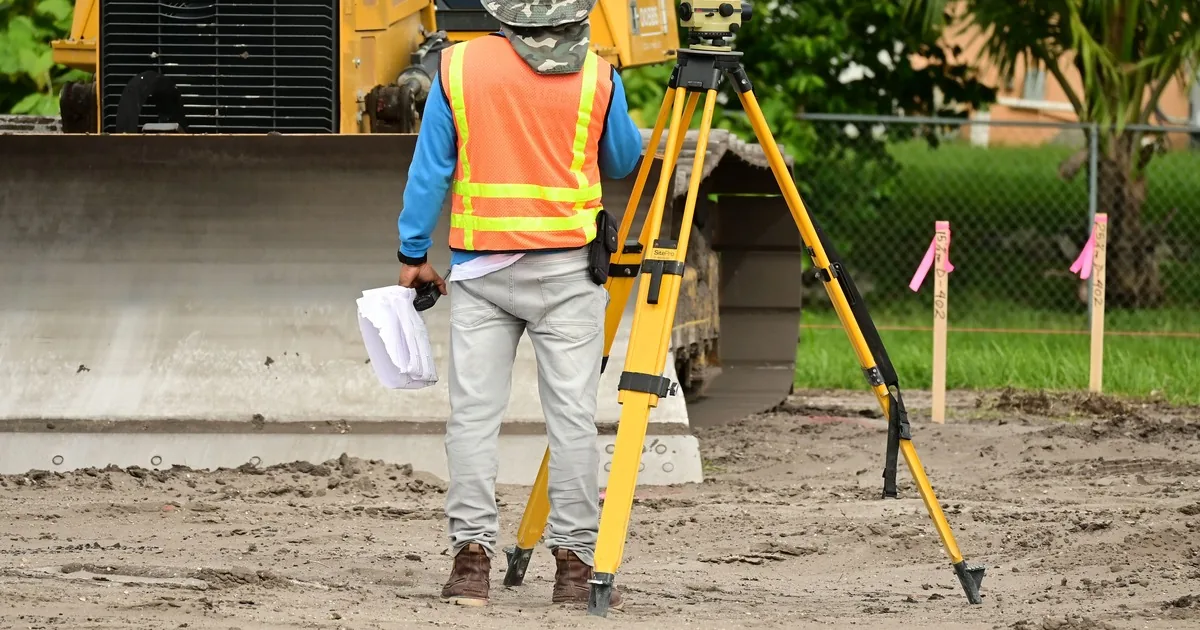
Fencing quotes live or die on the walk-around. You cannot price a job honestly over the phone, because linear footage, grade, gate placement, and access all move the number. Homeowners know this on some level, but what they actually respond to is momentum. When a contractor says "I can have someone out Thursday morning to measure and walk the line with you," the buying decision starts to settle. A date on the calendar feels like progress. A price quoted blind over the phone feels like a guess, and it usually is one.
So the first contractor to book the estimate gets two advantages. They set the anchor for what a fair number looks like, and they get face time in the yard first. By the time competitor two calls back, the homeowner has already met a person, seen a truck, and started picturing the fence going up.
Here is the problem every fencing crew runs into. The phone rings hardest during the day, and during the day the whole team is in the field digging post holes and stretching wire. So the calls that would have turned into booked measures go to voicemail, and most of those callers do not leave one. They just dial the next name on their list.
Missed calls are a leak, not a nuisance
Across home services, the unanswered inbound call is one of the quietest ways work walks out the door. Nobody sees it happen. There is no angry customer and no bad review. The phone just rings out while the crew is forty minutes away on a job, and a homeowner who was ready to schedule moves on. For a trade where buyers are calling multiple contractors at once, a missed call is not a delayed opportunity. It is usually a closed one, because the lead is gone before you ever knew their name.
This is where an AI receptionist earns its place. It answers on the first ring at 7 a.m. or 6 p.m., while you are on a job or eating dinner. It does not need the crew to stop working. And it captures the details that turn a cold inbound call into a measure you can actually staff and price.
Good intake makes the measure shorter and the quote sharper
A booked estimate is only half the win. The other half is showing up with enough context that the visit is quick and the number is right the first time. Fencing estimates go sideways when the estimator arrives and learns something that changes everything: the run is twice as long as expected, there is a steep grade the customer never mentioned, the gate needs to fit a riding mower, or the neighbor's line is in dispute.
Good phone intake heads that off. If the receptionist captures material preference, rough footage, height, gate count, and terrain before anyone drives out, the estimator can bring the right samples and give a firmer number on the spot. A vinyl privacy fence on a flat quarter-acre is a fifteen-minute measure. A chain link run across a sloped lot with three gates and a pool is a different appointment entirely. Knowing which one you are walking into before you leave the shop is the difference between a tight day and a blown schedule.
Handling the "just give me a per-foot price" caller
Every fencing contractor knows this call. The homeowner does not want a visit. They want a number per foot, right now, so they can compare it against the other two contractors they called. It is a fair instinct. It is also a trap, because a per-foot number without a walk-around is either padded to protect you or lowballed to win the call, and both hurt you later.
The move is not to refuse and not to blurt out a figure. It is to give an honest range framed by what changes it, then pivot to the measure. Something like: "Wood privacy usually runs in a band per foot, but gates, corners, grade, and removal of the old fence all move it, so I would not want to quote you something I have to walk back. Let me get someone out to measure so the number I give you is the number you pay." A trained AI receptionist can hold that line consistently, every time, without getting worn down into quoting blind. It gives the range, explains the variables, and books the visit.
Property lines, HOA rules, and utility locates: the three things that stall a signed job
You can win the estimate and still watch the job stall for weeks over things that have nothing to do with the fence itself. Three come up again and again, and all three are worth surfacing on the very first call.
Property lines and surveys. Fences get built on assumptions about where the line sits, and assumptions get expensive when a neighbor disputes them. Asking early whether the homeowner has a recent survey, or knows where their pins are, tells you whether this job comes with a boundary conversation attached.
HOA and permit rules. Plenty of neighborhoods restrict fence height, material, color, and even which side the finished face points. Permits add their own timeline. If the receptionist flags an HOA on the first call, you can set the homeowner's expectations before the measure instead of discovering the restriction after you have quoted a six-foot cedar fence the covenant does not allow.
Utility locates. Nobody digs post holes without a locate. In the United States that means calling 811 before excavation so gas, water, electric, and communication lines get marked. It is a legal requirement, and it takes lead time. Building it into the conversation early keeps the dig date realistic and keeps a struck line from turning into a very bad afternoon.
None of this has to be solved on the phone. But naming it early means fewer surprises between the handshake and the signed contract.
Qualifying questions your receptionist should capture
Whether a human or an AI answers the phone, these are the details that turn a fencing inbound into a booked, staffable, pre-priced measure. Capture them on the first call and the estimator walks in ready.
- New fence, repair, or full replacement
- Material preference: wood, vinyl, chain link, aluminum, or composite
- Approximate linear footage of the run
- Desired fence height
- Number of gates, and whether any need to be wide enough for a vehicle or mower to drive through
- Terrain: sloped or flat
- Whether the property line and a recent survey are known
- HOA rules or permit requirements that may apply
- Pets or pool-code considerations that affect height, spacing, or self-closing gates
- Property address
- Preferred estimate window
- Best callback number
Get those on the first ring, while the crew keeps working, and the homeowner shopping three contractors meets you first. In fencing, that is usually the whole game.
Answara answers every inbound call for your fencing business, holds the price line, and captures the intake your estimator needs to walk in ready.