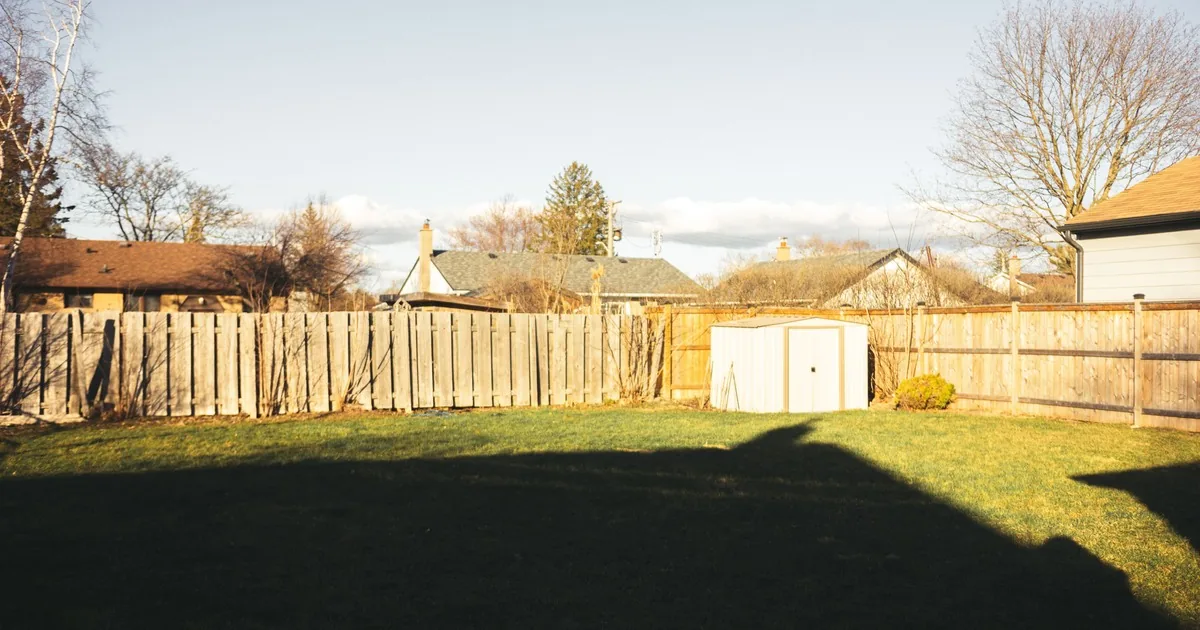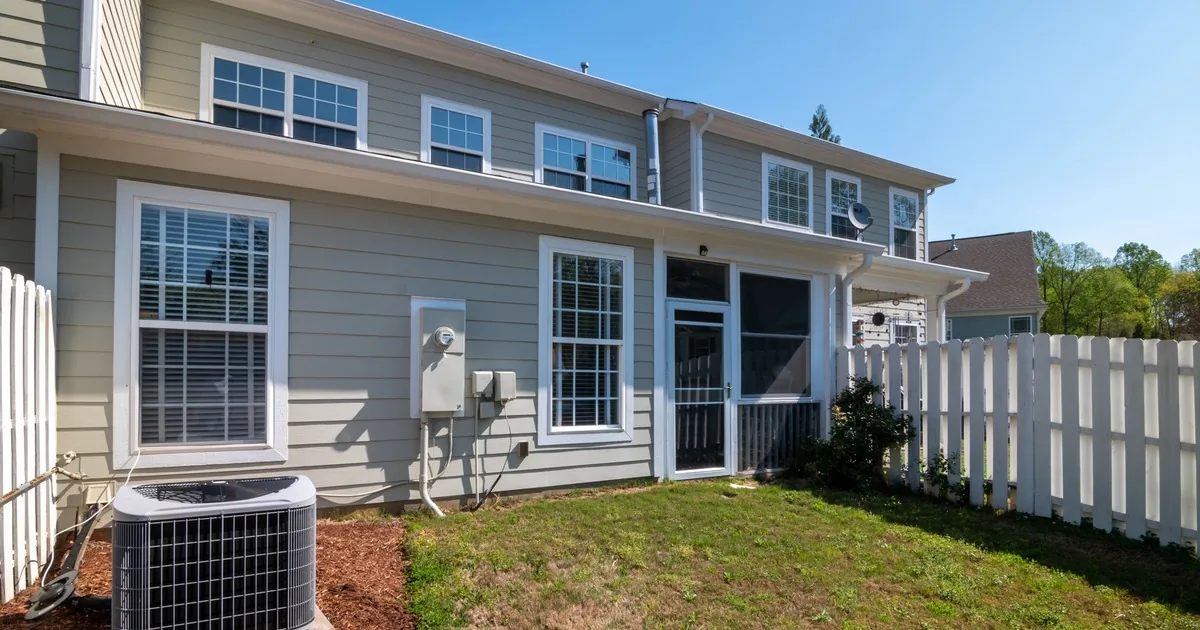
A homeowner calls after finding the tops torn from a row of young fruit trees. “I need a deer fence around the backyard,” she says. The office could ask for the lot size and schedule an estimate. That would leave the estimator to discover that the customer only wants to protect one planting area, a drainage swale cuts through the proposed line, and the mower gate sits on the deer trail.
A useful deer fence installation consultation starts with the protected area, then traces the proposed perimeter. Record what is being damaged, where deer enter, how long protection is needed, terrain, vegetation, gates, visibility, local restrictions, excavation concerns, and maintenance access. Do not select a height or system from one sentence about deer.
Define what must be protected
Ask the caller to name the plants or spaces at risk. A vegetable garden, a new orchard, six shrubs beside the patio, and an entire residential lot are four different projects. The perimeter, gate count, visibility concerns, and maintenance burden change with the protected area.
Then ask whether the need is seasonal, tied to young plants, or expected to continue for years. Washington Department of Fish and Wildlife recommends considering the area to protect, duration, aesthetics, local restrictions, and whether fencing is practical before choosing an approach. Those questions belong in the first call because they shape the site visit.
Get a simple description of the damage. Ask which plants are affected, where the damage appears, when it started, and whether the caller has seen deer, tracks, droppings, or a regular travel path. Avoid diagnosing every torn stem as deer damage. The University of Minnesota Extension notes that deer browsing usually leaves a rough or torn appearance, while other animals can leave different signs. Photos help the estimator see the pattern without turning the office into a wildlife lab.
A concise intake note might read: “Young apple trees and hostas are browsed along the north edge. Owner sees three deer at dusk entering beside the shed. Damage has continued through spring and summer. Wants long-term protection for the orchard and garden, not the whole lot.”
Trace the proposed perimeter one run at a time
Ask where the enclosure might begin and end. Use fixed objects: house corner, driveway edge, shed, tree line, existing fence post, or garden gate. Follow each run through every turn and opening. A caller’s total footage can stay in the record, but attach it to its source. “Estimated on an online map” means something different from “measured with a wheel.”
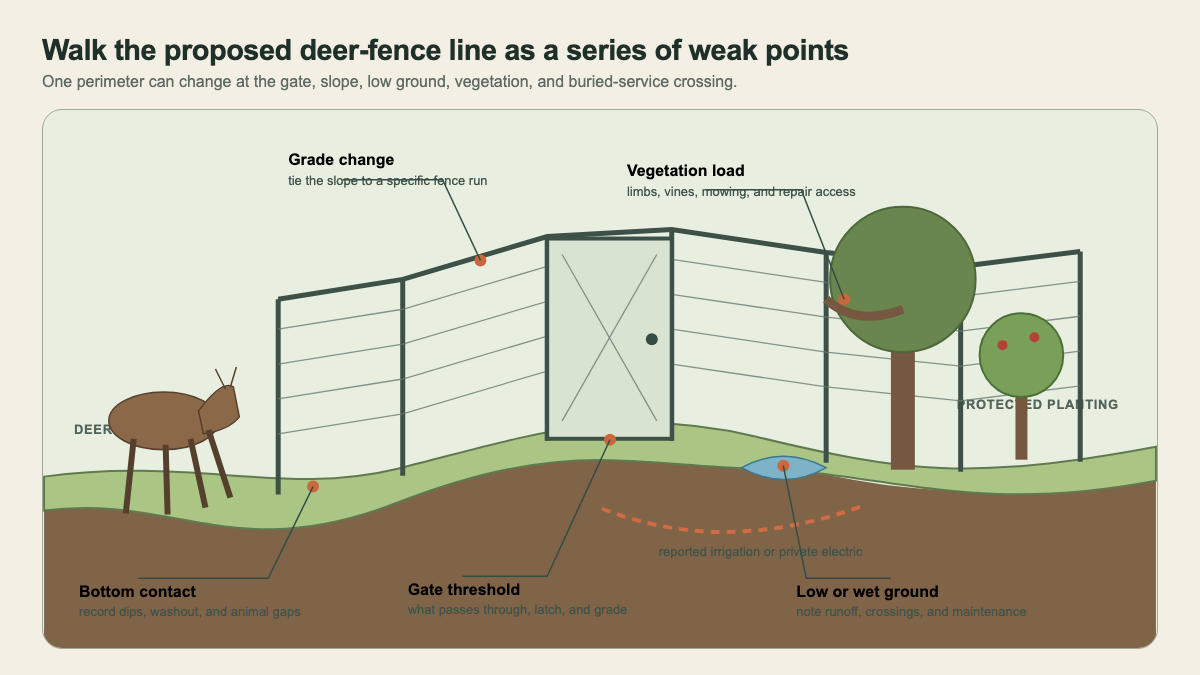
The route should include every place a deer or smaller animal could approach the protected area. Washington wildlife guidance advises enclosing the full area, including openings, and keeping the barrier flush to the ground at gates and terrain dips. The call taker’s job is to locate those conditions. The field team decides how to handle them.
Ask where the ground rises, falls, washes out, or stays wet. Record rock, roots, retaining walls, stream or drainage crossings, deep snow, and soft soil. Tie each condition to a fence run: “The rear line drops into a swale for about two post bays” is more useful than “some slope in back.”
The farm and ranch fence quote guide covers broad rural perimeters, livestock, equipment access, and crossings. Use that route when the call is really about farm containment. Keep this consultation centered on deer exclusion and the plants or grounds being protected.
Give every gate and opening a purpose
Ask what must pass through each gate: people, mower, wheelbarrow, utility cart, trailer, or service vehicle. Record the widest object the customer expects to move through it. Ask whether the gate will sit on level ground and whether the customer has a preferred swing direction. Those are planning notes, not a final hardware specification.
A gate is also part of the wildlife barrier. The University of Minnesota Extension calls gates a potential weak point and advises regular fence inspection. Ask who will use the opening, how often, and whether children, tenants, landscapers, or delivery crews need access. A gate that stays open during mowing can defeat a carefully built perimeter.
Capture existing openings too. A driveway, creek, culvert, shared path, or transition to an old fence can interrupt the line. If the customer wants to connect to a neighbor’s fence, ask who owns it and whether the boundary is known. The property-line call guide gives the office a separate process for surveys, disputed lines, and neighbor involvement.
Keep height and material decisions on site
Callers often begin with a number: “I read that it needs to be eight feet.” Record what they read and why they chose it. Then explain that the estimator must review the protected area, deer pressure, terrain, visibility, local rules, gates, and maintenance before recommending a system.
Several public sources discuss tall barriers for larger areas. The University of Minnesota Extension says woven wire or mesh fences for larger areas need to be at least eight feet tall. Indiana Department of Natural Resources describes an eight-foot woven-wire exclusion fence for small, valuable areas. University of Maryland Extension reviews tall mesh, wire, and electric options, with different costs and maintenance needs. These are useful design references. They are not a universal approval for one height or product at every address.
Ask whether the caller prefers a nearly invisible mesh, wire, solid fence, or another appearance. Record sightlines from the house and road, nearby trees, neighborhood rules, and whether birds or other wildlife regularly cross the proposed route. If electric fencing is under consideration, flag the call for a qualified system discussion. Do not give energizer, grounding, baiting, or wire-spacing instructions from a general intake script.
Visibility deserves a direct question. A black mesh fence at a wooded edge, a tall wire fence beside a driveway, and an electric line near a public path present different concerns. The estimator needs the site, intended system, users, wildlife activity, and local requirements in front of them.
Ask about maintenance before promising performance
A deer fence will live beside grass, vines, snow, falling branches, gates, and moving equipment. Ask who will inspect it and who maintains the surrounding vegetation. Record trees that could drop limbs, vines already covering the line, mowing access, drainage debris, and locations where snow piles up.
University of Maryland Extension identifies vegetation and falling limbs as maintenance concerns for deer fencing. The University of Minnesota Extension advises checking the fence for damage. This is why the call should capture access along both sides of the route. A fence squeezed behind shrubs or against a steep bank may be hard to inspect even if a crew can install it.
Avoid promises such as “deer-proof” or “maintenance-free.” Ask what level of browsing the customer can tolerate and what they expect the fence to protect. A commercial orchard with repeated damage may define success differently from a homeowner protecting a few spring tulips.
Check approvals, buried services, and crew access
Tall fencing, setbacks, visibility triangles, easements, and electric systems may be regulated locally. Ask whether the caller has checked municipal rules or an HOA, but do not make approval a prerequisite for taking the inquiry. Record the status: “HOA documents requested; height limit not confirmed.” The estimator or office can follow the company’s local process.
Fence posts also mean excavation. Ask about irrigation, landscape lighting, invisible pet fencing, septic components, propane, drainage, well lines, and private electrical feeds. The national 811 service directs people planning fence work to contact the state notification center before digging. State timing and excavation rules vary, and public utility locating may not identify privately owned facilities.
Access can change the visit. Ask where posts, mesh, tools, and removed material can enter the property. Note locked gates, narrow side yards, steps, soft lawns, low branches, steep drives, and parking limits. Request wide photos that show the route and its surroundings. Close-ups of browsed leaves will not reveal whether a crew can reach the back line.
Use the general fence estimate scheduling guide for booking details. This deer-fence record should travel with the appointment so the estimator arrives knowing the protected area, perimeter, damage pattern, gate use, weak points, approvals, digging concerns, and access.
Read back the field handoff
End the call with a route-based summary:
“The owner wants long-term deer protection for a garden and twelve young fruit trees, not the whole property. Deer usually enter beside the rear shed and browse along the north edge. The proposed line starts at the garage, follows the hedge, crosses a wet swale, turns behind the orchard, and returns beside the driveway. One mower gate and one pedestrian gate are requested. The rear run has a grade change and low spot. Black mesh is preferred for visibility, but no system or height has been selected. HOA and local height rules are unconfirmed. Irrigation and low-voltage lighting are reported near the garden. Crew access is through the driveway side gate.”
That note gives the field team a perimeter to walk and questions to resolve. It does not pretend the phone call designed the fence.
An AI receptionist can collect the same details after hours, as long as the script preserves uncertainty and routes safety or approval questions to a person. The best final line is a list of what remains open: verified route, measurement, boundary, height, system, gate details, bottom treatment, local requirements, utility process, maintenance plan, and price.