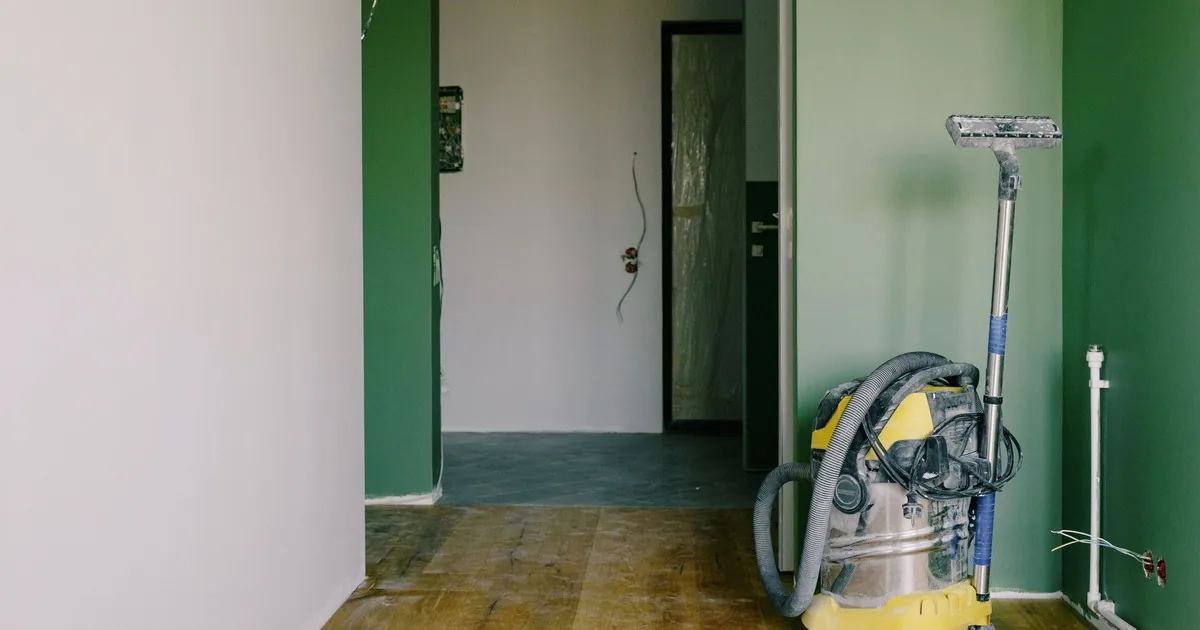
A homeowner calls on Tuesday. Her wood flooring is ready at the warehouse, the installer is booked for Friday, and she has heard the cartons need “48 hours in the house.” The drywall crew is still sanding upstairs. The heat is off because the utility account changes hands tomorrow. She wants the truck scheduled anyway.
The office should pause the delivery.
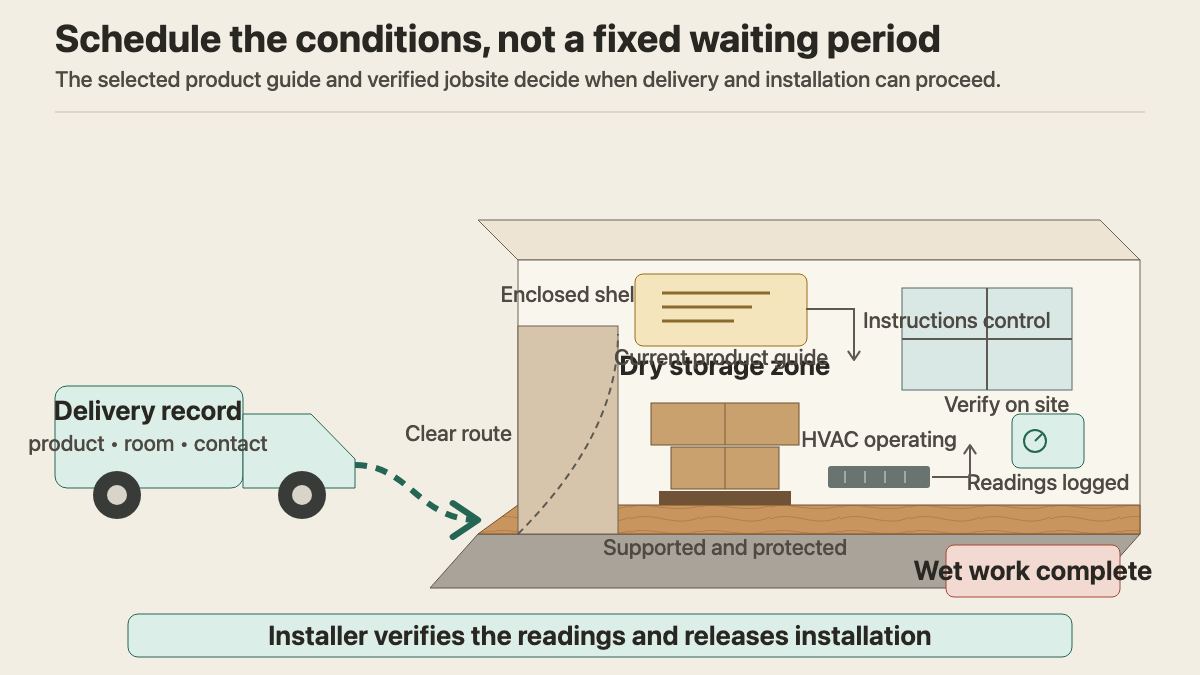
A useful flooring delivery call confirms the exact product and current installation guide, whether the building is enclosed and operating at the required interior conditions, whether wet work is complete, where the material will be stored, who can receive it, and when the installer will verify the jobsite. A fixed waiting period cannot replace those facts. Some products require conditioning steps. Other products have different storage language or no blanket acclimation period at all.
Do not promise a universal acclimation clock
“Acclimation” is often treated like a timer that starts when cartons cross the front door. That shortcut is easy to say and hard to defend.
The National Wood Flooring Association installation guidelines state that the manufacturer’s recommendations for the specific product supersede the association’s general guidance. Product construction matters. So do the expected living conditions and the documented moisture relationship between the flooring, substrate, and surrounding air.
A clear example comes from AHF Products’ engineered hardwood instructions. For the named engineered product family, AHF says blanket acclimation is unnecessary, while still recommending storage in the environment where the flooring is expected to perform. That does not create a rule for every engineered floor. It proves why the office needs the exact product number before offering a date.
When a caller asks, “How many days should it sit?” use a bounded answer: “We need the current instructions for your exact flooring and the jobsite conditions before we set the delivery and installation dates.” Then collect the missing information.
Identify the product before scheduling the truck
Start with the carton label or purchase order. Record the manufacturer, collection, product number, construction, plank dimensions, finish, quantity, and seller. Ask whether every carton belongs to the same product and whether matching trim, stair parts, adhesive, or underlayment will arrive in the same shipment.
The location of the material matters too. “It is ready” could mean the retailer has released the order, the distributor has allocated it, or the homeowner has several cartons in a garage. Confirm who controls the inventory, who arranges transportation, and whether the delivery includes an inside carry or curbside drop.
Request the current installation and warranty documents. A screenshot of a retailer description is weak evidence because it may omit storage, jobsite, moisture, or radiant-heat requirements. Attach the manufacturer document to the work order, along with a photo of the carton label. If the product changes after the estimate, reopen the delivery review.
This narrower scheduling review works alongside an engineered hardwood installation estimate. The estimate defines the rooms, substrate, preparation, transitions, and installation scope. The delivery review asks whether the selected material can safely arrive at that site on that date.
Confirm that the building can receive the material
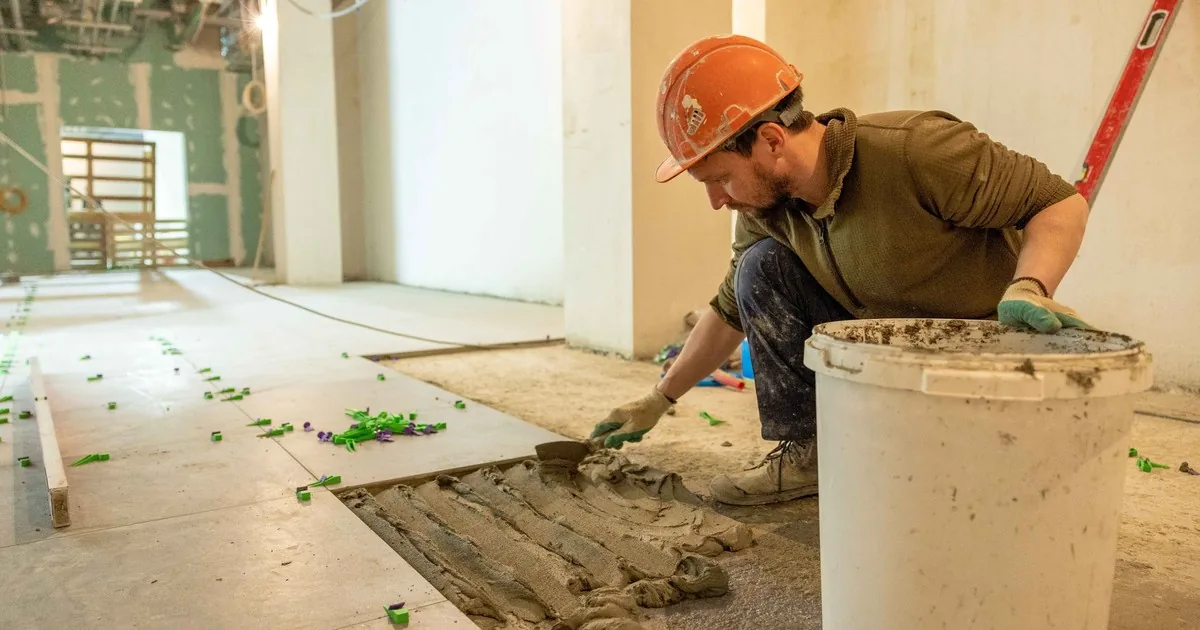
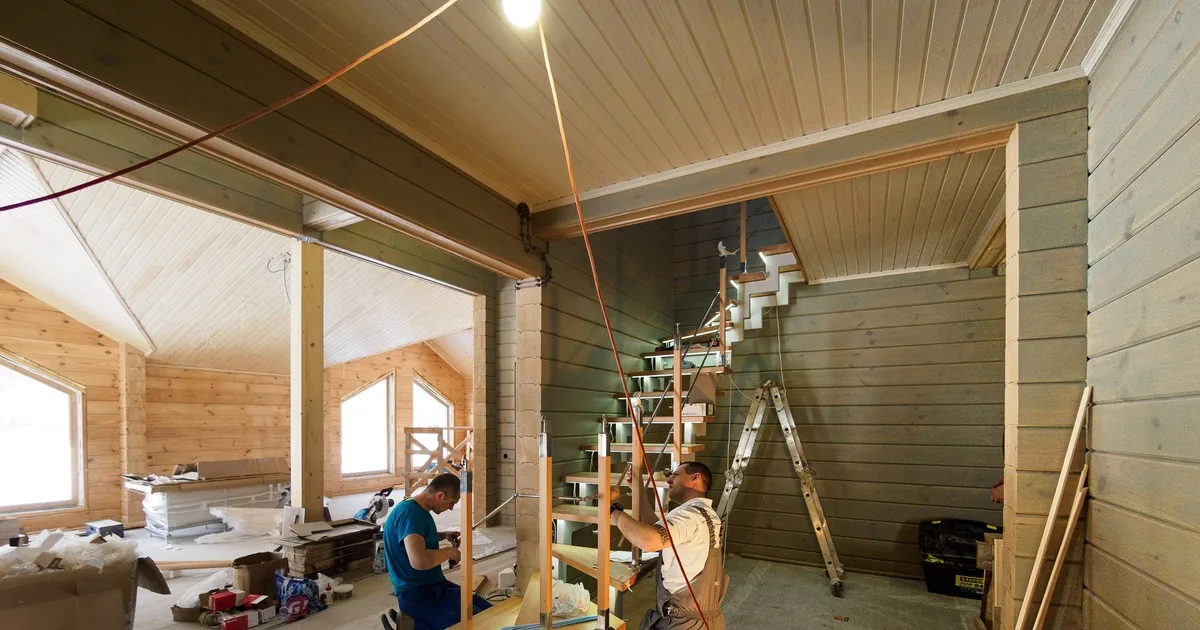
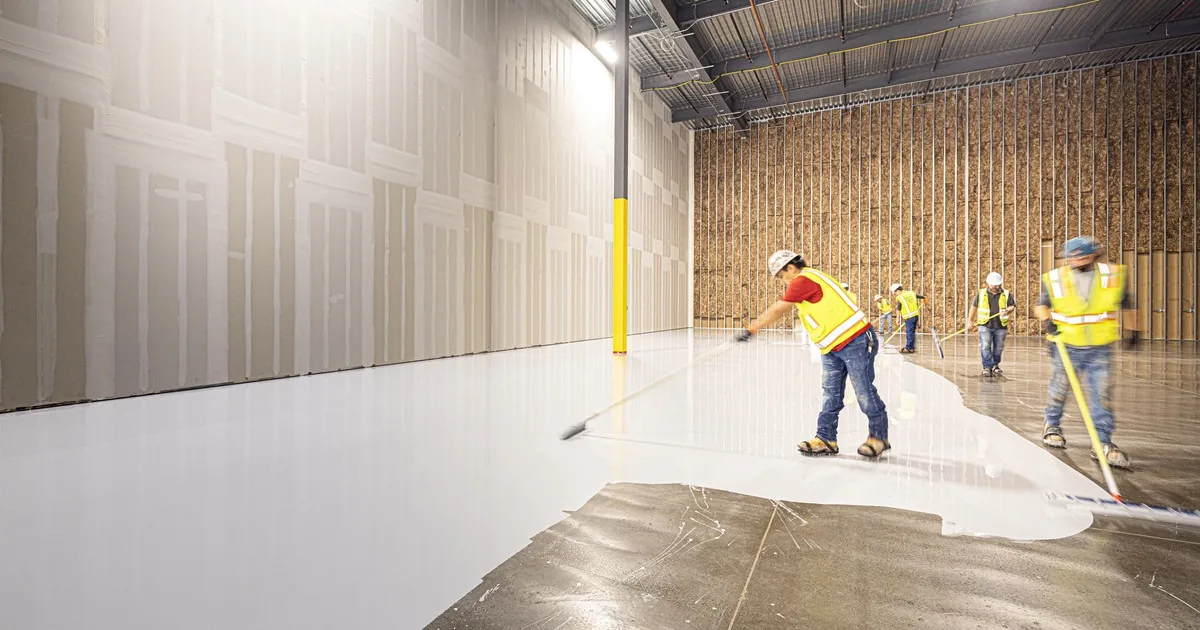
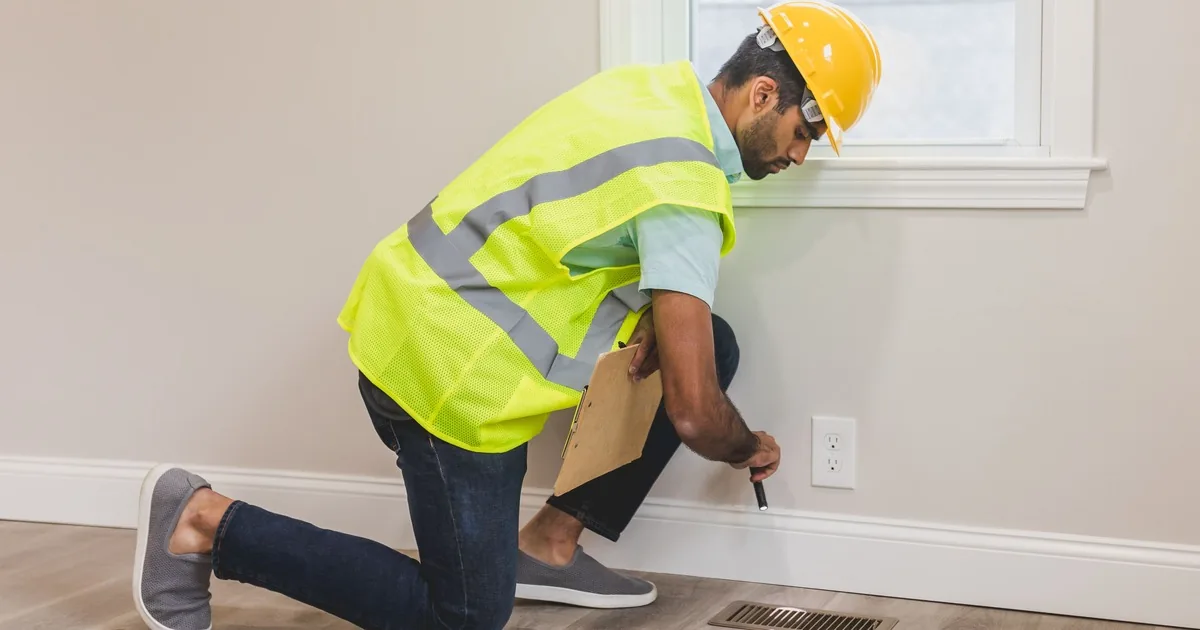
A calendar opening at the warehouse does not make a building ready. Ask whether exterior doors and windows are installed, the roof and exterior openings are weather-tight, and the permanent or approved conditioning system is operating. Record the current stage of drywall, plaster, masonry, tile, painting, and concrete work.
The NWFA article on environmental conditions before, during, and after installation puts these checks before wood delivery. It calls out enclosure, HVAC, wet work, drainage, substrate moisture, temperature, and relative humidity. The office does not need to interpret a moisture meter over the phone. It does need to expose a site that is still changing.
Ask concrete questions:
- Are all exterior doors and windows installed and closed?
- Is the permanent HVAC or manufacturer-approved conditioning system running continuously?
- Are drywall compound, plaster, paint, grout, masonry, and concrete work complete and dry?
- Has the property had a recent leak, flood, plumbing repair, or damp crawlspace?
- Has a flooring professional recorded the jobsite and substrate readings required for this product?
- Will the building remain under the same conditions through delivery, installation, and occupancy?
Write observations, not conclusions. “Drywall crew sanding second floor; HVAC starts Wednesday” is useful. “House is dry” is not a field measurement.
Reserve a real storage location and route
“Store it inside” is incomplete. Name the room. Record the level of the building, flooring surface below the cartons, nearby exterior doors or plumbing, and whether the area will remain available until installation. Keep material away from active wet work and places where it could be exposed to leaks, tracked water, equipment, or another trade’s debris.
AHF’s cited instructions tell users to handle and unload the material carefully, keep it in a dry place, and provide at least four inches of air space beneath cartons stored over on-grade concrete. That detail belongs to those instructions. Another manufacturer may specify a different arrangement, packaging treatment, or stack limit. Copy the selected product’s requirements into the delivery note instead of turning AHF’s language into office policy for every brand.
Map the carry path from the vehicle to the storage room. Ask about stairs, elevators, loading docks, parking limits, gate codes, narrow turns, unfinished walks, mud, and building delivery hours. Confirm whether an adult receiver will be present and whether the driver is authorized to enter. A curbside shipment and a second-floor inside delivery are different appointments.
Protect egress. Cartons cannot block an exit, electrical panel, furnace access, hallway, or the route another crew needs. If the customer wants material spread among rooms, the installer should approve the locations first. The office should not invent a stacking layout from square footage alone.
Link delivery, verification, and installation without merging them
Create three separate dates in the work order: requested delivery, planned site verification, and tentative installation. Label the last one tentative until the company’s required readings, material inspection, and site review pass.
Shaw’s hardwood installation overview tells customers to keep HVAC operating before and during installation within Shaw’s stated conditions, inspect material before installation, and work from multiple cartons for appearance. Those are useful examples of tasks that sit between “the truck arrived” and “start fastening boards.” The detailed guide for the selected Shaw product still controls.
The receiving record should include:
- delivery date and arrival window
- carrier, receiving contact, and callback number
- carton count and visible packaging condition
- product and lot details shown on labels
- storage room and support arrangement
- temperature, humidity, and moisture records required by company policy
- damaged, wet, opened, or mismatched cartons
- person responsible for installer release
- installation date and any dependencies still open
If the delivery moves, check the installation date. If HVAC stops, a leak occurs, wet work resumes, or material is relocated, flag the file for review. Do not subtract elapsed hours and declare the floor ready.
Give dispatch a note it can act on
A useful appointment note reads like this:
“Customer-supplied prefinished wood flooring is released at retailer; manufacturer, collection, and product number confirmed from carton-label photo. Current installation guide attached. Inside delivery requested for first-floor dining room. Home is enclosed. Permanent HVAC reported operating since Monday; field conditions not yet verified. Drywall and painting reported complete. Tile grout in adjacent entry was finished Tuesday; installer to confirm site readiness before delivery. No recent leaks reported. Carry path uses front steps and a 34-inch doorway. Adult receiver is homeowner. Dining room will remain clear; cartons will be stored as required by product instructions. Delivery requested Thursday, site verification pending, installation held as tentative for the following week.”
Read back the product, receiving plan, storage room, open jobsite questions, and the person who can release installation. An AI receptionist can capture the same fields after hours. The final decision still belongs to the contractor using the product instructions and documented conditions at the property.