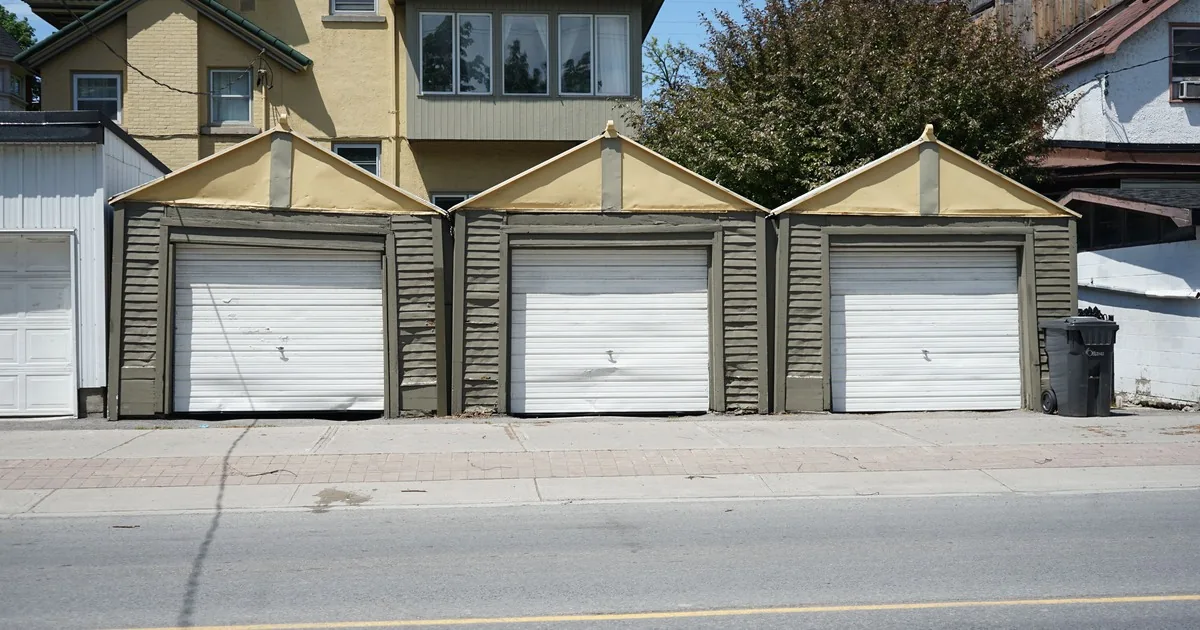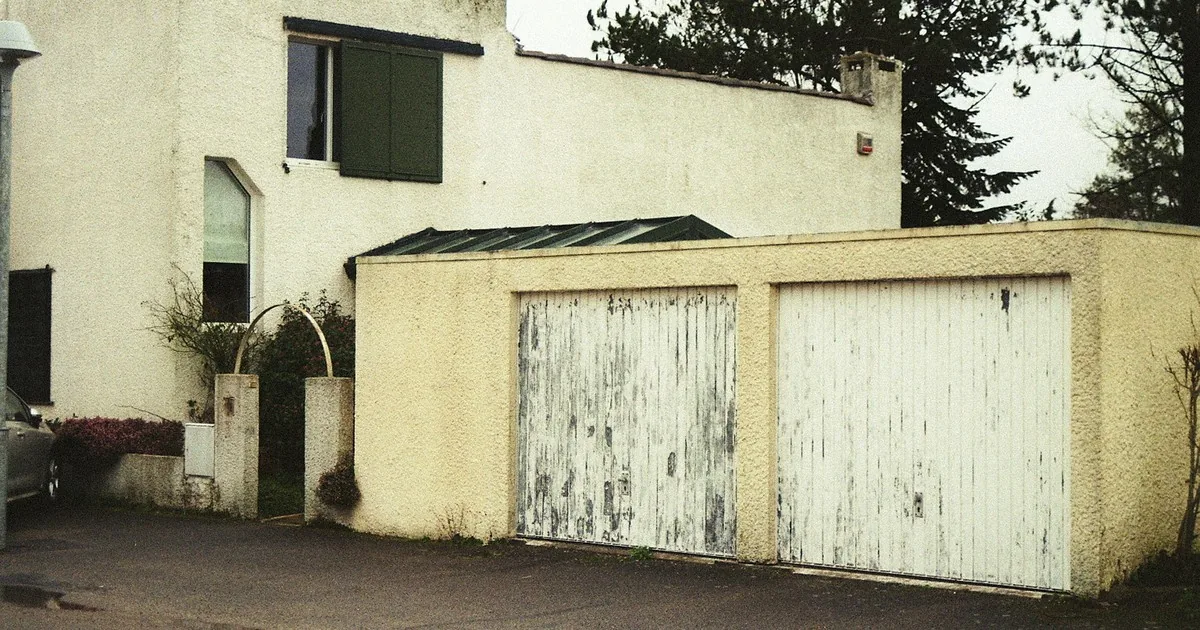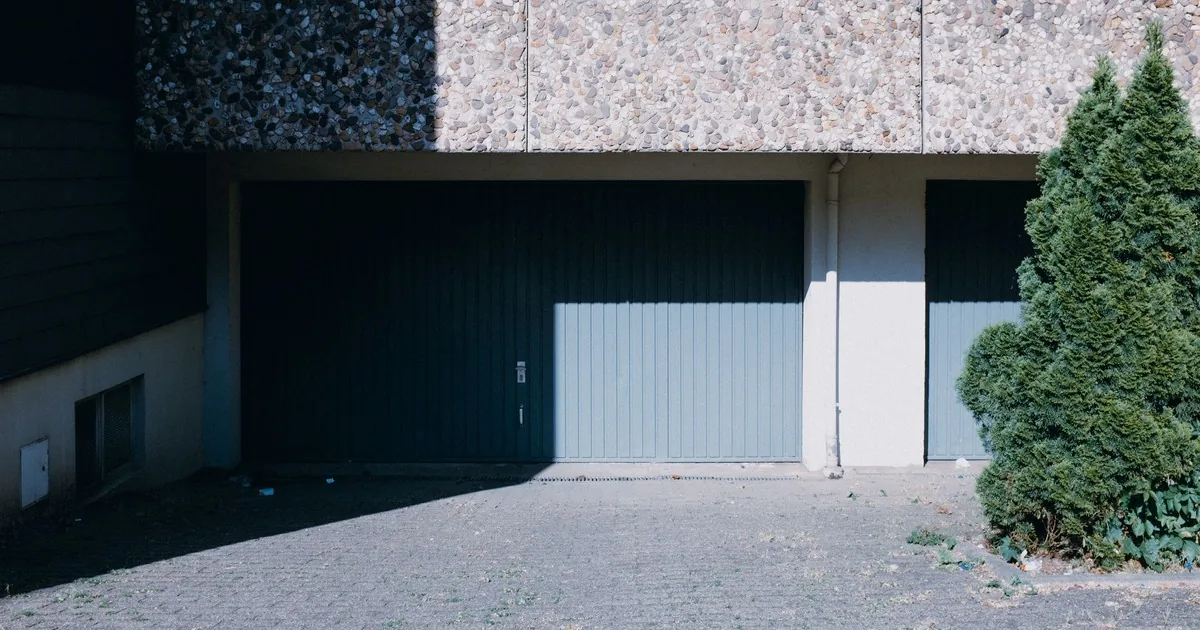
A homeowner calls while standing in front of a dented double garage door. They want a price for a replacement, but they do not know the opening size, the door material, or whether the opener can stay. If the office books a generic estimate and hangs up, the estimator arrives with half the picture. A better intake turns that first call into a useful site visit.
For a new garage door installation consultation, capture the opening, the existing setup, the reason for replacement, the homeowner's design preferences, and any access or scheduling constraints. Do not try to produce a firm price from a vague phone description. The purpose of the call is to qualify the project and prepare the estimator to discuss options that fit the house.
Start with the project behind the request
“New garage door” can describe several jobs. The caller may be replacing a damaged door, changing the exterior of the house, converting two single openings, or choosing doors for a garage under construction. Those jobs require different conversations.
Ask what prompted the call. A door with a bent bottom section may lead to a repair discussion after inspection. A rotted wood door that has become hard to lift points toward replacement. A remodeling project may involve siding, trim, electrical work, or a new opener. New construction brings plans, builder coordination, and unfinished openings into the picture.
The office should avoid deciding the scope over the phone. Record the caller's goal in plain language: “wants a quieter insulated door for bedroom above garage” is far more useful than “needs quote.” That note gives the estimator a place to start.
Also ask whether the current door opens and closes. If it is stuck, crooked, off its track, or unable to secure the garage, the call may need repair triage before the sales appointment. Keep the installation consultation focused, but do not leave an unsafe door buried in an estimate queue.
Identify the opening and current equipment
Most homeowners do not know the dimensions of their garage opening. That is fine. A rough description helps with routing, while final measurements belong to the site visit.
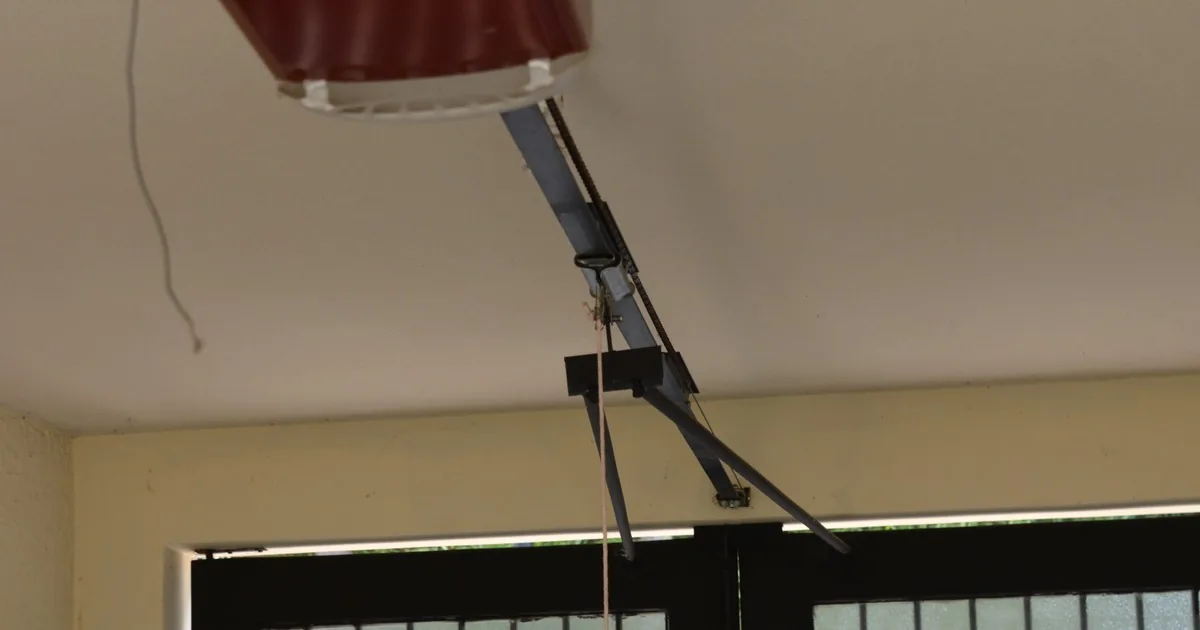
Ask whether the garage has one wide door, separate single doors, or another layout. Find out if the door is attached to an automatic opener and whether the caller expects to keep it. An older opener may work today but still be a poor match for the proposed door. The estimator should inspect the opener, track, springs, framing, headroom, and power location before making a recommendation.
Photos help. Request a clear exterior photo of the full opening and an interior photo that shows the tracks, ceiling area, and opener. Tell the caller to take the pictures from the floor and stay clear of springs, cables, and moving hardware. Nobody should climb onto a ladder or operate a damaged door for the sake of intake.
For new construction, ask whether framing is complete and whether plans show the finished opening. The useful detail is the stage of the job. An estimator who expects a finished garage should not discover bare framing, stored lumber, and three other trades sharing the driveway.
Ask how the garage is used
The right door depends partly on what is behind it. A detached garage used for lawn equipment presents a different project than an attached garage with living space above it.
Ask if the garage is attached to the home and whether any room shares a wall or ceiling with it. Find out if the homeowner uses the garage as a workshop, gym, laundry area, or daily entrance. These details shape the discussion about insulation, windows, weather seals, light, and operating noise.
Climate matters too, but the office does not need to prescribe an insulation value. Record conditions the homeowner cares about. “Garage gets very cold and plumbing runs through back wall” gives the estimator something concrete to inspect. So does “afternoon sun heats the west-facing door.” Product recommendations can wait until the opening and local conditions are known.
Daily use also affects hardware and opener conversations. A door that cycles frequently deserves a careful review of the full system. The caller may think they are buying panels while the estimator sees worn rollers, poor track alignment, or an opener nearing replacement. Intake should prepare that discussion without promising a package before inspection.
Capture design preferences without turning the call into a catalog session
Color and style matter because the garage door occupies a large part of the front elevation on many homes. Yet a long phone tour through every panel pattern wastes time and can confuse a caller who has not seen samples.
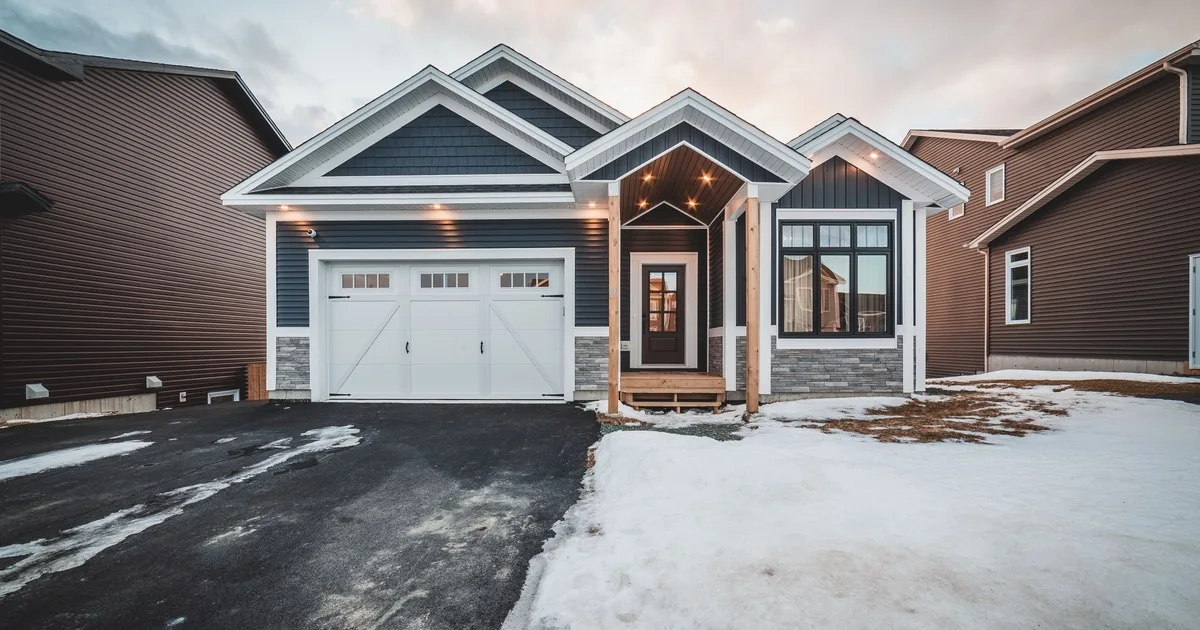
Get the broad direction. Ask whether the homeowner wants to match the current door, coordinate with a photo or inspiration image, or consider a new look. Record preferences such as flush panels, raised panels, carriage-house styling, windows, decorative hardware, or a wood appearance. If a homeowners association or historic district controls exterior changes, note that as well.
A caller who says “black door with windows across the top” has given enough information for intake. The estimator can bring suitable samples and explain which designs are available for that opening. Final color selection should come from current manufacturer samples, not a receptionist's description of a screen image.
Window questions deserve one extra detail: privacy. Someone who wants daylight in a street-facing garage may prefer obscure glass or a higher window placement. The office can flag that concern before the appointment.
Use a short, repeatable intake checklist
The best consultation record lets another employee understand the job without replaying the call. Capture:
- Caller name, service address, email, and preferred callback method
- Reason for replacement and whether the current door can operate and secure the garage
- One wide opening, separate openings, or new-construction layout
- Attached or detached garage, plus any room above or beside it
- Current opener and whether the homeowner hopes to keep it
- Style, color, window, insulation, light, privacy, and noise preferences
- Photos or plans available for review
- Homeowners association, builder, tenant, or property-manager involvement
- Access issues, parked vehicles, gated entry, pets, and appointment availability
- Other decision-makers who should attend the consultation
Read back the address, appointment window, and any preparation request. Small errors become wasted trips. A missing unit number or locked alley gate can derail an otherwise qualified appointment.
Qualify timing and decision-making without pressuring the caller
“Soon” has little value on a schedule. Ask whether the caller is dealing with a damaged door, planning a renovation, preparing to sell, or working toward a construction milestone. Then record the actual event that controls timing.
A homeowner may need the exterior finished before painters arrive. A builder may be waiting for the opening to be measured. Another caller may be collecting ideas for a project later in the year. Each is a valid lead, but they should not be handled as if they require the same next step.
Ask who owns the property and who will approve the design. For rental properties, the person calling may only be gathering information for an owner. For a household project, another decision-maker may care strongly about color or windows. Encourage the relevant people to attend the consultation when practical. That saves the estimator from presenting the same options twice.
Budget can be discussed carefully. Asking whether the caller has a target range may help, but many homeowners have no reference point. Do not force an invented number. Explain that the opening, construction, material, design, glass, insulation, hardware, opener work, and site conditions all affect the quote. A site visit is the honest path to a written scope.
Keep safety boundaries clear
Garage door systems store energy in springs and cables. Intake staff should never coach a homeowner through adjustments, spring handling, cable removal, or manual lifting of a damaged door. If the caller reports a fallen door, loose cable, visible gap in a spring, bent track, or door hanging unevenly, tell them to stop operating it and keep people away until a technician evaluates it.
The same caution applies to photos. Useful pictures can be taken from a safe standing position. Close-up images of spring labels or brackets are unnecessary if reaching them requires a ladder or stepping under an unstable door.
If the garage cannot be secured, say so clearly in the record and follow the company's urgent-call process. The sales appointment can follow after the immediate hazard has been addressed.
Prepare the estimator before the visit
A qualified appointment still fails if the notes stay in the phone log. Send the estimator the project summary, photos, property constraints, and the homeowner's priorities before the visit. Highlight anything unusual: low ceiling clearance, finished drywall around the tracks, a car trapped inside, a steep driveway, or a builder who needs coordination.
The office should also tell the homeowner what to expect. Confirm who is coming, what area needs to be accessible, and whether vehicles should be moved out of the garage. If product selection will be discussed, ask the caller to have association rules, paint colors, inspiration photos, or construction plans available.
For busy garage door companies, a trained receptionist or AI receptionist can capture the same intake fields after hours and route unsafe conditions according to company policy. The value comes from a disciplined question set and clean notes. Software cannot rescue a weak intake process.
A strong call ends with an estimator who knows why the door is being replaced and a homeowner who knows how to prepare. When the estimator pulls into the driveway, the conversation can begin with the actual project, not “So, what are we looking at today?”