Two things usually put a security company's number into somebody's hand. A break-in a few streets over, or a closing date on a house. The first caller is rattled and wants something done this week. The second is working through a move-in list and has a hard deadline. Both are motivated buyers. Neither one has decided what they are actually buying yet.
That gap is what makes security inquiries different from every other trade that answers a phone. A homeowner who calls a plumber knows the water heater is leaking. A homeowner who calls you has a feeling, a number in their head from a TV ad, and a browser tab open on a DIY camera kit.
Why intent qualification matters more here than in break-fix trades
In break-fix work, the job is already defined by the failure. The furnace is out, the drain is backed up, the garage door is off its track. Scope shows up with the call.
Security inquiries arrive with no scope at all. The same fifteen-second phone conversation can be a monitored alarm with door contacts on nine openings, glass breaks, and eight outdoor cameras across a two-story house with a detached garage. Or it can be one person who wants a video doorbell pointed at the porch because a package went missing. Those two callers use identical words. They both say they are looking into a security system.
Send a technician to the second caller and you have spent a truck roll, a fuel bill, and a two-hour window on a shopper who was always going to buy a box off a shelf. Do that three times a week and your install calendar is full of appointments that never had a system in them.
The other thing intake has to catch is who you are being compared against. Security is one of the few home-service categories where the customer has a real, cheap, self-serve alternative sitting in front of them, plus a handful of national brands running ads with a monthly price attached. The caller is holding a number that came from a commercial, and you are the one who has to explain what that number covers. A first call that does not surface the comparison leaves your consultant walking into a conversation they did not know they were having.
DIY kits versus professionally installed and monitored, honestly
DIY kits are genuinely good at what they are built for. A small apartment, a rented condo, a single entry door, a camera on the back patio. Setup is an afternoon. The hardware is decent. If someone wants to see who rang the bell, a plug-in camera and an app is a reasonable answer, and telling them otherwise on the phone is how you earn a bad review from a person who was never a customer.
The tradeoffs start showing up as the property gets bigger and the expectations get more specific.
Coverage is the first one. A kit sized for a one-bedroom apartment does not stretch across a 3,200 square foot two-story with a walkout basement, a side door, a garage entry, and eleven ground-floor windows. Wireless sensor range runs out. The hub sits in one corner of the house and the far bedroom window drops off. Adding enough components to actually cover the openings often lands the DIY shopper in a similar price band anyway, except now they own the design decisions.
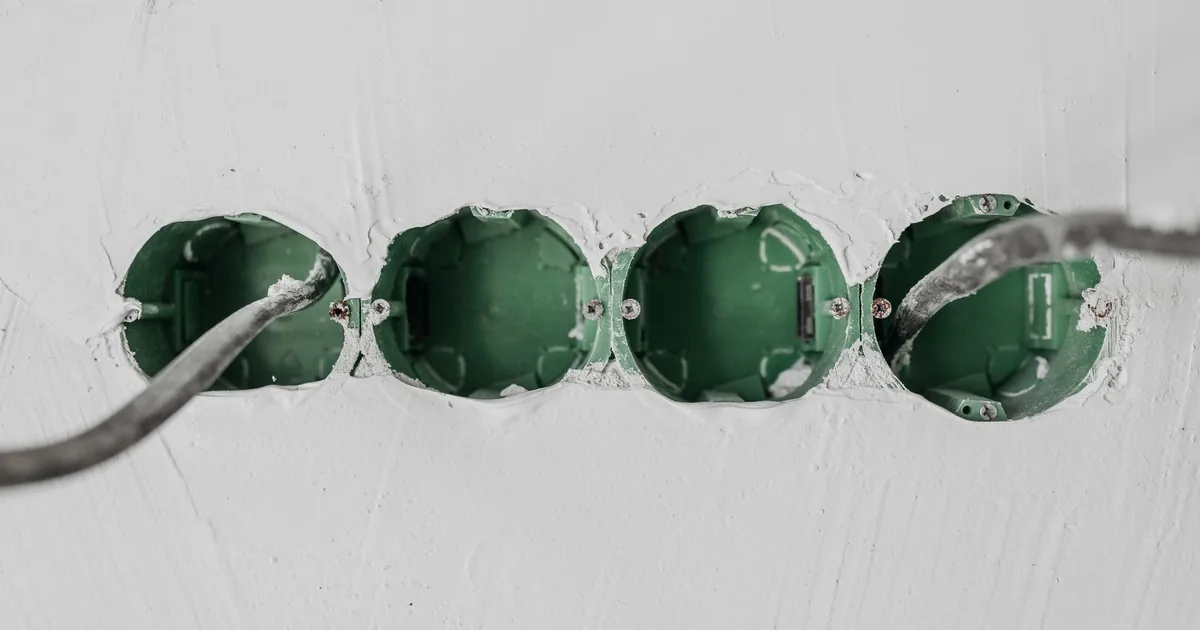
Then there is the wiring question, which comes up any time a house has anything in it already. Older panels, existing sensor loops in the walls, a legacy keypad by the front door, PoE drops somebody ran during a remodel. A professional can take over existing wiring, reuse serviceable contacts, and fish new runs through walls and attics. A DIY buyer generally abandons whatever is in the walls and starts over with stick-on sensors.
The part that matters most is who is responsible when it fails. With a kit, that is the homeowner. If a sensor drops off the hub while they are on vacation, or the camera stops recording, or the app stops sending notifications after a firmware update, they find out later and they fix it themselves. With a monitored professional install, there is a company on the hook for the equipment, the signal path, and the response. Some people want that and will pay for it. Some people would rather own the problem and save the monthly fee. Both are legitimate. Your job on the first call is to find out which one you are talking to before you send anybody out.
Wired versus wireless and what the construction actually allows
This is where phone intake saves your consultant an entire wasted visit, because the house decides a lot of the design before anyone gets a say.
New construction and homes still open at the framing stage are the easy case. You pre-wire, you place cameras exactly where they should go, and nothing is a compromise. Everything after that is a retrofit, and retrofits are governed by what you can get a wire through.
A two-story with an accessible attic and an unfinished basement is workable. You can drop runs down interior walls from above and come up from below. A single-story on a slab with no attic access is a different job. Plaster and lath, brick, block, and rigid foam sheathing all make outdoor camera runs slow. Finished basements with drywall ceilings remove the easy path. A three-story where the middle floor has no access from either direction is where wireless stops being a preference and becomes the only option.
The presence of an existing system changes the plan too, which is why the brand matters on the first call. A house with a legacy panel and sensor loops already in the walls may be a takeover, where you keep the field wiring and swap the panel and keypad. That is a very different quote from a full rip and replace, and it changes what the consultant should bring in the van. Asking whether there is an old keypad by the door, and what name is on it, takes ten seconds and reshapes the entire visit.
What you have to know before anyone quotes a camera count
Camera count is the number customers ask for first and the number you can least afford to guess at. It comes out of the property, not out of a price sheet.
Square footage and number of stories set the baseline. Entry door count tells you the minimum. Ground-floor window count drives sensor and glass-break placement, and it tells you whether cameras are covering approaches or just the front porch. A detached garage, a shop, a long driveway, or a corner lot with two street exposures all add outdoor positions.
Indoor versus outdoor is the split that changes hardware and labor most. Outdoor cameras mean weather-rated housings, longer runs, exterior penetrations, mounting height, and a real conversation about where the sun sits at 6 p.m. Indoor cameras are quicker to place and raise different questions about who in the household is comfortable being recorded.
Internet and wifi coverage at the property is the one people forget, and it sinks jobs. Cloud cameras need upload bandwidth and a signal at the mount point. A camera on the far side of a detached garage with no wifi out there is either a wire run, an access point, or a camera that does not work. Rural properties on satellite or fixed wireless service need that discussed before a quote, not after the install. Asking about the internet provider and whether wifi reaches the garage and the back of the lot is worth more on a first call than almost any other question.
Monitoring questions customers ask on the very first call
Monitoring is where the caller's guard goes up, because they have heard stories about long contracts. Expect all of these, and expect them early:
How long is the agreement, and what happens if I move. What is the monthly fee, and what does it include. Can I self-monitor through the app instead of paying for a central station. If the internet goes out or somebody cuts the line, does the system still reach anybody, meaning is there cellular backup. Who calls the police, and how fast. Does my city require an alarm permit or registration, and are there false-alarm fees. Will my insurer give me anything for having a monitored system.
Your receptionist does not have to answer all of that on the phone, and should not pretend to know a specific municipality's permit rules. What has to happen is that monitoring interest gets captured as a yes, a no, or a maybe, along with whatever the caller asked. A consultant who knows going in that this homeowner is allergic to contracts and wants self-monitoring runs a completely different appointment than one walking in cold.
Where the calls actually go
Security inquiries are urgent and time-boxed. The person who just heard about a break-in on the next block is calling three companies this afternoon. The person closing on Friday needs someone before the truck arrives. Neither one waits patiently for a callback, and missed calls are one of the quietest ways work walks out the door for home-service SMBs. Nobody complains. The phone rings while your tech is on a ladder, and the lead is gone before you learned their name.
An AI receptionist answers on the first ring at 8 p.m. or on a Saturday, asks the qualifying questions in the same order every time, and captures what the caller said. That turns an anonymous ring into a record you can triage: dispatch a consultant on the monitored whole-house job, and send the single-camera shopper a short note instead of a truck.
Qualifying questions your receptionist should capture
Whether a person or an AI picks up, these are the details that separate a monitored-system buyer from a DIY camera shopper before anyone gets in a van.
- Own or rent, and if renting, whether the landlord has approved drilling, wiring, or permanent mounting
- Approximate home square footage and number of stories
- Number of entry doors, including garage and basement entries
- Number of ground-floor windows
- Whether a system or security wiring already exists, and which brand is on the old panel or keypad
- Interest in cameras, an alarm system, or both
- Indoor versus outdoor camera placement, and which outdoor areas matter (driveway, back yard, detached garage)
- Internet provider and whether wifi reaches the far corners of the property
- Monitoring interest: professionally monitored, self-monitored, or undecided
- What triggered the call: a move-in or closing date, or a recent incident nearby
- Preferred consultation window and best callback number
Get those on the first ring and the consultant shows up already knowing whether they are designing a nine-opening monitored system or talking someone through a doorbell camera. Those are two different appointments, and only one of them needs a van.
Answara answers every inbound call for your security installation business, asks the qualifying questions in order, and captures the intake your consultant needs before anyone gets dispatched.