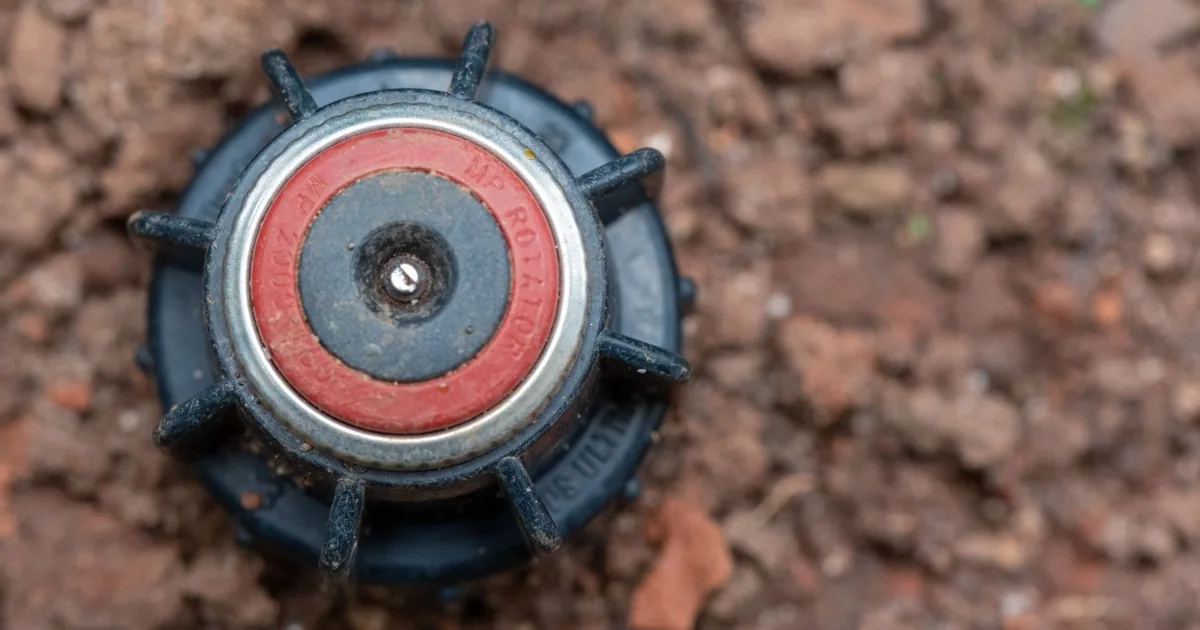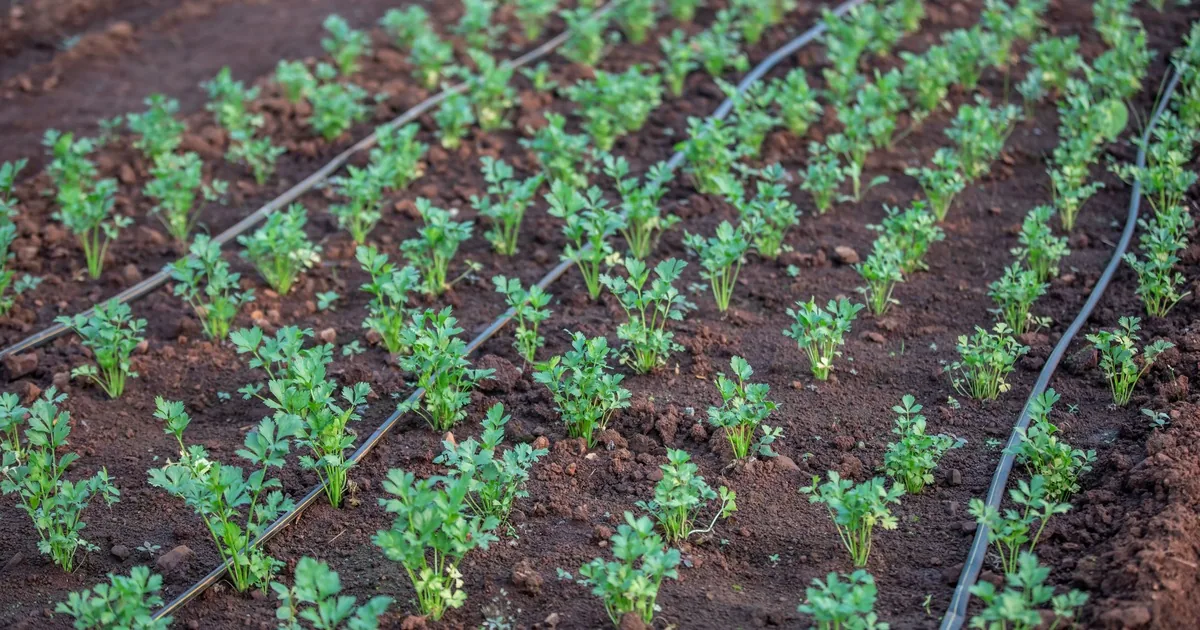
A homeowner calls after watching spray drift across a row of new shrubs and onto the driveway. She wants “the front beds switched to drip.” The front yard has three beds, but nobody knows whether their spray heads share valves with the lawn. One bed sits above a retaining wall. Another was added after the original sprinkler installation. That short request could describe one clean conversion, several rebuilt zones, or a repair visit followed by a design estimate.
Before booking the quote, identify every bed the customer wants changed, every sprinkler head tied to the affected valves, the plants in each area, approximate dimensions, slope, water source, controller and valve condition, access, visible faults, and the result the caller expects. The estimator still needs to run the system and verify pressure, flow, valve boundaries, backflow requirements, and component selection onsite.
Define the conversion the caller has in mind
Start with the reason for the project. Ask what the customer sees now: overspray on pavement, dry plants, runoff, misting, broken heads, hand watering, recent landscape work, or a desire to remove spray from planting beds. Record the observation without diagnosing it. A wet sidewalk may come from head placement, a damaged nozzle, excessive pressure, wind, or a zone that no longer matches the landscape.
Then name the areas. “Front beds” is too loose for an estimate appointment. Ask the caller to walk the property verbally and describe each bed by location: left of the driveway, foundation bed beneath the living-room windows, island around the oak, raised vegetable boxes behind the garage. Note whether turf, shrubs, trees, annual flowers, containers, or edible plants occupy the area.
Get the customer’s preferred scope. Do they want the existing planting beds converted, a new bed added, lawn removed, pots connected, or a whole property reviewed? If another landscaper is changing plants or bed lines, ask for the plan and installation date. Drip tubing laid for today’s three shrubs may be poorly placed after twelve new plants arrive next month.
Trace every outlet on the affected valve
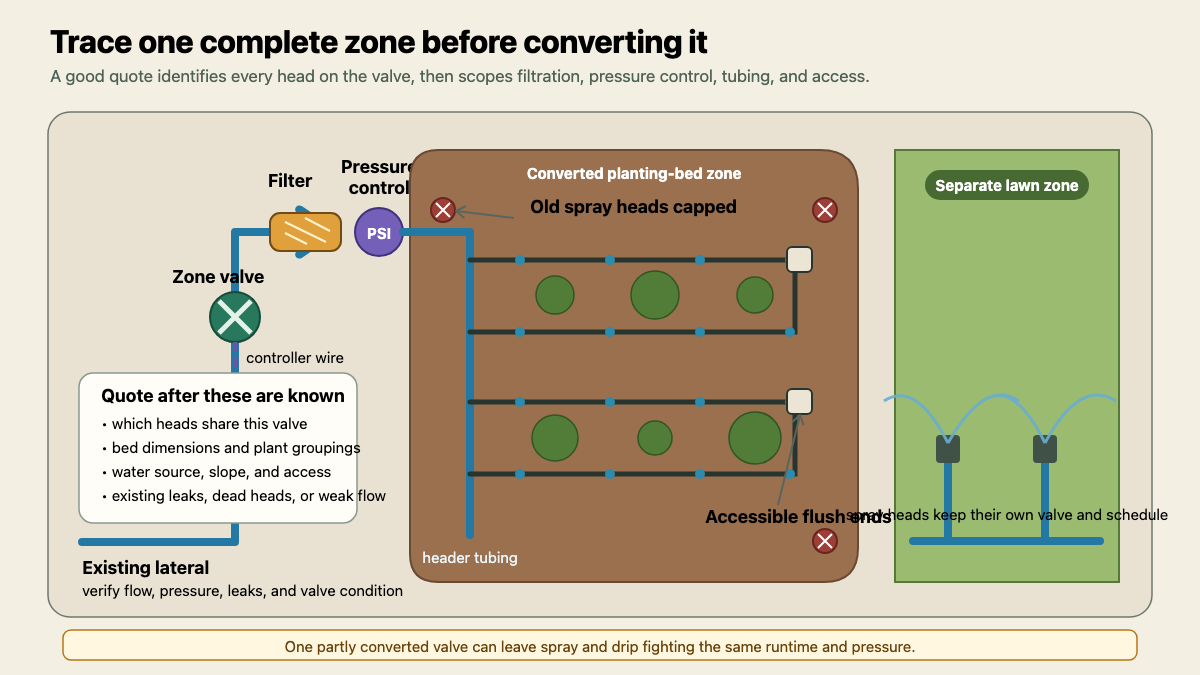
The most important intake question is simple: “When that bed runs, what else gets watered?” Homeowners often know a controller station number but not the physical boundary of its valve zone. Ask them to describe what turns on together during a normal manual run. A short phone video can help the estimator prepare, provided the customer can record it without opening valves, electrical cabinets, or pressurized components.
Spray and drip equipment should not be casually mixed behind one valve. The University of Arizona Cooperative Extension’s drip irrigation guide explains that they apply water at different rates and operate under different pressure. It advises converting all sprinklers on a shared zone or separating the equipment by valve. A manufacturer’s retrofit may also require the other spray or rotor heads on that zone to be converted or capped, as Rain Bird states for its Riser Connection Kit.
That does not mean every caller needs to identify buried piping. The office needs enough information to flag uncertainty. Useful notes include controller station, areas that run together, number and type of visible heads, heads hidden by mulch or plants, recent changes, and any outlet the customer wants to keep as spray. The technician confirms the actual boundary.
If one valve waters a lawn strip and two planting beds, the estimate may need a new valve, a different zone arrangement, or a narrower scope. Promise an inspection, not a conversion method.
Map beds, plants, soil, and slope
Ask for approximate bed length and width, then request wide photographs that show the bed edges, plant spacing, nearby pavement, walls, and the route back toward the likely water connection. Photos are preparation. They do not replace measurements.
Plant groupings matter more than a neat tubing pattern. Trees, established shrubs, new perennials, vegetables, and containers may have different root areas and watering needs. Arizona Extension recommends grouping plants with similar water requirements on separate valves. The call note should identify mixed plantings and let the designer decide whether one schedule can serve them.
Capture conditions that change how water moves through the bed: sandy or heavy soil as reported by the customer, steep grade, terracing, reflected heat, deep shade, mulch depth, dense ground cover, and roots near the proposed tubing path. Ask whether runoff collects at the bottom of the slope or crosses a walkway. Do not calculate emitter count or runtime from the phone description.
Trees deserve a growth note. Emitters that sit beside a new root ball may need to move outward as the canopy expands. Both Arizona Extension and Utah State University Extension discuss adjusting emitter placement as plants establish and grow. Record trunk location, approximate canopy width, and whether the customer expects new planting. The field plan can then provide room for later adjustment.
Capture the existing system before adding scope
A conversion quote depends on the condition of the system feeding it. Ask whether every station starts and shuts off, whether water keeps flowing after a zone ends, and whether the customer has seen leaks, weak heads, fine mist, buried heads, clogged nozzles, exposed wire, cracked valve boxes, or a blank controller. Ask when the system last ran normally.
Separate active faults in the appointment note. A leaking mainline, valve that will not close, failed station wire, or zone with weak flow may need diagnosis before conversion design. The irrigation repair intake guide provides a safe routing format for those calls.
Record the water source: municipal potable water, reclaimed water, well, cistern, or another supplied system. Ask whether the property has known backflow equipment and when it was last serviced, but do not promise that existing protection satisfies current local requirements. Backflow rules and permitted work vary by jurisdiction.
The controller matters too. Capture its brand, model, station count, spare stations if known, and location. A customer may want the drip conversion bundled with a controller change. Keep that work distinct so the estimator can evaluate it under the smart-controller consultation workflow.
Ask about access, surfaces, and restoration
The tubing route can cross more than mulch. Ask about fences, locked gates, dogs, tenant access, steep side yards, retaining walls, patios, decorative rock, synthetic turf, landscape fabric, lighting cable, edging, and recent hardscape. Note where the crew can park and whether materials must pass through the house or a narrow gate.
Find out who can approve changes. A tenant may request the visit while the owner controls the irrigation system. An HOA may control common-area valves. A landscape designer may need to approve tubing placement around new plants. Get the decision-maker’s name and attendance plan before the estimator arrives.
Ask what surface restoration the customer expects. Replacing mulch after tubing work differs from matching decorative stone or repairing disturbed sod. The estimate should state what will be moved, replaced, reused, or excluded. Wide site photos help here, especially around bed borders and valve boxes.
Build an estimate note the field crew can use
A strong call record can fit in one paragraph:
“Convert irrigation serving three front planting beds. Caller reports station 4 runs two beds plus a narrow lawn strip; station for third bed is unknown. Existing spray reaches driveway, and one head near the retaining wall appears weak. Beds contain established boxwoods, one young maple, seasonal flowers, and planned perennials. Municipal water, controller in garage, six active stations reported, spare capacity unknown. Access through 36-inch side gate; decorative rock in island bed. Estimator to run all zones, trace valve boundaries, check existing faults, measure beds and slope, identify plant groupings, verify pressure and flow, review backflow and local requirements, and scope restoration.”
That note avoids a blind promise. It also gives the estimator a sequence for the visit.
The proposal should identify which complete zones are included, which heads will be converted or capped, where new valves or separation work is required, how filtration and pressure control will be handled, what tubing and emission method will serve each planting group, and which repairs are separate. Product specifications belong in the field design. One manufacturer’s pressure range should never be copied onto every job.
Set the handoff before the work is sold
A useful handoff includes an updated zone map, controller station names, component locations, filter access, flush points, initial schedule, plant-establishment instructions, maintenance responsibilities, and the contractor’s repair boundary. Utah State University Extension recommends flushing drip lines, maintaining filters, checking emitter placement, replacing damaged emitters, and correcting pressure problems. Those tasks are easier when the customer can find the parts.
Ask who will manage the schedule after installation. A homeowner, property manager, gardener, and irrigation contractor may each assume someone else owns it. Put one name on the handoff. If the landscape changes, that person should know whom to call before emitters are buried under new mulch or left beside plants that have outgrown their original wetting area.
The office can close with a precise expectation: “The estimator will run the full system, trace the valves serving those beds, measure the planting areas, and separate existing repair needs from the conversion proposal. Please have the controller accessible and send the planting plan before the visit.” Now the appointment has a real assignment, and the quote can be built around the property that is actually there.