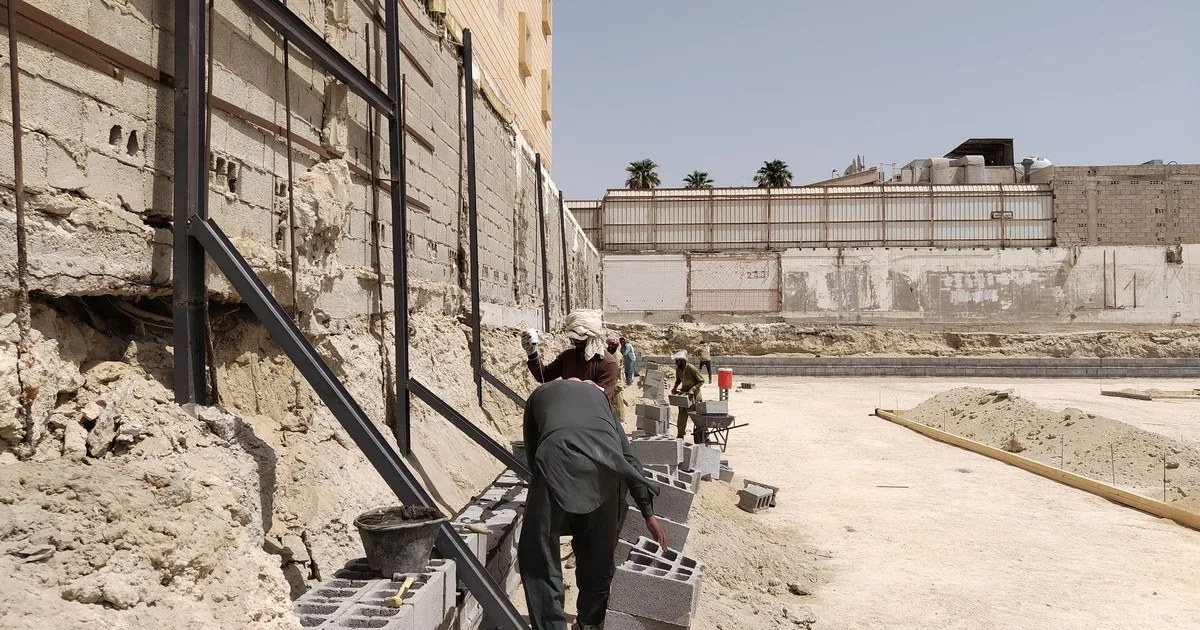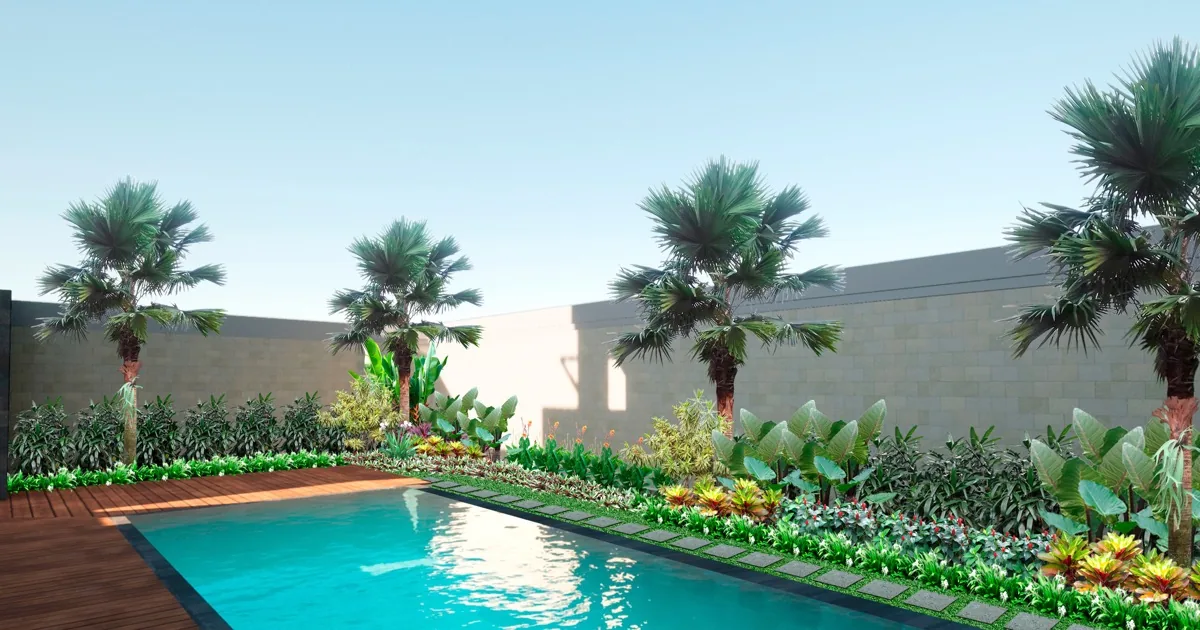
A homeowner calls and says, “We want to redo the backyard.” That could mean replacing three shrubs beside the patio. It could mean a new retaining wall, drainage work, lighting, an outdoor kitchen, and a planting plan for half an acre.
Do not book both callers into the same appointment slot.
A useful landscape design intake call identifies the property, the spaces in question, how the customer wants to use them, the rough scope, budget readiness, timing, and who will approve the work. It also separates design work from routine maintenance and simple installation estimates. The goal is a consultation that your designer can prepare for, not a rushed attempt to design the yard over the phone.
First decide what kind of call you have
“Landscaping” covers several different purchases. A caller may need weekly mowing, a spring cleanup, replacement plants, drainage diagnosis, a bid on a plan they already own, or an original design. The first few questions should put the request in the right lane.
Ask what they want to change and whether they already have a drawing. Then ask whether they want ideas and a plan, installation pricing, or both. Their answer determines the next step.
A homeowner who wants six boxwoods replaced may need photos and an estimate visit. Someone asking how a sloped yard could hold a patio needs design discovery and a site review. A builder with stamped drawings may be ready for estimating, though your estimator will still need to inspect access and existing conditions. A weekly mowing request belongs with the maintenance team.
Keep these paths visible in the scheduling system. If every request becomes a generic “estimate,” designers spend time on maintenance calls and maintenance crews receive projects that need measured plans.
Ask how the property needs to work
A list of desired features tells only part of the story. The better question is, “What do you want to be able to do outside that you cannot do comfortably now?”
The answer may reveal that the patio gets punishing afternoon sun, dinner guests cannot move between the grill and table, a dog has worn a muddy track along the fence, or grandparents need a route without steps. These are design requirements. “Patio, shade tree, path” is merely a shopping list.
The University of Minnesota Extension’s landscape design questionnaire prompts homeowners to consider use, maintenance, budget, and visual preferences. That is a sound structure for a phone intake too. Ask who uses the yard, whether children or pets need dedicated space, how much gardening the household wants to do, and what they dislike about the current layout.
Do not solve those conditions during intake. Record the caller’s own description. “Water sits beside the basement door after a hard rain” is a useful note. “Needs a French drain” is a diagnosis that should wait for the qualified person who visits the site.
Define the physical scope without pretending photos are a survey
Get the property address and identify the exact area under discussion: front entry, side yard, pool surround, full backyard, or whole property. Ask whether the home is detached, attached, or part of a managed community. Find out whether the property is occupied and whether construction access runs through a gate, driveway, neighboring lot, or narrow side passage.
Existing features matter. A designer should know about mature trees, slopes, retaining walls, pools, septic components, wells, overhead lines, low areas, irrigation, sheds, and structures the owner expects to keep. Ask about them in plain language. The customer does not need to identify every utility or drainage structure correctly on the call.
Request current photos when your process supports secure uploads. Wide views from each corner are more useful than a close-up of one struggling plant. A property survey, plot plan, HOA standards, or builder plan may also help, but intake staff should describe what the company wants and why. They should never imply that a phone photo establishes a boundary, easement, elevation, or buried utility location.
Mississippi State University Extension’s guide to home landscape design treats site analysis and family needs as separate inputs to a design. That distinction belongs in the call notes. One field should describe the site. Another should describe what the household wants the site to become.
Have the budget conversation before a designer drives out
Budget avoidance creates bad consultations. The customer pictures a finished yard, the designer spends an hour measuring and discussing options, and only later does everyone learn that the proposed scope and available investment live far apart.
Ask directly: “Have you set a working budget for design and installation?” If the caller has not, explain what your first consultation produces and how your company establishes a realistic range. Do not invent a project number to force an answer. Material choices, grading, demolition, access, local labor, permit requirements, and the amount of custom work can change the estimate.
Some callers will say they do not know what landscaping costs. That is useful information. Note which pieces matter most if the full wish list cannot happen at once. A caller might rank drainage and a safe path ahead of a pergola. Another may want a master plan now and installation in stages.
The Association of Professional Landscape Designers’ California chapter includes project goals, desired structures, planting purposes, and investment level in its landscape design checklist. The National Association of Landscape Professionals has also described how firms discuss budget during early client meetings and use phased planning when scope exceeds the initial budget. Phasing should still be designed in the right sequence. The call taker can capture interest in phases, while the designer decides what can be separated without causing rework.
Separate the desired date from a promised completion date
“What is driving the timing?” gets better information than “When do you want it done?”
A graduation party in June, a pool installation already under contract, an HOA submission date, and a vague hope to enjoy the yard this summer create different scheduling risks. Record the event and its date. Then separate the date for an initial consultation, the design period, approvals, material ordering, and construction.
Intake staff should not promise that a project will be finished before the event. Even a seemingly simple plan can depend on municipal review, HOA approval, product availability, weather, subcontractors, or discoveries on site. Use wording such as: “I’ll note the party date for the designer. After the site visit, the team can tell you what scope and schedule are realistic.”
Ask whether the caller has contacted other professionals already. A pool contractor, architect, builder, arborist, irrigation company, or civil engineer may hold plans or dates that affect the design. Capture names and project status. Do not tell the customer which permits will be required until someone familiar with the address and local rules has reviewed the work.
Identify the decision-makers and the expected deliverable
A design meeting goes poorly when one homeowner walks the property for an hour and a second decision-maker rejects the premise that evening. Ask who owns the property, who will approve the design and budget, and whether those people can attend the consultation.
This is a scheduling question, not pressure. Couples often value different things in the same yard. One wants lawn for play; the other wants less mowing. The designer needs both priorities before drawing a plan.
Be equally clear about what the appointment includes. Is it a short discovery call, an on-site consultation, a paid design session, or a free estimate for installation? Will the customer receive verbal recommendations, a concept sketch, a scaled plan, planting selections, renderings, construction documents, or a later proposal? State the company’s actual process and fee policy. Never let “consultation” imply a free finished design if that is not what the business provides.
If design fees may be credited toward installation, explain the policy exactly as written. Intake staff should also say what the customer should prepare, such as inspiration photos, a survey, HOA rules, and access to the whole project area.
Use a compact intake record your designer will read
A long phone script can feel like an interrogation. Group the questions into a natural conversation, then store the answers in consistent fields:
- Caller name, service address, email, and best callback number
- Areas included and the main problems the customer wants solved
- Desired uses, preferred style, maintenance tolerance, pets, children, and accessibility needs
- Existing trees, grades, drainage concerns, structures, utilities, irrigation, and access limits
- Features to keep, remove, or add
- Whether plans, surveys, photos, HOA rules, or contractor documents already exist
- Working budget, highest priorities, and interest in phased installation
- Desired event or completion window, plus any connected contractor dates
- Property owner and other decision-makers who should attend
- Service requested: design, installation estimate, maintenance, or an uncertain request for review
Add one final note in the caller’s words. “We never use the back corner because mosquitoes and standing water make it miserable” gives the designer a sharper starting point than “backyard renovation.”
Give the caller a specific next step
End the call with a short recap: what the customer wants, which appointment you are offering, who should attend, whether there is a fee, what they need to send, and when they should expect confirmation. If the request falls outside your service area or project type, say so before booking a site visit.
An AI receptionist can collect these fields after hours and route the request to the right person, but the same intake structure works for an owner, office manager, or answering service. Consistency is the useful part. Your designer should arrive knowing whether the customer wants a planting refresh beside the patio or a staged plan for an unusable half-acre.