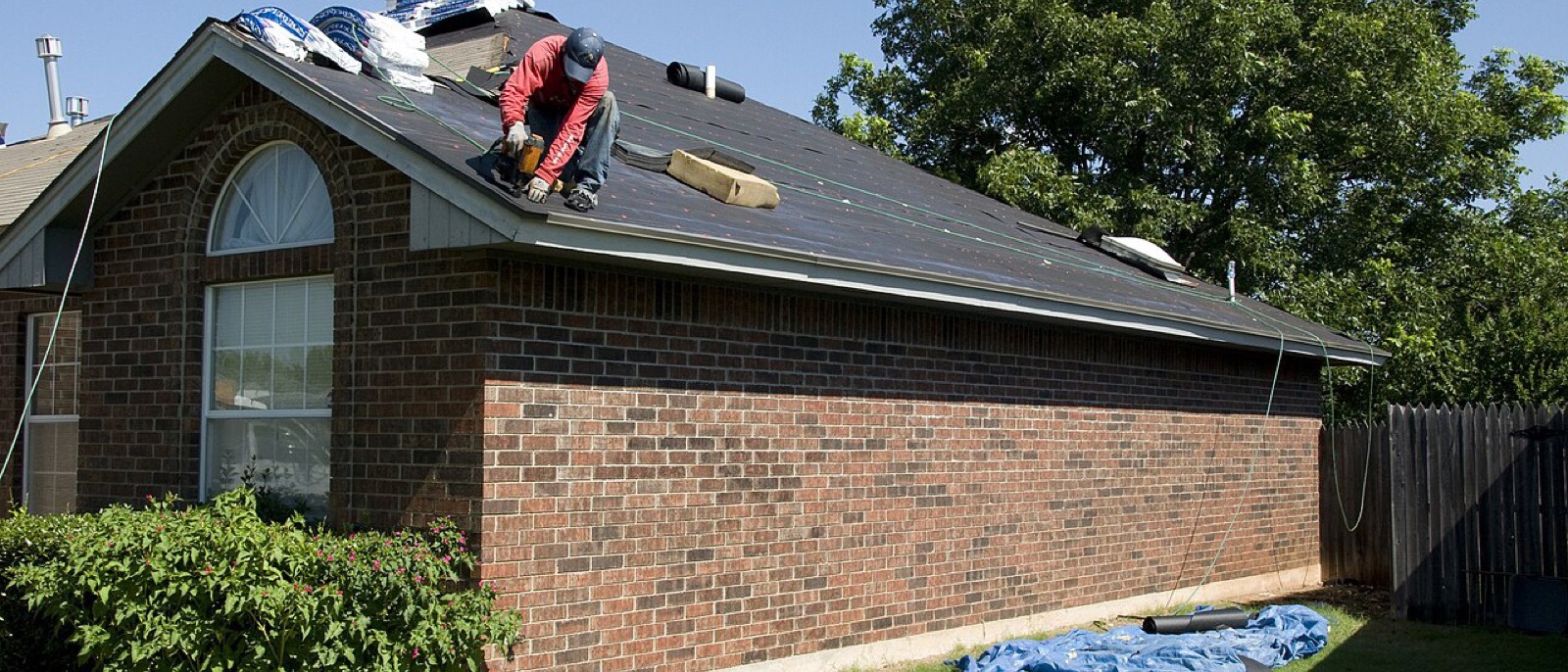
Storm-Chaser Roofing Scams: Warning Signs Homeowners Should Know
The hailstorm rolled through around dinnertime. By nine the next morning, before you have even climbed a ladder to look at your own roof, someone is standing on your porch. He points at your shingles, mentions damage you cannot see from the ground, and says he can start today if you sign right now. His truck has out-of-state plates and a magnetic sign on the door.
That knock is the opening move of a scam that shows up in neighborhoods every storm season. The people who run it are called storm chasers. They follow severe weather from town to town, collect quick payments or insurance money, and move on before anyone notices the work was cheap or never finished. Knowing what they do makes them a lot easier to turn away.
What a storm chaser actually is
A storm chaser is a crew, sometimes a single person, that travels into an area right after hail, high wind, or a tornado. They are not tied to your town. They rent a room, canvass the damaged blocks, sign as many jobs as they can, and leave. Some do real roofing work, poorly. Others take a deposit and disappear entirely.
The honest roofers in your area are dealing with the same storm. They are booked, buried in calls, and working through a waitlist of longtime customers. The traveling crew has none of that history to slow it down, which is exactly why it can be on your porch first.
Red flags at the front door
A few behaviors show up again and again. Any single one is a reason to slow down.
- The unsolicited knock. You did not call anyone. They found you by driving the block looking for damage.
- Pressure to sign immediately. "This price is only good today" or "I have a crew free right now, but only this afternoon." Urgency is the tool. A real roofer will give you a written estimate and time to think.
- A request for cash or a large deposit up front. Especially cash. Reputable contractors bill on a schedule tied to the work, and they take checks or cards that leave a record.
- No verifiable local address. Out-of-state plates, a phone number that goes to voicemail, a company name you cannot find in any local record.
One more pattern deserves its own line: the offer to "handle the whole insurance claim for you" and "waive your deductible." Waiving a deductible by inflating an invoice is fraud, and it can put you on the wrong side of it. That offer is a signal to close the door.
How to vet a roofer who is worth hiring
Vetting takes an afternoon, and it filters out almost every bad actor.
Start with a physical address you can look up and a business that has been operating in your county for more than a season or two. Ask for the license number your state or municipality requires, then confirm it with the licensing body rather than trusting the paper they hand you.
Ask for proof of general liability insurance and workers' compensation, and call the insurer listed to confirm the policy is active. If a worker is hurt on your roof and the crew has no coverage, you do not want to learn what that means the hard way.
Get the estimate in writing, itemized, with the shingle brand, the scope, and the timeline spelled out. Read the manufacturer warranty and the workmanship warranty as two separate things. A one-year handshake is not the same as a warranty you can actually claim against later.
Then look for the roofer yourself instead of waiting for one to appear. Local review histories, referrals from neighbors who used someone last year, and a company's own roofing services page all tell you more than a stranger reading damage off your gutters from the driveway.
Insurance-claim cautions
A legitimate claim is between you, your insurer, and a contractor you chose. Keep it that way.
Document the damage yourself first. Photograph the roof, the gutters, any interior water stains, and the date. File the claim through your own insurer's process. Your adjuster and your contractor can meet on site, and that is normal, but you stay in the loop for every number that gets written down.
Be wary of anyone who wants to inspect, estimate, and file on your behalf before you have even spoken to your insurance company. And treat "we'll cover your deductible" as the end of the conversation. This is general guidance, not legal or insurance advice. For anything specific to your policy, ask your insurer or an attorney directly.
The quiet cost to honest roofers during a surge
Here is the part homeowners rarely see. When a storm hits, the reputable local roofing companies get slammed. Phones ring faster than a small office can answer. Calls come in during dinner, overnight, on the weekend, all from people with real damage who need help now.
Across home services, missed and unanswered calls are a well-documented drain on small businesses, and roofing feels it hardest in the days after a storm. A homeowner with water coming through the ceiling is not going to leave three voicemails. They call the next number on the list, and often that next number belongs to the crew that knocked on their door. The scammer wins by being available when the honest company could not pick up.
Being reachable when the storm hits
A good roofer's edge during a surge is simple: answer the phone. That is where a tool like Answara's AI voice receptionist fits for the reputable side of this problem. It picks up storm-damage calls around the clock, gathers the address and the details, and books the appointment even when the crew is on a roof or the office closed hours ago. The homeowner with a real emergency reaches a real business instead of the traveling crew, and the roofer who does honest work is the one who gets the call. That is the outcome worth building toward, one answered call at a time.