Two people call a septic office on the same morning. One wants to schedule a routine pump-out because the county reminder came in the mail. The other has sewage rising in a downstairs shower and a smell that has taken over the house. Both start the call the same way: "I need someone to come look at my septic." The job of intake is to tell those two calls apart fast, and to pull the handful of details that decide which truck rolls, how big it needs to be, and whether tomorrow is soon enough or whether this is a today problem.
Get the questions right and the dispatcher can size the job before it hits the board. Get them wrong and a driver shows up with a truck that cannot finish the tank, or an active backup sits in the routine queue behind three maintenance pumps.
The first fork: routine or active
Everything downstream depends on this. The opening question is not about the tank, it is about what the caller is seeing right now. Ask whether anything is backing up, surfacing, or smelling, or whether this is a scheduled service with nothing wrong yet.
A caller who says the toilets are slow but nothing has come up is a different priority than one watching water pool in the yard. Listen for the words that signal an active failure: gurgling drains, a backed-up toilet on the lowest floor, standing water or wet ground over the tank or drainfield, and odor inside the house. Any of those moves the call out of the maintenance lane and into triage.
The routine caller can be walked calmly through scheduling. The backup caller needs a quick read on how bad it is and a real answer about timing, because the alternative is not a patient wait. A homeowner with sewage coming up through a drain will not leave a voicemail. They hang up and dial the next septic company on the list, and the office that answered the phone is the one that gets the job.
Questions that size the routine job
For a scheduled pump-out, a short set of questions tells the dispatcher what capacity and how long to block:
- Is this a routine pump-out, or is something backing up, surfacing, or smelling right now?
- How large is the tank, if you know? A rough guess is fine.
- How many bedrooms is the house, and how many people live there? Bedroom count is the standard proxy for tank size when the homeowner does not know, and occupancy hints at how full it runs.
- When was the tank last pumped? A tank that has not been serviced in eight years behaves differently than one on a three-year cycle.
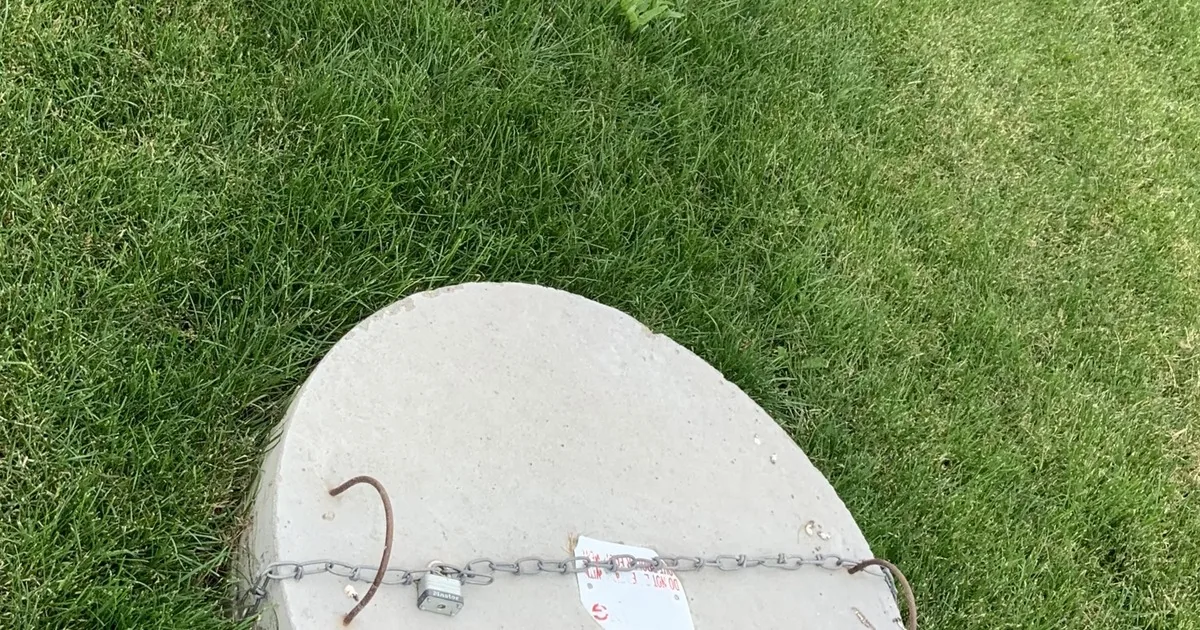
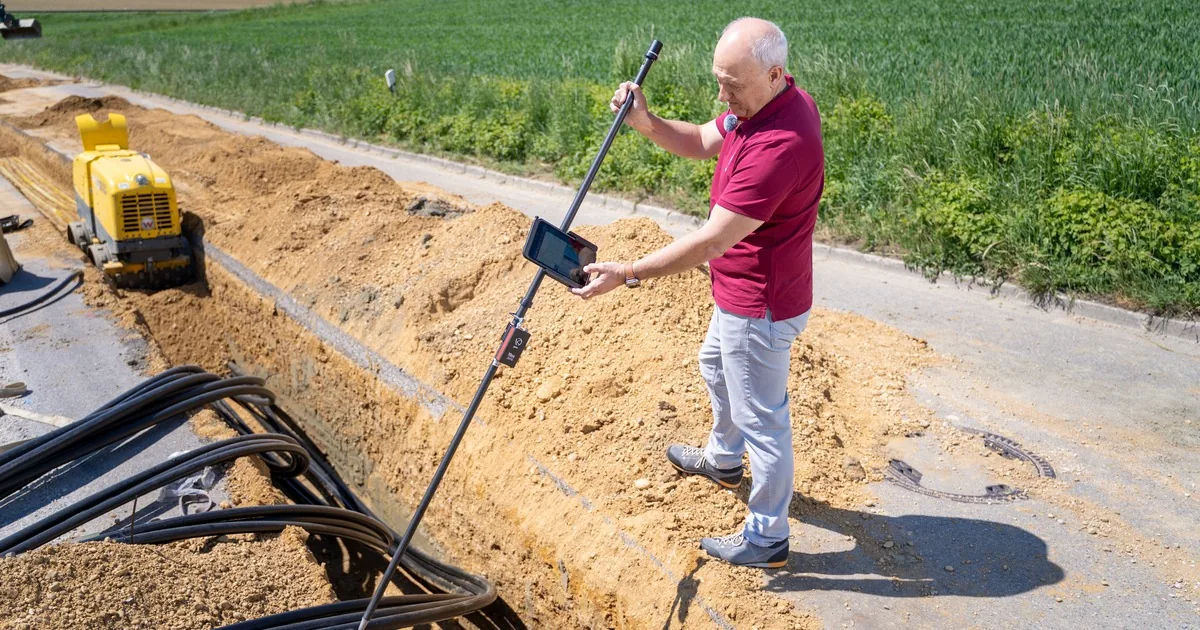
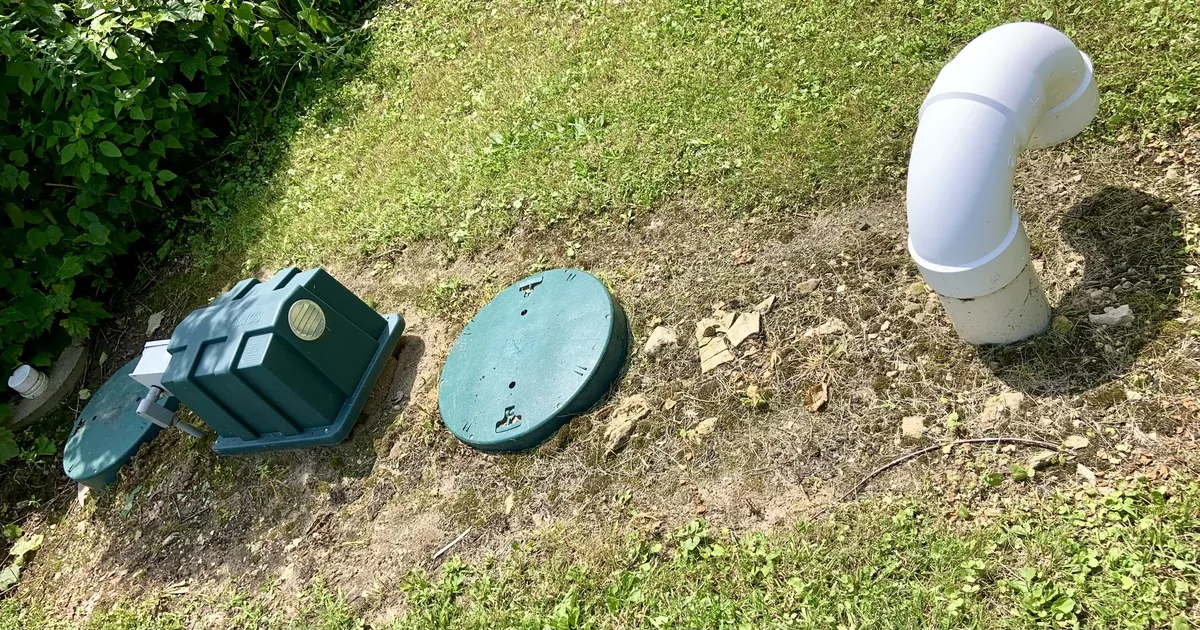
- Do you know where the lid or access risers are, and can you get to them? A buried lid means digging, and digging means more time on site.
- Is there standing water or anything surfacing over the tank or drainfield?
The last two questions do double duty. Tank location and access decide whether the crew brings a shovel and a probe or can pull straight up to an exposed riser. Standing water over the drainfield on a supposedly routine call is a quiet flag that the system may be failing rather than simply full, and that changes the conversation.
Bedroom count deserves a note. Most residential tanks are sized to the number of bedrooms, so a four-bedroom house almost always has a bigger tank than a two-bedroom. When a homeowner has no paperwork and no idea of gallons, "how many bedrooms" gets the dispatcher close enough to send the right truck.
Why access and driveway questions size the truck
A pump truck is only useful if it can reach the tank and hold what comes out. Both limits get set on the phone.
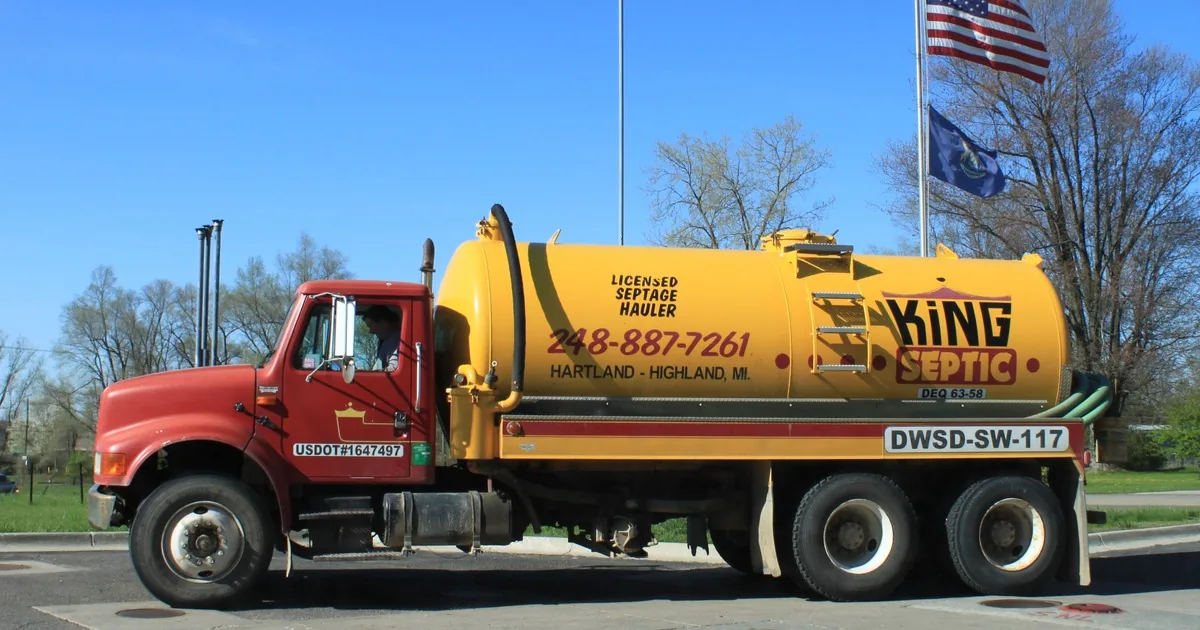
Capacity first. A small truck may need two trips to empty a large or long-overdue tank, and a second trip is a second window of the driver's day. Knowing tank size, last pump-out date, and household size up front lets dispatch send a truck that finishes in one pull.
Then the physical approach. Ask about the driveway: how long it is, whether a heavy truck can get down it, whether there is a gate, a low branch line, a soft spot, or a tight turn. Ask how far the tank sits from where a truck can park, because hose length is finite and a tank two hundred feet behind the house is a different job than one beside the driveway. A rural property with a quarter-mile gravel drive and a locked gate is a plan the office wants before the truck leaves, not a surprise the driver calls in from the road.
Capturing directions to rural properties
Septic work lives where sewer lines do not, which means a lot of these addresses confuse GPS. The pin drops on the wrong side of the road, or a mile up it, or in the middle of a field. Build address confirmation into the call. Read the address back, then ask for the landmarks that actually get a truck there: the color of the house or mailbox, which fork of the county road, the cross street, the gate code, whether to ignore what the navigation says at the last turn. Note where the tank and lid sit relative to the house so the crew is not walking the yard with a probe on arrival.
For the backing-up caller, this matters even more, because the whole point of triage is getting a truck moving quickly, and none of that speed helps if the driver cannot find the driveway.
The call you cannot afford to miss
Routine pumping calls tolerate a callback. Somebody planning ahead for a county deadline will wait a few hours to hear back and does not mind a queue. The backup call is the one with no patience in it, because there is a real mess happening in real time and the caller is standing in it with a phone.
That gap is the argument for making sure every septic call reaches a person or a system that can qualify it, sort the routine from the urgent, and hold the details, at the hour those calls actually come in. Backups do not schedule themselves for business hours. This is where a tool like an always-on answering setup earns its place, catching the after-hours emergency and running the same triage questions a dispatcher would, so the office wakes up to a qualified job instead of a missed number.
The offices that handle this well are not the ones with the most questions. They are the ones that ask the right five in the first thirty seconds, then let the answers decide the truck, the timing, and how fast someone needs to be standing in that yard.