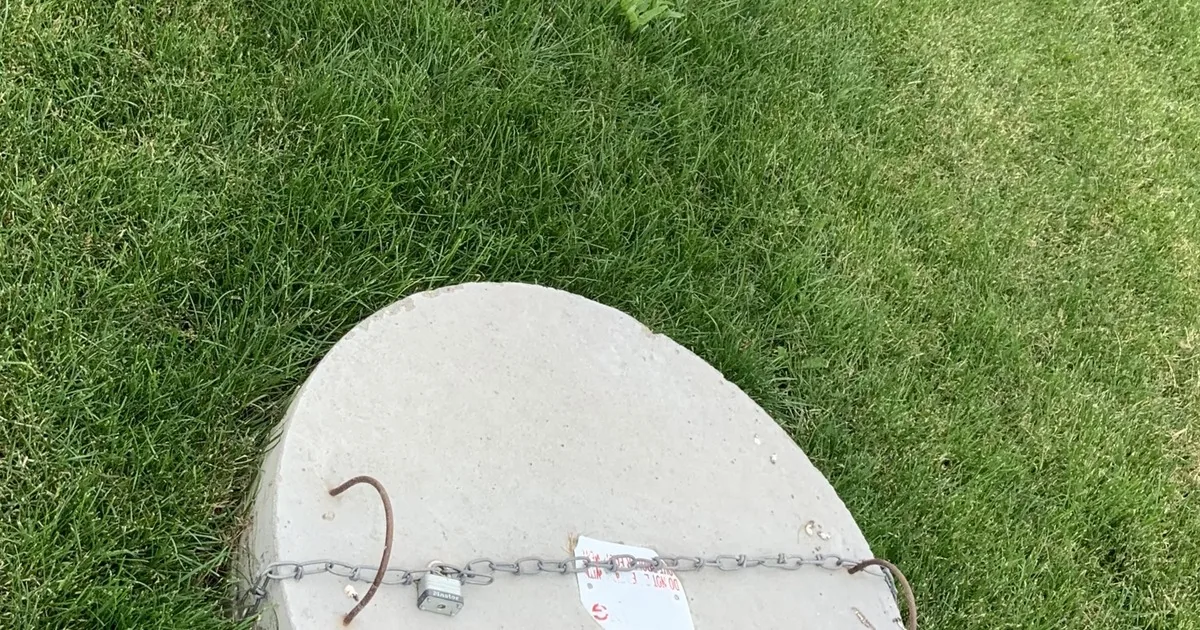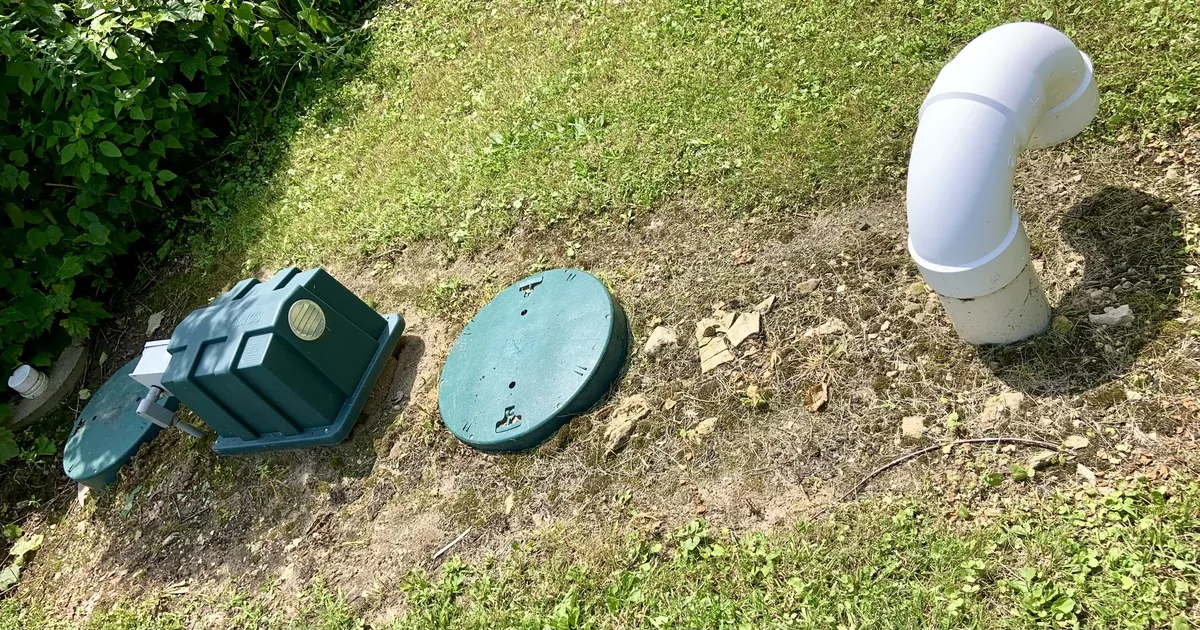
A property manager calls at 8:15 Monday morning. Twelve guests checked out of a lake cabin on Sunday, the cleaner heard a toilet gurgle, and the next family arrives Tuesday afternoon. The owner lives three states away. “Can you pump it before check-in?” sounds like a simple scheduling question, but the office still lacks the facts that decide urgency, scope, and access.
Start with current symptoms. Then record the exact departure and arrival times, recent occupancy, last known service, system records, tank and drainfield location, gate or lockbox instructions, truck access, and a local person who can meet the crew. Offer a service window only after dispatch knows whether the call is routine maintenance, a symptom inspection, or an active wastewater problem.
Do not promise that pumping will fix the complaint or that work will finish before the next guest arrives. A field professional needs to assess the property, and local requirements differ by address.
Screen the property before opening the calendar
The first question should be concrete: “Is wastewater backing up inside or surfacing anywhere outside?”
Ask whether toilets, tubs, showers, or sinks are backing up. Record slow drains, gurgling, sewage odor, an active alarm, damp or spongy soil, and standing water near the tank or drainfield. The U.S. Environmental Protection Agency’s septic FAQ lists those observations among common signs of system trouble. They support a faster route under the company’s policy, but they do not identify the cause.
If wastewater is exposed, keep guests, cleaners, children, and pets away from the area. Follow the company’s approved emergency process. The call handler should never tell someone to open a tank, silence an alarm by changing controls, walk through wet ground, or test a drain by running more water.
For an active alarm, use the deeper septic alarm call-routing guide. For a routine pump-out with no complaint, follow the separate septic pumping intake. The vacation-rental layer comes next: who is there, who is coming, and when the property is accessible.
Put checkout, cleaning, and check-in on one timeline
“Guests leave Monday” is incomplete. Capture the listed checkout time, when the cleaner enters, whether maintenance workers are scheduled, and the next check-in. Ask who controls the calendar and whether it could change while the crew is driving.
A same-day turnover may have only a narrow opening. At 10:00 a.m. the departing guests still have two cars in the drive. At 10:30 the cleaner starts laundry and needs every bathroom. At noon the property manager wants the driveway clear for a linen delivery. A vague “morning access” note hides all of that.
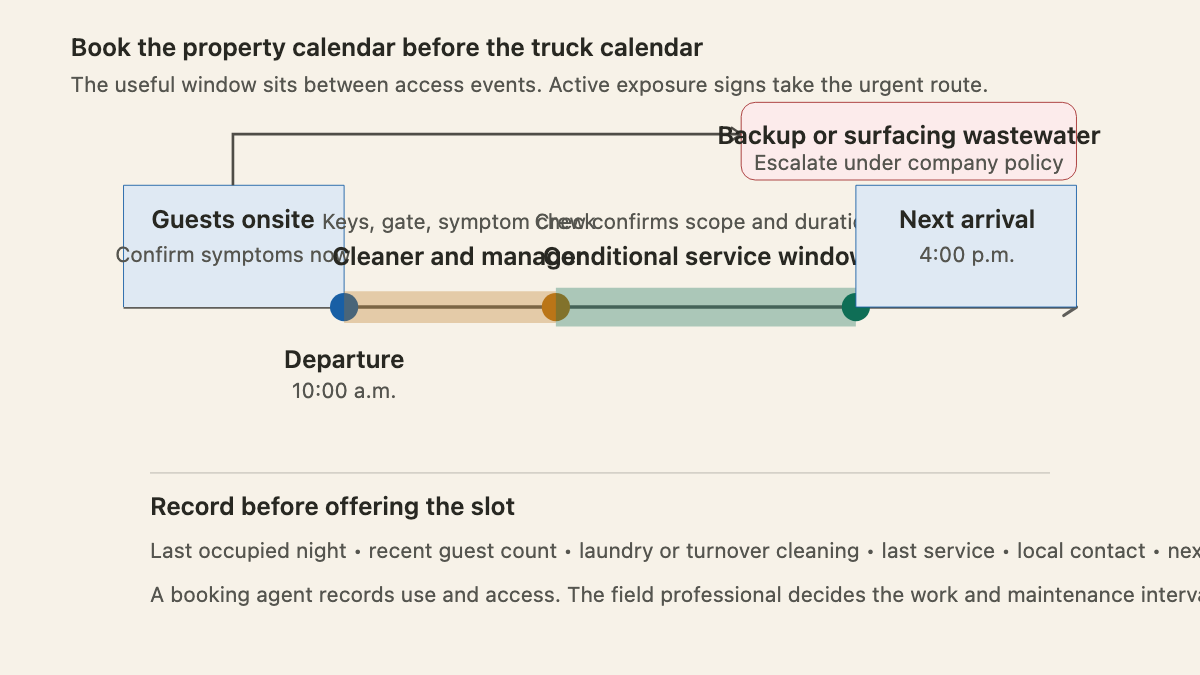
Use exact times, but describe the proposed slot as conditional until the service company confirms scope and duration. If the caller has an active backup, the turnover schedule should not demote the call to routine work. Symptoms come first.
Weather belongs on the note when it affects access. A steep gravel drive may become difficult after heavy rain. Snow can hide lids and narrow a turnaround. Frozen ground may change what equipment or preparation the crew needs. Record conditions the caller can observe and let dispatch decide whether the route works.
Record occupancy as a service fact, not a pumping formula
Vacation-rental use is uneven. A cabin may sit empty for ten days, host two people for a weekend, then hold its listed maximum during a holiday week. “Used seasonally” tells a technician almost nothing.
Ask for the recent pattern the manager can verify: the number of occupied nights since the last vacancy, approximate guest count for those stays, unusually large gatherings, turnover laundry at the property, and any known high-water event such as a running toilet. Mark estimates as estimates. Booking-platform capacity does not prove how many people stayed.
The EPA says pumping frequency depends on tank size, number of people, water-use habits, and accumulated solids. The University of Minnesota Onsite Sewage Treatment Program also ties maintenance planning to people, system size, and water use, and notes that irregular use can matter in cold-weather conditions. Those sources support good intake. They do not create one universal schedule for every rental.
Ask for the last pump-out or inspection invoice. A useful record may show the service date, tank size, system type, lid location, effluent-filter work, technician notes, or a recommended follow-up. Also request the permit drawing or as-built record when the owner has it. If no record exists, write “unknown.”
The receptionist should not tell the manager that a crowded weekend means the tank is full. Nor should a long vacancy be treated as proof that service can wait. The field professional weighs the records, use history, system condition, and local rules.
Build access for an owner who is somewhere else
Remote ownership creates a familiar failure: the truck arrives, the gate is locked, the cleaner has left, and nobody knows where the lids are.
Get a street address that maps correctly, plus the property name if local signs use one. Record the gate code, lockbox location, alarm instructions approved for contractors, parking limits, driveway surface and slope, low branches, narrow bridges, turnaround space, and any seasonal road restriction. Confirm whether the code will still work on the appointment date.
Then locate the system through records, prior invoices, or a knowledgeable local contact. A listing photo of the backyard is weak evidence. Ask for one wide photo showing the cottage and service approach, one photo of visible risers or lids, and a simple marked property image if the owner has one. Nobody should probe, dig, or remove a cover merely to improve the phone note.
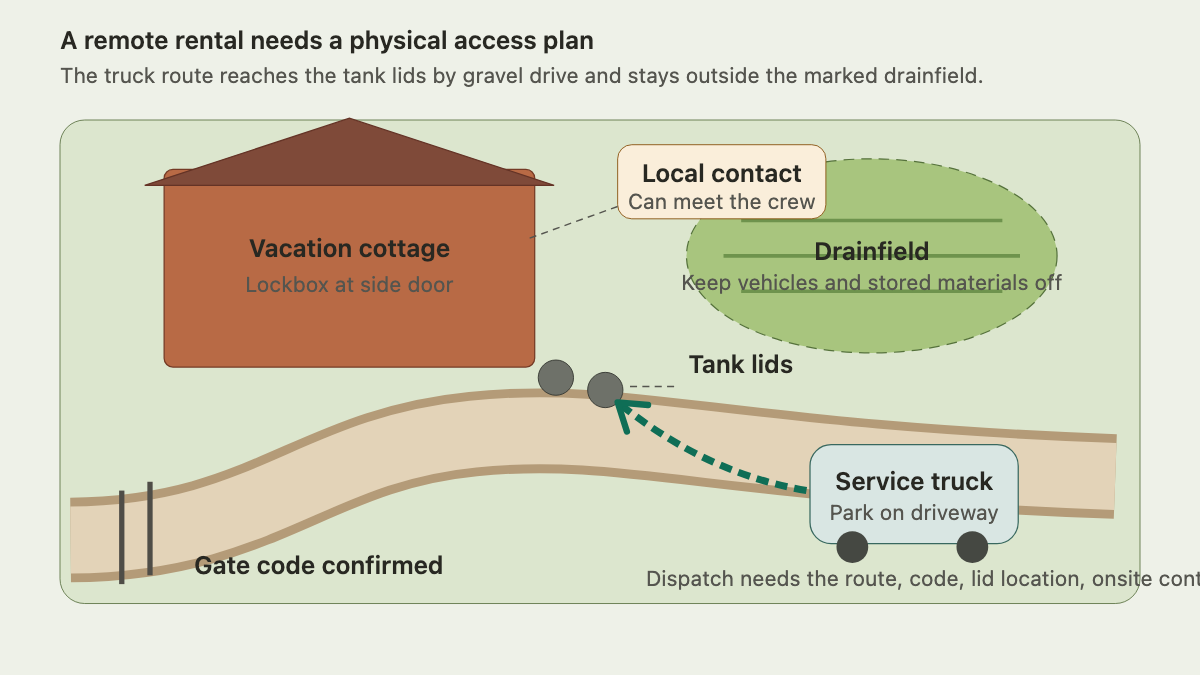
Keep the truck route separate from the drainfield. EPA advises against driving vehicles or heavy equipment over a drainfield because the weight can compact soil and damage pipes. Minnesota’s seasonal guidance gives the same basic warning for tanks, pipes, and soil treatment areas. Dispatch needs a confirmed route to the tank, not permission to cross the treatment area.
Name the person who can solve an access problem in real time. “Owner available by phone” is useful only if the owner will answer. A cleaner, caretaker, neighbor, or property manager may be the better onsite contact. Record the person’s name, number, arrival window, and authority to let the crew in or approve work under the company’s policy.
Separate guest instructions from technical advice
A rental manager can reduce preventable problems by telling guests that the property uses septic and giving short, visible instructions. The EPA’s rental-property septic resources include materials for kitchens and bathrooms. The core message is simple: flush human waste and toilet paper, keep wipes and other trash out of toilets, and keep grease, harsh chemicals, and food waste out of drains.
Keep that conversation separate from the service diagnosis. A guest placard cannot correct a damaged component, saturated drainfield, blocked pipe, or undersized system. An additive is not a substitute for inspection or maintenance. If the caller asks what caused the current complaint, the safe answer is that the crew needs to assess it onsite.
EPA draws a useful responsibility line: the property owner is responsible for system operation and maintenance, while occupants are responsible for proper use. The booking note should therefore identify who owns the service decision and who currently controls the property. On a managed cabin, those may be different people.
Ask whether a county permit, rental registration, inspection notice, or property-management agreement sets a deadline. Capture the document name and exact date. Do not promise compliance or interpret the rule. Local health or environmental authorities control the requirements for the address.
Give the crew one note that survives the handoff
A field-ready dispatch note can read:
“Service requested for Pine Bend Cabin, 28 Shoreline Road. Manager reports gurgling at the downstairs toilet after 12 guests checked out Sunday; no indoor backup, outdoor wastewater, odor, or alarm reported during Monday cleaner visit. Next guests arrive Tuesday at 4:00 p.m. Last invoice shows pumping in May 2023; tank size and current solids level unknown. Two green risers appear on the owner’s marked as-built east of the cottage. Gravel drive has a locked gate; code confirmed through Wednesday. Truck can park at the east turnout without crossing the marked drainfield. Cleaner Maya Chen will meet the crew Tuesday between 9:00 and 11:00 a.m.; manager Luis Ortega can approve additional work by phone. Completion before check-in has not been promised.”
That note preserves observations, records, estimates, access, and authority. It also states the promise the office did not make.
An AI receptionist can capture these fields after hours if the script follows the same boundaries. It should collect the calendar and property facts, flag exposure signs, and hand technical decisions to the service team.
The next crew should know who leaves at 10:00, who opens the gate at 10:30, where the truck can park, and which patch of lawn must stay untouched. That is enough detail to turn a remote cabin call into a workable visit.