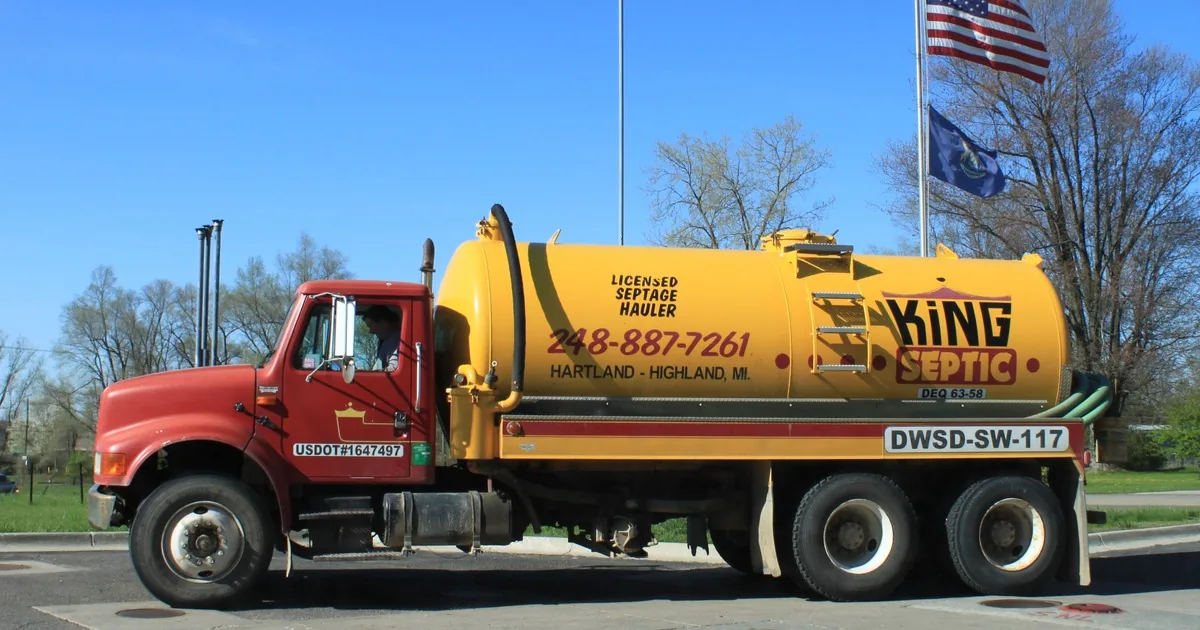
A cafe manager calls between breakfast and lunch: “We need the grease trap pumped. Can you come Thursday?” A date is easy to offer. The harder part is finding out whether the crew is dealing with a small unit beneath a sink, an underground interceptor behind the building, or equipment the caller has never seen.
Before scheduling, identify the device and its location. Record any known size or model, the last service date, current backup or overflow symptoms, access to the lids, a workable truck position, the onsite contact, and the records requested by the local fats, oils, and grease program. Those details turn a generic cleaning request into a usable work order.
Do not promise that pumping will fix a drainage problem or satisfy a local rule. The field crew must inspect the equipment, and requirements vary by sewer authority and address.
Name the device before discussing a service window
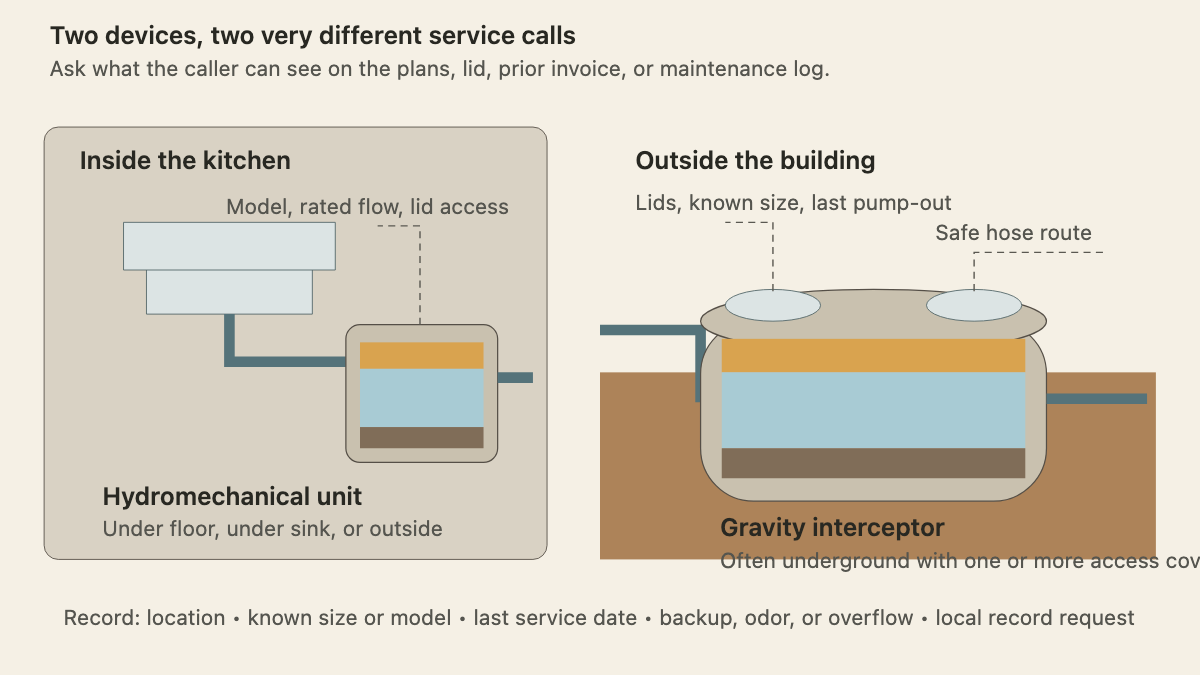
“Grease trap” is often used for several pieces of equipment. The City of Portland’s grease interceptor guidance separates them into two broad types.
A hydromechanical grease interceptor, sometimes called a grease trap, may sit beneath a sink, below the kitchen floor, or outside. Its rating is commonly tied to flow through the connected fixture. A gravity grease interceptor is usually a larger tank outside the building, either above or below ground.
Reception does not need to identify the equipment from a vague description. Ask the caller to check safe, accessible records: a prior pump-out invoice, maintenance log, plumbing plan, permit packet, or equipment label. Useful questions include:
- Is the unit inside the kitchen, below the floor, beside the building, or under a parking area?
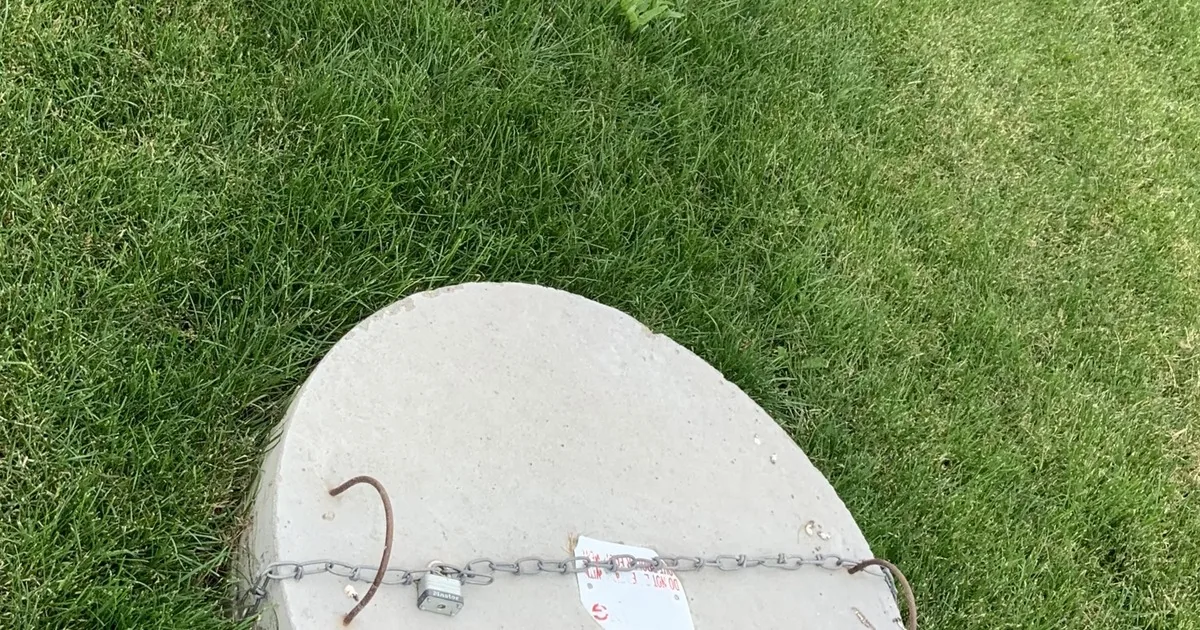
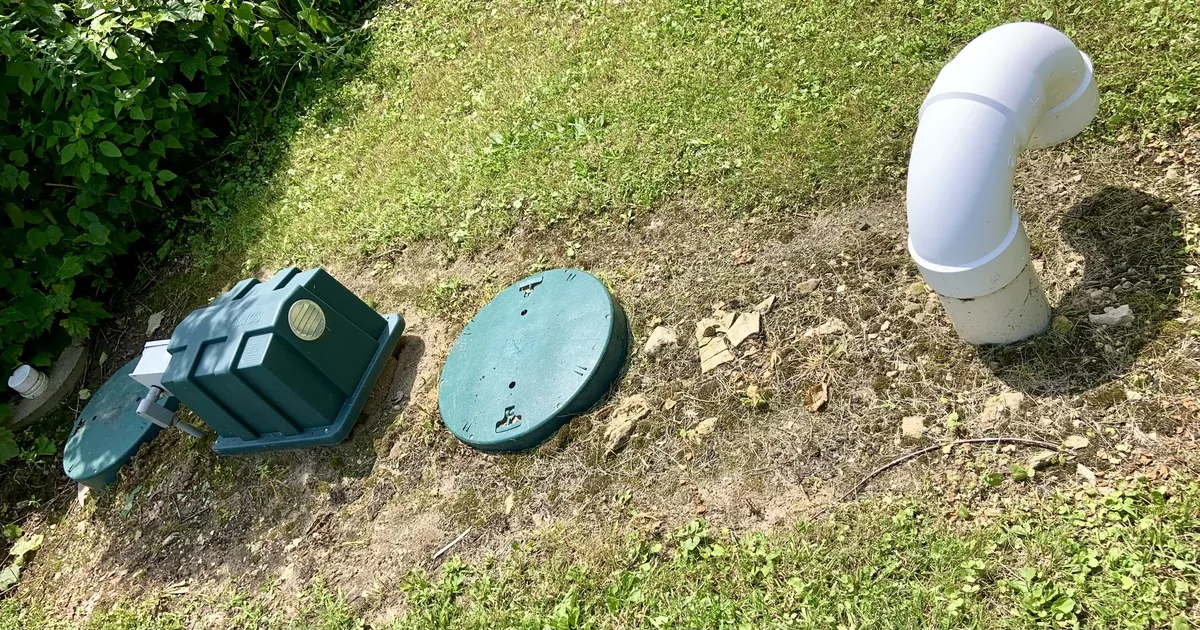
- Are there one or more access covers? Are they exposed, locked, paved over, or hidden beneath stored materials?
- Does a past invoice list gallons, rated flow, a manufacturer, or a model?
- Which fixtures drain to it, if the caller knows?
- Who serviced it last, and on what date?
- Is this routine service, a failed inspection, or a response to odor, slow drainage, backup, or overflow?
Write “size unknown” when the caller cannot find it. An invented tank size can send the wrong equipment or create a quote that falls apart onsite.
Screen symptoms before treating the call as routine
A regular pump-out belongs in the planned schedule. Active wastewater backup or an overflowing device deserves a faster route under the company’s service policy.
Ask where the problem is visible. A caller may report slow floor drains in the kitchen, a sink that will not empty, wastewater around an outdoor access cover, a strong odor, or a complaint from a neighboring tenant. Record what they see and when it began. Avoid translating the observation into a diagnosis.
Portland warns that a poorly maintained interceptor can allow fats, oils, and grease to pass into sewer lines. Its guidance also identifies private drain blockage, backup, and odor among the problems associated with poor maintenance. That supports an urgency screen, but it does not prove that every slow drain is caused by a full interceptor.
For an active overflow, keep employees and customers away from the affected area and follow the company’s approved safety and escalation procedure. Do not direct a caller to remove a heavy lid, reach into a trap, add chemicals, or enter a confined space. Portland specifically prohibits additives in grease interceptors within its jurisdiction because they can move FOG farther into the sewer system. Other cities write their own rules, so the work order should name the property’s sewer authority when known.
If the caller reports a wider building drain problem, say so in the dispatch note. The crew may need a different service line, additional equipment, or coordination with a commercial plumber.
Map the truck route to the equipment
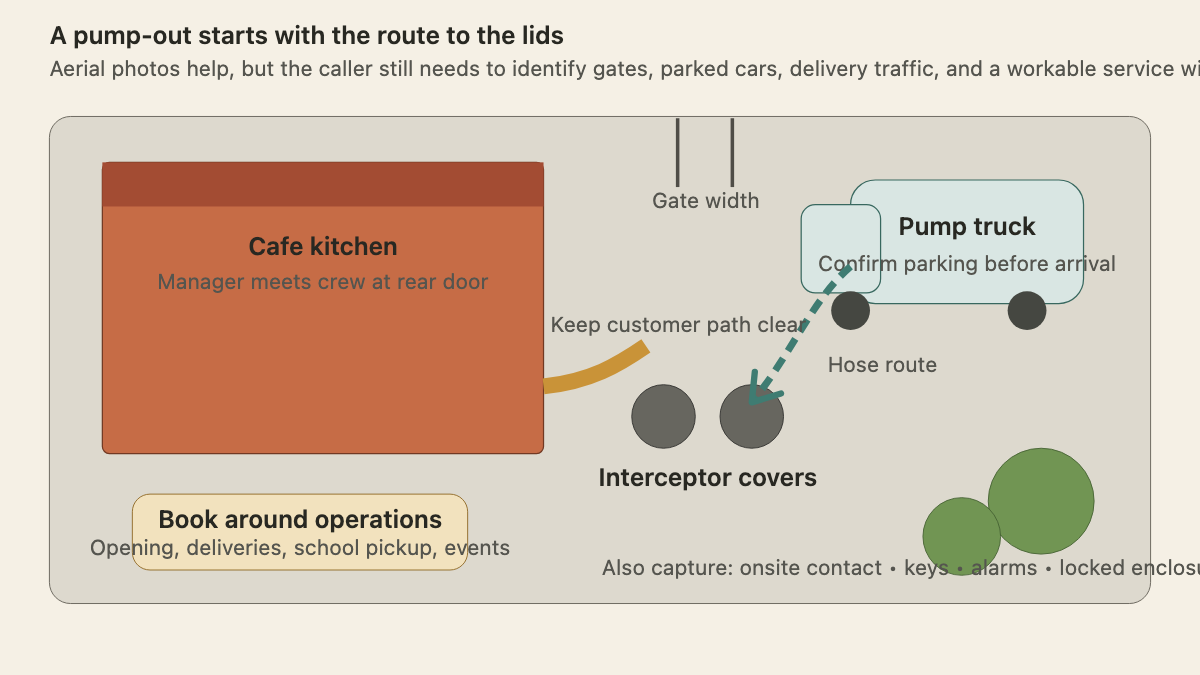
The most useful access question is concrete: “Where can the pump truck stop while the hose reaches the covers?”
Small commercial properties are rarely empty lots. A bakery may share a rear alley with three tenants. A daycare has locked gates and pickup traffic. A church kitchen may host one event a week, while the parking lot is full for an hour before it starts. A strip-mall restaurant can have a dumpster enclosure between the service lane and the interceptor.
Capture the proposed truck position, surface type, gate width, overhead restrictions, hose path, steps, curbs, locked enclosures, parked vehicles, delivery times, and pedestrian traffic. Ask whether the lids are accessible without crossing a dining area or food-preparation space. If the route passes a public walkway, note the busiest times.
Photos help. Request one wide photo that shows the building and approach, plus a closer photo of the covers or equipment. The caller should take them from a normal standing position in a safe area. A tight picture of a metal lid gives the crew little sense of the route around it.
Confirm who can unlock the gate, move a vehicle, silence an alarm, or show the technician the maintenance records. “Manager on duty” is incomplete when three managers rotate. Record a name and reachable number.
Schedule around the property’s actual operations
“Any morning” can mean before customers arrive, after food preparation starts, or during the only delivery window. Ask for the hours when the kitchen operates and the narrower periods when service can happen safely.
A coffee shop might need work completed before its morning rush. A school cafeteria has class schedules, loading controls, and a specific facilities contact. A convenience store may be open around the clock but still have a quiet receiving period. Record the constraints instead of promising a duration the crew has not approved.
Ask about upcoming health inspections, sewer-authority deadlines, tenant turnover, catered events, and planned closures. If a deadline exists, capture the exact date and the document that created it. “The inspector said soon” does not tell dispatch whether the property has two days or two weeks.
The person authorizing the work may differ from the onsite contact. For a leased storefront, confirm whether the caller is the tenant, property manager, owner, or maintenance coordinator. Record who can approve additional work if the crew finds inaccessible lids, damaged components, or a scope that differs from the original request. Keep that authorization question separate from technical findings.
Ask for the records before the truck arrives
The U.S. Environmental Protection Agency’s FOG training overview explains that local programs can use permitting, fees, outreach, and enforcement for food service establishments. There is no single national service form that replaces the local program.
Portland requires a cleaning report after every interceptor cleaning or pump-out. The City of Pleasanton’s maintenance log is another concrete example: it is designed to record pumping, cleaning, inspection, and maintenance activity.
Ask the caller which agency oversees the address and what record is due. The answer may be on a prior inspection notice, sewer bill, permit, or maintenance log. Capture the agency name, case or account number, due date, required form, submission method, and whether the service company is expected to file it.
Cleaning frequency also needs a local answer. Portland says frequency depends on the establishment type, interceptor size, and discharged flow. A receptionist should not offer one universal interval to every deli, church kitchen, school, and cafe. Book the requested service, collect prior records, and flag frequency questions for the responsible program or field professional.
Give dispatch one note that can survive the handoff
A field-ready note should answer who requested the job, what equipment is known, why the call happened today, where the crew can work, and which record must come back.
A useful note can read:
“Routine pump-out requested for Lakeside Cafe, 84 Harbor Street. Caller is tenant manager Lena Ortiz; property manager approved standard service by email. Prior invoice identifies an outdoor gravity interceptor, listed as 1,000 gallons, with two covers behind the dumpster enclosure. Last service shown on invoice: May 12. No backup or overflow reported; intermittent odor near rear door began Monday. Truck may use east loading lane before 9:30 a.m. Gate opens to 11 feet; manager will unlock it and move one employee vehicle. Hose route is about 70 feet across level asphalt, based on caller estimate. City cleaning report requested after service. Lena will meet crew and has the prior invoice onsite.”
The note separates records from estimates and observations from findings. If your company also handles residential septic work, keep this intake distinct from septic pumping appointment intake. A commercial interceptor call brings operating hours, FOG-program records, shared access, and delivery traffic into the schedule.
An AI receptionist can collect the same fields after hours, but the policy should stay narrow. Capture the device, symptoms, access, contact, and documentation. Leave sizing, diagnosis, compliance decisions, and repair recommendations to the people responsible for them.
The crew should arrive knowing which gate opens, where the lids are, who has the key, and what paperwork the city expects afterward. That is what a good pumping call produces.