A call about a septic inspection before a home sale usually comes with a deadline attached. An agent may be trying to clear an inspection contingency. A seller may have been told to arrange service before closing. A buyer may want an independent look at the system. Each caller knows a different part of the story, and the first person who answers the phone has to turn those pieces into a workable appointment.
The office needs to identify the property, understand who requested the inspection, confirm the likely scope, and find out whether the tank can be reached. Ask for the closing date first because it affects scheduling, pumping availability, and report delivery.
Start with the closing date and the source of the requirement
Ask for the scheduled closing date at the beginning of the call. Record any earlier inspection contingency, appraisal, or document deadline too. A sale that closes "next month" may still need a report within a few days.
Next, ask who requires the inspection. The request may come from a buyer, seller, real estate contract, lender, local authority, or another party involved in the transaction. This detail gives the office a starting point for confirming the work requested.
Inspection scope varies by county, lender, property, and transaction. A request may involve locating the tank, exposing access points, pumping, checking components, or completing a specific form. Confirm the requirements with the appropriate authority or document for that sale.
Identify the caller's role and authority
The caller may be the homeowner, listing agent, buyer's agent, buyer, property manager, or closing coordinator. Record the role and ask who is authorized to approve the appointment and any related work.
Authorization matters when the work could involve digging, opening lids, pumping, entering a gated property, or coordinating with an occupant. A buyer may be able to order an inspection without having authority to approve excavation.
Capture callback details for the caller and the person who can approve access or added scope. If your company uses written authorization, explain what must be signed and who should receive it.
Confirm the address, county, and property details
Get the complete service address, including unit, parcel, or rural route details when applicable. Confirm the county instead of relying on the city or mailing address. Local requirements and available records may depend on the property's actual jurisdiction.
A few property details help the office prepare the right appointment:
- Number of bedrooms
- Known system type, such as conventional, aerobic, mound, pressure distribution, or another design
- Approximate tank location, if known
- Whether the property has more than one tank or treatment component
- Any permit, as-built drawing, inspection report, or pumping record the caller can provide
Gather background for the technician without asking the caller to diagnose the system.
Ask whether the tank is marked and accessible
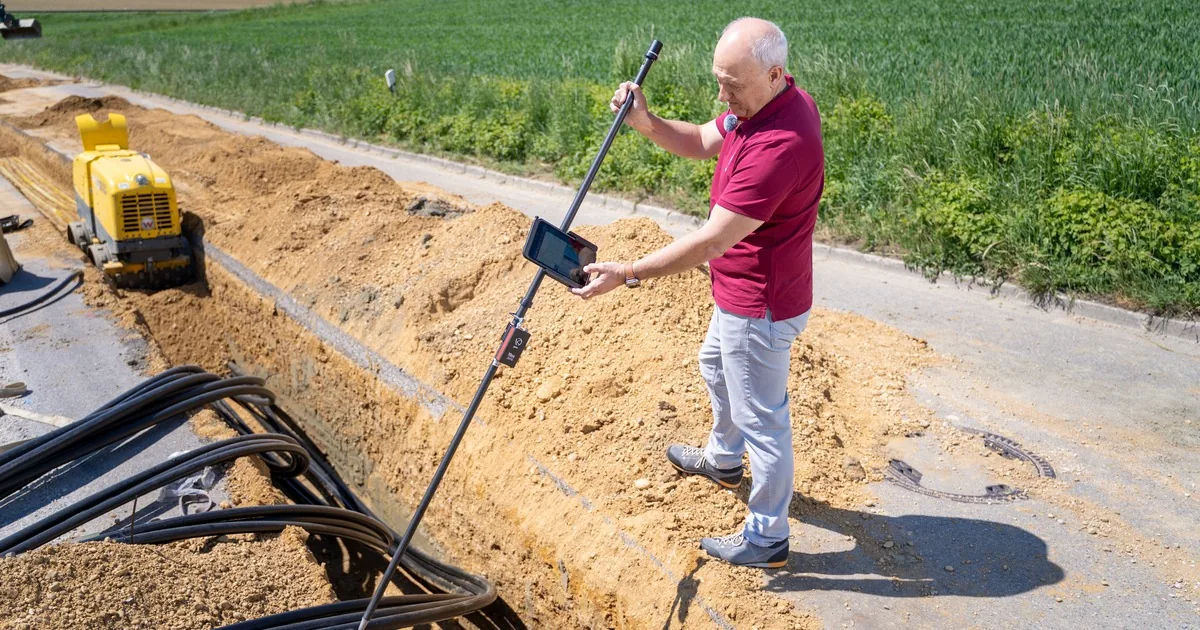
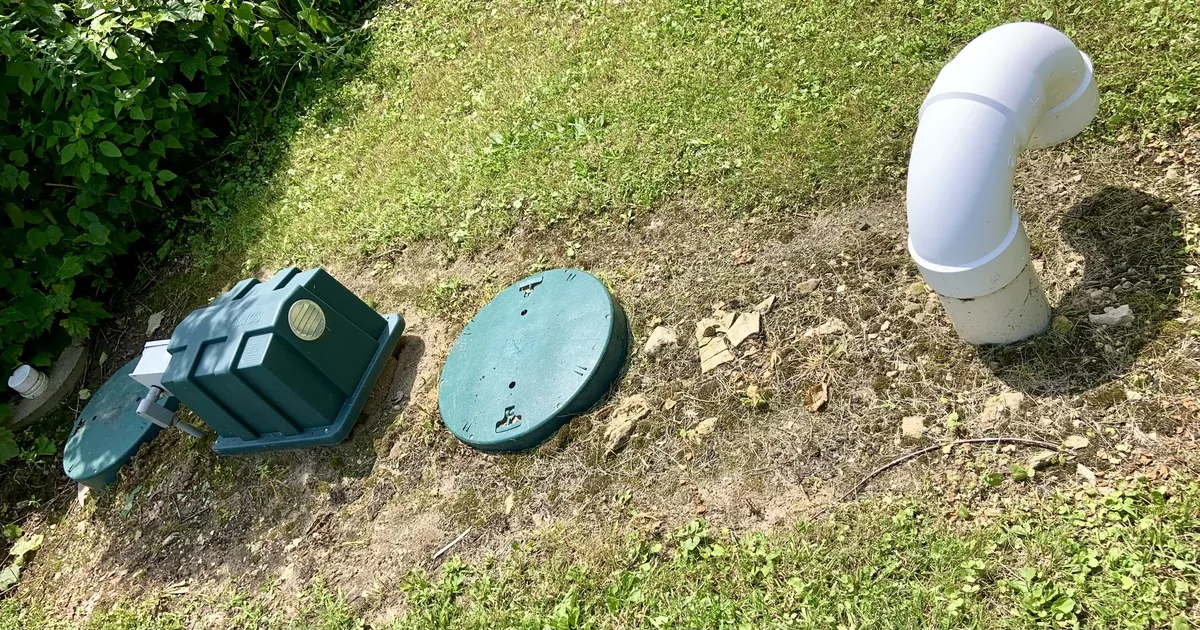
Tank locating can change the time and equipment needed for the visit. Ask whether the tank and access lids are marked, exposed, and reachable. "We know where it is" can mean there is a visible riser, or it can mean someone remembers a general area behind the house.
Record practical access details. Is the tank under soil, landscaping, a deck, pavement, or another obstruction? Are there locked gates, animals, steep grades, narrow drives, or parking restrictions? If lids must be uncovered before arrival, state that policy during scheduling.
The office should also determine whether pumping is part of the requested scope. Some inspection procedures or transaction requirements may call for it, while others may not. If pumping is needed, confirm whether it can be scheduled with the inspection and whether access is suitable for the pumping vehicle.
Review service history, occupancy, and current conditions
Ask when the tank was last pumped and whether records are available. A service receipt may identify tank size, location, access conditions, and prior work. The current visit still has to follow the scope ordered for the sale.
Occupancy affects what the technician encounters. Find out whether the home is occupied, vacant, seasonally used, or newly renovated. Ask about recent water flow, especially if the property has been vacant or the water has been shut off. Record the answer without promising how it will affect the inspection. The technician or the party setting the inspection standard can decide whether additional preparation is needed.
Ask whether anyone has noticed slow drains, backups, sewage odors, wet areas, surfacing effluent, alarms, or recent repairs. These details deserve a clear note on the job. They may affect dispatch instructions or the work the technician recommends after arriving, but the person taking the call should not interpret symptoms or declare the system acceptable for a sale.
Set expectations for reports and communication
A completed field visit does not always mean the transaction file is complete. Ask who should receive the report and how it should be delivered. The recipient may be the caller, homeowner, buyer's agent, lender, attorney, title company, or several approved contacts.
Confirm recipient details and any loan, transaction, or property reference for the paperwork. Ask whether the requesting party supplied a form. Record the report deadline separately from the closing date.
Avoid promising approval, certification, or a guaranteed delivery time unless your company's process supports that promise. The technician documents field findings. The relevant lender, county office, buyer, or other authority decides whether the report satisfies its requirements.
Use an AI receptionist to support consistent intake
Real estate calls often arrive while the office is dispatching crews or helping customers at the counter. An AI receptionist can collect the same scheduling details on every call, route urgent deadlines to the office, and place structured notes into the follow-up queue. It can also ask for missing access instructions or the correct report recipient before a staff member calls back.
Its role should stay within intake and scheduling. An AI receptionist should not decide which inspection a county requires, interpret symptoms, authorize work for a property owner, or tell a caller that a system will pass. Those decisions belong to qualified staff, technicians, property owners, and the authorities governing the transaction.
For a septic service company, the useful handoff is specific: who called, why the inspection was requested, when the report is due, what is known about the system, and what must happen before the technician arrives.
Final qualifying-questions checklist
Use this checklist for every septic system inspection before a home sale call:
- What is the scheduled closing date?
- Is there an earlier inspection, contingency, appraisal, or report deadline?
- Who or what requires the inspection: buyer, seller, contract, lender, county, or another party?
- What is the caller's role in the transaction?
- Who owns the property, and who can authorize access, digging, opening lids, pumping, or added work?
- What is the complete property address and county?
- Is the tank location known, and is it marked?
- Are lids or risers visible and accessible?
- Are there gates, animals, tenants, terrain issues, parking limits, or other access notes?
- How many bedrooms does the home have?
- What system type is installed, if known?
- Are there multiple tanks or treatment components?
- When was the tank last pumped?
- Are pumping receipts, permits, as-built drawings, or prior inspection records available?
- Is the property occupied or vacant?
- Has there been normal water flow, or has the water been shut off?
- Have there been slow drains, backups, odors, wet areas, alarms, surfacing effluent, or recent repairs?
- Does the requested inspection include tank locating or pumping?
- Who should receive the report, and by what date?
- Is there a required lender, county, or transaction form?
- What is the best callback number?
- Who will provide property access, and what instructions should the technician receive?