A real estate agent calls at 4:40 on Friday. The inspection contingency ends next Thursday, the buyer wants “the well checked,” and nobody on the call knows whether that means a mechanical inspection, a water sample, a flow test, or all three. If the office books a generic one-hour visit, the contractor may arrive without the right scope, access, records, or laboratory plan.
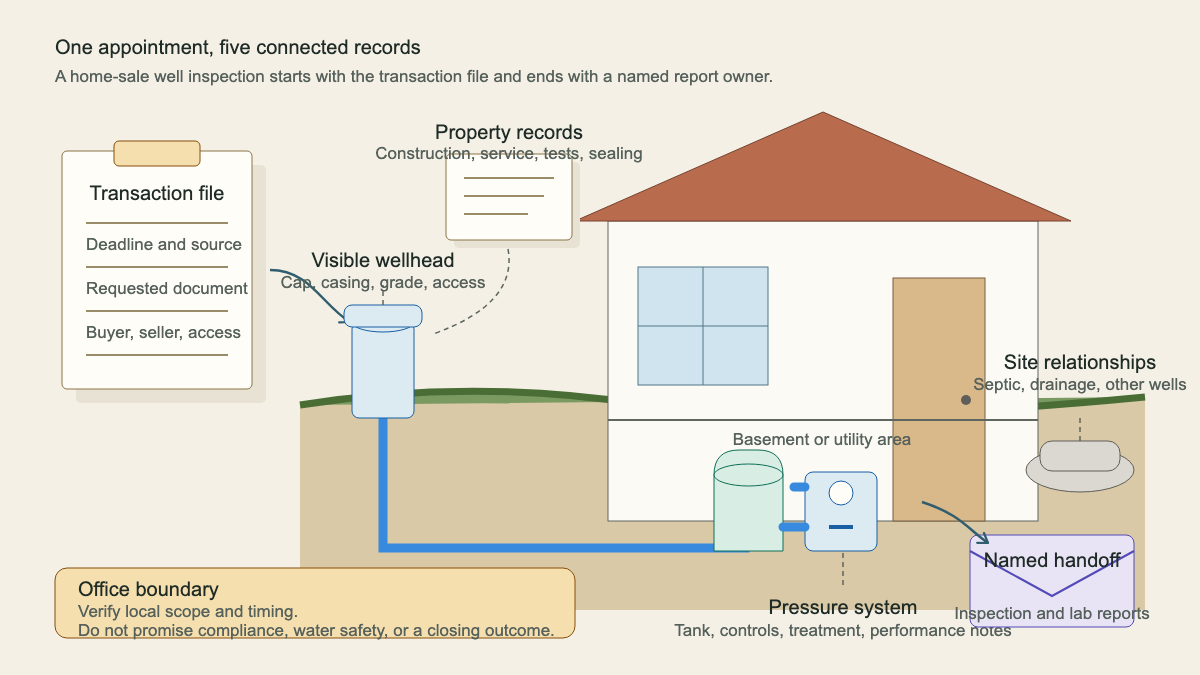
A well inspection before a home sale should be scheduled around five facts: the controlling date, the requested deliverables, the property and well records, access to every relevant component, and the people authorized to receive the results. Keep the mechanical inspection and water testing as separate line items. Requirements differ by jurisdiction, lender, and contract, so the office should capture the request without interpreting the purchase agreement or promising that the property will pass.
Start with the date that controls the appointment
“Closing is next month” does not tell the scheduler enough. Ask which date actually matters. It may be an inspection-contingency deadline, a lender document deadline, a repair negotiation date, or the closing date itself. Record the date, who supplied it, and the exact document the caller expects by then.
The inspection appointment and the final report may happen on different days. Laboratory results can follow their own timetable. A contractor should never promise a report date until the field schedule, requested tests, laboratory process, and review requirements are known.
Capture the transaction roles too. Is the caller the buyer, seller, agent, property manager, lender representative, or attorney's office? Who is ordering the work? Who owns the property? Who can authorize entry and payment? Who should receive the inspection form, laboratory result, estimate, or invoice? A hurried caller may say, “Send everything to everyone.” The office still needs names, email addresses, and permission to release each document.
Define what “inspect the well” means on this job
A private-well transaction can involve several distinct services. A visual and mechanical inspection looks at accessible well and pressure-system components. Water testing sends a properly collected sample to a certified laboratory. A flow or yield assessment considers available water and system performance. A records review may identify construction details that cannot be seen in the yard. A search for unused wells can add another field task.
Those services should not be collapsed into one vague appointment. The Wisconsin Department of Natural Resources, for example, separates the visible well and pressure-system inspection, water sampling, and search for unused wells in its property-transfer guidance. It also notes that buried features such as casing depth may require records research or further investigation. Wisconsin's rules apply in Wisconsin, which is exactly why the service address belongs near the top of the intake.
Ask the caller to send the relevant contract or lender language if company policy allows it. The office can use that text to identify requested services. It should not offer a legal interpretation. When the wording remains unclear, route it to the qualified field professional or ask the caller to obtain written clarification from the lender, agent, attorney, or local authority.
Water analysis deserves its own order. The CDC advises private-well owners to use a state-certified laboratory. The required panel can vary by location and transaction. Record any named contaminants or lender forms exactly as provided, then confirm that the laboratory and sampling procedure fit the request. The related guide to private-well testing before a home purchase covers sample collection and laboratory handoff in more detail.
Gather the records before the field visit
Ask for any well construction report, pump or pressure-tank invoice, treatment-equipment record, prior inspection, laboratory result, repair history, and unused-well documentation. Old records may use an earlier street number, parcel description, or previous owner's name. Save those identifiers with the job.
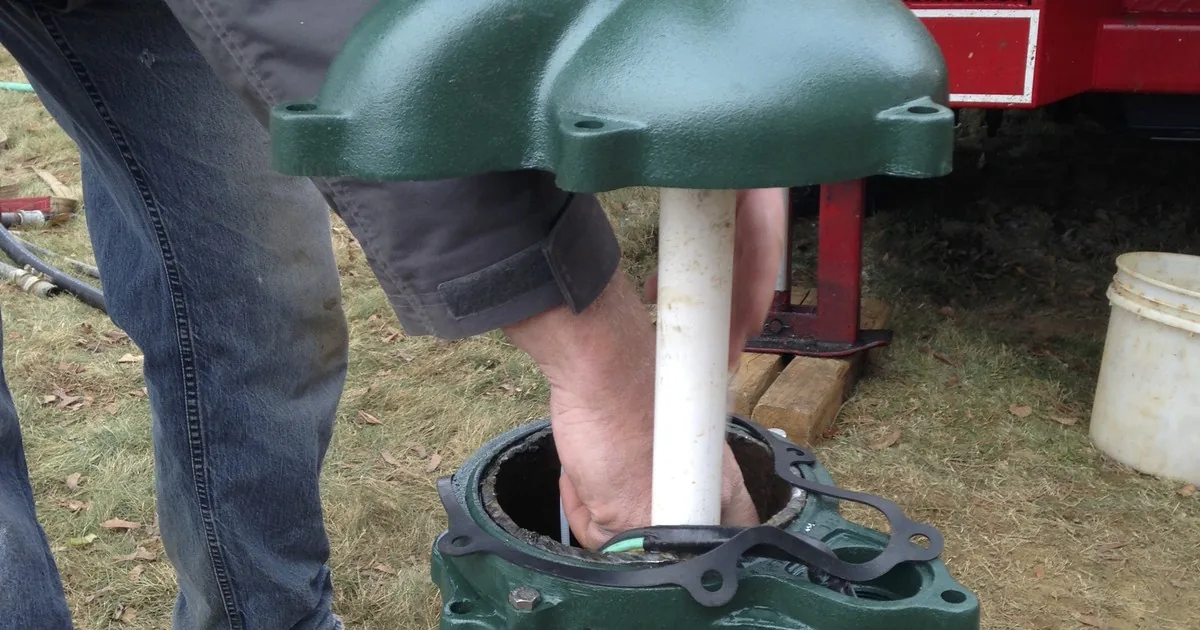
The EPA recommends keeping records of well maintenance and checking exposed components for a damaged casing, missing cap, or cracked surface seal. Those records help the inspector compare the visible system with its history. They do not replace the field visit.
A useful intake note should answer these questions:
- How many known wells are on the property, including irrigation or unused wells?
- Where is the active wellhead, and is it visible above grade?
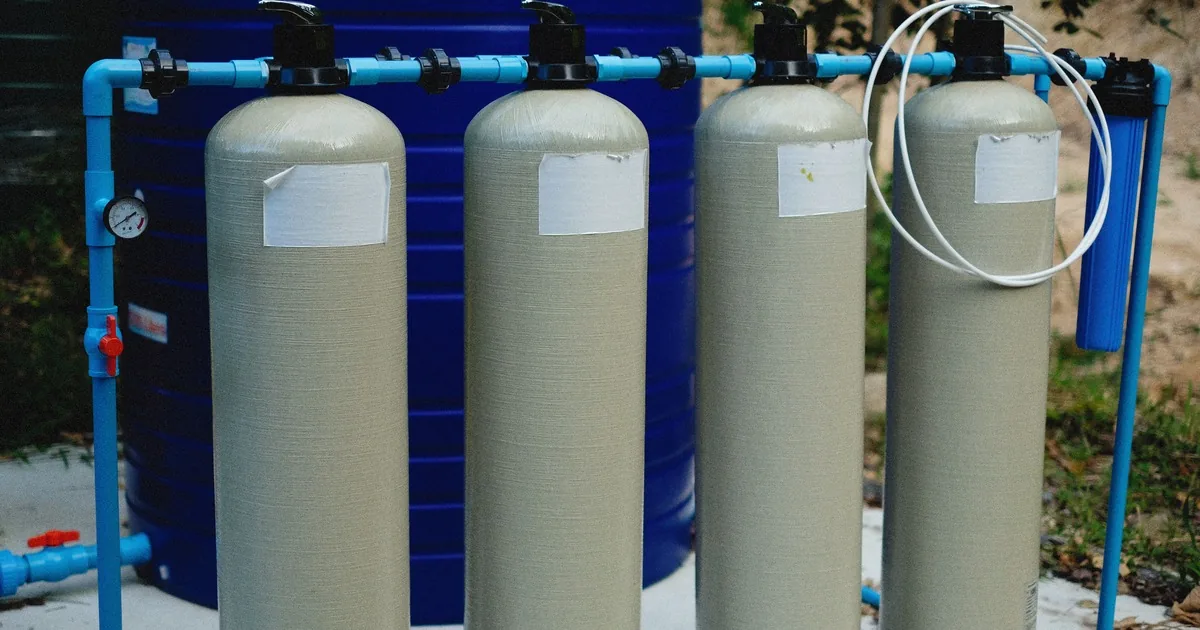
- Where are the pressure tank, controls, treatment equipment, and sample taps?
- Has the owner noticed low pressure, cycling, discoloration, odor, sediment, noise, or recent loss of water?
- Has the well, pump, tank, plumbing, septic system, or surrounding grade been altered?
- Are prior construction, service, testing, or sealing records available?
- Does the requested scope include water testing, flow assessment, or a specific lender form?
Do not ask the receptionist to diagnose a pump, declare the water safe, or decide whether a visible condition meets code. The office is building an accurate work order.
Map access across the whole property
A lockbox code at the front door may open the house while leaving the wellhead behind a locked gate. The pressure tank might sit in a crawlspace, detached garage, utility room, or buried vault. Treatment equipment may be in another building. Tall grass, stored materials, snow, or a vehicle can block the outdoor component.
Confirm who will provide access and whether that person must attend. Ask about gates, alarms, dogs, tenants, crawlspace hatches, locked mechanical rooms, and detached structures. If the property is vacant, verify that electrical power and water systems are in the condition required by the contractor's inspection procedure. Do not tell the caller to energize damaged equipment or enter an unsafe area.
Site relationships can matter during the inspection, but the office should record observations without measuring compliance by phone. Ask whether the caller knows the locations of the septic tank and drain field, fuel tanks, livestock areas, surface water, chemical storage, and unused wells. The field professional can decide what must be examined under local rules and the ordered scope.
If the caller reports a broken cap, cracked casing, standing water around the wellhead, or recent flooding, flag it for review before the routine appointment. The EPA advises owners to test after significant nearby changes and to seek qualified help after flooding. A damaged-cap or casing concern may also need the more focused well cap and casing repair intake.
Keep the inspection report and laboratory result separate
A visual inspection cannot prove that water is safe. A passing sample cannot prove that the pump, pressure tank, casing, wiring, or site arrangement is sound. Each deliverable answers a different question, and both have limits.
This distinction should appear in the confirmation message. List the booked services, the components that need access, the records requested, the expected field date, and the intended recipients. State that laboratory timing and any follow-up recommendation will be communicated separately. If a lender or local authority supplied a form, name it.
Results also need a controlled handoff. Confirm whether the customer wants the inspection form, laboratory report, photographs, repair estimate, invoice, or all available documents. Record who may receive each one. When a finding prompts repair work, open a separate estimate or service process instead of quietly expanding the inspection appointment.
The field report may identify a visible concern without establishing what is buried. Wisconsin DNR's guidance is unusually clear on this point: some construction details and potential contamination sources cannot be seen without opening the well, excavating, or researching records. Scheduling language should preserve that boundary.
Build a dispatch note that survives a busy closing week
A workable note sounds like this: “Buyer agent ordered a mechanical well and pressure-system inspection plus the lender's stated water panel. Inspection contingency ends October 8; requested reports are due to the buyer by October 6. Seller approved access through the listing agent. One active domestic well is known. Wellhead is behind the detached garage; pressure tank and treatment equipment are in the basement utility room. Septic location is marked on a survey. Construction report, 2024 pump invoice, prior bacteria result, lender form, and recipient list are attached. No active leak, power loss, or recent flooding was reported.”
That note gives dispatch and the field professional a common picture. “Real estate well check, urgent” does not.
Before ending the call, repeat the ordered scope and deadline. Confirm access, records, service address, billing party, callback number, and report recipients. If any item remains unresolved, assign its owner and due time. A transaction can tolerate an honest open question much better than a technician discovering a locked pump room two days before the contingency expires.
An AI receptionist can collect these fields after hours and route deadline-sensitive calls under the contractor's rules. The same limits apply: capture the transaction request precisely, keep inspection and testing separate, and leave compliance findings, water-safety decisions, and contract advice to qualified people.