Nobody plans a junk removal job three weeks out. Something forces it. A tenant moves out and leaves a sectional in the living room. The garage finally crosses the line from cluttered to unusable. A closing date gets moved up and the basement has to be empty by Friday. The customer decides in the moment, searches "junk removal near me," and starts dialing.
They will call whoever answers. There is almost no brand loyalty in hauling, and the caller has three tabs open. If your phone rings out, the next company on the list picks up and gets the load.
Same-day intent has a short shelf life
Most home-service trades give you a little breathing room. A homeowner pricing a roof or a kitchen remodel will wait a day for a callback, because the project is months long and they expect to shop it carefully. Junk removal does not work that way. The caller is standing in the driveway looking at the pile right now, and the thing they want is a truck this afternoon.
That compresses the whole sales cycle into one phone call. A follow-up email on Tuesday reaches someone whose garage has been empty since Saturday. The lead exists for the length of one ring cycle, and then it belongs to somebody else. Missed calls are one of the quietest ways work walks out the door for home-service SMBs, and in hauling the leak is worse than average, because the same urgency that makes the customer call also makes them impatient enough to keep dialing.
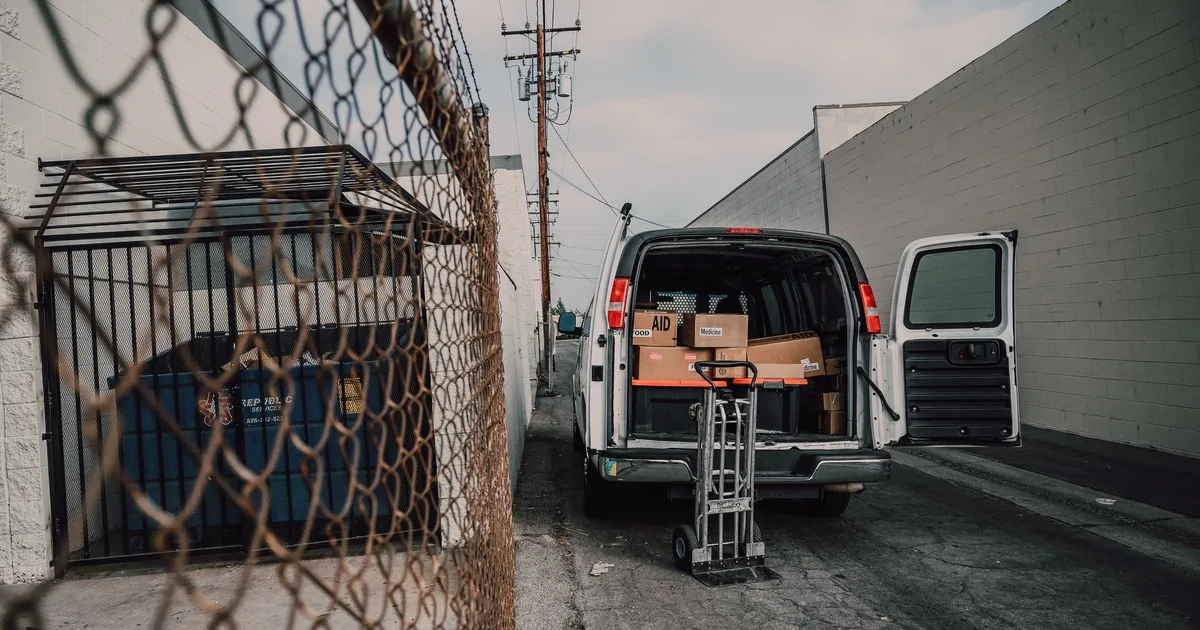
The other problem is structural. The phone rings hardest between about 8 a.m. and 4 p.m., which is exactly when your crew is on a job, wrestling a hot tub through a side gate, or waiting in line at the transfer station. The people best equipped to answer are the people least able to. Voicemail catches the call, and most same-day callers will not leave one. Why would they? They need a truck, not a message box.
This is where an AI receptionist actually fits the trade. It answers on the first ring while both trucks are loaded, it works at 6 a.m. and 8 p.m., and it captures the details dispatch needs to decide whether the job fits today.
Triage against the truck you have left
A hauling day is measured in truckloads, not appointments. That changes what a booking call is for. Dispatch has to answer a capacity question: does this fit in what is left of the trailer after the 2 p.m. cleanout, and can the crew still make the transfer station before it closes.
You cannot answer that without volume, location, and access on the intake. A half-truck curbside pickup fifteen minutes from the last stop is ideal filler for the back end of a day. A full-load basement cleanout up two flights of stairs is a next-morning job with a dedicated crew and a fresh empty truck. Both are good work. Booking them into the wrong slot is how a crew ends up making an unpaid second dump run at 6:30 p.m. or telling a customer at the door that the truck is already full.
Transfer station and landfill hours are the constraint people forget to build into intake. If your disposal site closes at four, a job that loads at three is only viable if it is small enough to hold overnight or close enough to make the cutoff. Capturing the address and a rough volume on the first call lets dispatch sequence the day around that deadline instead of discovering it in the cab.
Good intake also sorts the same-day requests from the flexible ones. Plenty of callers say "as soon as possible" and mean "sometime this week." Asking directly whether they need it today or whether a scheduled day works turns a scramble into a schedule.
Estimating volume over the phone without quoting a price
Customers do not think in cubic yards. They think in objects. So the intake has to translate: get a real item list, then convert it into a truckload fraction.
A sofa, a mattress, and eight boxes is a quarter load. A two-car garage packed shoulder height is a full truck and probably more. Ask what the items are, roughly how many, and whether the pile is one room or spread across the property. Ask whether anything is oversized or heavy in a way that changes the crew size: a piano, a safe, a shed, a hot tub, exercise equipment that has to come apart before it comes down the stairs.
Then hold the price line. The right move on a hauling call is an honest range framed by what changes it, with the firm number set on arrival once the crew sees the pile. Something like: "For that list I would expect somewhere in a quarter to a third of a truck, and the crew will confirm the exact price before they load anything, so there is no surprise on the invoice." That protects the customer from a bait number and protects you from eating a load you underpriced sight unseen.
An AI receptionist can hold that line the same way on every call, which is harder than it sounds. Human intake gets worn down by a persistent caller who wants a flat number now, and a guessed number becomes an argument in the driveway two hours later.
Access, parking, and permits: the part that blows up on arrival
Volume tells you how long the job takes. Access tells you whether the job is possible at all.
The failures repeat. A box truck cannot fit down the alley behind a row house. There is no legal place to stop on a narrow street, and some cities require a permit or a reserved space to park a commercial truck for a couple of hours. A gated community needs a code that only the homeowner has. An apartment building requires the hauler's insurance certificate on file and a reserved freight elevator window, and the building manager does not hand those out on twenty minutes' notice. Rules for street use, disposal, and building access vary by city and by property, so the useful thing is to ask, not to assume.
Then there is the carry. A curbside pile is a fifteen-minute load. The same volume in a finished basement, down a spiral staircase, sixty feet from where the truck can legally sit, is a different job with different labor. Ask whether items are curbside or inside, which floor they are on, whether there are stairs or an elevator, and how close the truck can get to the door. That handful of answers is the difference between a booking that runs on time and a crew standing in the street calling dispatch.
Prohibited items belong on the phone, not in the driveway
Every hauler has turned down part of a load. The customer points at the corner of the garage and the crew has to explain that the paint cans, the tire stack, and the old fridge are not going on the truck.
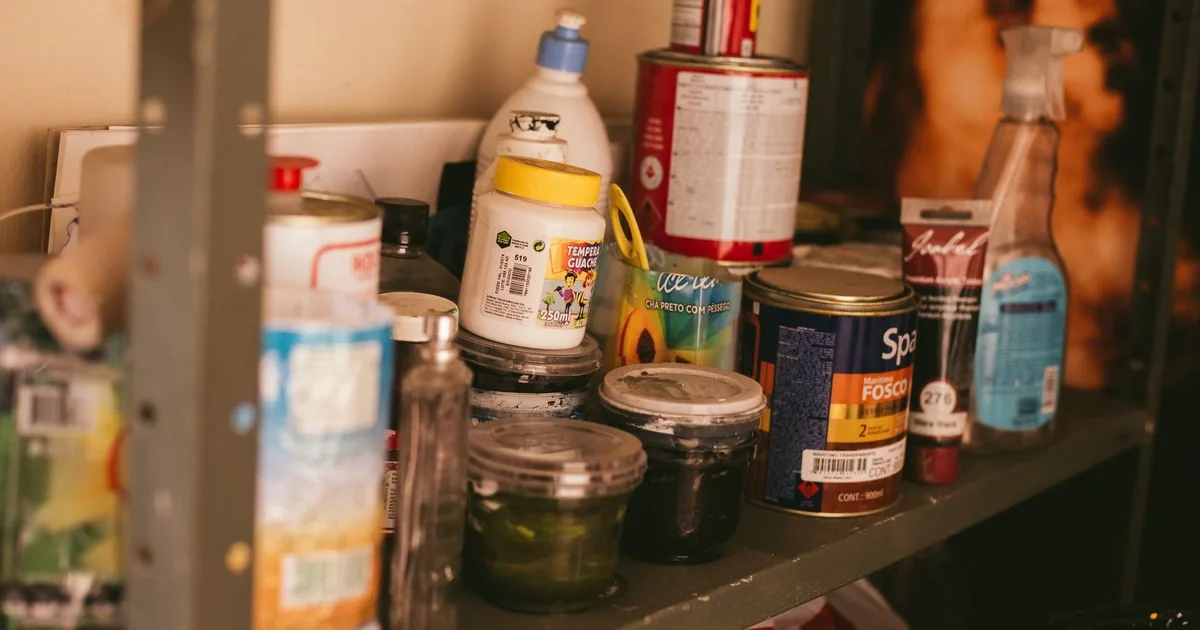
Many haulers cannot take latex or oil-based paint, tires, appliances that contain refrigerant, or certain mattresses, and the rules vary by transfer station and jurisdiction. Some sites accept them for a separate fee, some route them to a specialty facility, and some refuse them outright. Hazardous material is its own category: solvents, propane tanks, car batteries, and anything that might contain asbestos usually need a licensed handler rather than a hauling crew.
None of that is a problem when it comes up on the intake call. The receptionist asks whether the pile includes paint, tires, appliances with refrigerant, mattresses, or anything flammable or chemical, flags what the crew can and cannot take, and points the customer toward the right disposal route for the rest. Discovering it in the driveway is what turns a routine pickup into a refund conversation and a two-star review about items left behind.
Qualifying questions your receptionist should capture
Whether a person or an AI answers, these are the details that turn a same-day hauling call into a job dispatch can actually slot into the day. Get them on the first ring and the crew rolls up knowing what they are lifting and where they are parking.
- Item list: what is going, and roughly how many pieces
- Rough volume as a truckload fraction, plus anything oversized or unusually heavy
- Whether items are curbside or inside the building
- Stairs or elevator, and which floor the items are on
- Parking and truck access at the address, including gate codes, alleys, loading docks, and any street permit the property may require
- Any prohibited or hazardous materials: paint, tires, appliances with refrigerant, mattresses, propane, solvents, batteries
- Whether someone has to be on site to authorize the removal or let the crew in
- Time window: same-day pickup or a scheduled day, and how tight the window needs to be
- Service address
- Best callback number, since the crew will call when they are en route
Answer the phone while the trucks are full and the caller staring at their garage never gets to the next company on the list. In a trade where the customer decides in the ten minutes they spend dialing, being reachable is most of the job.
Answara answers every inbound call for your junk removal business, captures item lists and access details, and holds the pricing line until your crew sees the pile.