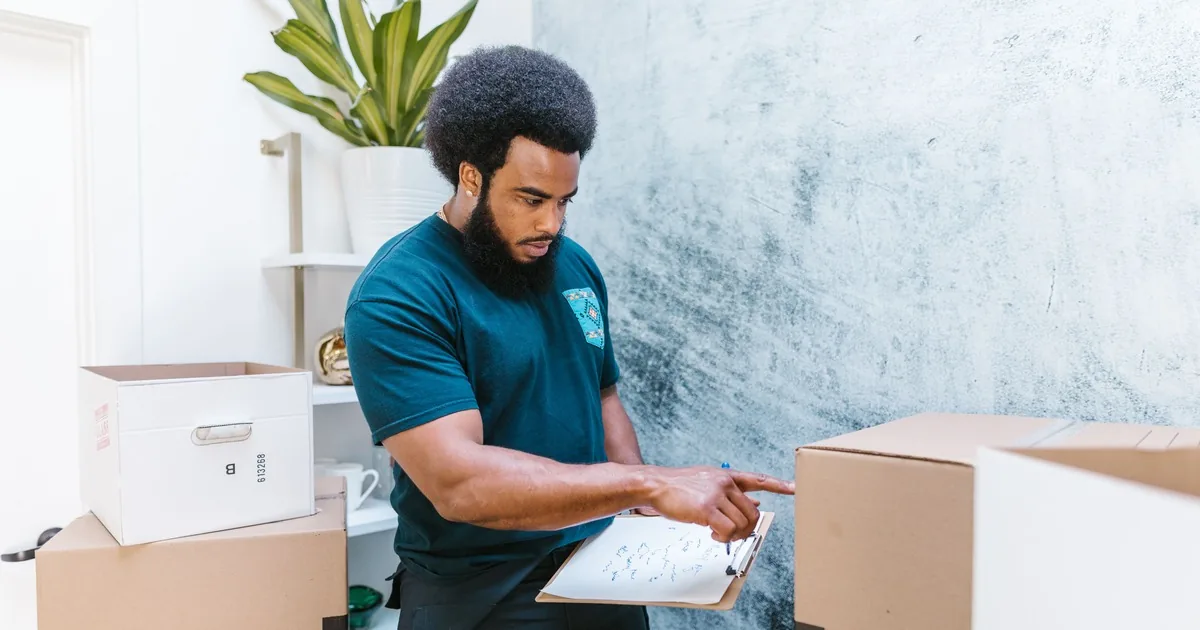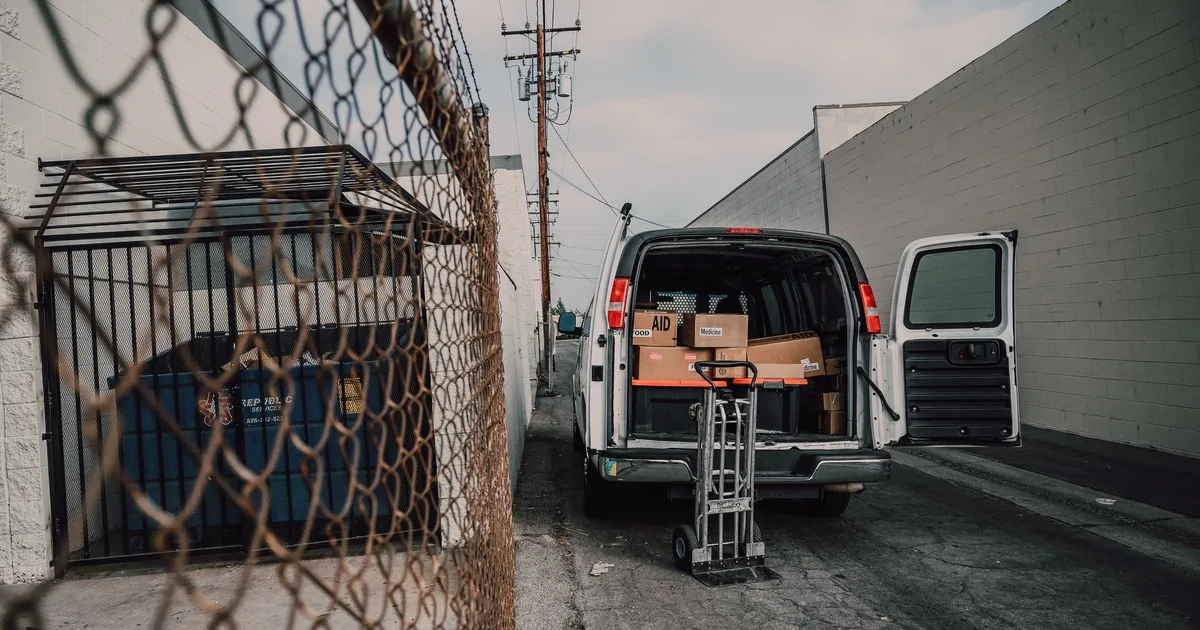
“The safe is in the basement” sounds like a one-item pickup. Then the useful details arrive: it is still bolted down, nobody knows its weight, the stair has a 90-degree landing, and the driveway slopes away from the house. An ordinary truck slot can become the wrong crew, the wrong equipment, and a blocked route before anyone touches the safe.
A heavy-item call should establish five things before scheduling: the exact object, its dimensions and condition, anything attached or stored inside it, the complete route to the truck, and the preparation that must happen before arrival. Reception collects the evidence. An operations lead chooses the crew, equipment, disassembly plan, and whether an on-site assessment is required.
Pianos, safes, pool tables, treadmills, weight machines, large aquariums, commercial copiers, and shop equipment belong in this review whenever their weight, shape, fragility, attachments, or route falls outside the company’s ordinary pickup rules.
Name the object before discussing the pickup window
Start with the item type in the caller’s own words, then make it specific. “Piano” could mean a compact upright, a tall studio upright, or a grand with legs and a pedal assembly. “Safe” could mean a small residential box, a tall gun safe, or a commercial unit anchored to concrete. “Exercise machine” might be a folding treadmill or a multi-station gym with cables and weight stacks.
Ask for the manufacturer and model when a label can be photographed safely. Record the outside height, width, and depth. Note protruding handles, pedals, rails, lids, control consoles, and other parts that affect the moving envelope. If the caller has a manual, purchase record, or manufacturer page, attach it. Do not turn an uncertain internet match into a verified weight.
Condition changes the review. Record loose parts, cracked glass, water damage, rust, a leaning cabinet, damaged casters, missing fasteners, or prior disassembly. For a piano, note whether it is upright or grand and whether the customer expects disposal, relocation, or delivery to another party. A valuable working instrument calls for a different provider and handling standard than an unsalvageable cabinet marked for disposal.
Contents and connections matter too. Ask whether a safe is empty, unlocked, and anchored, but do not ask the caller to open, empty, or detach it while you wait. Record whether exercise equipment is plugged in, hardwired, assembled around a room feature, or attached to a wall or floor. An aquarium needs its water, livestock, substrate, and connected equipment addressed under company policy before a removal crew treats it as an empty object.
Trace the route all the way to the truck
The room is only the starting point. Capture the floor, doorway, hall, stair, landing, elevator, exterior steps, gate, ground surface, carry distance, loading position, and any building reservation. Ask for one wide photograph of the item in place and a continuous set of route photos taken from safe standing positions.
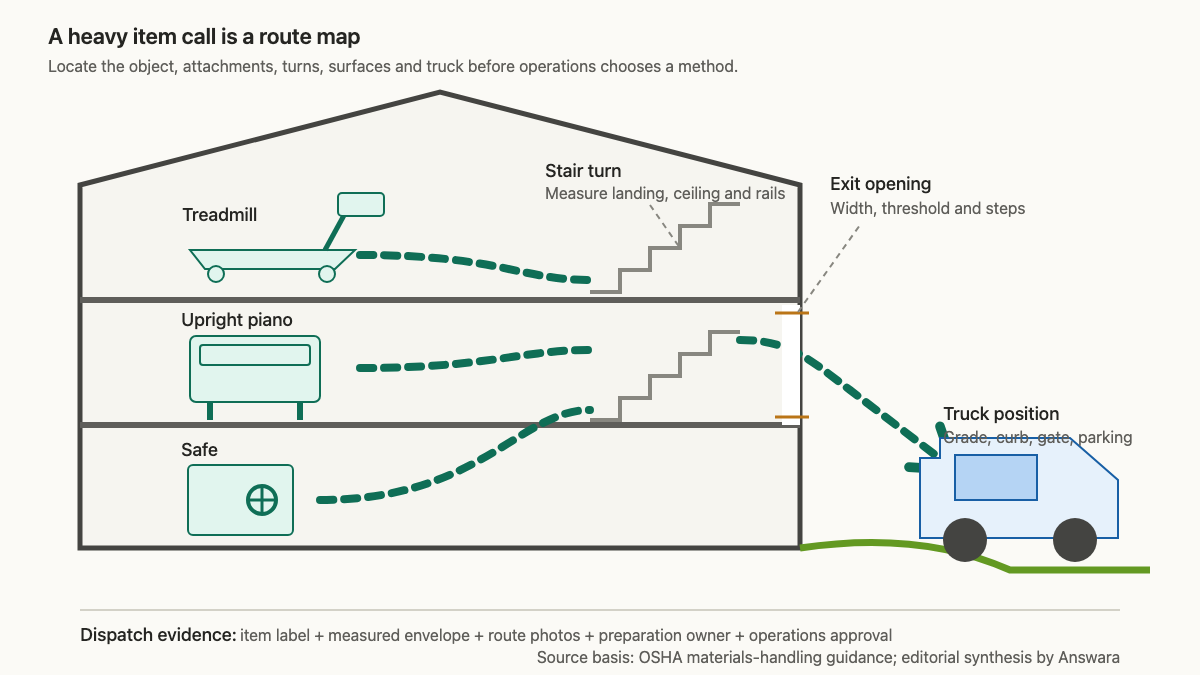
Measure the narrowest doorway and hall section, not the most convenient one. Record the stair width between finished surfaces, the landing dimensions, turn direction, ceiling height at the turn, tread condition, railings, and the number of steps. A photograph looking down a stair may hide a tight ceiling or short landing, so ask for views in both directions when they can be taken safely.
The mattress and furniture removal intake covers ordinary residential pieces, mechanisms, and access. Heavy specialty items add concentrated weight, delicate assemblies, uncertain centers of gravity, anchoring, and equipment decisions that reception should not improvise.
Exterior details can change the job after the item clears the door. Note porch steps, thresholds, gravel, mud, soft lawn, steep grades, retaining walls, low branches, overhead lines, parking restrictions, and the proposed truck position. In a managed building, capture the service entrance, freight-elevator reservation, floor-protection rules, certificate-of-insurance requirements, dock instructions, and approved work window.
OSHA’s materials-handling guidance identifies awkward posture, forceful exertion, rough terrain, stairs, poorly functioning wheels, and blocked sightlines as handling concerns. It also points to hand trucks, pallet jacks, stair-climbing devices, ramps, and elevators as possible controls. Those are reasons to route the record for review. They are not a universal equipment list for the receptionist to prescribe.
Separate preparation from the removal crew’s work
Customers often assume the crew will solve every dependency at the door. The work order should say which preparation belongs to the customer, another contractor, building management, or the removal company.
Use a short item-specific screen:
- Safe: Is it empty, unlocked, and reported free of firearms, ammunition, cash, records, or hazardous contents? Is it bolted to a wall or floor? Who is responsible for opening and detaching it under company policy?
- Piano: Is it upright or grand? Is the goal disposal or protected relocation? Are removable parts present, and does the route include stairs, an elevator, or weather exposure?
- Pool table: What is its size and construction if known? Has a qualified person confirmed who handles rails, felt, slate, frame, and reassembly expectations?
- Exercise equipment: What is the model? Does it fold or separate according to its manual? Are power, cables, weight stacks, anchors, and accessories still connected?
- Aquarium or shop equipment: Has the owner handled water, animals, contents, utility connections, fluids, gas cylinders, sharp tooling, or regulated material through the proper party?
The office should not coach a caller through lifting a corner, tipping a safe, removing a piano leg, releasing a treadmill deck, draining an unknown machine, or testing whether an item will fit. Ask for existing information and safe photos. Leave physical testing and method selection to the field reviewer.
For appliances, use the separate appliance pickup guide. It covers utilities, refrigerants, doors, stairs, and disconnection boundaries. A refrigerator is bulky, but its service and disposal questions differ from a piano or safe.
Make specialty review a normal scheduling outcome
A call can end successfully without a pickup date. “We have enough to send this for specialty review” is a useful outcome when weight, dimensions, route, anchoring, preparation, or destination remains uncertain.
Route the job to an operations lead when the item or model is unknown, measurements conflict, stairs or sharp turns are involved, the path crosses weak or damaged surfaces, the item is anchored or connected, special building controls apply, or the caller reports damage, contamination, loaded contents, exceptional value, or a route that may require altering the property. An on-site assessment is the right next step when photos cannot prove the geometry.
National Van Lines’ piano moving guide explains why item and route details belong together. It discusses dollies, straps, blankets, piano boards, truck capacity, and measurements through doorways, halls, stairs, and tight spaces. A junk-removal company may use different tools and methods. The front desk’s job is to preserve the facts that let its own qualified reviewer decide.
Destination belongs in that review. A municipality, transfer station, recycler, charity, specialty dealer, or disposal facility may apply local acceptance and preparation rules. Raleigh, for example, publishes separate bulky, special, and e-waste collection rules. Another city can classify the same object differently. Record the intended route as pending until the receiving party and company policy confirm it.
The general junk removal pricing-call framework explains how volume, density, labor, access, and disposal affect an estimate. For a specialty item, do not force those inputs into an instant price when the route or method still needs approval.
Give dispatch a record it can use
Read the handoff back in plain language:
“Removal request is one upright piano on the main floor. Customer reports a maker label and has sent front, side, and label photos. Outside dimensions are recorded from the customer’s tape measurement and remain unverified. The route crosses a hardwood room, a 35-inch doorway, an L-shaped hall, three porch steps, and a sloped paved walk. No interior stairs. The customer wants disposal, not relocation. Truck position is curbside pending parking confirmation. Children and pets will be kept outside the work area. Operations must review the item, route photos, surface protection, equipment, crew, destination, and price before scheduling.”
For a safe, the same note should identify reported contents, locked or unlocked state, anchoring, floor, stair geometry, surface conditions, and the person responsible for preparation. For a treadmill, add the exact model, deck position, power state, attached console, stairs, and who is authorized to disassemble it.
An AI receptionist can collect these fields after hours and route incomplete or risky records to a person. It should never invent an item weight, select a lifting method, promise that an object will clear a turn, or convert an unreviewed specialty job into a standard pickup.
A strong call record lets operations picture the entire move while the item is still in place. They can see the basement landing, the low ceiling over the turn, the narrow exit, the gravel outside, and the truck that cannot use the driveway. That is enough detail to choose the next step without making the caller perform a test lift.
Sources
- OSHA: Materials Handling, Pushing, Pulling and Carrying
- National Van Lines: Piano Moving Strategy
- Junk Removal Plus: Heavy Specialty Item Removal
- City of Raleigh: Bulky, Special and E-Waste Collection