A lockout call is not a normal inquiry. The person on the other end is usually standing on a sidewalk or in a parking garage, phone at low battery, keys visible on the seat or the kitchen counter just out of reach. They want one thing: someone who is already on the way. How your office handles the first ninety seconds decides whether they wait for your tech or hang up and dial the shop three listings down.
That last point is the one worth sitting with. A lockout caller who reaches voicemail simply dials the next locksmith. There is no callback, no message, no second chance. The call is the sale, and the intake is the call.
So the goal of the conversation is narrow. Confirm you can help, get the few facts that let a tech roll with the right tools, set a real arrival window, and keep the caller calm enough to stay put. Everything else can wait until the truck is moving.
Ask the callback number and address first
Before anything else, get a callback number and repeat it back. Lockout calls drop constantly. The caller is outside, moving, on a phone that has been searching for signal in a garage. If the line dies after you already have the number and a rough location, you can call back and finish. If it dies before, you have lost them.
Then the exact address. Not "the Target on Route 9," but the street address, the lot, the building, the apartment number, the level of the garage. A tech circling a strip mall looking for a stranded caller is burning the arrival window you just promised.
With those two locked in, everything else is recoverable.
The qualifying questions
Once the number and address are safe, the intake narrows fast. These are the questions that actually change what the tech loads and how the shop protects itself:
- House, car, or business lockout? Each one needs different tools and a different approach. A residential deadbolt, a car door, and a commercial storefront with a panic bar are three separate jobs.
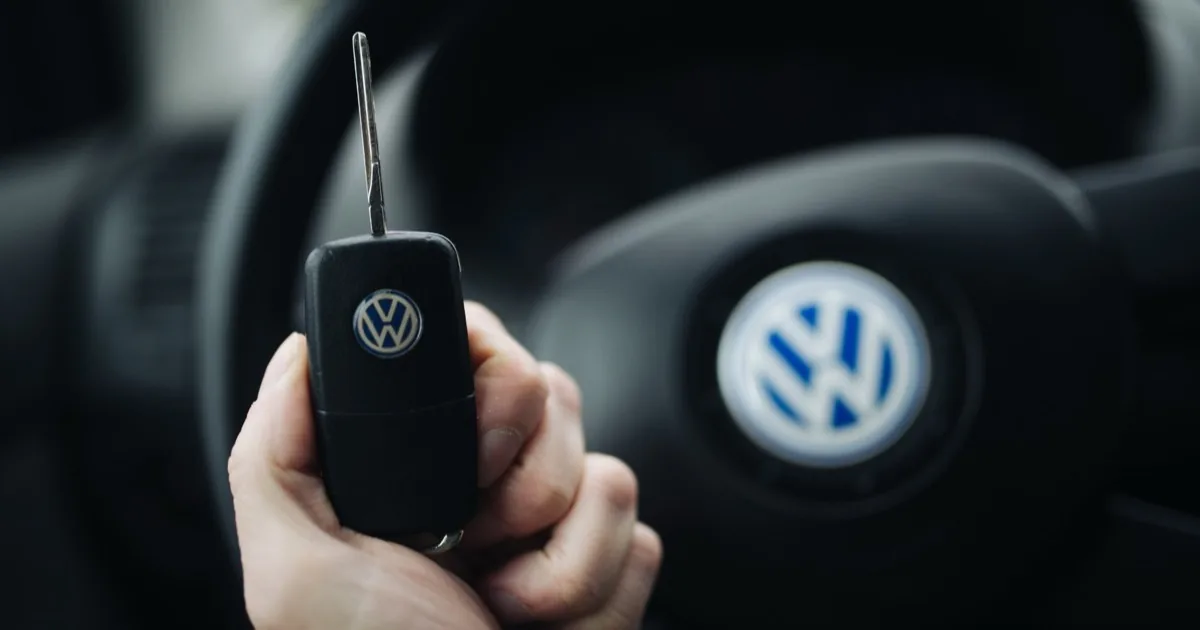
- For a car: year, make, and model? Vehicle entry tools are specific. A tech who knows it is a 2019 Honda Civic versus a newer truck with a different door mechanism brings the right wedge and reach tool instead of guessing on site.
- Is anyone or a pet locked inside? This is a safety question first and a scheduling question second (more on this below).
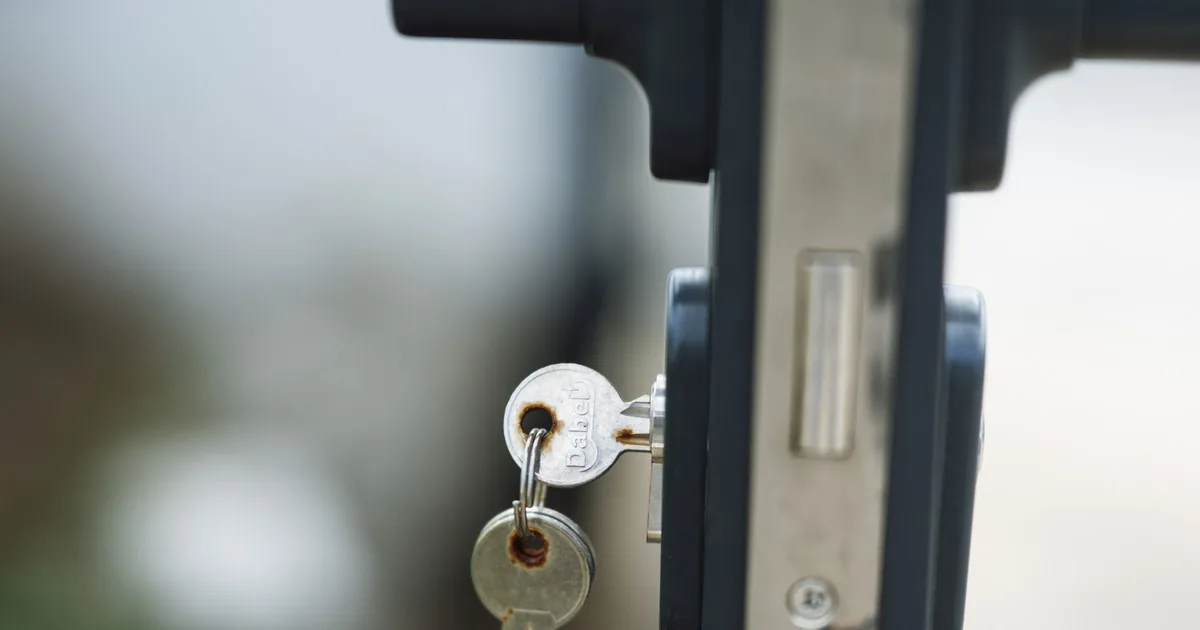
- What kind of key and lock is it? Standard key, high-security key, smart lock, keypad, older warded lock. The lock brand matters too. Kwikset, Schlage, Medeco, and a no-name builder lock each want different picks, and some need a re-key rather than a pick.
- Can you show proof that the home or vehicle is yours? Set the expectation on the phone, gently, so it is not a surprise at the door. A driver's license, registration, a lease, or mail with a matching name is normal and expected.
You do not need all of this for every call. For a house lockout you can skip the vehicle questions. Be specific to what is in front of you rather than reading a script top to bottom while an anxious person waits.
When someone is locked in a hot car, call 911
Handle this one before scheduling anything. If a child or a pet is locked inside a vehicle, especially in heat, the office should tell the caller to hang up and call 911 immediately. Do not have them wait for a tech, and do not treat it as a routine lockout to be slotted into the queue. Emergency responders can be there faster and are equipped for exactly this. Your tech is the right call for a set of keys on the seat. A person or animal in a warming car is a 911 situation, full stop.
Say it plainly and early, so no one loses minutes waiting on a truck that is fifteen streets away.
Give an arrival window you can actually hit
Once you know where they are, give a real window, not a hopeful one. "Between twenty-five and forty minutes" that holds up beats "ten minutes" that turns into thirty-five and leaves the caller wondering if you forgot them. People stranded outside can accept a wait. What they cannot accept is a promise that quietly slips.
Factor in the honest stuff: where your nearest available tech is, traffic, whether the job needs a re-key, whether the lock brand they described tends to run long. If you are not sure, give the wider range and let the tech tighten it with a text when he is rolling. A caller who gets a "on my way, about fifteen out" message stops shopping around.
Why on-site verification protects the shop
The proof-of-ownership step is not bureaucracy. Verifying identity and ownership at the door is what keeps your shop from opening a car or a home for someone who has no business being inside it. A tech who pops a lock for the wrong person is exposing the business to real liability, and "the office said it was fine over the phone" is not a defense.
So the phone call sets the expectation and the doorstep confirms it. The dispatcher can note that ownership will be verified on arrival, and the tech checks the license, the registration, or the lease against the property before a single tool comes out. Framed right, most callers appreciate it. It tells them you would do the same if the situation were reversed and someone was standing at their door.
Capture enough that the truck is loaded right
The through-line of a good lockout intake is that the tech arrives ready. Key type, lock brand, vehicle details, and job type all feed the same purpose: the right tools are on the truck when it pulls up, and the arrival window you gave stays true because no one has to drive back for a different pick set.
The hard part is that these calls come at 2 a.m., during a job you are already on, and in the ninety seconds before the caller gives up and dials someone else. A shop that answers every one of them, gathers the callback number and address before anything can drop, and routes the safety cases to 911 without hesitation is a shop that keeps the stranded caller on the line. That is the kind of coverage worth building toward, whether it is a person, an answering service trained on these exact questions, or a tool like an AI receptionist that picks up on the first ring. The next lockout is already dialing. The only question is whether it rings through to you.