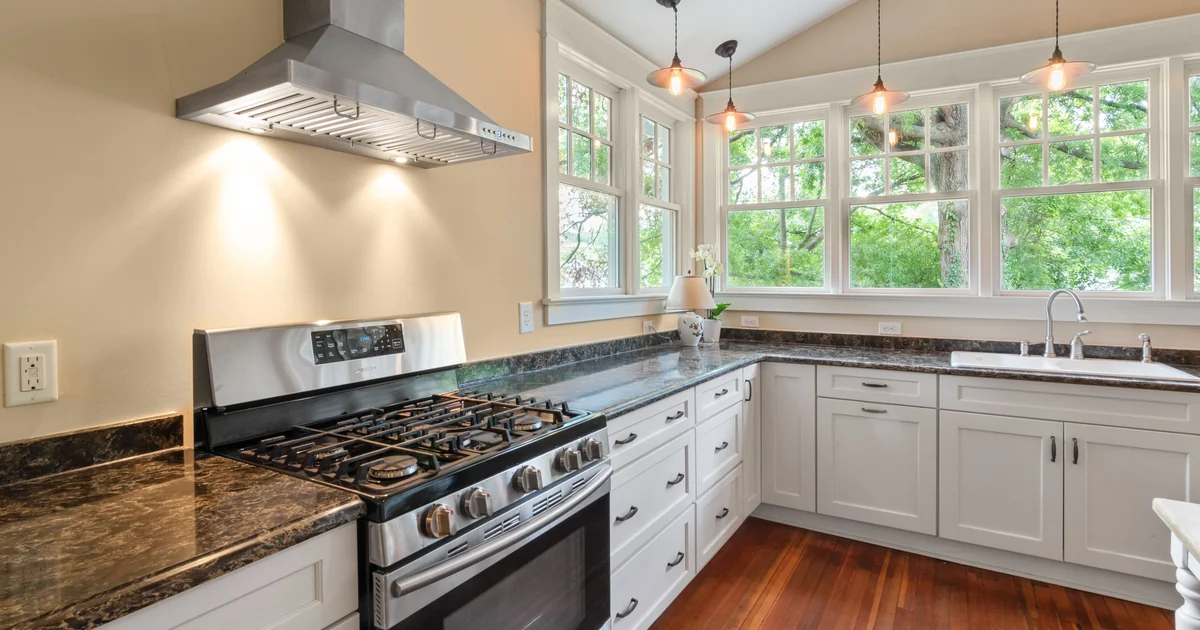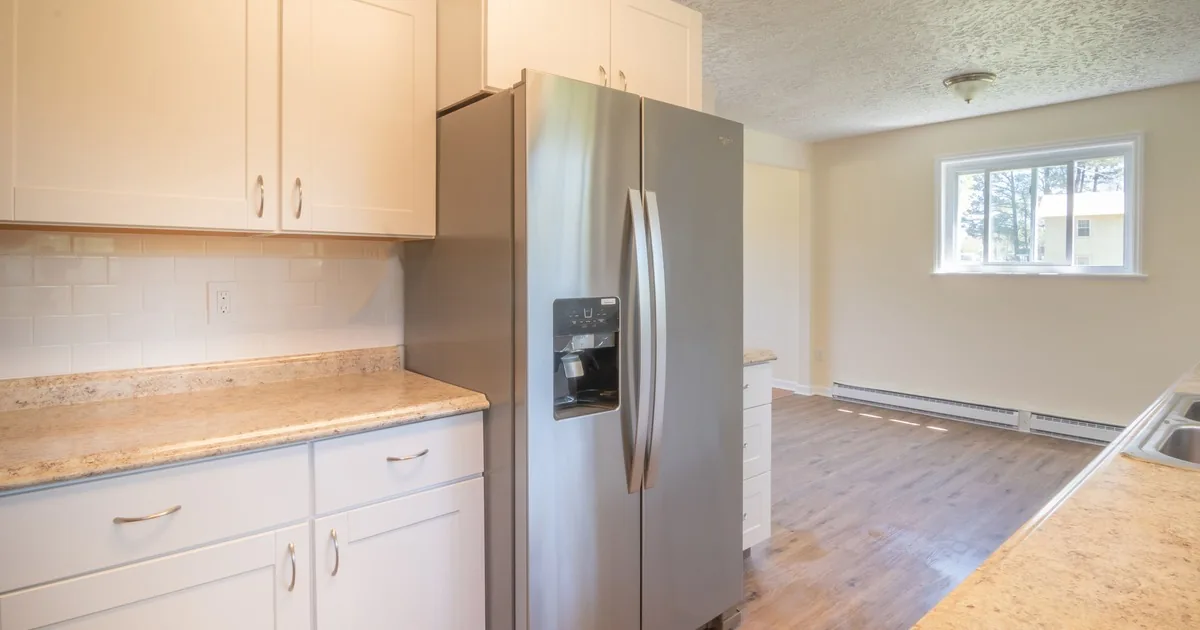
A tenant reports that the refrigerator is warm. The property manager approves a service call by email. The repair office books Thursday morning, but the work order has no unit number, the tenant thought the technician would arrive after lunch, and nobody wrote down who can approve a repair once the refrigerator has been diagnosed.
Rental appliance calls break at the handoffs. A reliable work order keeps seven things together: the property and unit, the person reporting the problem, the appliance identity, the safety screen, the party paying for the visit, the entry process, and the person who can approve the next step. The appointment belongs on the calendar only after those facts are clear.
Open one record when the problem is first reported
Do not let the tenant's text, the manager's email, and the appointment note live as separate versions of the job. Open one work order at the first report and give it a stable reference. Every later message should attach to that record.
Start with the service address, building name if there is one, unit number, tenant name, tenant mobile number, property manager, and billing entity. Record who called and that person's role. “Sarah called about the range” is weak. “Tenant Sarah Kim in Unit 3B reported the front-left burner will not ignite” gives dispatch a usable starting point.
Capture the caller's words before translating them into trade language. A tenant saying “the washer fills and then stops” has supplied an observation. Writing “bad lid switch” turns an untested guess into a diagnosis. Keep the observation, any displayed error code, when the problem began, and what happened immediately before it.
Then identify the machine. Ask for the appliance type, brand, full model number, full serial number, and a clear photo of the label. GE Appliances publishes a model and serial number locator because label locations differ by appliance type. Whirlpool provides similar label-location guidance. A photo is safer than a hurried readout where an O becomes a zero.
Do not ask a tenant to pull out a connected range, tip an appliance, remove a panel, or reach behind a machine to find a tag. Request only information that is already visible and safely accessible. If the label cannot be reached, say so in the ticket.
Separate the four owners of the call
One person rarely owns the whole rental repair. The tenant can describe the symptom but may have no authority to hire work. The property manager may approve the visit from another city but cannot open the apartment. The technician can diagnose the machine but may need approval before installing a part.
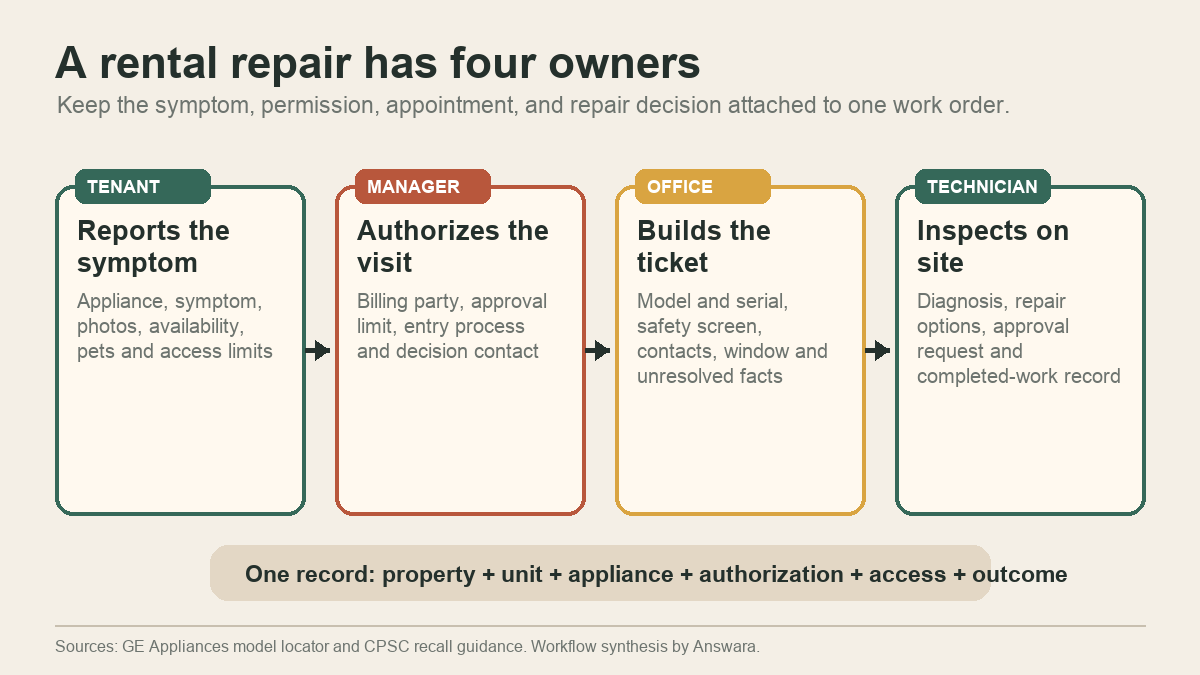
The tenant owns the report: what the appliance did, what is visible now, when someone can be present, pets in the home, parking instructions, stairs, gates, and any access limitation. The tenant should also know which company is coming and the appointment window the office actually booked.
The owner or property manager owns the commercial decision. Record the legal billing name, invoice email, purchase order or work-order number if used, approved diagnostic charge under the shop's policy, any spending limit, and the person who can approve work above that limit. Get authorization in the form your business requires. A tenant saying “my landlord will pay” does not replace it.
The repair office owns the ticket. It connects the property, appliance, symptom, safety screen, authorization, tenant availability, and access process. It also states what the appointment includes. If the first visit is diagnostic, say that plainly. The office should explain the shop's diagnostic fee process without promising that a repair will be completed during the first visit.
The technician owns on-site findings. Diagnosis, repair options, parts requirements, and the final scope should come back through the same work order. Office staff should never approve a technical conclusion by phone simply because the manager wants an immediate answer.
Screen safety before discussing appointment windows
Ask early whether there is smoke, sparking, a gas odor, active leaking, dangerous heat, or another immediate hazard. A yes answer pauses ordinary booking. Follow the shop's approved safety and escalation instructions, which may direct the caller to stop using the appliance, leave the area, contact emergency services or a utility, or follow manufacturer guidance. The receptionist should not invent electrical, gas, fire, or disassembly advice.
Exact product identification also matters when a caller mentions a recall. The U.S. Consumer Product Safety Commission recall database publishes notices that identify affected products and state the applicable consumer action. Record the model and serial number, then route the check to the person your company has assigned. Do not tell the tenant that a product is covered, safe to use, or eligible for a remedy until the exact notice has been reviewed.
A tenant may report food warming in a refrigerator, water spreading from a washer, or a range that smells unusual. Keep the observable condition in the ticket. Urgency and safe next steps should follow company policy and qualified guidance, not a diagnosis improvised at the front desk.
Confirm repair authority and entry as separate questions
Authorization answers who may spend money. Access answers who may let the technician enter. They often come from different people.
For authorization, capture the paying entity, billing contact, written approval for the visit, approval limit if one exists, and the reachable person who can make a repair decision while the technician is on site. Confirm whether the diagnostic charge sits inside or outside that limit under the customer's agreement with the shop. If nobody with authority will be reachable during the appointment, write down what the technician should do after diagnosis.
For access, record the tenant's confirmed window, on-site contact, call-box name, gate instructions, parking restrictions, key or lockbox process, pets, and any building rules the manager supplies. Avoid vague notes such as “management has a key.” Name the person who will provide access and include a working mobile number.
Entry notice, permission, lease terms, and landlord-tenant rules vary by location and property. The appliance office should follow the manager's documented process and its own service policy. It should not tell a landlord that entry is lawful or tell a tenant that notice is sufficient. If access permission is disputed or unclear, hold the appointment until the responsible parties resolve it.
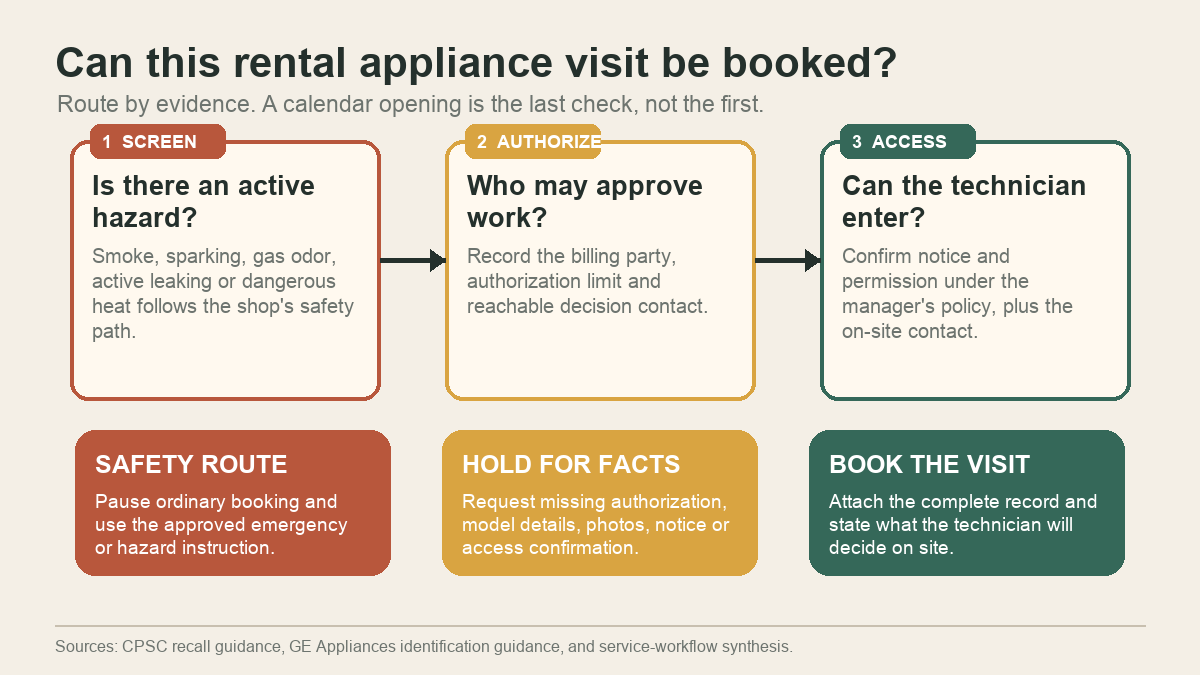
A clean booking test is simple. The call follows the safety route when a hazard is active. It stays on hold when authorization, identification, notice, or access facts are missing. It becomes a normal service appointment when the office has a safe intake, an authorized visit, a confirmed entry process, and a complete handoff for the technician.
Write the dispatch note in scan order
Technicians should not have to reconstruct the job from an email chain while parked outside the building. Use the same field order every time:
- Property: address, building, unit, parking, gate, stairs, elevator, and building rules supplied by management.
- People: tenant and mobile, manager and mobile, billing contact, on-site access contact, and repair-approval contact.
- Appliance: type, brand, model, serial, label photo, approximate location in the unit, and ownership if relevant to the service agreement.
- Condition: caller's exact symptom, error code, start time, photos, visible water or damage, prior service, and the completed safety screen.
- Authority: approved visit, billing reference, diagnostic-charge treatment, spending limit, and instructions when further approval is needed.
- Appointment: confirmed date and window, entry process, notice confirmed by the responsible party, pets, key handling, and tenant communication.
- Outcome: diagnosis, estimate, approval request, parts status, return visit, completed work, and final documentation.
That list is long because the call has more moving parts than an owner-occupied appointment. The office does not need a long conversation when it asks in a fixed order. It needs complete answers.
Close the loop with both manager and tenant
Before ending the booking call, read back the property, unit, appliance, appointment window, access contact, and who will receive the diagnosis. Tell the tenant what the visit is for. Tell the manager which facts remain unresolved. Put both confirmations in the work order.
After the visit, send the result through the approved channel. The manager needs the diagnosis, estimate or completed-work record, photos when company policy allows, and the next decision. The tenant needs the practical status: whether the appliance can be used under qualified guidance, whether a return appointment is pending, and who will contact them next. Do not make the tenant chase the manager and the repair office for two halves of the same answer.
The same process works when a person answers the phone or an AI receptionist handles an after-hours report. A system can collect the record and apply routing rules. A qualified technician still decides what failed, and the authorized property contact still decides whether to proceed.
A good rental repair ticket can be understood by someone who never heard the original call. The address is certain, the machine is identified, entry is settled, the payer is known, and the technician knows exactly who can answer when the refrigerator door is open and a repair decision has to be made.