A caller has a pan of lasagna sitting in a cold oven, dinner guests due soon, and one useful sentence: “It turns on, but it will not heat.” The office needs more than that before it picks a technician and a time slot. It also needs to resist the urge to diagnose the appliance from one symptom.
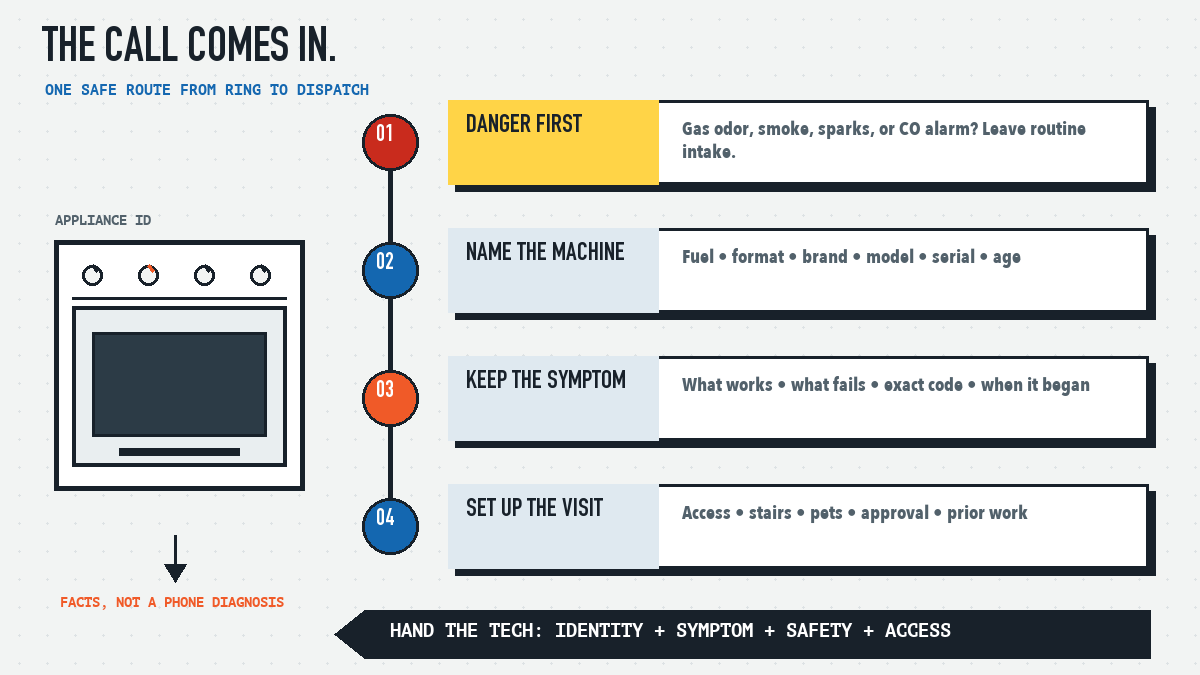
The right order is simple. Screen for gas and carbon monoxide danger first. Then identify the appliance, record exactly what still works, copy any code from the display, and document access to the kitchen. Those details produce a useful service note. A guess about an igniter, element, sensor, or control board does not.
Start with the safety screen
Most oven no-heat calls belong on the normal service calendar. A report of gas odor, the sound of leaking gas, smoke, sparking, or a carbon monoxide alarm does not.
The U.S. Consumer Product Safety Commission says anyone who smells gas or hears gas leaking should leave the home immediately and contact local gas authorities from outside. The office should have a short, approved safety script that follows local emergency and utility guidance. Do not keep the caller next to the range while asking them to test burners, cycle controls, or look underneath the appliance.
Ask the safety question before collecting the model number:
“Do you smell gas, hear gas leaking, see smoke or sparks, or have an active carbon monoxide alarm?”
If the answer is yes, stop routine troubleshooting and use the safety path. If the caller is already outside, keep them outside. The appliance appointment can be discussed after the immediate hazard has been handled.
Identify the appliance before discussing the fault
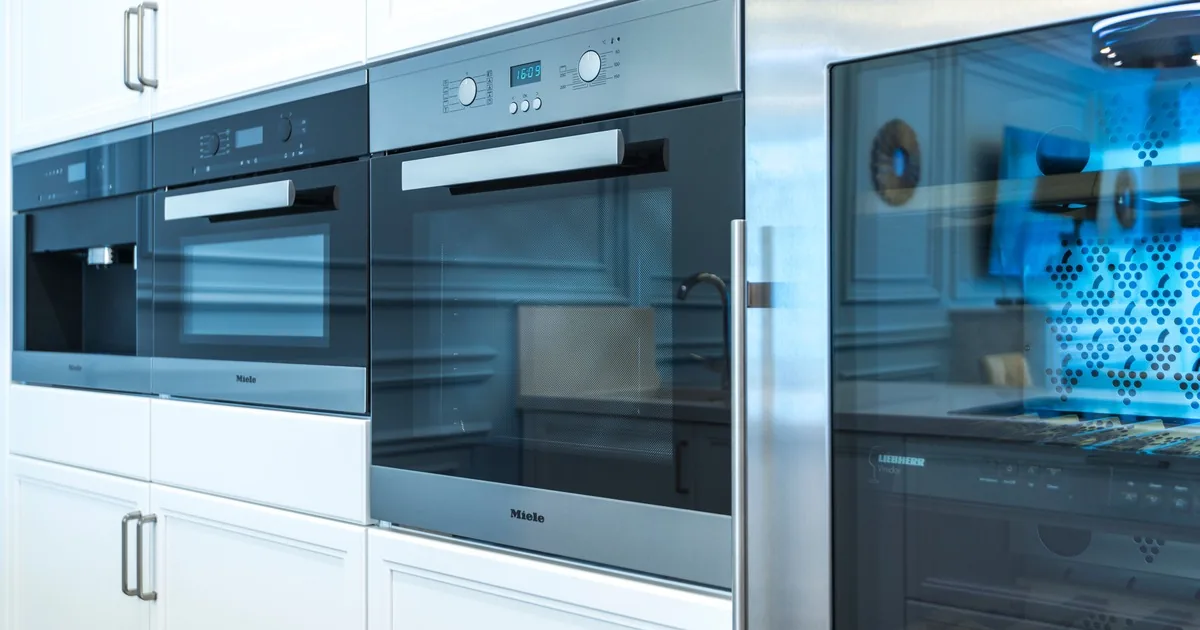
“Oven” can mean a freestanding gas range, a slide-in electric range, a separate wall oven, or one cavity in a double-oven installation. The fuel and format affect technician assignment, parts research, and access. They also change which observations matter.
Start with four identity questions:
- Is it gas or electric? Is it a range with surface burners, a wall oven, or a double oven?
- What are the brand, model, and serial number? If the caller cannot find the label safely, ask for a clear photo before the visit under company policy.
- Is this a new installation, a recent replacement, or an appliance that had been working in the same location?
- Did the problem begin after a power outage, cleaning cycle, move, renovation, or prior repair?
Do not turn the model-label search into a scavenger hunt while the oven is hot or the caller reports a hazard. A missing serial number can be followed up later. Safety stays first.
The distinction between gas and electric should be explicit in the dispatch note. “Black range, no heat” is weak. “GE freestanding gas range; surface burners operate; oven display accepts Bake; oven does not warm” gives the technician a defined starting point without naming a failed part.
Ask what still works
The fastest way to sharpen a vague no-heat report is to inventory the functions that still operate. Keep the questions observable.
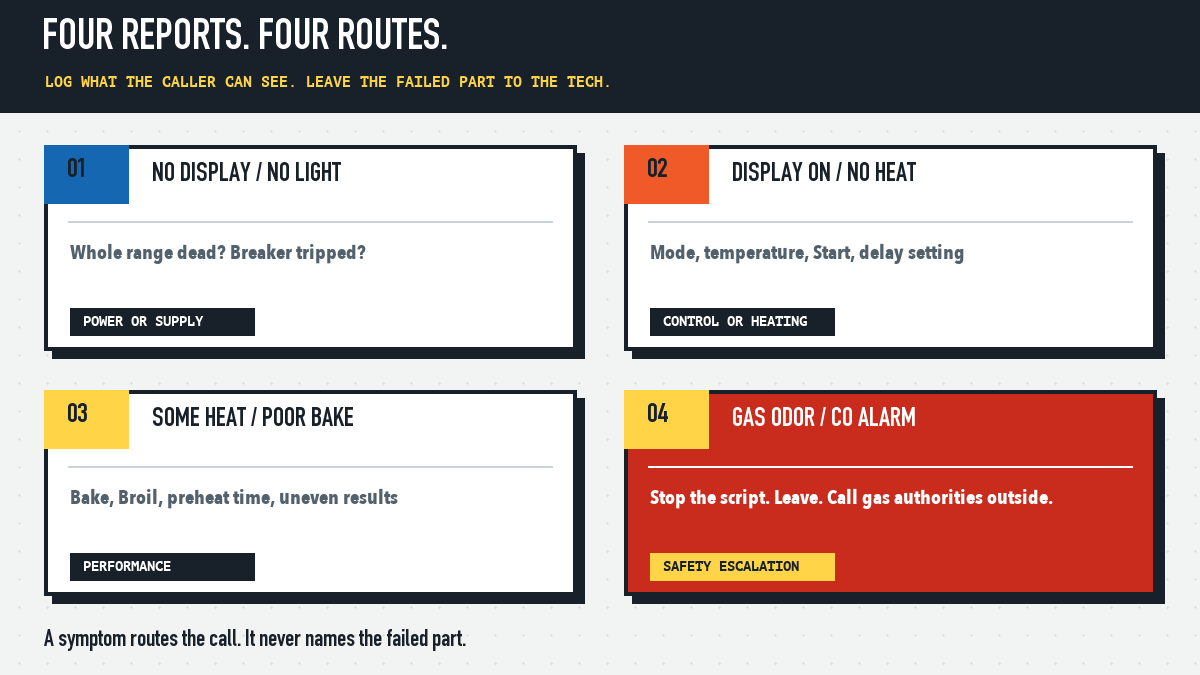
For any oven, ask whether the display and interior light come on, whether the controls accept a temperature, whether Start was pressed, and whether a code appears. Ask if the oven remains completely cold, warms a little, takes much longer than usual, or heats unevenly. “Not heating” often includes all four reports.
On a gas range, ask whether the surface burners work. GE Appliances publishes a separate support path for the case where the gas burners operate but the oven does not. That distinction belongs in the call record. It does not prove what failed.
On an electric range, ask whether the cooktop works and whether Bake, Broil, or both are affected. A caller may say the oven is dead when Broil still operates, or may report poor baking after noticing that only one mode seems to produce heat. Record their words and any visible behavior. Leave electrical testing and panel removal to the technician.
The control state matters too. Whirlpool Product Help notes that a delayed-start setting can leave an electric oven powered without beginning Bake at the expected time. Ask which mode was selected, what temperature appears, whether Start was confirmed, and whether the display shows a delayed time, control lock, or other status. Do not walk the caller through a universal reset. Control sequences differ across brands and models.
Copy the display exactly
An error code is one of the best details a caller can provide and one of the easiest details to damage through paraphrase. “It showed an F code” is barely useful. “The display showed F9 E0 after Bake was selected” can be matched to the model documentation before dispatch.
Ask the caller to read every letter, number, space, and punctuation mark. A photo is better when the company accepts attachments. Note whether the code is constant or intermittent and what happened immediately before it appeared.
GE Appliances explains that fault codes help trained service technicians diagnose range and wall-oven problems. That is the boundary. The office preserves the code. The technician interprets it against the exact model and service information.
Do the same with sounds and timing. “Clicks three times, then stops” is an observation. “Bad igniter” is a diagnosis. “Display stays on, oven remains cold for ten minutes” is an observation. “Failed element” is a diagnosis. Good intake keeps the first sentence and discards the second.
Capture the kitchen as well as the oven
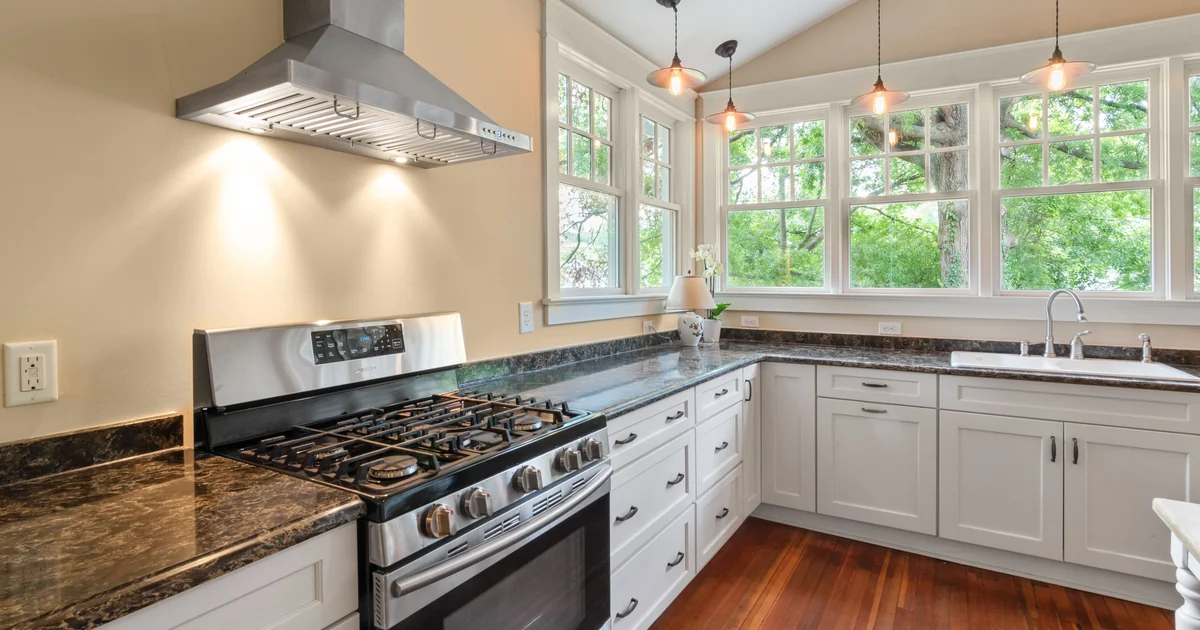
A correct appliance note can still produce a poor visit if the office ignores access. Wall ovens may be fitted tightly into cabinets. Ranges may sit between stone counters, under a low hood, or on a floor that scratches easily. Rental properties add key pickup and approval questions.
Ask for the service address, parking or gate instructions, stairs, and the appliance location. Record whether an adult decision-maker will be present and whether the customer owns the appliance. For a rental, identify the tenant, property manager, person authorizing work, and the number to call for approval. Ask about pets, narrow entries, and anything stored in or around the oven that must be cleared before arrival.
A recent installation deserves its own note. Capture the installer, installation date if known, whether the oven ever heated correctly, and whether other symptoms appeared at the same time. Do not promise that the issue belongs to the appliance technician. The technician may need to separate an appliance fault from an electrical, gas-supply, or installation problem after inspection.
The same caution applies to price. A shop can explain its visit structure using the same plain language it uses for diagnostic-fee calls. It should not promise the final repair total from “oven does not heat.” The symptom supports scheduling. It rarely settles the repair.
Build one dispatch note the technician can scan
A busy technician should be able to read the note in the driveway and know the appliance, reported behavior, safety status, and access conditions. Use a fixed order:
Safety status: No gas odor, leaking-gas sound, smoke, sparks, or active carbon monoxide alarm reported during intake.
Appliance: Gas or electric; range, wall oven, or double oven; brand; model; serial; approximate age; installation history.
Reported behavior: Display and light status; selected mode; set temperature; Start confirmation; Bake and Broil behavior; surface-burner or cooktop behavior; exact code; sounds; timing; recent outage, cleaning cycle, move, or repair.
Site and access: Address; parking; stairs; cabinet fit; pets; tenant or owner status; work authorization; decision-maker; best callback number.
Appointment: Date and arrival window, technician requirements, requested photos, and any model follow-up still needed.
Here is what a strong note sounds like:
“Whirlpool electric wall oven, model photo attached. No smoke, sparks, gas odor, or CO alarm reported. Display and light work. Caller selects Bake at 350 and presses Start; oven remains cold. Broil also reported cold. Code F9 E0 appeared after a power outage yesterday. Second-floor condo with elevator; owner will be present; one dog will be secured.”
That note does real work. It protects the safety boundary, gives the technician facts to review, and tells dispatch what the site requires. It also avoids the false confidence of a phone diagnosis.
A consistent receptionist, whether human or AI, can follow this order after hours and hand the shop a complete record. The standard should stay the same: route danger first, preserve what the caller can observe, and let the technician decide what the oven needs after seeing it.