A tenant reports roaches under the kitchen sink. The property manager approves “pest control” by email, but the work order has no unit number, nobody has confirmed entry, and maintenance has not heard about the slow pipe leak beside the sightings. The technician reaches a locked building with a one-line note and a tenant who expected a different day.
Rental-property pest calls fail at the handoffs. Before booking, the office needs one record that names the property and unit, captures what was observed, separates the tenant from the authorizing and billing contacts, confirms lawful access, delivers the company’s approved preparation instructions, and routes building defects to maintenance. Reception should not decide who is legally responsible or prescribe a treatment by phone.
Open one record and identify every role
Start with the service address, building name, unit number, property type, and management account. Then record who called and that person’s role. “Maria called about mice” is weak. “Tenant Maria Lopez in Unit 3B reported scratching behind the range and droppings in the lower cabinet” gives dispatch a location, a witness, and observations the technician can investigate.
A rental job often has several different owners. The tenant may report the activity and provide entry. A property manager may authorize the visit. An owner or management company may receive the invoice. A building superintendent may open mechanical rooms. Someone else may approve follow-up work.
Capture each role by name, phone number, and preferred contact method. Ask who can approve the initial visit, whether that approval is already documented, where the invoice goes, and who should receive the technician’s findings. If the caller cannot answer, keep the request in a pending state under company policy. A calendar slot should not become a substitute for authorization.
Do not settle a landlord-tenant responsibility dispute. Lease terms and local law differ, and the pest control office is usually missing the facts needed to decide fault. The EPA’s landlord bed bug guidance tells property owners to check the laws and regulations that apply in their location. New York State’s landlord and tenant pest management guide has state-specific pesticide applicator rules, which is exactly why a national call script should avoid universal legal claims.
Use neutral language: “I can document who requested service and who authorized this appointment. Questions about payment responsibility need to go to the property manager or the party named in your agreement.”
Capture observations without diagnosing by phone
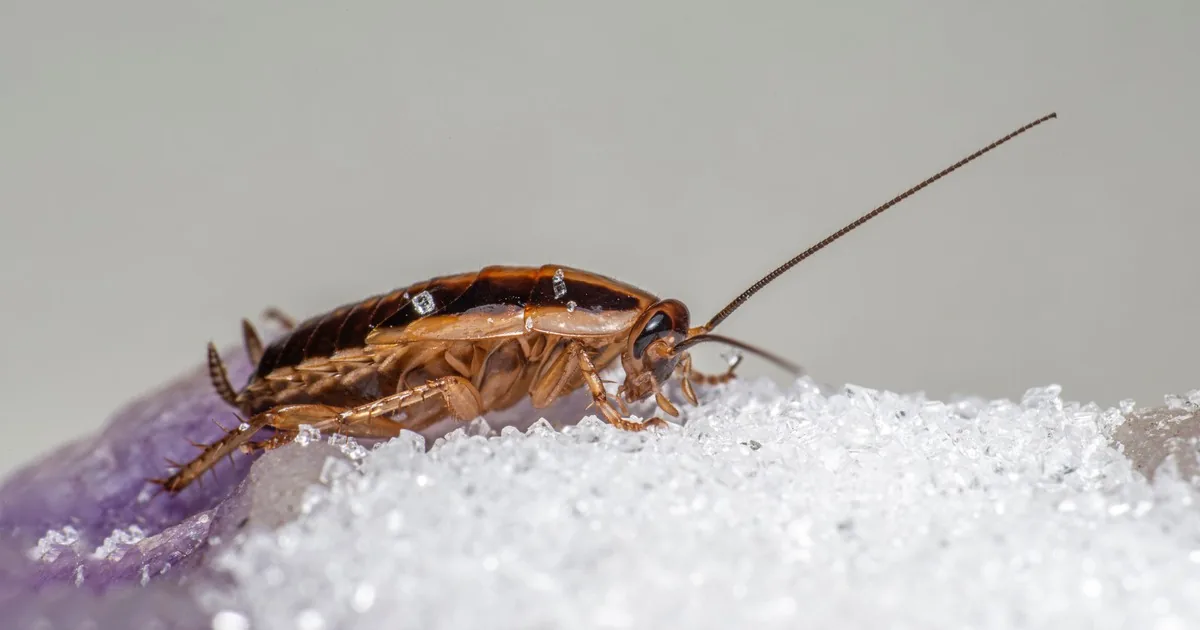
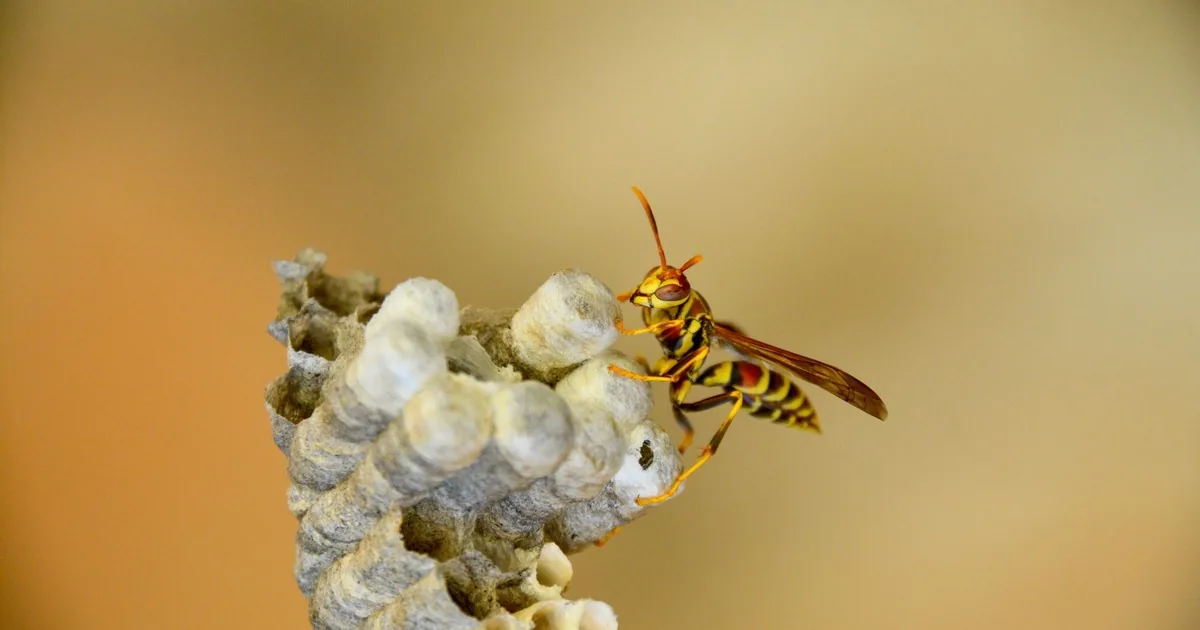
Ask what the caller saw, heard, or found. Keep their words. A tenant can report a small brown insect near the sink, scratching in a wall after dark, bites noticed after sleeping, or a wasp entering a gap near the balcony. Reception cannot turn those observations into a confirmed species.
Pin every observation to a place and time. Which room? Which cabinet, wall, appliance, drain, window, bed, or exterior opening? When did it begin? Is it seen daily, after lights go out, after rain, or only near trash pickup? Is activity limited to one unit, or have staff or other residents reported it elsewhere?
Request photos when company policy permits. One close image and one wider view of the location usually carry different information. Record whether a specimen, trap, or damaged material exists, but do not ask a resident to touch an unknown pest, disturb droppings, open a wall, move a heavy appliance, or enter a crawlspace.
Ask what has already been used. Capture product names, application locations, and dates for sprays, foggers, baits, powders, traps, or landlord treatments. Also note children, pets, pregnancy, respiratory concerns, and any reported pesticide exposure so the office can follow its escalation procedure. The call handler should never improvise re-entry advice or tell a tenant to add another product. Labels, licensed professionals, and the company’s approved protocol control that decision.
Map the unit inside the building
A pest report belongs to a physical building, not a contact card. Ask whether the property is a detached rental, duplex, row house, apartment building, mixed-use building, or short-term rental. In a multi-unit property, record the floor, units beside and above or below the reported unit, shared walls, utility chases, laundry rooms, trash rooms, storage cages, and nearby food-service space when relevant.
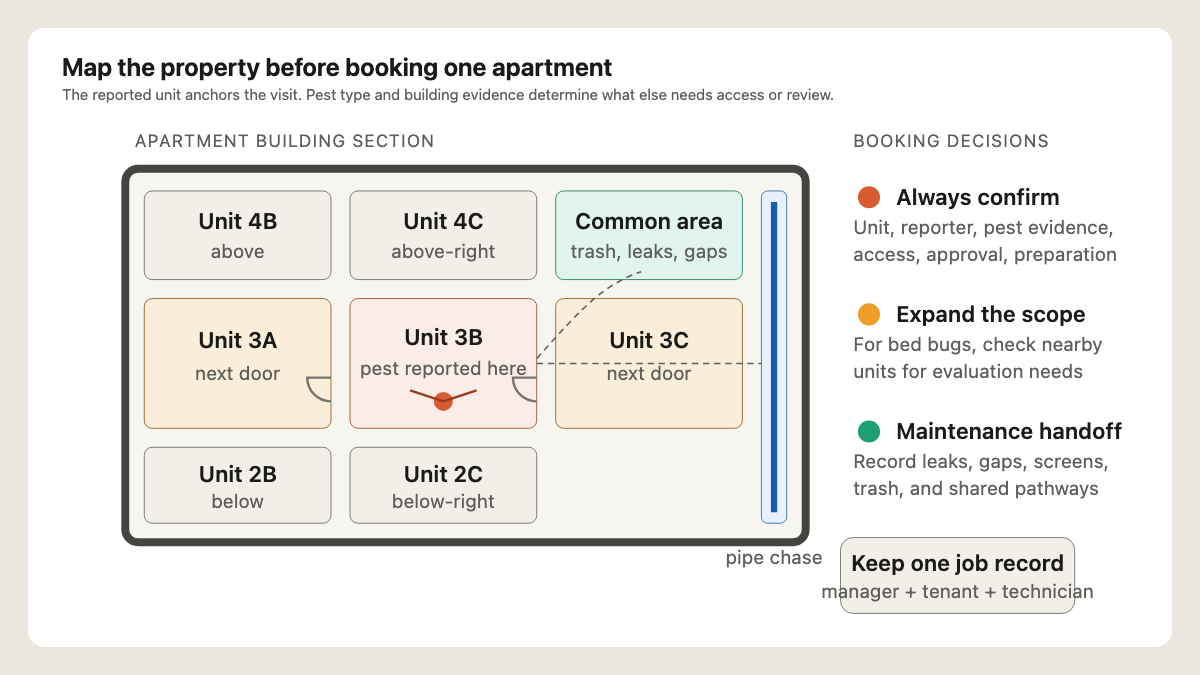
The map is a booking aid, not a rule that every neighboring unit needs service. Pest type and observed conditions determine scope. For bed bug reports, EPA recommends prompt inspection, resident involvement, preparation, continued monitoring, and evaluation of adjacent units for possible infestation. That makes nearby-unit access a question for the property manager and pest professional. It should not be promised or scheduled by assumption.
Shared conditions can matter for other reports too. A leaking pipe near roach activity, a gap around a plumbing penetration, a damaged door sweep, an overflowing trash room, or a hole beside a utility line may require a separate maintenance ticket. The EPA’s housing-manager pest guidance identifies moisture, food and garbage, building openings, conduits, and plumbing gaps as conditions that housing teams should address within an integrated pest management program.
Put those conditions in the pest record and send them through the property’s maintenance process. “Roaches caused by a dirty tenant” is an accusation. “Tenant reports insects under the kitchen sink beside a slow leak; photo received; maintenance notification pending” is usable evidence.
Close the access and preparation loop
The appointment is ready only when the person who controls access knows the date and arrival window. Record whether the tenant will be present, management will provide a key, a lockbox will be used, or building staff will escort the technician. Confirm gates, call boxes, elevator rules, parking, pets, alarms, and restricted rooms. Never place a door code or sensitive access detail in a field that company policy does not protect.
The property manager owns required tenant notice under the lease and local law. The pest control office can document that notice is confirmed. It should not promise that notice is sufficient. EPA’s multifamily guidance lists advance resident notification among the property manager’s responsibilities and treats residents, maintenance staff, managers, and pest professionals as one IPM team.
Send preparation instructions for the actual service category through the approved channel. A bed bug inspection, cockroach service, rodent inspection, and exterior wasp visit do not share one generic prep sheet. Record the document version, delivery time, recipient, and acknowledgment when company policy requires it. If the tenant says a preparation step is impossible because of disability, age, work, children, or limited storage, route that issue back to management before the visit.
A practical final read-back covers:
- property, building, unit, caller role, and on-site contact
- observed pest form, exact locations, timing, photos, and products already used
- authorizing contact, billing contact, spending limit if supplied, and follow-up owner
- tenant notice status, entry method, pets, occupants, parking, gates, and restricted areas
- preparation instructions sent, acknowledgment status, and any assistance request
- nearby-unit or common-area reports, maintenance defects, and separate work orders
End with what is still pending. “The visit is approved for Unit 3B on Tuesday morning. The tenant will meet the technician. The cockroach preparation sheet was sent by text and acknowledged. Maintenance has a separate ticket for the sink leak. The technician’s report goes to Dana at Oak Street Management.” That note can survive a shift change.
Build the follow-up before the technician leaves
Decide where findings go before service starts. The technician may need to report pest identification, activity locations, conditions that support activity, work completed, products used, preparation problems, monitoring placement, maintenance recommendations, and the next review point. Company forms and pesticide rules determine the required detail.
Assign one person to turn those findings into the next action. That could mean scheduling a follow-up, requesting access to another unit, asking maintenance to close a pipe gap, or documenting that the technician found no activity during the visit. Avoid a vague callback note that sends the tenant, manager, and technician into separate message threads.
Offices with a process for recurring pest-control scheduling can add rental-specific role, access, and authorization fields to the same workflow. Bed bug inquiries also need the preparation and nearby-unit questions covered in the bed bug consultation call guide.
An AI receptionist can collect approved fields after hours and flag missing authorization, access conflicts, pesticide exposure concerns, or maintenance conditions for review. The useful outcome is still the same one a careful human dispatcher wants: one unit, one verified visit, one shared record, and a named owner for whatever happens next.