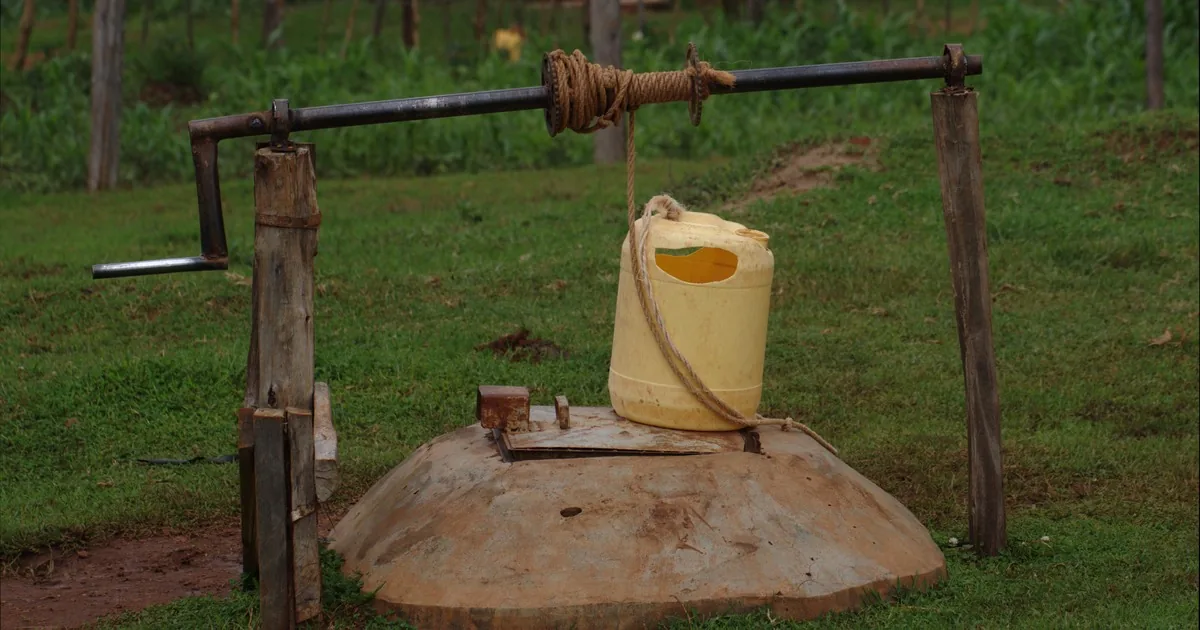
A property owner calls about a pipe behind the barn. It has not supplied water since the house connected to a municipal line, nobody knows its depth, and the owner wants it “filled before the excavator comes Friday.” That request cannot be booked as a load of gravel and an hour on site.
Start by identifying the opening and deciding whether the owner wants permanent closure. Then collect the well record, known construction, present condition, access, obstructions, nearby structures, local authority, deadline, and the document required after the work. A contractor needs those facts before choosing equipment or a sealing method.
Never tell a caller to lift a loose cover, enter a pit, pull pipe, or pour material into the opening. Keep people, pets, and vehicles away from an unsecured well while a qualified local professional reviews it.
Confirm that permanent closure is the real request
“Abandoned well” can mean several things on the phone. The pump may have failed last week. A second well may be held for irrigation or emergencies. A capped casing may be inactive but maintained under a local permit. The caller may have found an old cistern, septic component, monitoring well, or utility pipe and assumed it is a water well.
Ask what the opening served, when it last supplied water, and what replaced it. Record every current or possible future use. If a barn hydrant, livestock line, irrigation system, rental unit, or treatment system still depends on the well, route the call for system evaluation. Do not label it abandoned.
WellOwner.org advises having a water well professional evaluate whether an old well can return to service. Once the owner and contractor determine that it has no current or future use, the professional can select a decommissioning method that fits the well and local code.
The language on the ticket matters. “Owner requests permanent decommissioning of an unused domestic well” is clear. “Cap old pipe” is not. A cap may secure an opening temporarily, but it does not describe closure through the full depth of a bore.
Find the well record before estimating the work
The best intake begins with records. Ask for the drilling log, well completion report, permit number, prior repair invoices, pump details, survey, and any disclosure form. Useful facts include the construction date, depth, diameter, casing material, screened interval, pump setting, static water level, and whether the bore enters bedrock. Mark each detail as documented or owner-reported.
Old wells often arrive without paperwork. That is common, but the absence belongs on the ticket. Ask when the house, barn, or former business was built and when public water became available. Former owners, neighbors, local drillers, county files, state well databases, old photographs, and property drawings may help locate a record.
Minnesota’s guide to sealing unused wells lists field clues such as a casing or pipe, a depression, an old pump or windmill, a small well house, a concrete patch, or a wet area that may indicate a flowing well. These are clues, not proof. The office should avoid identifying a structure from a blurry photo.
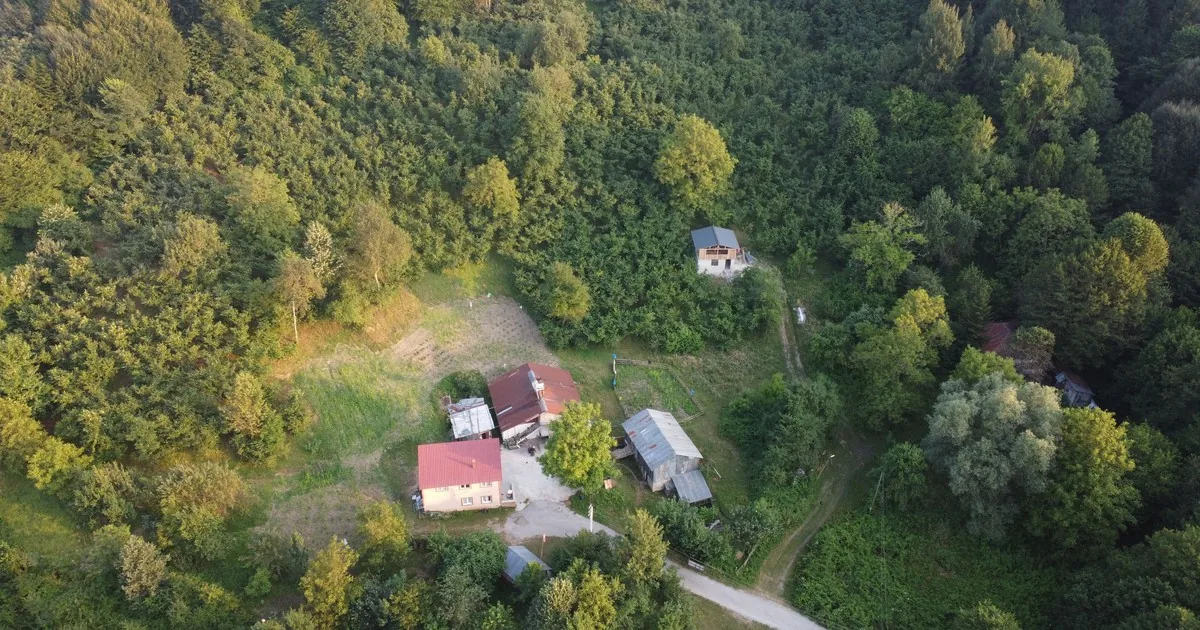
Ask the caller to send wide photos taken from a safe standing area. One should show the opening in relation to the building, driveway, slope, fence, and overhead lines. Another can show the visible casing or cover without anyone touching it. Photos help with access planning, but the contractor still confirms the well on site.
Build the access picture before choosing a crew
Well sealing may require a service truck, drill rig, pump hoist, grout equipment, water, and room to handle removed pipe. A well squeezed between a foundation and a mature tree is a different mobilization from an open casing beside a farm lane.
The intake should capture:
- property address, owner, caller, and the person authorized to approve work;
- exact location of every known or suspected well on the parcel;
- gate width, road surface, slope, soft ground, septic areas, buried utilities, overhead lines, fences, and landscaping;
- nearby buildings, additions, decks, paved areas, wells, and surface-water features;
- visible casing diameter and material, only if safely observable;
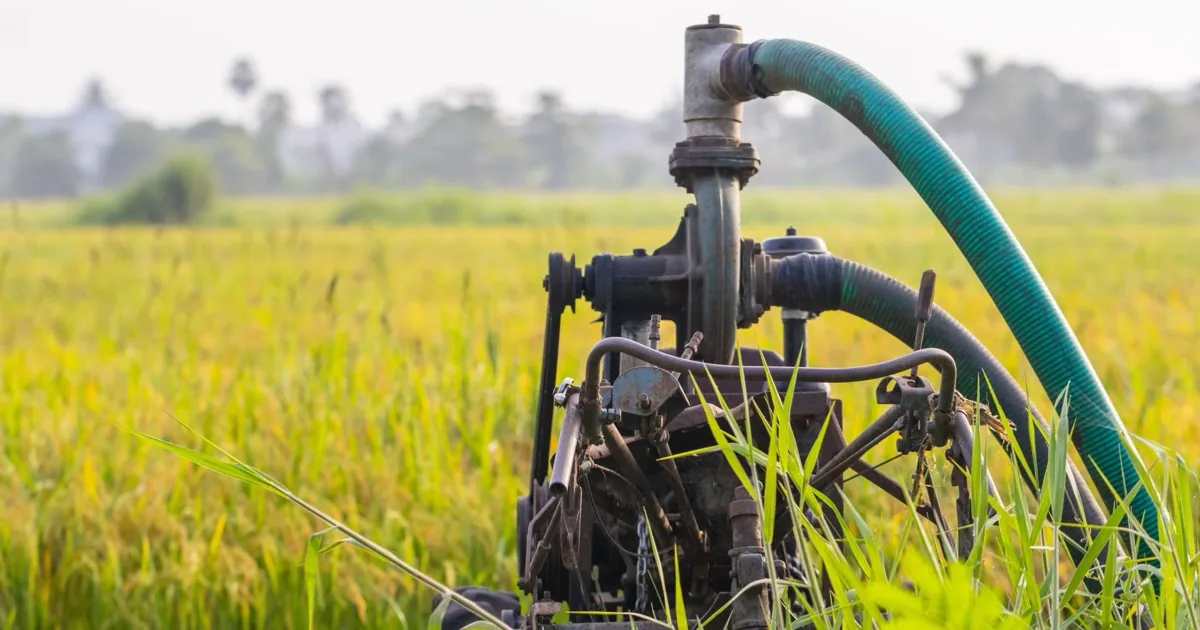
- pump, drop pipe, wiring, debris, or other known material in the bore;
- signs of flowing water, subsidence, a broken cover, or an open pit;
- local authority, required contractor credential, notice, deadline, and closeout form.
Ask whether the well is inside a basement, under steps, beneath an addition, or enclosed in a pit. Nobody should enter a confined space for intake photos. If the opening is unsecured, tell the caller to isolate the area without standing on the cover or placing loose material into the well. Follow the company’s emergency and safety procedure when a person or animal has fallen, ground is collapsing, electrical equipment is exposed, or water is flowing where it can damage property.
Explain why a surface fix can miss the real pathway
An unused well is a vertical opening through soil and water-bearing layers. If the casing, joints, or cover deteriorate, runoff and contaminants can move downward. A wide dug well also creates a fall and equipment hazard.
WellOwner.org notes that unused wells can connect surface contamination with groundwater. Where a bore crosses more than one water-bearing zone, the opening may also permit movement between those zones. This is why decommissioning addresses the entire bore below the few inches visible above grade.
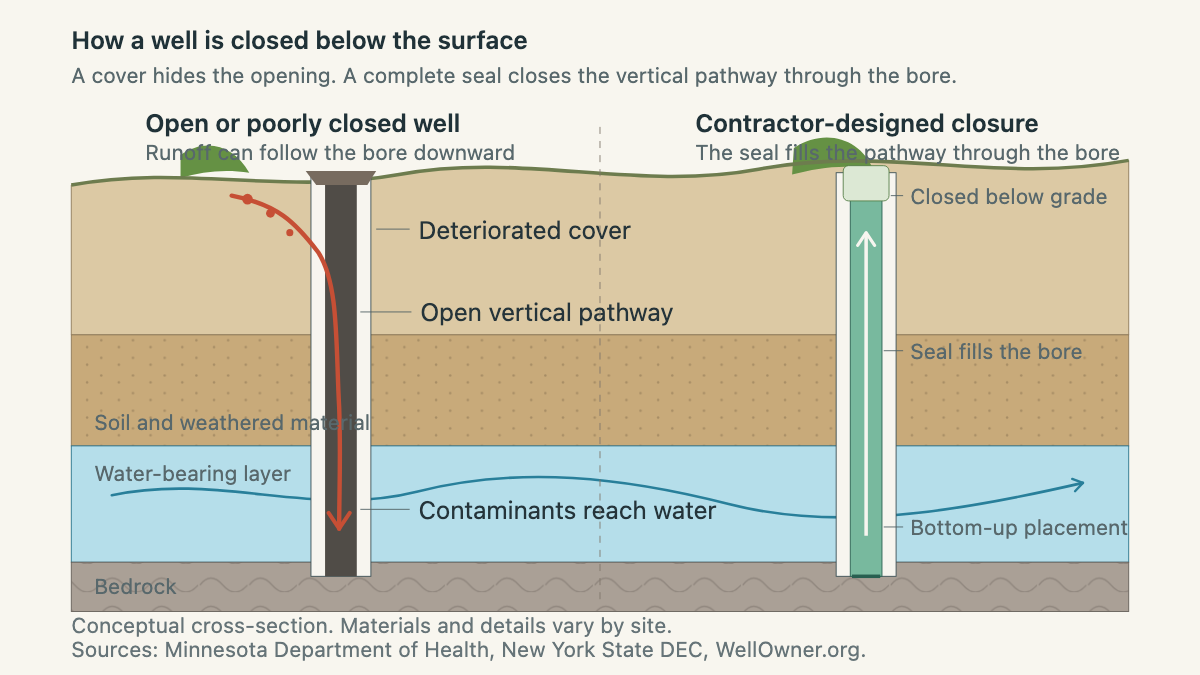
The cross-section explains the scheduling boundary. Soil dumped from the top can bridge inside a casing and leave an open void below. A lid can hide the opening while the subsurface pathway remains. The contractor must know the well construction and local requirements before deciding how obstructions are removed and how sealing material is placed.
New York’s water well decommissioning guidance calls for removing equipment and debris that would interfere with sealing. It also describes bottom-up placement for slurry materials in many conditions and adds special considerations for bedrock, flowing wells, casing, and large-diameter dug wells. Those details show why reception should never prescribe grout, bentonite, cement, fill quantities, or a universal sequence.
Route the authority and paperwork before quoting
Private-well closure rules vary by state and locality. Some places require a licensed or registered well contractor. Some allow limited owner work under specific conditions. Notices, inspections, material rules, deadlines, and filing responsibilities differ too.
Ask which agency regulates wells at the address. Depending on location, that may be a state health or environmental department, county environmental health office, water resources agency, or groundwater district. If the caller does not know, record the property location and route the question internally. Do not borrow the rules from the company’s usual service area when the property sits across a county or state line.
Minnesota requires a licensed contractor for sealing and a Well and Boring Sealing Record after completion. New York directs owners and contractors to check municipal requirements first and maintain a decommissioning record with the well log, material, quantity, and placement method. These are useful examples of the intake fields, but neither one is a national template.
Ask what event drives the deadline. A property sale, demolition permit, public-water connection, construction project, failed inspection, lender request, or enforcement notice may have its own documents and review timing. Obtain the written request when possible. “Closing next Thursday” is not enough if a county must receive a form before closing.
Keep the estimate honest
A caller may push for a price while standing beside the casing. Explain which variables the contractor must confirm: well type, depth, diameter, casing, geology, water level, obstructions, access, flowing conditions, required materials, equipment, restoration, and filing. Minnesota’s guidance identifies access, debris, depth, diameter, and geologic conditions as cost factors.
The office can state its consultation or site-visit policy and what the visit includes. It should not turn one owner-reported dimension into a final closure quote. If the company offers a range, define the assumptions and exclusions in ordinary language, then send the scope in writing.
Also ask about restoration. Will casing be cut below grade where permitted? Is pavement, a basement floor, landscaping, or a well house involved? Who handles utility locating, excavation, spoils, concrete, and final grading? The well contractor may complete some of that work and coordinate the rest.
Write the handoff in contractor order
Put the purpose first: “Permanent closure consultation for an unused domestic well before garage construction.” Follow with authority and deadline, records, known construction, condition, obstructions, access, safety flags, requested documentation, and attached photos.
Unknowns should stay unknown. Write “owner estimates 100 feet; no well log found,” not “depth 100 ft.” Write “suspected dug well under deteriorated boards,” not “36-inch dug well.” These distinctions affect equipment and risk.
Confirm the next step before ending the call. Tell the caller whether the booking is a site assessment, records review, or approved decommissioning visit. Name the person who must provide access. State which documents the office still needs and whether the company will contact the local authority or expects the owner to do so.
An AI receptionist can collect the same fields after hours and flag an open well or collapsing cover for urgent review. The script should preserve the limit: the contractor confirms what the opening is and how it can be closed.
One final question catches expensive surprises: “Is there anything in, over, or around the well that would keep a truck, hoist, or grout line from reaching it?” The answer often determines whether the next visit can produce a plan or only another unanswered question.