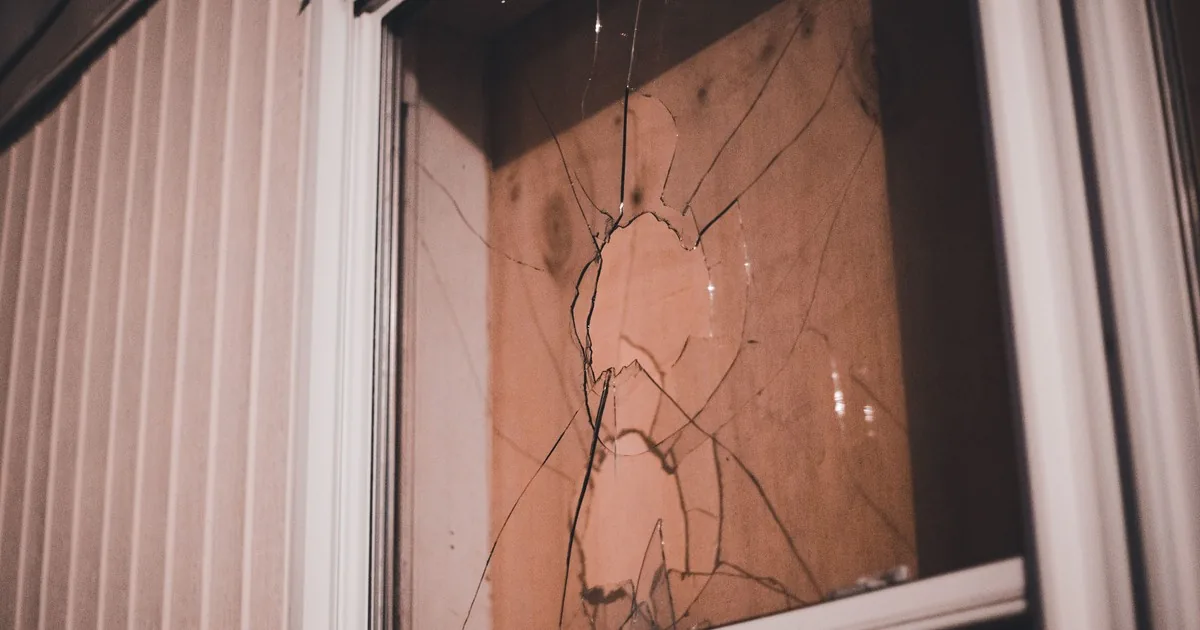
A caller says, “The window is shattered,” while someone in the room is sweeping. Another person is standing outside near the opening. Before asking for dimensions or a photo, stop the activity around the glass.
The safest call order is simple. Check for injury, an active break-in, fire, a falling frame, or another immediate emergency. Ask the caller to keep people and pets away from the affected area. Then establish whether the opening is exposed to entry or weather and needs urgent temporary security. Product details and permanent repair scope come later, after a qualified glazier can assess the assembly.
Reception should collect observations, not coach cleanup. Do not ask the caller to press tape onto cracked glass, pull loose pieces from a frame, measure across shards, climb outside for a photograph, or improvise a board-up. Those tasks put hands, eyes, and footing near an unstable material.
Route immediate danger before opening a work order
Begin with a direct question: “Is anyone injured, is anyone in danger, or is this connected to an active break-in, fire, impact, or structural damage?” Follow the company’s emergency script if the answer is yes. Emergency responders, property security, or another appropriate authority may need to act before a glass technician enters the scene.
Keep the note factual. Record “person reports a cut and is contacting emergency services,” “police remain on site after forced entry,” or “upper sash and frame appear loose after a branch impact.” Do not describe the building as safe, the glass as stable, or an injury as minor. Reception cannot verify those conclusions by phone.
Broken architectural glass presents cutting and piercing hazards. The federal Safety Standard for Architectural Glazing Materials was created to reduce serious injury when covered glazing breaks through human contact. OSHA’s separate rules for eye and face protection and hand protection apply to workplaces, but they reinforce a useful phone boundary: an office employee should never direct an unprotected caller through shard handling.
Ask whether anyone is still walking through the room, whether children or pets can enter, and whether glass has fallen onto a sidewalk, shared hall, driveway, stair, or public entrance. The caller can move away and restrict access without touching the glass. If the site controls a public path, flag that exposure for urgent review under the company’s own safety policy.
Separate temporary security from permanent repair
A cracked pane that remains within a closed, secure frame is a different dispatch problem from a window with a hole, a missing pane, or an opening large enough for entry. The first may fit a glass-assessment appointment. The second may need an urgent secure-opening response before permanent glass can be measured or ordered.
Ask what remains between the interior and outside. Can the caller see a hole through the pane? Is most of the glass still held in the sash? Is the sash closed and locked? Did the frame pull away from the wall? Is the opening exposed to rain, wind, heat, cold, insects, or easy entry? Record the answers as reported facts.
Temporary board-up is a separate service offered by many glass companies. One industry example, Giroux Glass’s emergency board-up service, describes securing the property first and completing permanent glass repair afterward. Your company may use a board-up crew, a glazier, a restoration partner, or another approved method. Reception should follow that written route without telling the caller how to fasten plywood or what materials to use.
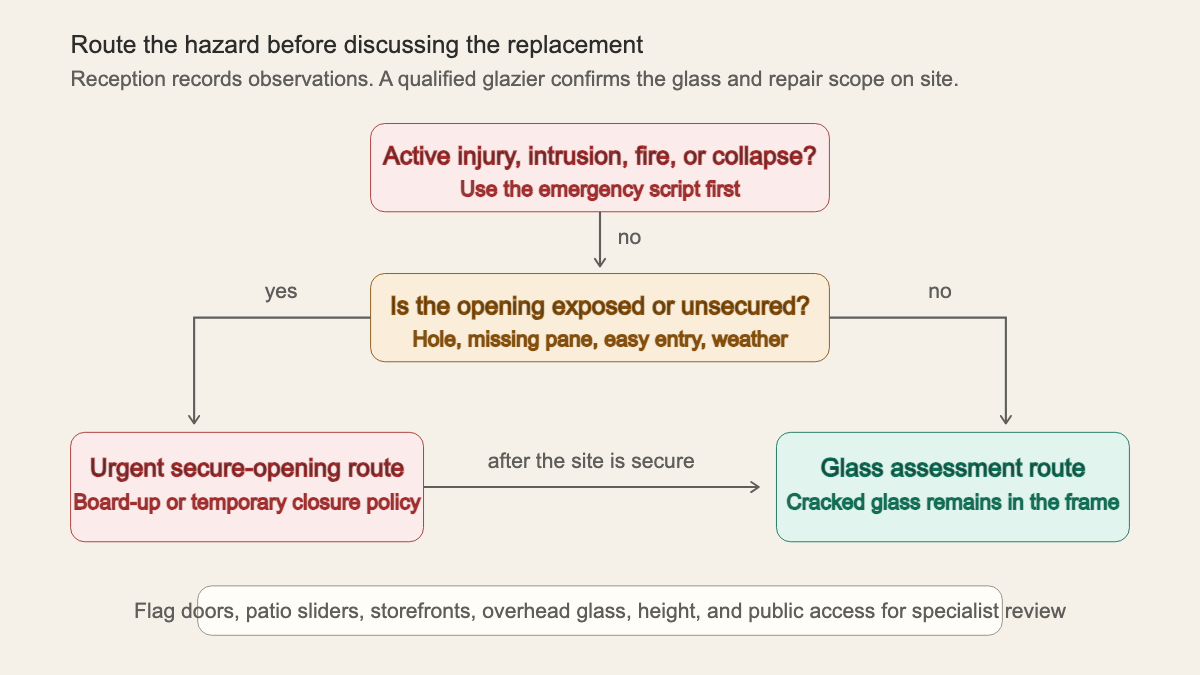
Weather and access change urgency, but avoid promises. A first-floor bedroom window open to the street raises a different security concern from a small crack in an upper fixed pane. A storefront opening beside pedestrian traffic may require a controlled perimeter. A technician still needs to assess the frame, substrate, glazing, and site before choosing a temporary or permanent method.
Capture the assembly from a safe position
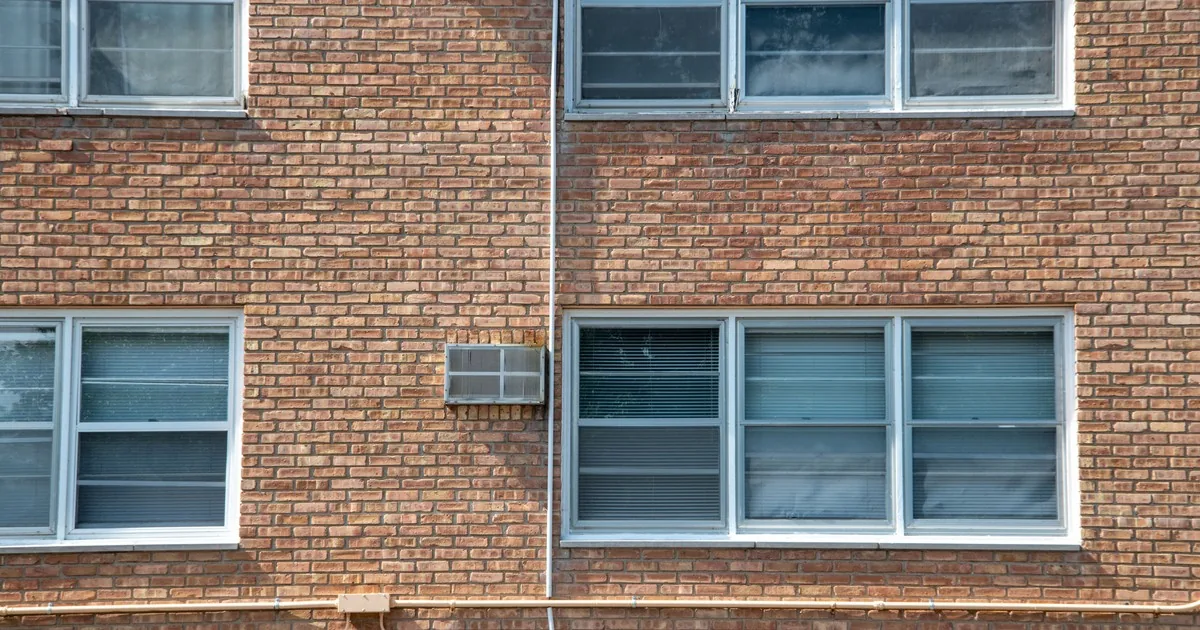
Once immediate danger and security routing are handled, identify what broke. Ask whether the damaged glass is in a standard operable window, a fixed picture window, an exterior door, a patio slider, a sidelight, a storefront, an interior partition, a shower enclosure, or overhead glazing. Record the room, floor, side of the building, and number of affected openings.
A useful photo shows context. Ask for one view of the whole opening from a position the caller can reach without crossing fallen glass. A second photo may show the surrounding wall, frame, sash, and floor. An exterior photo is useful only when it can be taken from normal ground or an already-safe public position. Never ask someone to use a ladder, lean through the opening, step onto a roof, or move close to hanging pieces.
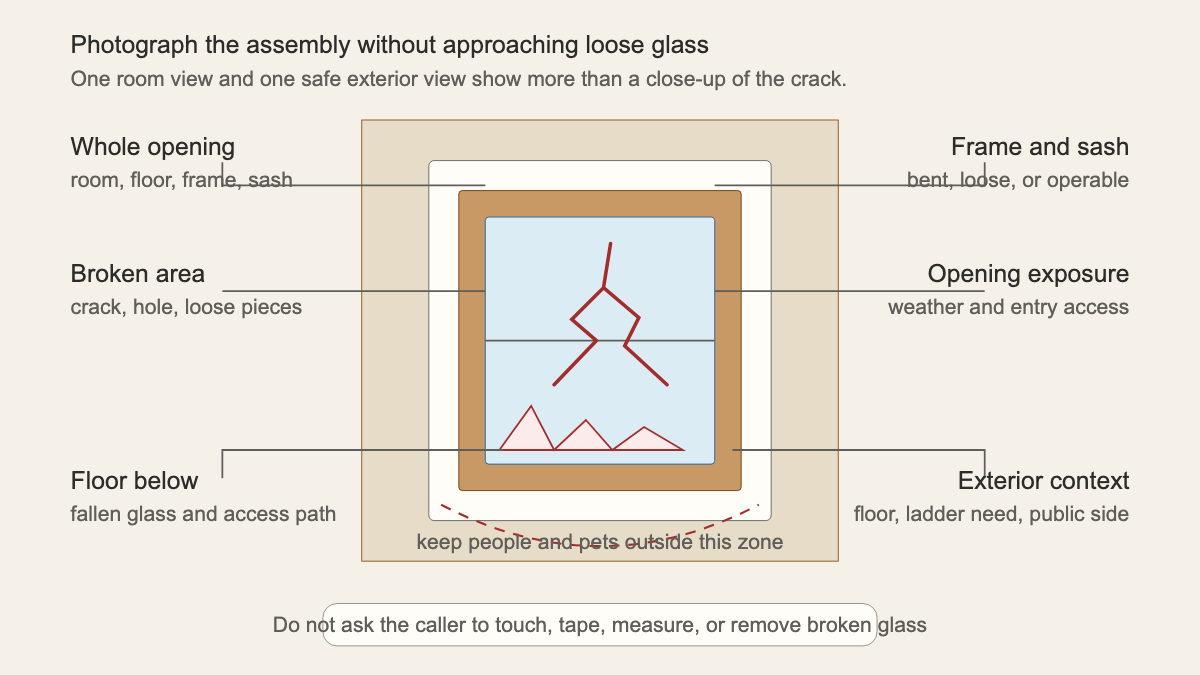
The best intake questions describe condition without diagnosing it:
- Is there a crack, a hole, missing glass, loose pieces, or glass on the floor?
- Does the sash still close and lock? Is any frame or trim visibly bent, detached, or hanging?
- Is the broken area one pane within a larger unit, and does the caller see another intact pane behind it?
- Are there labels, etching, manufacturer marks, warranty records, or an old invoice that can be photographed safely?
- What caused the damage, if known, and is that cause finished? Examples include impact, storm debris, forced entry, heat, or an unknown event.
- What blocks access for a technician: locked gates, furniture, alarms, pets, tenant entry, parking limits, stairs, or a public walkway?
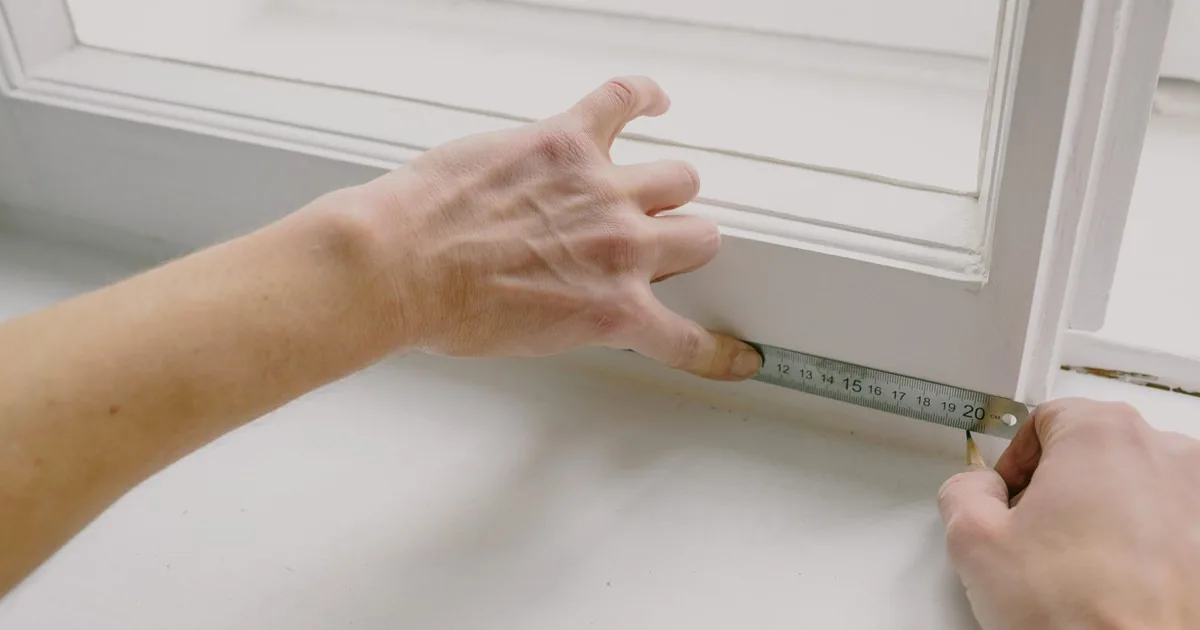
Do not ask the caller to measure the glass when the tape would cross a fracture or exposed edge. Approximate opening size can wait for a safe field measure. Even a clear photograph cannot confirm glass thickness, coating, spacer construction, heat treatment, exact dimensions, or compatibility with the existing sash.
Flag doors, sliders, storefronts, and overhead glass
Some locations deserve an explicit specialist flag. The federal glazing standard covers listed products such as doors, storm or combination doors, shower and bathtub enclosures, and patio-type sliding glass doors. That does not let reception identify the installed product or declare compliance. It means “broken glass door” should remain a precise dispatch category, not be reduced to “one pane.”
Ask how people normally move near the glass. Is it in a swinging door, beside a handle, at floor level, above a doorway, or next to a stair? For storefronts, record whether the opening faces a sidewalk, parking lot, vestibule, or occupied sales floor. For overhead glazing or an upper-story window, note what lies below and keep the caller away from that area.
Tempered glass is designed to break differently from ordinary annealed glass, but fragment appearance in a phone photo is not a reliable product identification process. The CPSC’s Tempered Glass Safety Alert explains the intended fragmented break behavior and the role of safety standards. Let the field professional inspect markings, location, remaining material, and assembly requirements.
If the caller reports haze or moisture sealed between panes with no acute breakage, use the separate foggy double-pane window intake. If the conversation has shifted to replacing the whole assembly, the full-frame versus insert consultation guide covers planned replacement scope. Those are different calls from an exposed opening with loose glass.
Give dispatch a note that supports the first visit
The final record should state the address, caller and site contact, room or elevation, floor, opening type, number of damaged sections, injury or emergency status, whether people and pets are clear, whether the property is exposed, whether the frame closes and locks, weather and entry concerns, fallen-glass location, public access, cause if known, and available safe photos. Add gate, alarm, tenant, parking, and authorization details.
Name the appointment according to what the company can actually provide. “Emergency secure-opening assessment,” “temporary board-up response,” or “broken glass field measure” is clearer than promising immediate replacement. Custom glass, specialized units, frame damage, access equipment, and site conditions may require separate work.
An after-hours receptionist or AI voice agent can capture the same fields consistently. The safety boundary should remain fixed: route danger, keep the caller away from glass, identify exposure, and send the qualified team a clean record.
A useful dispatch note sounds like this: “Ground-floor living-room double-hung window struck from outside; lower sash has a hole and loose glass remains in the frame; glass is on the interior floor; occupants and dog are in another room; sash closes but will not lock; opening faces an accessible side yard; no injury reported; caller requests urgent temporary security; technician can enter through front door.” That tells the crew what it is walking into without asking reception to solve the glass job over the phone.