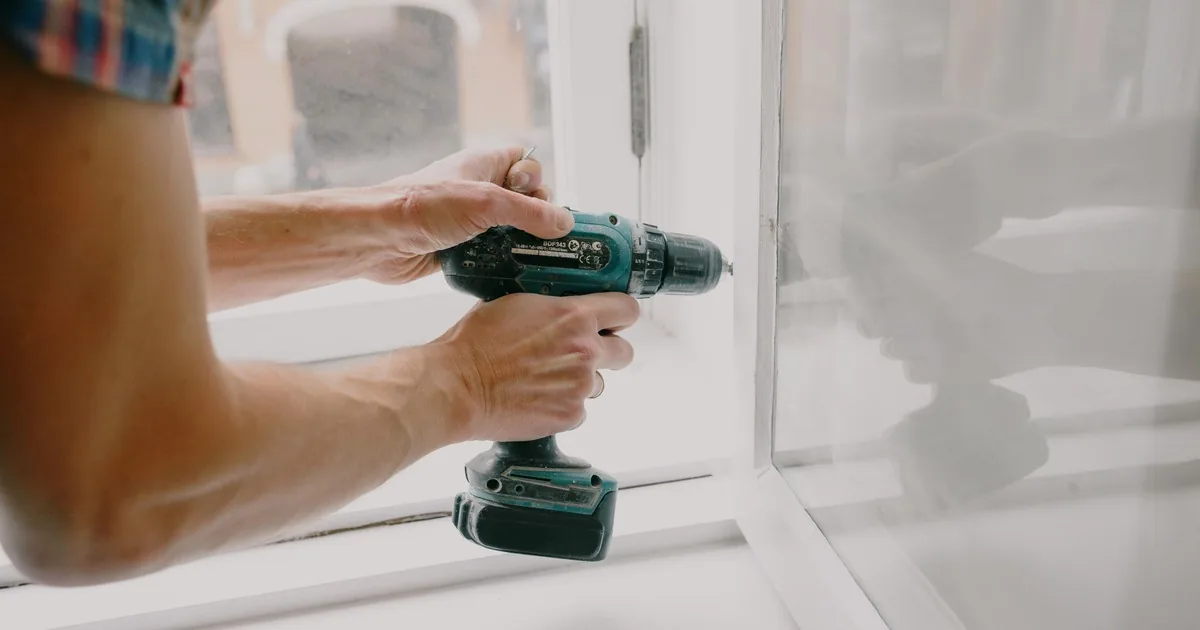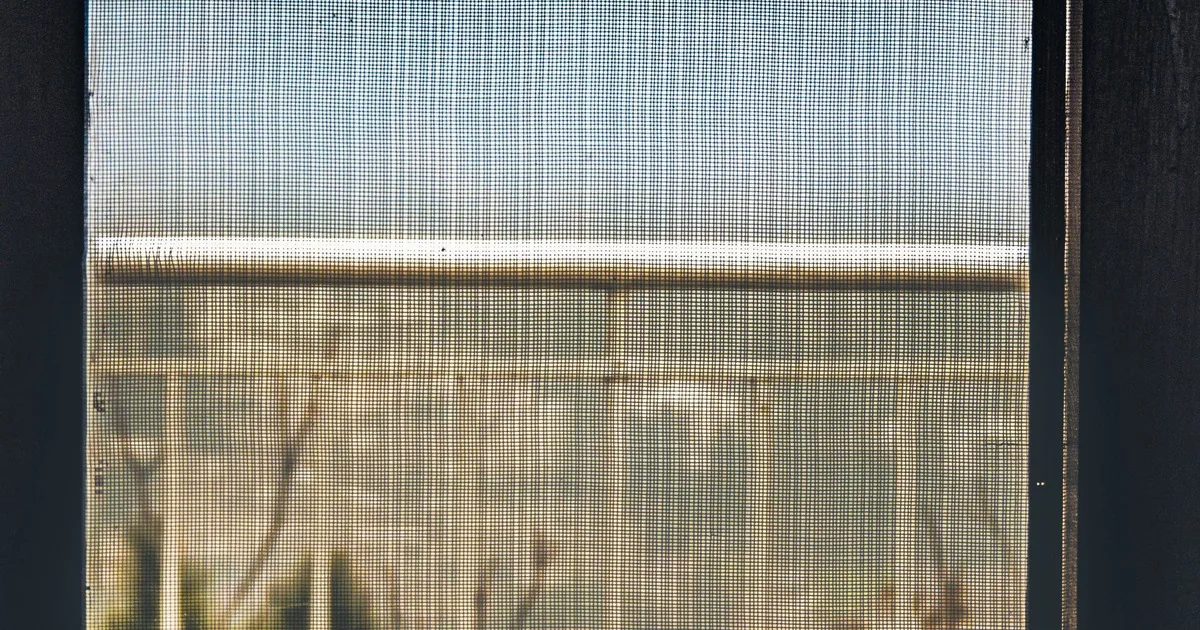
“I need a new screen” can describe five different jobs. The mesh may have one tear. The whole mesh field may be loose. A corner may have separated, the frame may be bent, or the original screen may be missing.
The first call should identify the actual item and preserve the evidence needed to match it. Record the quantity, window type, frame condition, mesh condition, retention hardware, location, access, and whether the original screen is available. Then route the request according to the company’s real workflow: shop rescreening, onsite assessment, or measurement for a new frame.
Do not promise that a patch, new mesh, or replacement frame will fit before someone has reviewed the screen and opening.
Name the item before discussing the repair
Callers use “screen” for removable window screens, sliding screen doors, retractable screens, storm panels, and sometimes the complete window. Start with a physical description.
Ask where the item is now. Is it installed in the window, lying loose in a garage, or missing? Does it cover the full opening or only the moving portion? Is it a rigid rectangular panel, a roll-down product, or a pleated screen? Does it slide on rollers like a patio door? A sliding screen door has its own frame, rollers, track, handle, and alignment concerns. Keep that request out of a window-screen work order.
Also ask how the window opens. A screen for a double-hung window may sit outside the sash, while a casement screen can mount on the interior. Product-specific pins, clips, latches, and frame profiles vary. “Bedroom window” tells the technician where to walk. “Interior full screen on a crank-out casement, with two pull tabs at the bottom” starts to identify the part.
If the caller really wants the window replaced, move the request to the full-frame versus insert window replacement intake. A removable insect screen is a much narrower scope.
Sort mesh damage from frame and fit trouble
The most useful early distinction is simple: does the damage stop at the mesh?
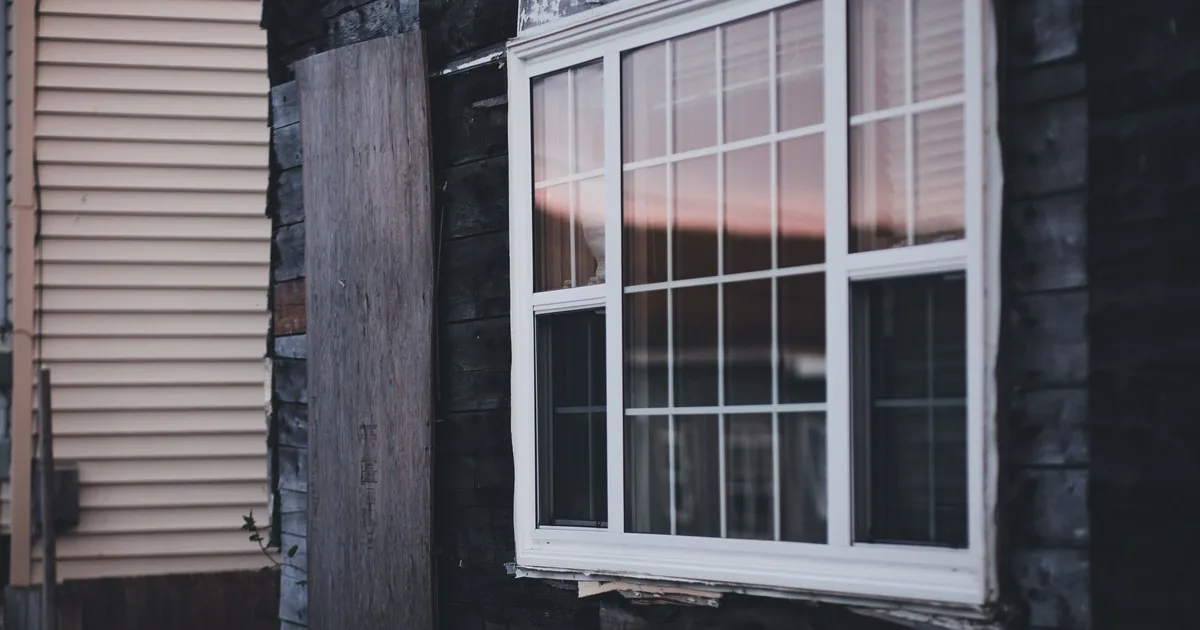
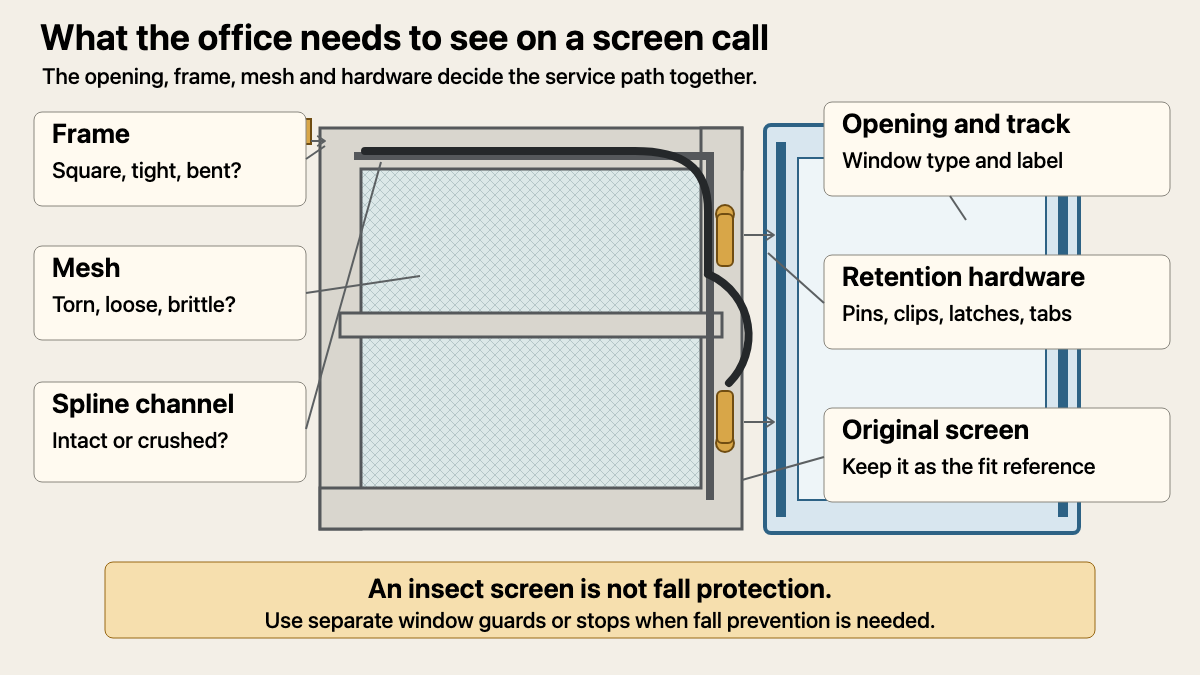
A straight frame with tight corners and an intact spline channel may be suitable for new mesh. That decision still belongs with the person inspecting the panel. The call taker can document that the mesh is torn, loose, faded, punctured, or pulling out along one edge. Avoid turning those observations into a confirmed repair method.
Widen the scope when the caller reports a bent side, a twisted frame, corners that pull apart, a damaged center bar, a crushed spline channel, missing hardware, corrosion, or a panel that will not sit securely in the opening. New mesh cannot correct a frame that rocks on a flat floor or leaves a gap at one corner. A compatible frame member or corner may be replaceable, but a photograph cannot guarantee that the matching profile is available.
Ask what happened. Pet damage concentrated in the mesh creates a different parts conversation than a ladder strike that kinked one frame member. Storm debris may have damaged the screen and the window. If glass is cracked, a sash is loose, or the opening cannot be secured, use the broken-window-glass intake and the company’s urgent-routing policy.
Build one photo set that can survive the handoff
One close-up of a hole in dark mesh is rarely enough. The estimator needs context, then detail. Ask for this sequence:
- One straight-on photo of the complete window, plus a second view that shows how it opens and where the screen sits.
- The complete loose screen on a flat surface, front and back, if it can be removed safely.
- Each frame corner, the center bar, and a close side view that shows the frame profile without dismantling it.
- Every pull tab, plunger pin, spring, swivel clip, latch, hanger, or other retainer.
- The window tracks, stops, receiving holes, clips, and sill details that hold the screen in place.
- All bent, separated, corroded, torn, missing, or altered areas, along with any readable window label or code.
The Best Screens repair and replacement guide describes why these details belong together. Two panels with similar width and height can use different frame depth, flange direction, hardware placement, or retention methods. The original screen is useful evidence even when it looks beyond repair. Ask the caller to keep it.
If the screen is missing, photograph the empty opening and the hardware from safe positions. A neighboring window with a matching panel can provide a reference, but record the room and opening for both units. Do not assume they match because they look alike from the floor.
Treat caller measurements as planning notes
Approximate width and height can help an office understand whether the caller has one ordinary panel or a large custom opening. Label those numbers as customer supplied. Never send a replacement frame into fabrication from a hurried phone measurement unless the company has a documented process that accepts that risk.
Fit can depend on the outside frame dimensions, frame profile, squareness, center-bar position, hardware location, mounting clearance, spline channel, selected mesh, and the condition of the window track. The person responsible for the finished fit should take or verify the fabrication measurements.
Use a fixed measuring description in the work order. “Caller measured about 29 inches wide across the outside of the loose frame” is better than “window is 29 inches.” The second note hides both the measuring points and the item that was measured.
Never ask someone to lean outside, stand on furniture, remove a sash, or defeat a safety feature to reach a corner. If the screen is high, stuck, or installed on the exterior, record that condition and let the field team plan access.
Ask about mesh goals without selling the wrong material
Callers often start with a solution: pet mesh, finer insect mesh, solar screen, aluminum mesh, or “the strongest one.” Capture the goal and the reason behind it. Does a cat claw the lower section? Are tiny insects entering? Does the homeowner want a clearer view? Must several screens match visually from the street?
Then stop short of specifying material. Heavier or denser mesh changes tension and may not suit a light or tired frame. The spline must also work with the channel and selected material. An installer needs to assess the assembly before confirming a combination.
Record how many panels need work and whether they should match. A house with twelve screens may contain several window series, sizes, colors, and retention systems. Number the openings by room and elevation. “Kitchen sink window, east wall, screen 3 of 8” is far easier to reconcile than eight unlabeled photos.
Keep fall safety in a separate lane
An insect screen is not a safety barrier. The U.S. Consumer Product Safety Commission tells caregivers never to depend on a screen to keep a child from falling through an open window. Window guards, window stops, and furniture placement are separate fall-prevention measures.
This matters on the phone. If a caller says a child pushes on the screen, do not offer stronger mesh as the safety solution. Record the concern, advise the caller to keep the child away from the open window, and route any guard or stop request under the company’s approved scope. If the window sash itself drops or will not stay open, use the window-sash repair intake.
Choose a next step the shop can actually perform
The intake should end with a defined handoff. For a removable panel with mesh damage and an apparently sound frame, that may be a shop drop-off. Confirm the drop-off location, labeling method, business hours, expected review process, and who will approve changes if the frame fails inspection.
An onsite visit makes more sense when the screen is missing, several openings differ, access is difficult, the retention method is unclear, or the window track may be damaged. A new-frame request usually needs verified measurements and a fit check. Specialty, retractable, or manufacturer-specific systems may require product records or referral to the original dealer.
Read the work order back before booking: “Three removable window screens. Two have torn mesh but appear straight in the customer’s photos. The third is missing from an upstairs casement window. Existing screens use interior latches. Full-window, frame-profile, corner, latch, and label photos are attached. Customer wants pet-resistant options reviewed. Field measurement is required for the missing panel.”
That note gives the technician a place to start. It also keeps the office from promising a part, material, or finished fit before the actual assembly has been seen.