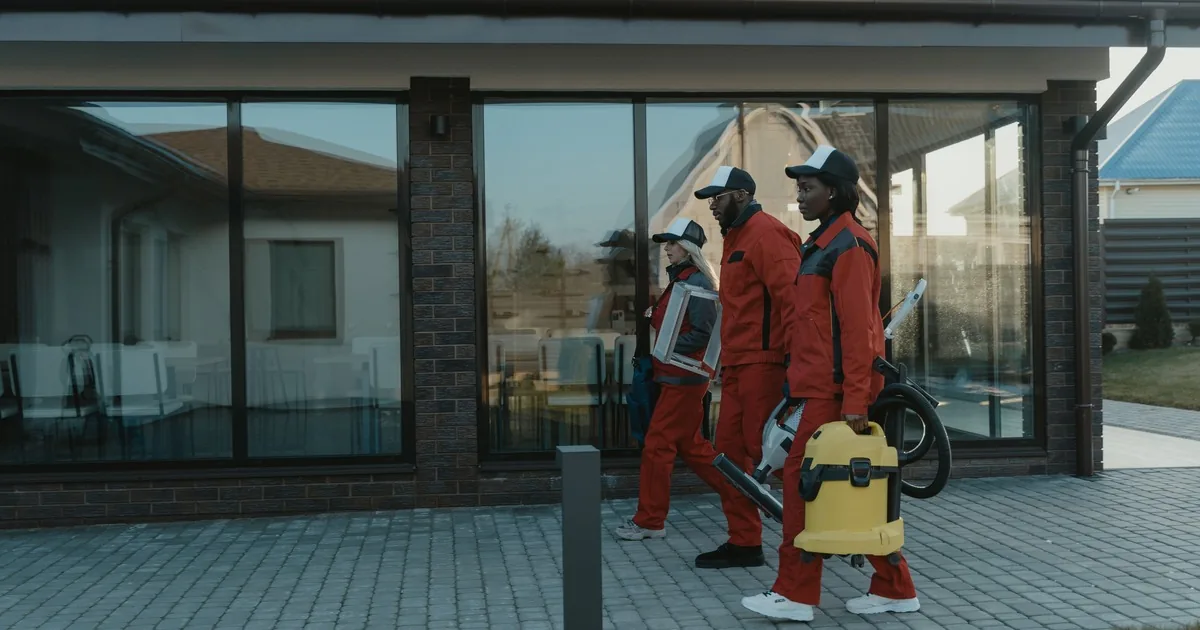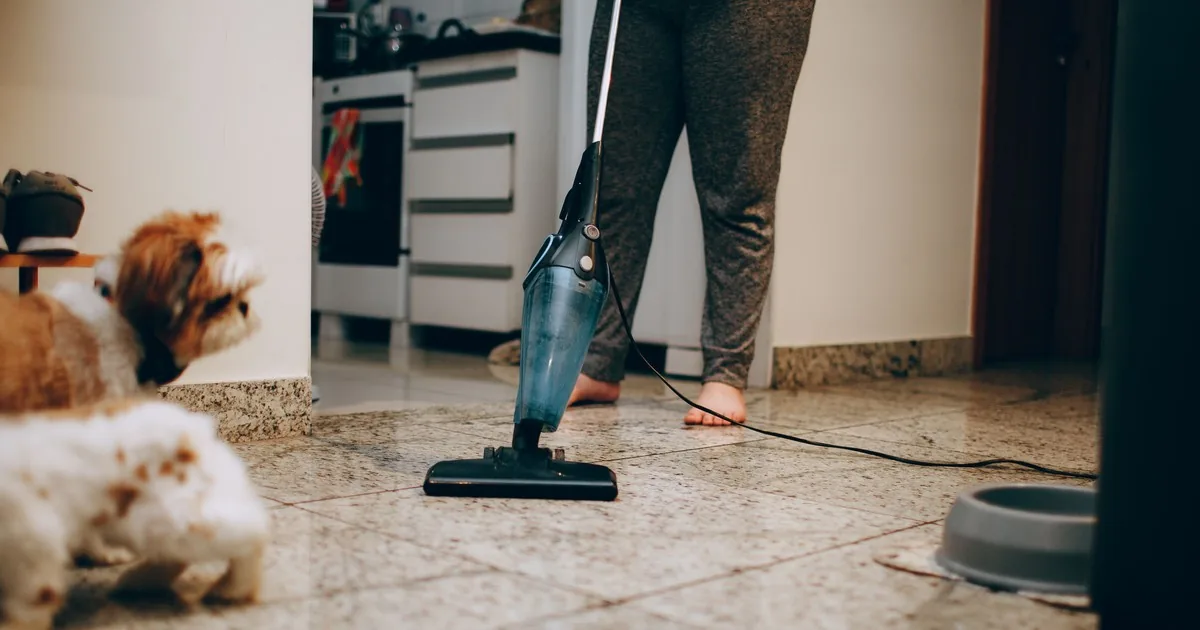
A new customer says, “The dog is friendly. You can let yourself in.” That sounds reassuring until the cleaner opens the front door with a vacuum in one hand, the dog pushes toward the porch, and nobody answers the customer’s phone.
A house-cleaning service should settle the pet plan before booking: which animals are present, where they will stay, who is responsible for securing them, how the cleaner enters, which pet items are in scope, and whether a product label or veterinary instruction changes the work. “Pet-friendly products” is too vague for a job note. Record the exact product restriction, surface, and reentry condition.
The owner controls the animal. The cleaner controls the work area under company policy. The office connects those responsibilities with a clear record.
Start with the animal, not the floor plan
Ask which animals live in the home and how many will be there during service. A dog behind a closed bedroom door creates a different access plan from two indoor cats, a bird in the living room, a rabbit with a floor enclosure, or a reptile whose heat setup cannot be unplugged. Record the customer’s description without turning it into a behavior guarantee.
Useful questions include:
- Which animals will be home during the appointment, and where will each one stay?
- Who will secure them before the cleaner enters?
- Has any animal rushed a door, hidden under furniture, guarded a room, reacted to vacuums, or become distressed around unfamiliar people?
- May the cleaner enter the pet’s room, or is it excluded?
- Who should the cleaner call if the pet is loose, the boundary has failed, or the animal appears distressed?
- Are there feeding times, medication routines, gates, crates, litter areas, aquariums, cages, or heat lamps that the cleaner must avoid disturbing?
Do not promise that a cleaner will handle, move, feed, medicate, crate, or release an animal unless the company offers that service and the assignment says so. A note such as “friendly golden retriever” does not tell the crew whether the dog will be crated, behind a latched door, with the customer, or loose in the work area.
Birds deserve a specific flag. The ASPCA’s household-product guidance advises obtaining veterinary guidance when cleaning products are used around birds because they are highly sensitive to fumes. The receptionist should capture the bird’s location and any instructions supplied by the owner or veterinarian, then route product questions to the company’s responsible person. The receptionist should not invent an answer about what is safe.
Build an access plan with a closed boundary
The strongest plan has a physical boundary and a named person responsible for it. “Keep the cat upstairs” is weak. “Customer places both cats in the upstairs office and closes the solid door before the 9 a.m. arrival; cleaner texts Morgan before opening the front door” can be followed.
Record the entry method beside the pet plan. Include the key, keypad, lockbox, doorman, garage, gate, alarm, parking instruction, and arrival notification. If the customer will be home, ask who answers the door and whether the pet must be moved before equipment comes inside. If the customer leaves, confirm when the pet is secured and whether anyone else may arrive during the appointment.
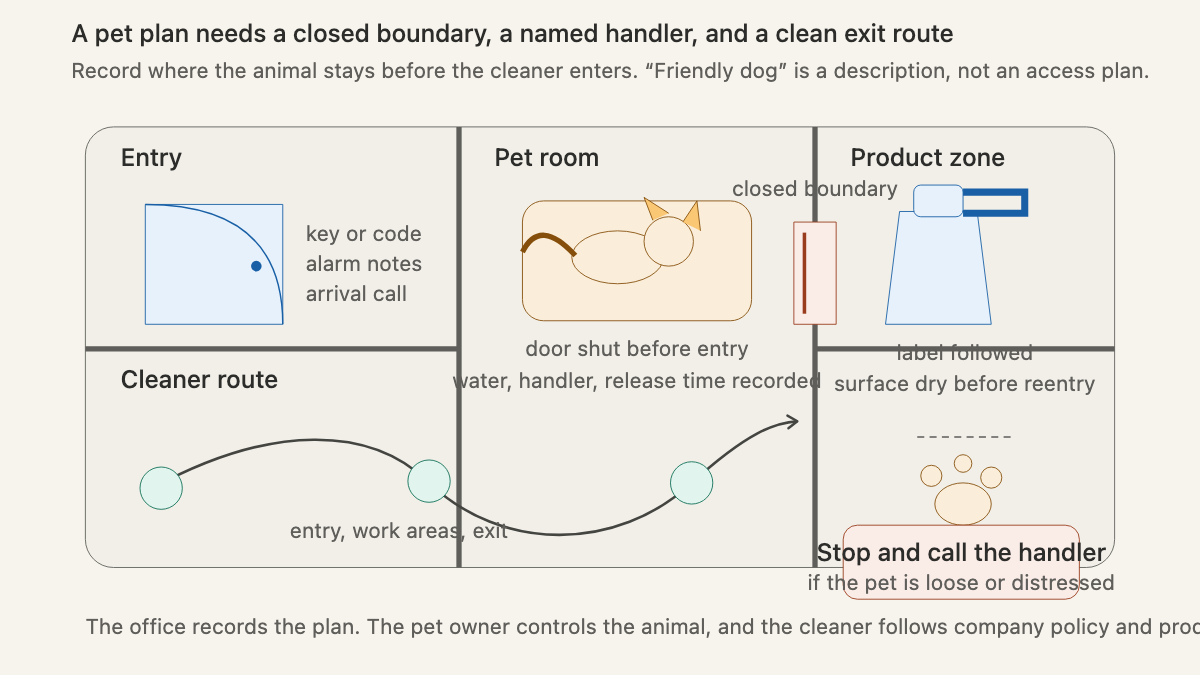
Set the failure rule before the visit. When the cleaner arrives and finds a loose animal contrary to the job note, the safe response is usually to remain outside or leave the affected area, contact the named person, and follow company policy. The cleaner should not chase a frightened cat through the house or test whether a barking dog is friendly.
The same record protects the animal from the crew’s equipment. Ask whether exterior doors or balcony doors will be opened, whether the vacuum cord crosses a gate, and whether a cleaner needs access to the room selected for containment. If the only available pet room is also the room the customer wants deep-cleaned, the schedule needs another sequence or another location.
For recurring work, save the stable plan but confirm it each visit. Animals, access codes, household members, and room assignments change. The recurring house-cleaning call guide covers the wider cadence and scope record.
Turn product preferences into exact constraints
Customers use “natural,” “green,” “fragrance-free,” and “pet-safe” as broad categories. Those words do not identify a product, dilution, treated surface, ventilation requirement, or reentry time. Ask what the customer is actually requesting.
The useful version is specific: “Use customer-supplied unscented floor cleaner on sealed kitchen tile only. Do not use it on wood. Dog remains behind the office door until the floor is dry. Bottle stays on the kitchen counter for the cleaner.” The company can then decide whether it accepts customer-supplied products and whether the instruction fits the label and its own policy.
The EPA’s pet label guidance tells users to follow warnings about ventilation and exposure and to keep pets away from treated areas as directed on the label. ASPCA makes the same core point: most household cleaning products can be used around dogs and cats when label directions are followed. Its examples also show why details matter. Diluted bleach used on some pet items requires thorough rinsing and odor dissipation, while enzyme-cleaned areas should dry before pet access.
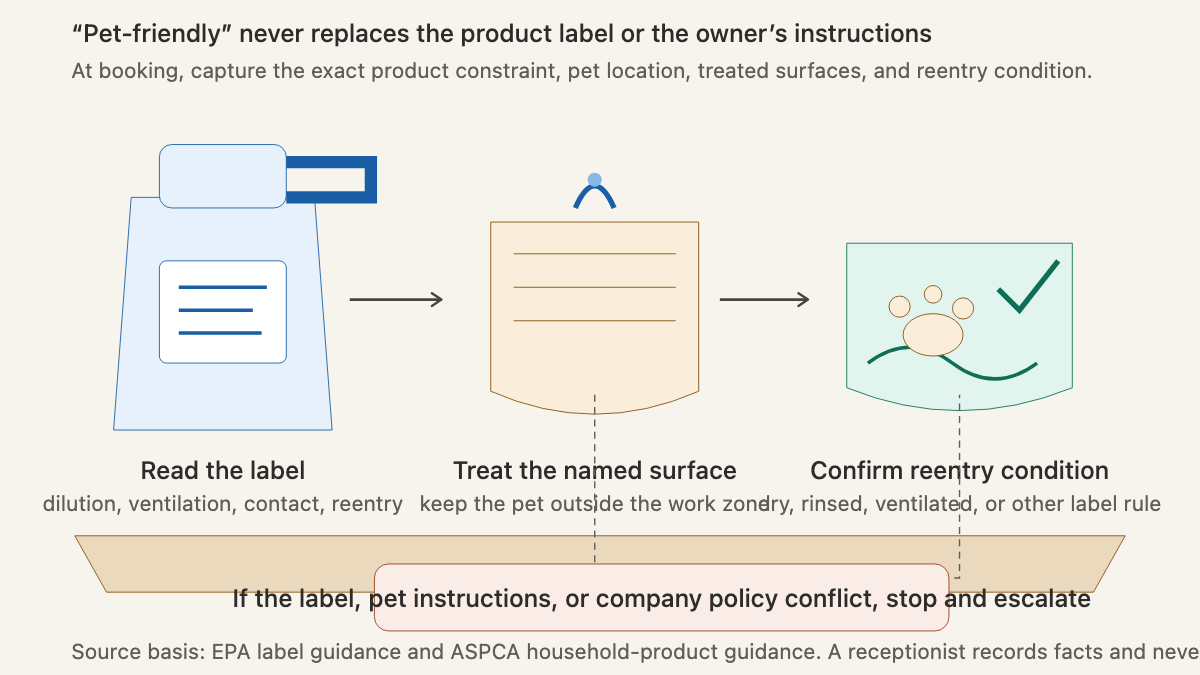
Ask four product questions on the call:
- Is the request about fragrance, a disclosed sensitivity, a veterinary instruction, a specific ingredient, or a named product?
- Will the company use its approved product or a customer-supplied one?
- Which surfaces or rooms does the restriction cover?
- What label or veterinary instruction governs ventilation, rinsing, drying, and pet reentry?
Never tell a caller that a product is harmless to every species. “Natural” does not settle that question. The American Veterinary Medical Association advises keeping pets away from freshly treated surfaces until dry and storing products where pets cannot reach them. If a customer reports an exposure or symptoms, stop the cleaning discussion and direct the customer to their veterinarian or animal poison-control resource. The cleaning office does not diagnose exposure.
Define pet hair, pet items, stains, and waste separately
“Pet home” can mean ordinary hair on upholstery, a litter box in a bathroom, food bowls on the kitchen floor, an aquarium beside a dusty window, or a recent urine accident in a carpeted bedroom. Each has a different scope.
Ask which pet-related tasks the customer expects. Does routine vacuuming include upholstered furniture? May the cleaner move pet beds and toys? Are bowls emptied, washed, refilled, or left alone? Are cages, aquariums, litter boxes, kennels, puppy pads, waste, vomit, or urine included under company policy? Does the company treat stains, or does it refer carpet and upholstery work?
Do not let the receptionist quietly add biological waste or animal-care work to a standard clean. Record the observed material in the customer’s words, the surface, the approximate area, how recent it is, and whether photos are available. A manager can decide what training, equipment, product, time, and price apply.
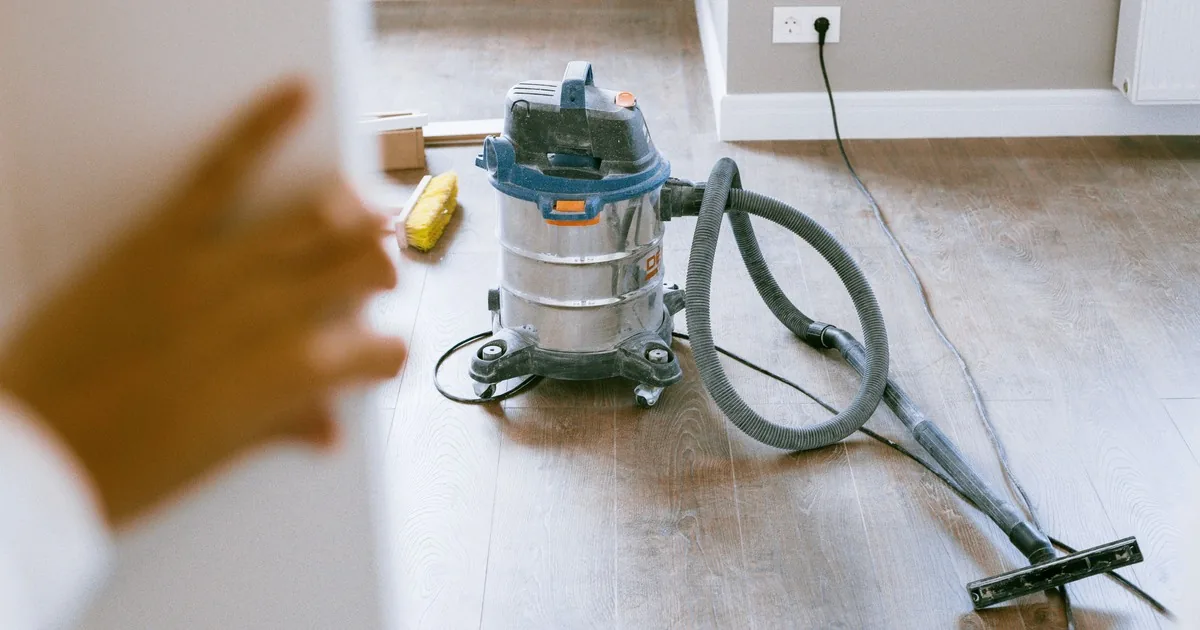
Keep supplies secure during the visit. The cleaner needs a staging place that pets cannot reach, especially for concentrates, pods, trash, sharp tools, wet cloths, and open containers. OSHA’s cleaning-industry hazard resources cover chemical exposure, electricity, ergonomics, falls, and personal protective equipment. A pet in the work zone can add movement and access problems to hazards that already exist.
Give the crew one dispatchable record
Before ending the call, read the plan back. The customer should hear the animal location, handler, entry method, room exclusions, product rule, pet-item scope, reentry condition, and failure contact in one sequence.
A complete note might say: “One dog will be home. Jordan places him in the upstairs office behind the closed door before 8:30 and texts when secure. Cleaner enters through the front keypad and does not clean that office. Use the company’s approved unscented products. Dog remains upstairs until hard floors are dry under label directions. Food bowls and the dog bed stay in place. Routine hair vacuuming is included; accident treatment is not. If the dog is loose or distressed, the cleaner stays outside and calls Jordan.”
That note gives the cleaner something usable. It also leaves the decisions with the right people: the owner handles the animal, the company approves products and scope, and the label controls use.
An AI receptionist can capture the same fields after hours and flag a loose-animal concern, bird household, customer-supplied product, or exposure question for review. The booking still belongs to the cleaning company. When the pet plan names a real boundary and a real person, the crew does not have to improvise at an open front door.