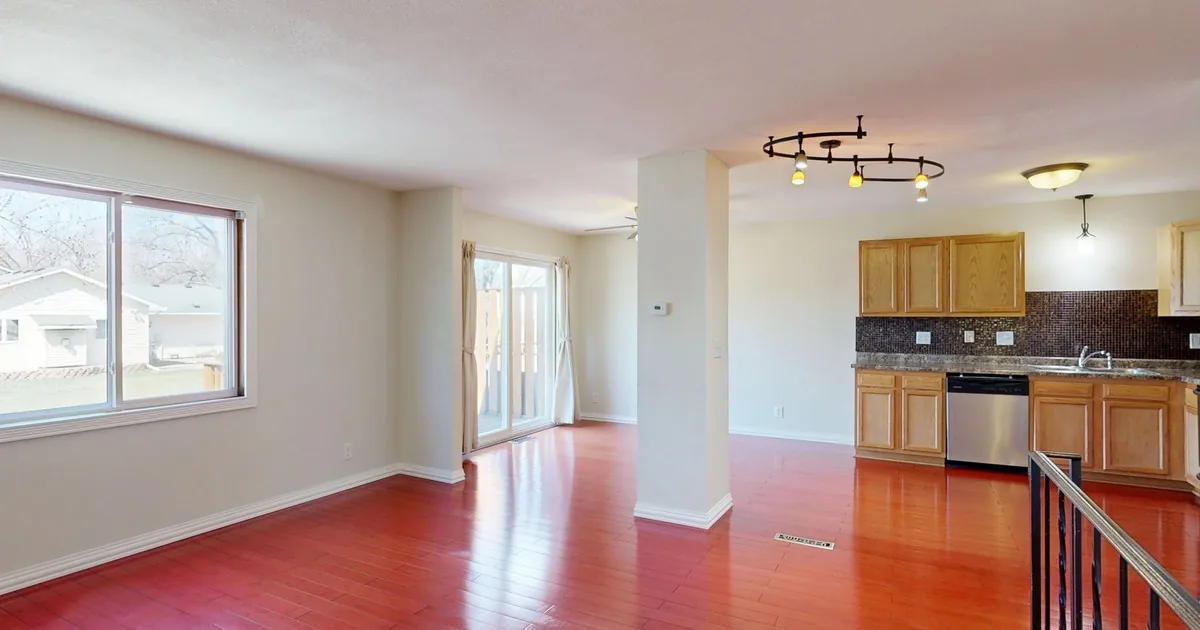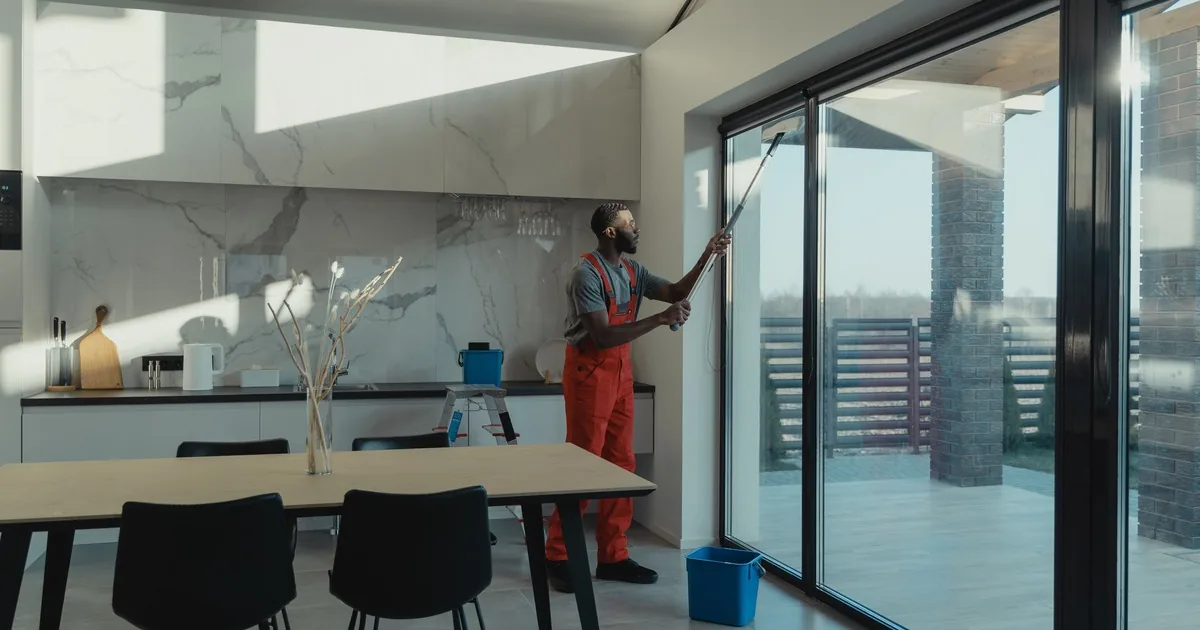
A customer books a standard house clean, then adds, “Could you do the inside windows too?” That sentence sounds small. It can mean six reachable panes in an empty living room, or every window in a furnished two-story house, including screens, tracks, French panes, a skylight, and adhesive left from holiday decorations.
The office needs a count, a boundary, and an access note before confirming the add-on. Start by asking which rooms are included and whether the request covers the interior glass only. Then separate screens, tracks, sills, frames, grilles, exterior glass, and specialty residue. Record high or blocked windows for crew review.
That gives the customer a clear booking and gives the team a job they can recognize when they arrive.
Define “inside windows” one surface at a time
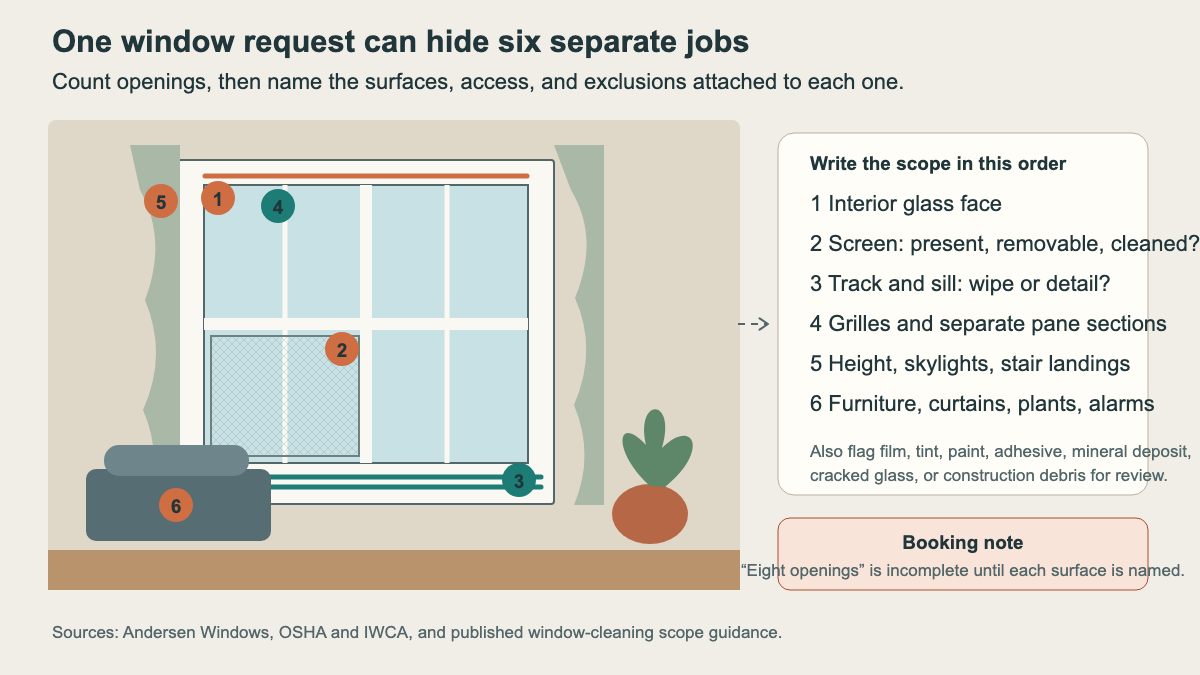
“Inside” should identify the face of the glass, not the entire window assembly. A customer may point to one window and assume the glass, screen, frame, sill, track, blinds, and outside face belong to the same task. Your package may treat every one of those items differently.
Ask a direct first question: “Do you want the room-side glass cleaned, or are you also requesting screens, tracks, sills, or frames?” Read the answer back in the company’s own service language. If the package includes a light sill wipe but charges separately for detailed track cleaning, say so before the visit.
Andersen’s window-cleaning guidance handles glass, sills, frames, screens, grilles, hardware, coatings, and exterior work as distinct parts with different cautions. A cleaning company does not need to copy that method. The useful lesson for intake is simpler: “window” is an assembly, while a booking needs named surfaces.
This distinction matters inside broader services too. A first-time deep-cleaning quote may include interior glass and exclude screens or tracks. A move-out cleaning may reach more windows because the rooms are empty. The service name alone does not settle the window scope.
Count openings before you count pane sections
Pick one counting rule and use it on every call. A practical record starts with openings by room: two double-hung windows in the front bedroom, one fixed picture window in the living room, and one sliding patio door in the kitchen. Then note the pane layout or divided lights that affect the work.
A caller may say “twelve windows” after counting twelve rectangles of glass in one bay. Another may count the whole bay as one. Neither person is being difficult. They are using different units.
Ask the customer to walk room by room and name the type in ordinary language. Useful descriptions include fixed, sliding, double-hung, casement, bay, transom, door glass, and skylight. Do not force a technical label when the caller is unsure. A straight-on photo from the floor can show the arrangement, provided it does not expose people, private papers, alarm panels, or valuables.
For unusual windows, record the visible layout: “Living room bay with one large center section and two narrow side sections” is more useful than “three windows.” If your company prices by pane, sash, opening, or labor estimate, keep that rule in the script and customer confirmation. Do not let each call taker invent a counting method.
Separate routine soil from work that needs review
Fingerprints, pet nose marks, loose dust, and ordinary smudges fit the way most callers imagine interior glass cleaning. Paint, adhesive, silicone, construction dust, mineral deposits, etched glass, heavy smoke film, and unknown residue raise a different question: does the company handle that condition under this service?
Ask what the customer sees and how it got there, if known. Record the observation without diagnosing it. “White crust along the lower edge after sprinkler overspray” is a useful note. “Hard-water stain will come off” is a promise the office cannot support from a call.
Also ask about tint, privacy film, decorative film, specialty coatings, leaded or stained glass, cracked panes, loose glazing, and damaged screens. Andersen warns against razor blades, abrasive products, some solvents, and pressure washing because glass or window parts can be damaged. Product instructions differ. The office should flag the surface and let approved company procedure decide the treatment.
Post-construction conditions deserve their own route. A published window-cleaning scope example separates paint splatter and construction debris from a standard wash, and it notes that screens and track work may be add-ons. That is one provider’s policy, not a universal rule. It demonstrates why your confirmation must state your policy.
Height and indoor access belong in the booking
A ground-floor window behind a clear walkway is different from a transom above a stair landing. Ask which floor each window is on, how high it sits inside the room, and whether the worker can stand on the floor directly in front of it. Include skylights, windows above tubs or counters, and glass over stairwells in the notes.
Do not ask the customer to climb for a measurement or remove a screen they cannot reach safely. The OSHA and International Window Cleaning Association alliance page points to a field guide covering recognized hazards in professional window cleaning. Reception does not choose access equipment. It identifies the condition and sends it to the person responsible for safe routing.
Indoor approach matters just as much as height. Ask about sofas, beds, desks, pianos, plants, electronics, fragile objects, curtains, blinds, shutters, window air conditioners, security sensors, child locks, and pet gates. Find out what the customer will move before the appointment and what the crew is allowed to move under company policy.
A useful question is, “Can a cleaner stand directly in front of each requested window with room for a drop cloth and tools?” That wording turns “easy to reach” into something the caller can check. If the answer is uncertain, request a wide room photo. A close-up of cleanable glass will not show the bookcase blocking the approach.
Clarify screens, tracks, and window treatments
Screens create three separate decisions: removal, cleaning, and reinstallation. Ask whether screens are inside or outside, whether they appear removable without tools, and whether any are bent, torn, brittle, or stuck. Record the condition. Never tell the caller to force one out for the sake of a quote.
Tracks and sills need equally plain boundaries. “Wipe the sill” may mean removing loose dust from the visible ledge. “Detail the tracks” may mean vacuuming corners, loosening compacted debris, and wiping several channels. Use the company’s actual definitions, including any limit on buildup, mold-like material, pest debris, or post-construction residue.
Blinds, shades, curtains, and shutters are separate objects. Confirm whether the customer will raise, remove, or leave them in place. If the crew handles treatments under a stated policy, record the exact treatment type and condition. A fabric Roman shade, brittle mini-blind, and plantation shutter do not create the same approach.
Put exclusions in the same sentence as inclusions
A vague work order says: “Add windows.” A usable work order says:
- Interior glass on eight window openings: three double-hung, four fixed, and one sliding door. Light sill wipe included. Screen cleaning, track detailing, exterior glass, blinds, and adhesive removal excluded.
- Living room picture window has privacy film. Crew uses the approved coated-glass procedure. Sofa will be moved by customer. Upstairs stair-landing window requires access review before confirmation.
The first example gives the crew a count and a boundary. The second preserves a surface condition and an unresolved access decision. Neither promises a result that depends on inspection.
Send the same scope to the customer through the normal confirmation channel. If they reply that they expected exterior glass or every screen, the office can correct the booking while the calendar still has room. This is especially useful for last-minute cleaning calls, where hidden window work can disrupt the rest of the visit.
Build a window add-on note the crew can use
Before closing the call, read back the property, rooms, opening count, window types, included surfaces, excluded surfaces, specialty conditions, height, access plan, and customer preparation. Attach wide photos only where they add information. Label them by room.
An AI receptionist can collect the same fields after hours and hold any unusual coating, damage, residue, or access condition for staff review. The company still owns its counting rule, safety decisions, and service policy.
The best final note sounds ordinary: “Ten openings in five rooms. Interior glass and light sill wipe only. Two removable interior screens included. No tracks, exterior faces, blinds, or adhesive removal. Customer moves desk and plants before arrival. High foyer glass pending supervisor review.” The crew knows what to bring, the customer knows what was booked, and one small add-on stays the size everyone agreed to.