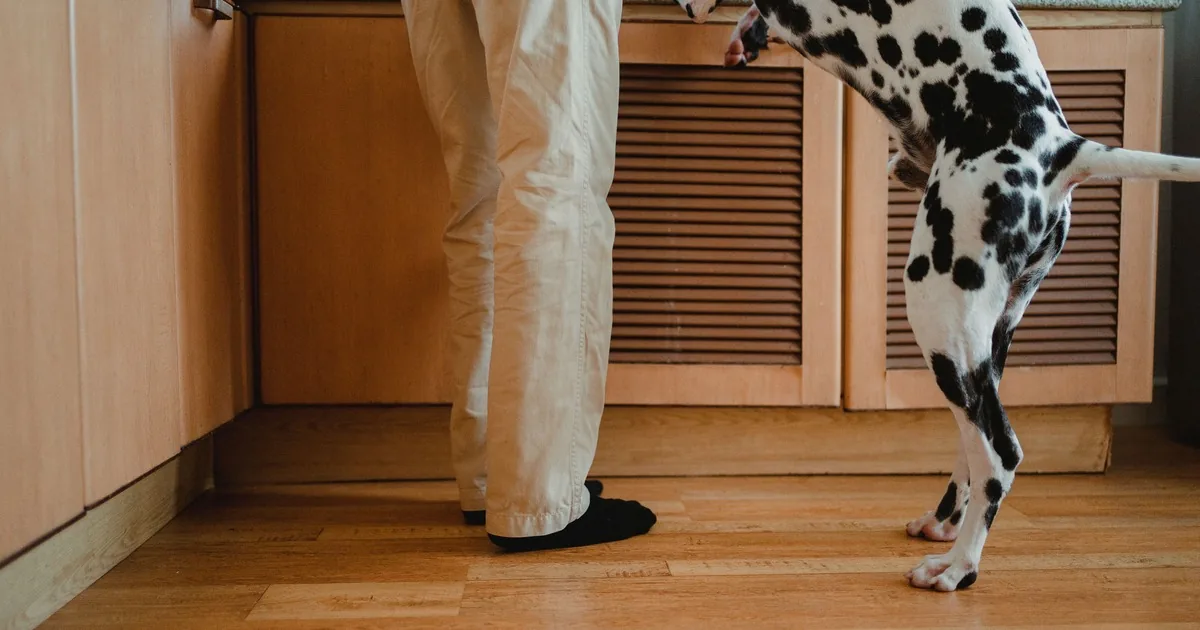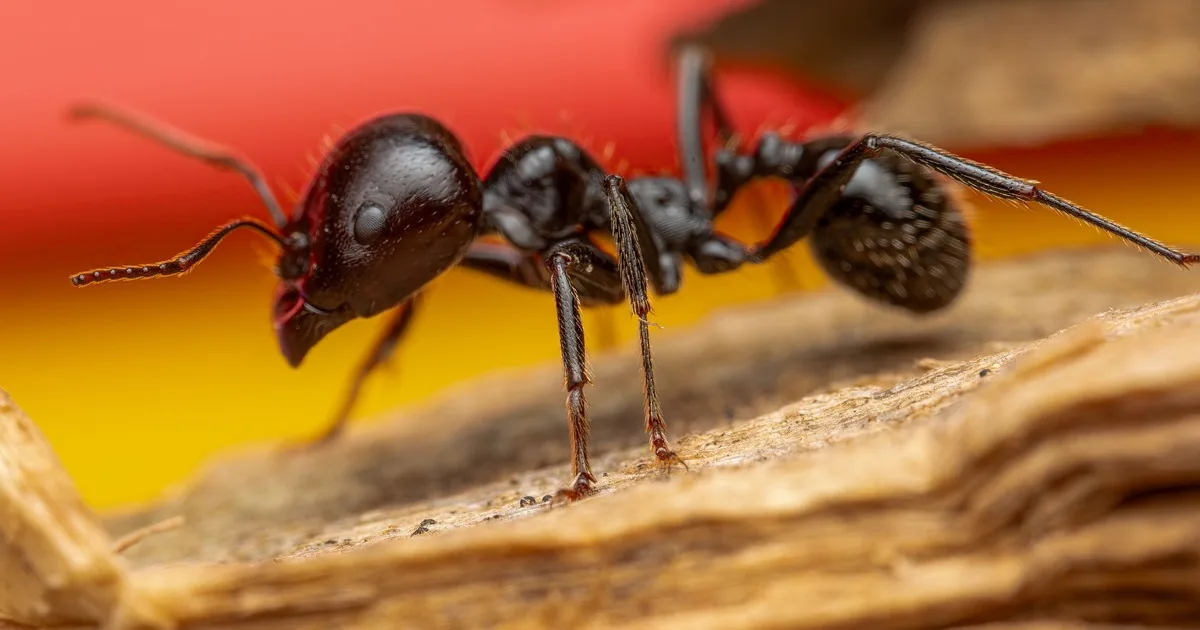
A homeowner calls at 8:10 on Monday morning. Large black ants appeared beside the dishwasher after dark, and a small pile of coarse debris has returned below the window trim. They want the earliest treatment appointment.
That call should begin as an inspection record. Ask exactly where the ants and debris appeared, when activity is strongest, whether any ants have wings, which leaks or damp areas exist nearby, what products the caller used, and which parts of the property the technician can enter. Reception should not confirm carpenter ants, locate a nest, assess wood damage, or promise a treatment method by phone.
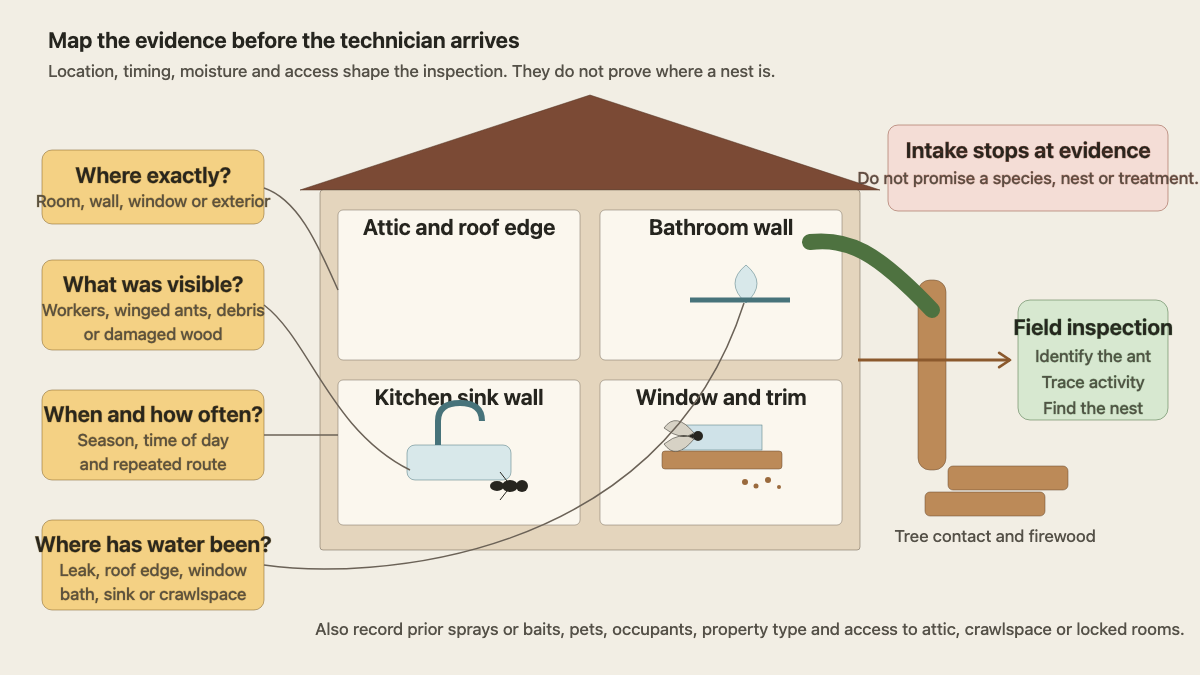
Pin the sighting to a room and surface
“Large ants in the kitchen” is too loose for dispatch. Start with the room, then the surface and nearest building feature. Did the caller see ants on the counter, under the sink, beside a dishwasher, around a window, along a baseboard, near a ceiling light, or crossing an exterior foundation? Record the caller’s words.
Ask where the ants seemed to come from and where they went. A useful note sounds like “workers travel from the gap behind the sink cabinet toward the pet bowl after 9 p.m.” It does not need to declare a nest inside that wall. Carpenter ants may travel between an outdoor parent colony and one or more satellite nests, according to the University of Minnesota Extension carpenter ant guide. A trail can lead the technician toward an inspection zone without proving where the colony lives.
Request a wide photo of the location and a close photo of the insect when company policy allows it. A safely collected sample may be better, but the office should use its approved instructions. Do not ask a caller to pull trim, open a wall, climb onto a roof, or probe damaged wood.
Describe the insect without naming it
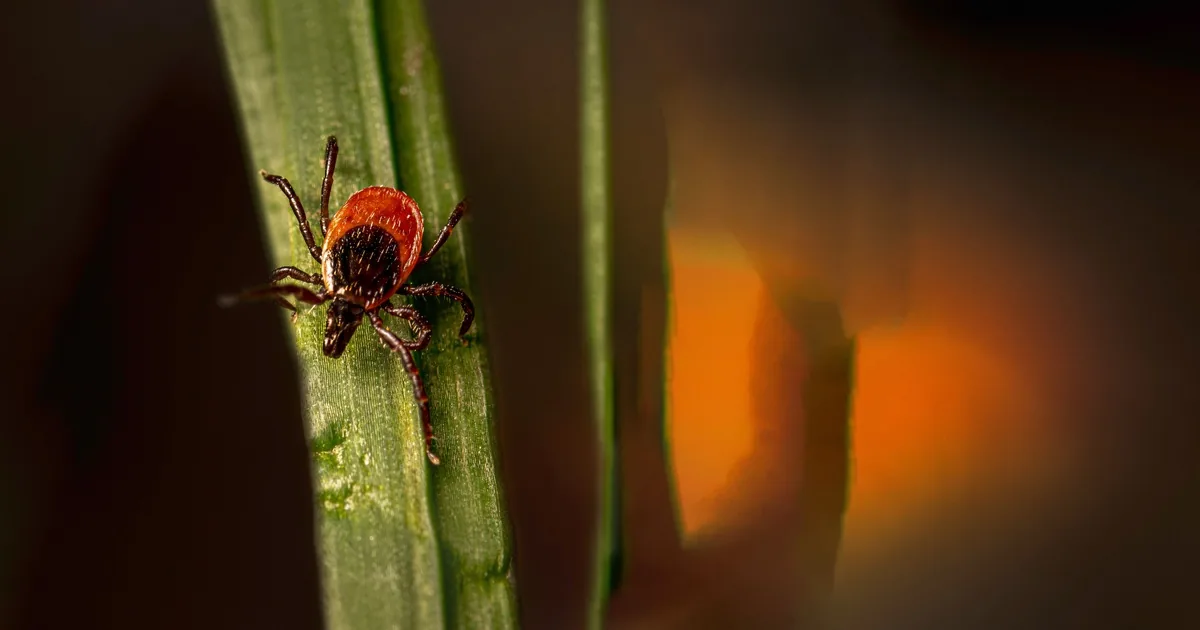
Size and color help the field team prepare. Ask whether the ants are black, red and black, or another color; whether workers appear in more than one size; and whether any have wings. Use a familiar comparison for size, such as a grain of rice or the width of a pencil eraser, because callers rarely estimate fractions of an inch well.
Winged insects deserve a clear flag. Ant and termite swarmers are easy to confuse during a hurried phone call. The office can record straight or bent antennae, equal or unequal wing lengths, and a broad or pinched waist if the caller can see those features in a clear photo. Final identification stays with a qualified person. If the evidence could indicate termites, route the inquiry through the company’s inspection policy and use the questions in the termite inspection booking guide.
The distinction changes the next step. The University of Minnesota’s household ant guide explains that ant species differ in nesting sites and food preferences. A general spray promise made before identification can waste the visit and may complicate later control.
Record time, frequency, and season
Ask when the caller first noticed activity, the most recent sighting, and the time of day it is strongest. Then ask how often it happens. One ant carried indoors with firewood is a different report from a repeated nighttime trail under a sink.
Season adds context. University of Minnesota Extension notes that carpenter ants seen indoors during winter can indicate an indoor nest, while workers active in warmer months may be traveling in from outside. It also advises observing workers between sunset and midnight during spring and summer when trying to trace activity. Those are inspection clues, not a script for reception to announce a diagnosis.
Write the facts compactly: “First seen three weeks ago; five to ten large dark workers appear most nights between 9 and 11; activity runs behind dishwasher; no winged insects reported.” Avoid “indoor carpenter ant nest confirmed.”
Ask about water before asking about treatment
Moisture history often gives the technician a better starting point than the caller’s guess about the nest. Ask about current or repaired plumbing leaks, roof leaks, wet window trim, condensation, damp crawlspaces, poor drainage, and wood that has stayed soft or wet. Record the location and when the problem occurred.
Carpenter ants excavate galleries in wood. They do not eat it. Extension guidance associates parent nests with moist or decayed wood and lists common indoor sites around tubs, sinks, showers, dishwashers, roofing, attic beams, windows, subfloor insulation, wall voids, and hollow doors. Satellite nests can occupy drier spaces, which is why a dry room does not rule out nearby activity.
Ask about coarse sawdust-like material, insect parts, or debris below a crack or opening. Record the color, texture, location, and whether it returns after cleaning. Do not tell the caller that debris proves structural damage. The technician needs to inspect the material and the wood.
Exterior context belongs on the same record. Note branches touching the roof or utility lines, stumps, landscape timbers, firewood against the building, damp deck posts, and visible trails across siding or a foundation. These details help plan the inspection perimeter and access.
Capture every product already used
People often spray the visible trail before calling. Ask for the product name, where it was applied, when it was used, and whether baits, powders, foggers, cleaners, or home remedies are still in place. If the container is available, ask the caller to keep it for the technician or submit a safe label photo through the approved channel.
The EPA’s pest-control safety guidance tells consumers to follow pesticide label directions and use products only for the listed pest and site. Office staff should not recommend mixing products, increasing an application, drilling into a suspected nest, or placing pesticide where the label does not allow it.
Screen for an active exposure. If the caller reports illness, a spill, an accidental ingestion, or a pet exposed to a product, leave routine scheduling and follow the company’s emergency procedure. Keep that response separate from the carpenter ant appointment.
Make the property accessible to the inspector
Confirm the service address, property type, affected floors, and whether the caller owns, rents, or manages the site. For apartments and condominiums, capture the unit, shared walls, neighboring reports, property manager contact, and who can authorize access beyond one unit.
Ask which likely inspection areas are available: under-sink cabinets, utility rooms, basement, crawlspace, attic entrance, garage, exterior foundation, roof edge viewed safely from the ground, and rooms where activity was reported. Note locked areas, tenant notice, pets, gates, parking, and the person meeting the technician. A blocked crawlspace or absent property manager can turn a good appointment time into a return visit.
Describe the booking accurately. If your company begins with an inspection or service consultation, say so. Do not promise that treatment will occur during that visit unless the company has defined the conditions and the schedule supports it. Avoid guarantees about one visit, a specific pesticide, complete elimination, or repair of damaged wood.
For callers with a general ant problem and no carpenter-ant-specific evidence, the broader ant infestation consultation guide provides a species-neutral intake. Keep this record focused on the clues that change a carpenter ant inspection.
Give dispatch one clean handoff
A strong carpenter ant service record includes:
- exact rooms, surfaces, trails, exterior routes, and affected floors
- first sighting, strongest time of day, frequency, season, and recent weather or building work
- worker size and color, winged insects, safe photos, an approved sample, and identification uncertainty
- coarse debris, visible wood condition, leaks, condensation, damp areas, and past water damage
- trees, stumps, firewood, landscape timbers, roof contact, and foundation activity
- products already used, application locations, exposure flags, occupants, pets, and aquariums
- property type, decision-maker, tenant or manager coordination, access limits, and the appointment type promised
Read the handoff back before ending the call. “Possible carpenter ant activity beside the first-floor dishwasher; large dark workers appear after 9 p.m.; coarse debris returns below the adjacent window; sink leak repaired last month; aerosol used once along the baseboard; homeowner can open the basement and exterior gate, but attic access is blocked.”
That note gives the technician a map. It does not pretend to know what is behind the wall.
An AI receptionist can collect the same approved fields after hours and route winged insects, suspected termite evidence, pesticide exposures, multi-unit access, and active leaks to the right person. The useful automation is disciplined intake. Identification and treatment remain field work.