A caller finds six dark insects under the back-door mat after a night of rain. One more appears beside the basement door. She calls them earwigs, wants the house sprayed that afternoon, and mentions chewed basil by the patio. That single call may contain an indoor nuisance report, a garden problem, or two unrelated observations.
The office should capture the pattern before choosing the service. Ask what the insect looked like, where and when each sighting occurred, how many appeared, whether the concern is indoors or around damaged plants, what damp shelter sits near the building, which openings may be accessible, what traps or pesticides were used, and where the technician can inspect. Leave identification and treatment scope to the field professional.
Start with the insect, place, and time
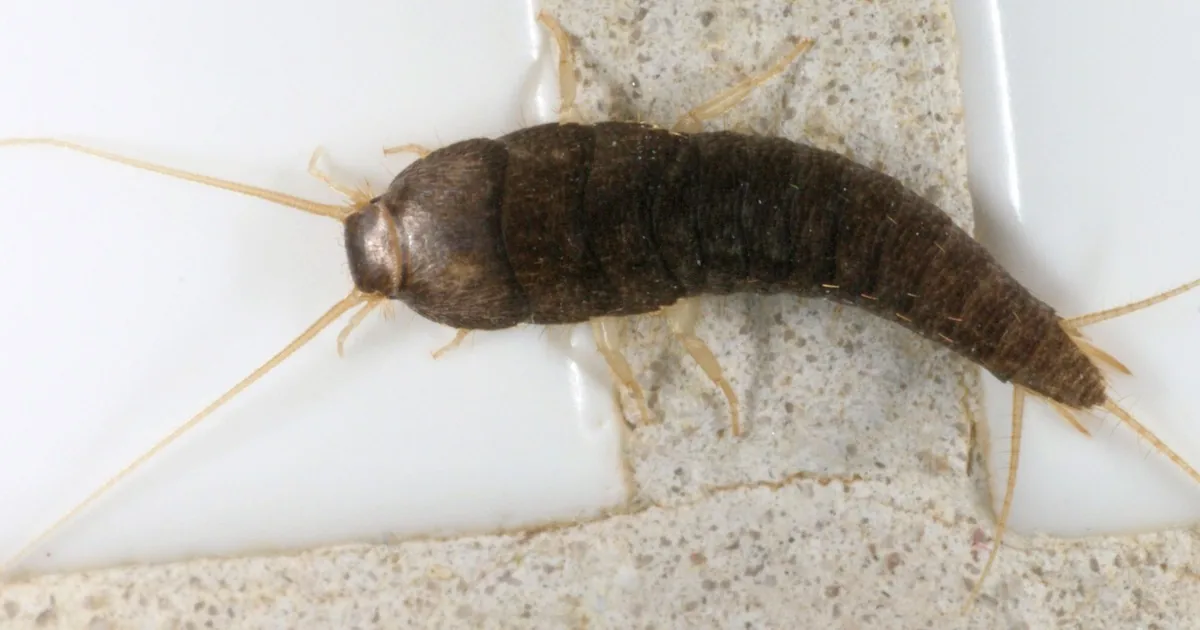
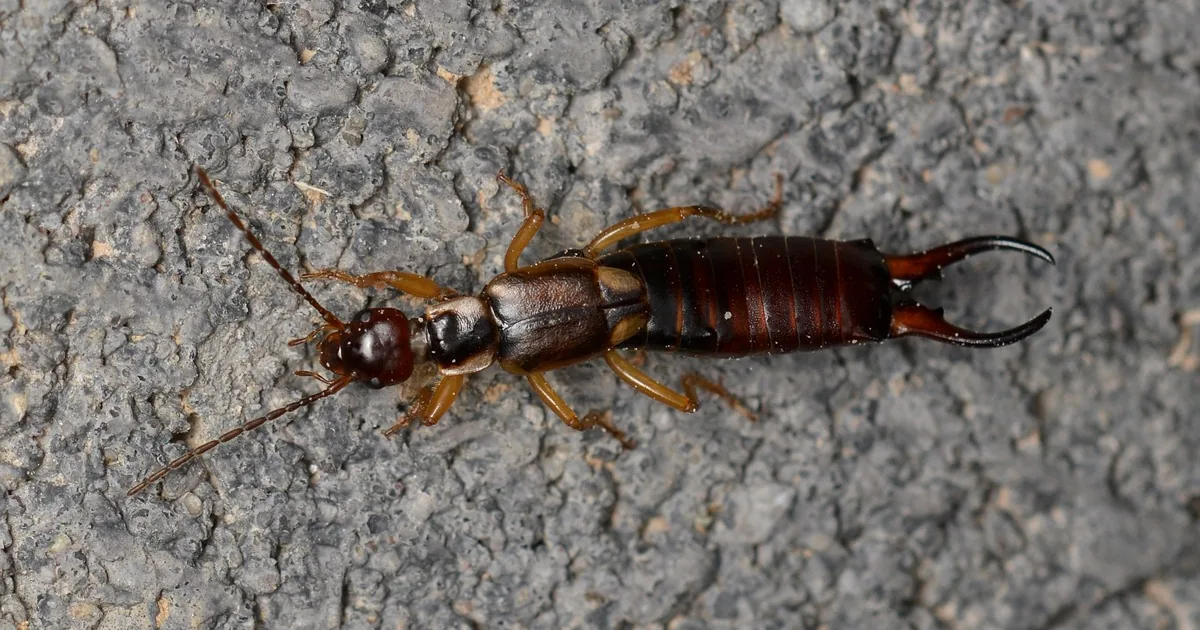
The rear pincers are the most useful description a caller can provide. Ask whether the insect had an elongated reddish-brown body and a pair of forceps at the tail end. Record estimated body length apart from the antennae and pincers. Colorado State University Extension describes the European earwig as about 5/8 inch long; UC Integrated Pest Management describes the adult as about 3/4 inch long. Regional species differ, so the number belongs in the observation note, not in a phone diagnosis.
Request a clear photo when company policy supports image intake. One close view can show the insect. A second, wider photo should preserve the location: threshold, basement floor, mulch bed, flowerpot, lettuce row, fruit tree, garage wall, or woodpile. If the caller saved a specimen, follow the company’s handling policy. Do not ask anyone to reach behind equipment, pull away siding, or crawl under a deck to catch one.
Time matters. Earwigs feed at night and shelter during the day, according to CSU Extension and UC IPM. “Five under a damp mat at 7 a.m.” gives the technician a useful starting point. “Bugs everywhere” does not. Ask for the first sighting date, the latest sighting, the usual time, and whether the count is rising, falling, or sporadic.
Separate the indoor call from the garden report
An indoor report should name the room and the exact surface. Was the insect beside an exterior door, below a window, near a floor drain, under a potted plant, along a basement wall, inside a stack of newspapers, or in a garage? Ask whether the caller found one wandering insect or repeated activity at the same edge of the building.
UC IPM notes that earwigs may move indoors when outdoor conditions become too dry, hot, or cold. Large indoor numbers are a nuisance, but the source can still be outside. Reception should record recent weather without deciding that it caused the movement. A technician may compare the indoor location with the nearby foundation, doorway, gutter, planting bed, or crawlspace.
Garden calls need a different set of facts. Ask which plant is affected, which part shows injury, whether the damage appeared on seedlings, flowers, soft fruit, or corn silk, and whether the caller saw earwigs feeding there at night. Capture photos of the plant and the surrounding bed.
The damage description should remain neutral. UC IPM describes irregular holes, chewed leaf edges, damaged seedlings, and injury to soft fruit. It also warns that caterpillars, slugs, snails, birds, and other pests can leave confusing evidence. A slime trail, webbing, droppings, or another insect in the same plant may redirect the inspection. “Earwig damage confirmed” does not belong in the office note.
Map damp shelter against the building edge
Earwigs favor dark, confined, moist shelter during the day. Ask what sits within a few feet of the sighting: deep mulch, leaf litter, weeds, ivy, stacked lumber, landscape timbers, stones, cardboard, a wet doormat, planters, compost, or a dense ground cover. Record what is actually there. A generic checkbox marked “yard debris” loses the physical relationship a technician needs.
Moisture deserves the same precision. Was an irrigation zone running that morning? Does a downspout empty beside the door? Is the gutter clogged? Does water collect in a window well? Is there condensation in the basement, a damp crawlspace, or a leaking exterior spigot? A sighting does not prove a drainage or plumbing failure, but those observations can shape the inspection route.
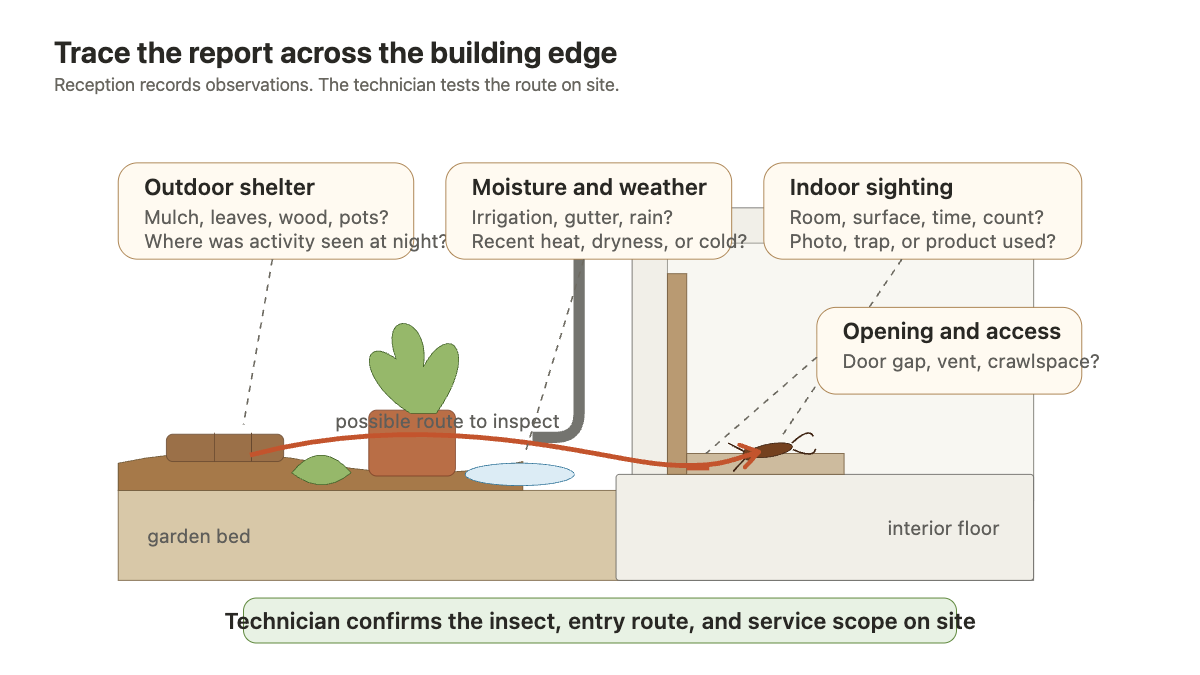
Then record possible openings the caller can see safely. CSU Extension names gaps around doors, windows, and vents as common entry points. Add damaged weather stripping, utility penetrations, basement windows, foundation cracks, and crawlspace vents when the caller reports them. Do not tell a customer to dismantle a vent cover or seal every gap before the visit. That may erase the pattern the technician came to inspect.
Record what changed before the appointment
Movement and cleanup can alter the evidence. Ask whether the caller picked up leaves, moved pots, removed a mat, relocated firewood, raked mulch, cleaned a gutter, vacuumed indoors, or sealed an opening. Record the date and location. If a gardener washed leaves or harvested damaged fruit, note that too.
Traps deserve detail. Ask what kind was used, where it sat, when it was placed, and what it caught. A rolled newspaper beside the patio door and an oil trap near the basil bed point to different inspection areas. Do not improvise a trapping recipe during intake. The customer may receive company-approved instructions after the service type is confirmed.
Ask about every pesticide, bait, dust, aerosol, fogger, perimeter spray, or home remedy. The useful record includes product name, active ingredient when visible, application site, date, amount if known, and whether residue or bait remains. Capture children, pets, food plants, ponds, pools, and reported exposure concerns.
The EPA’s pesticide safety guidance tells users to follow the label, avoid applying extra product, and observe precautions involving children, pets, food, weather, drift, and runoff. Reception should not recommend a product, rate, or repeat application. Send the company’s approved preparation instructions after the appointment is assigned. Our pest treatment preparation guide explains how to keep that message tied to the service actually booked.
Confirm access before choosing the appointment
An earwig inspection can cross the line between yard and building. Ask whether the technician can reach the reported room, exterior wall, foundation perimeter, garden bed, crawlspace entrance, basement, garage, window well, utility area, and any gated side yard. Note loose dogs, locked gates, steep grades, heavy stored items, tenant restrictions, and irrigation schedules.
For rentals, capture the unit, tenant contact, property manager, entry authorization, and any reports from neighboring units or shared landscaping. For commercial sites, identify the on-site contact, operating hours, loading access, sensitive production areas, and who can approve work. A photo of a back threshold is useful. A technician standing outside a locked courtyard is not.
The final handoff should include:
- appearance, photo status, estimated size, count, dates, and time of activity;
- indoor room or outdoor plant, exact surface, and the caller’s damage description;
- recent weather, irrigation, drainage, damp areas, mulch, leaves, wood, pots, and other shelter;
- visible openings, items moved, cleanup, traps, pesticides, exposure concerns, and inspection access.
A strong note might read: “Possible earwig activity at rear basement entrance and patio herb bed. Caller photographed an elongated reddish-brown insect with rear pincers under the exterior mat. Six were present after overnight rain; one appeared inside beside the same door this morning. Basil leaves have irregular holes, cause unconfirmed. Drip irrigation runs along the bed. Deep bark mulch and two pots touch the foundation. Downspout discharges four feet from the threshold. Caller moved the mat and vacuumed the indoor insect. No pesticide used. Technician can access the basement, full rear foundation, herb bed, crawlspace hatch, and side gate. One dog will be secured.”
That note gives the technician a route to test without pretending the route is known. An AI receptionist can collect the same approved fields after hours and flag pesticide exposure, uncertain identification, or blocked access for staff review. The field visit begins at the damp mat, the basil bed, and the threshold, exactly where the caller saw the pattern.