“The ants are back, so this visit is free, right?” The caller may be standing beside a kitchen counter, looking at activity that appeared after last week’s service. Reception should take the concern seriously without deciding coverage or promising another application.
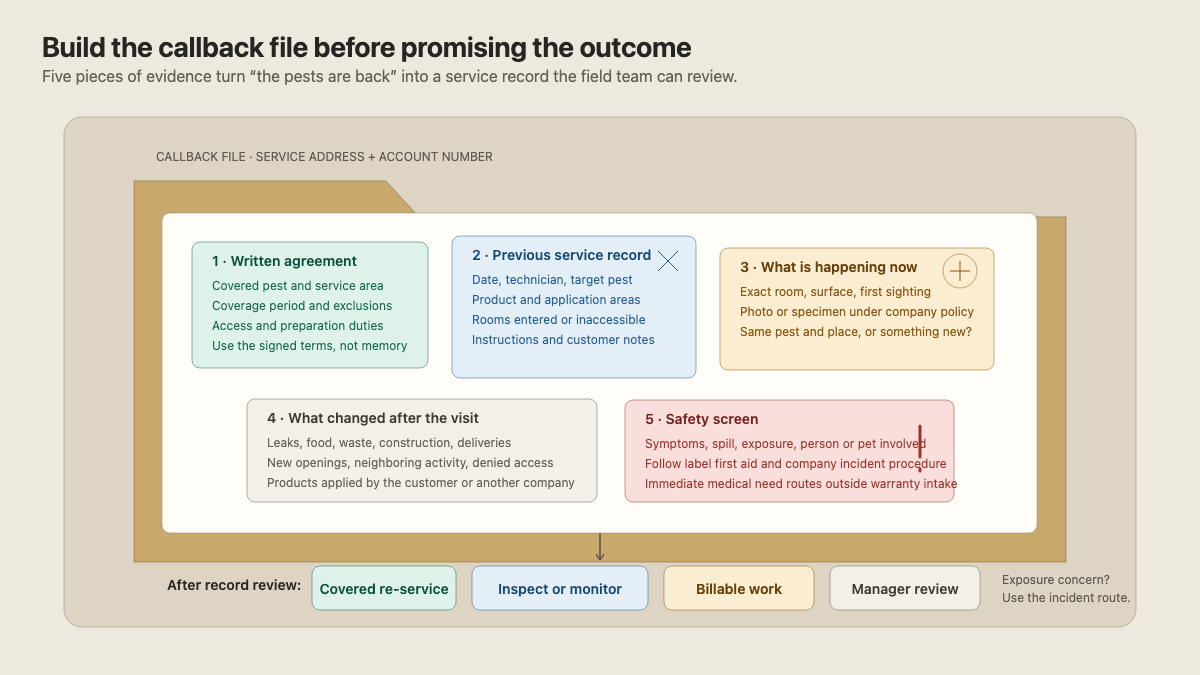
Pull the written agreement and the last service record first. Then capture what the customer sees now, where it appears, when it started, what changed at the property, and whether anyone reports a possible pesticide exposure. The next appointment may be a covered re-service, an inspection, monitoring, billable work, or a manager review. That decision comes after the record and site evidence are checked.
Open the agreement before discussing coverage
Search by service address and account name while the caller is on the line. Confirm the phone number, email, property type, unit number, and person authorized to approve work. Rental and commercial accounts may have an occupant, property manager, owner, and onsite contact involved in the same callback.
Read the actual agreement. The office needs the covered pest, covered areas, service period, exclusions, access requirements, preparation duties, and any notice procedure for requesting re-service. Avoid quoting a warranty from memory. A recurring plan, one-time service, termite agreement, wildlife exclusion job, and bed bug program can have very different terms.
Next, open the previous service ticket. Record the visit date, technician, target pest, inspected areas, treated areas, products listed, inaccessible rooms, customer instructions, and follow-up notes. If the record is incomplete or conflicts with what the caller says, flag it for a manager. Do not fill the gap with a guess.
A useful response is plain: “I’m pulling your agreement and the service record so we can compare today’s report with the work that was completed.” That tells the customer the concern is moving forward without promising the result of the review.
Describe the activity happening now
Ask the caller to describe the insect or animal without naming it for them. Useful details include approximate size, color, wings, number of legs if visible, droppings, gnawing, webbing, mud tubes, nesting material, noise, odor, or damage. A photograph can help when company policy allows it. Reception still records the image as evidence for review, not a confirmed identification.
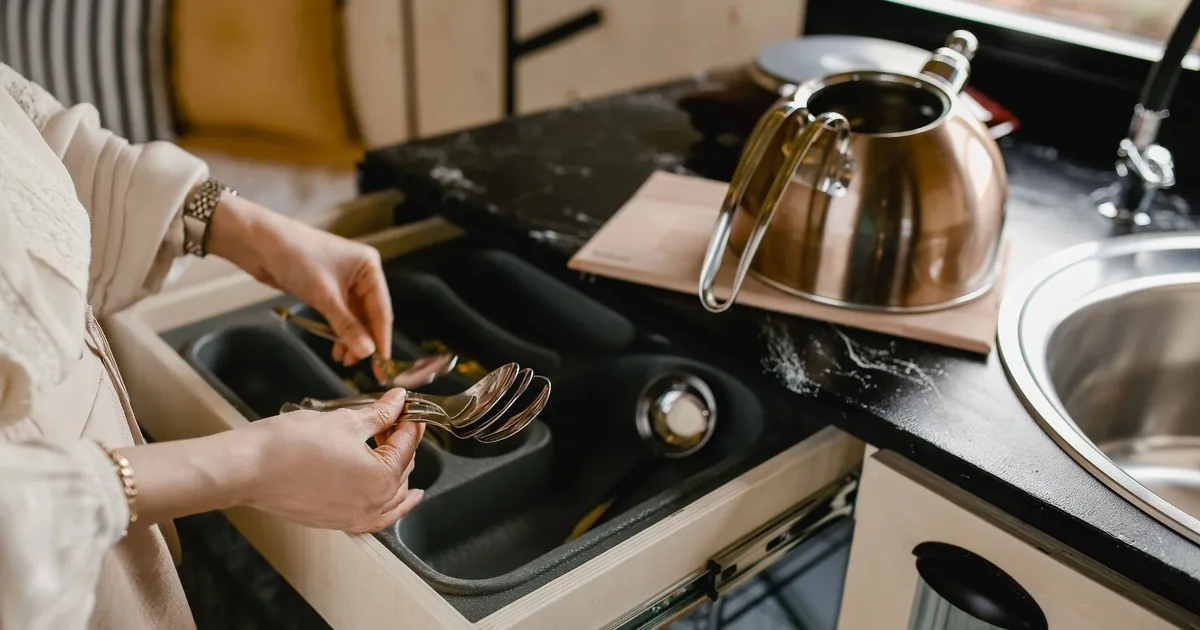
Pin each sighting to a room and surface. “Ants in the house” becomes “a line of small dark insects along the backsplash behind the sink at 7 a.m.” Ask when the caller first noticed activity after service, when they last saw it, whether the count is rising or falling, and whether it appears in the same location as the original problem.
The location comparison matters. Activity in the treated kitchen is one situation. A wasp nest under a detached shed after an interior ant service is another. The office should record both without arguing about coverage during the call.
Ask what the customer expected after the first visit and what the technician said about follow-up. Use the written service notes to resolve any mismatch. If the customer heard “you will never see another ant,” but the ticket documents a monitoring period and a scheduled follow-up, a manager may need to handle the expectation gap.
Ask what changed after the service visit
A callback is also a property update. Ask whether there has been a leak, standing water, trash buildup, food spill, new pet food location, construction, landscaping change, delivery, used furniture purchase, tenant move, storm damage, or new opening around a door, pipe, roofline, or foundation. In apartments and commercial buildings, ask about activity in neighboring units, shared walls, utility chases, trash rooms, loading areas, and kitchens.
Use neutral wording. “Has anything changed around the sink since the visit, such as a leak or stored food?” gets better information than a question that sounds like blame. The goal is to give the technician a starting point.
Access deserves its own check. Was a bedroom locked? Was the crawlspace hatch blocked? Did a loose dog prevent backyard service? Did the technician lack permission to enter an adjacent unit? Compare the caller’s account with the ticket and record the discrepancy.
Ask what anyone applied after the visit. Capture the product name, EPA registration number when visible, area, date, and amount if known. Include aerosols, bait, dust, foggers, repellents, cleaners, essential oils, and work by another pest company. Do not recommend an extra application while the caller waits. The EPA’s pesticide-label guidance explains that the label and accompanying directions govern how a pesticide may be handled and used.
Route exposure concerns outside the warranty queue
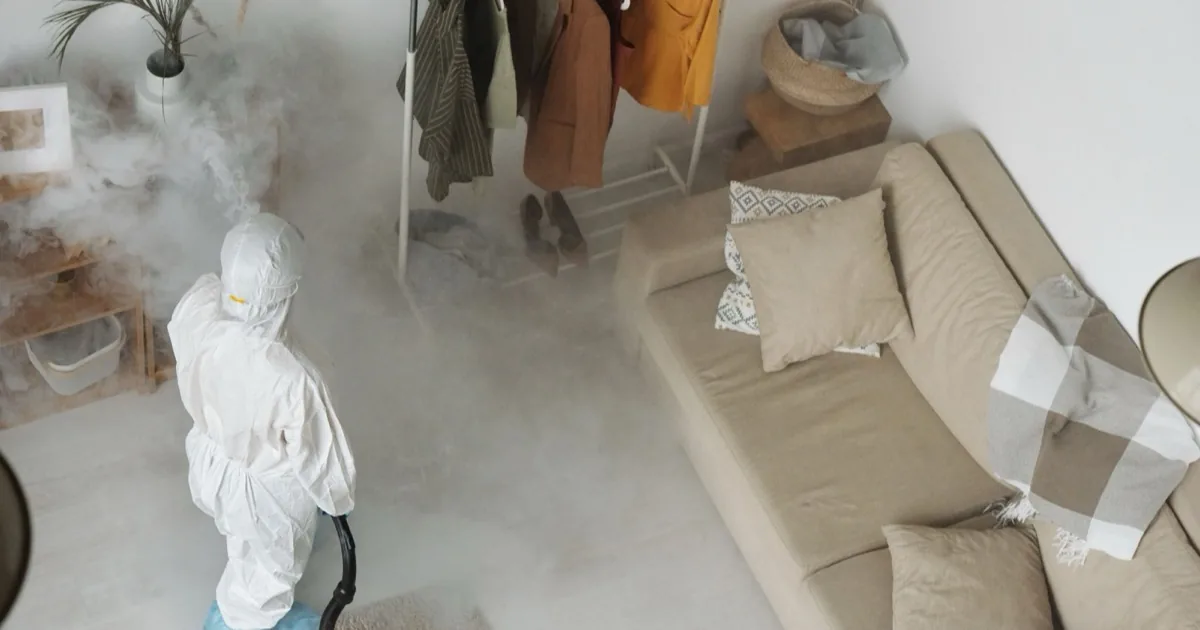
A customer who says “the bugs are back” belongs in normal callback intake. A customer who says a child touched wet product, a pet entered the area during application, someone feels ill, or a container spilled needs a different route.
Ask only what the incident procedure requires: who or what was involved, the reported symptom or exposure, product if known, application area, time, and current location of the person or animal. Do not diagnose the symptom or reassure the caller that it is harmless.
The EPA’s pesticide incident guidance directs anyone needing immediate medical attention to call 911. It also tells people experiencing symptoms to consult the first-aid instructions on the product label and contact a health care provider or Poison Control Center. Follow the company’s incident and regulatory reporting procedure at once. A possible exposure should not sit in an ordinary scheduling queue while reception debates warranty terms.
Book an investigation before promising another treatment
Once the file is complete, state the appointment scope. For example: “I’ve documented activity at the kitchen backsplash six days after the ant service, the photo you sent, a new sink leak, and the aerosol used yesterday. I can schedule a callback inspection. The technician or manager will review the agreement and site findings before confirming coverage or any additional treatment.”
That phrasing protects accuracy and gives the caller a real next step. The field team may confirm a covered re-service. It may choose monitoring, exclusion, moisture correction, sanitation work, access to an untreated area, or a different service. The EPA’s integrated pest management principles support identifying and monitoring the pest problem before selecting the next control action.
Confirm the arrival window, access instructions, occupant or manager contact, pets, locked areas, parking, gate code, and any company-approved preparation. Do not create preparation directions on the fly. Link the appointment to the original ticket and attach the new photos and notes.
Read the summary back before ending the call. This catches a wrong unit number or service date while the customer is still available. It also gives the technician one coherent record instead of a complaint in the subject line and scattered details in three notes.
The recurring pest-control scheduling guide covers routine plan visits, while the treatment preparation guide explains how to send approved instructions. A warranty callback needs both records plus a comparison between the original work and today’s evidence.
An AI receptionist can gather the same approved fields after hours and send exposure reports or disputed coverage to a human. The script must use the company’s real agreements, escalation rules, service types, and incident procedure. When the technician opens the ticket the next morning, the file should show what was promised, what was done, what changed, and exactly what the customer sees now.