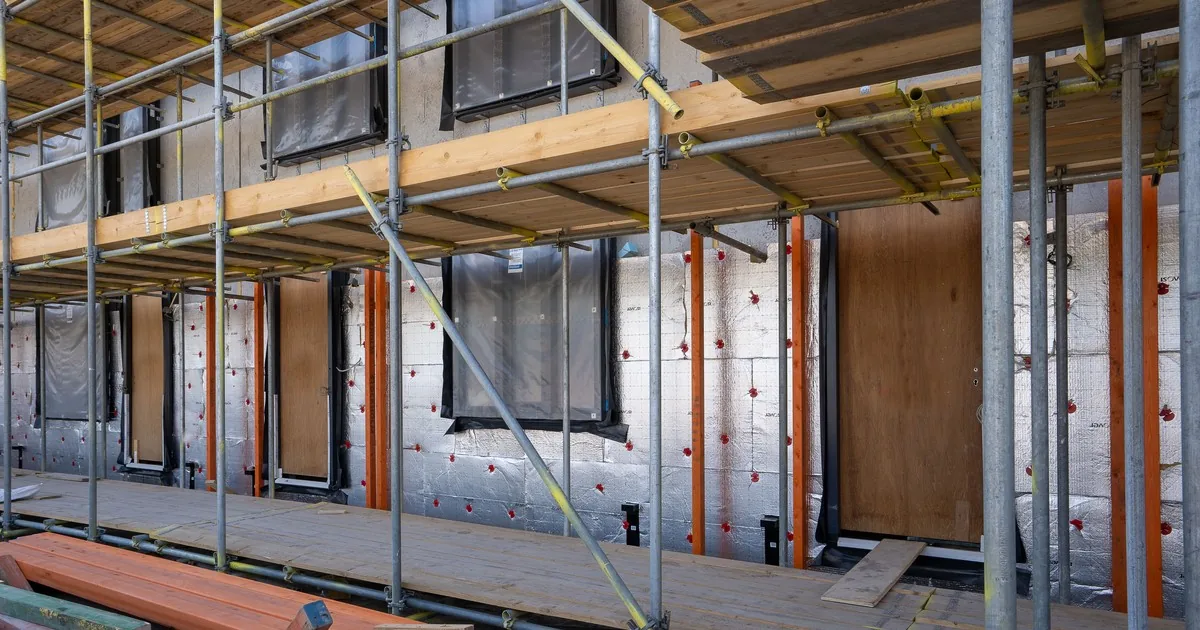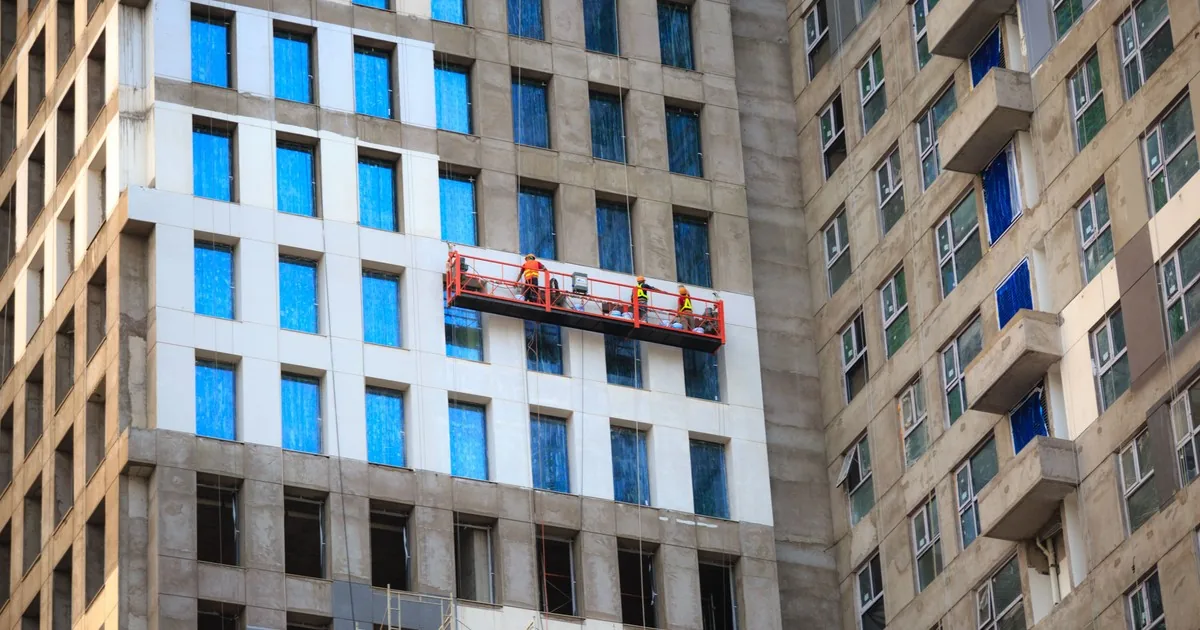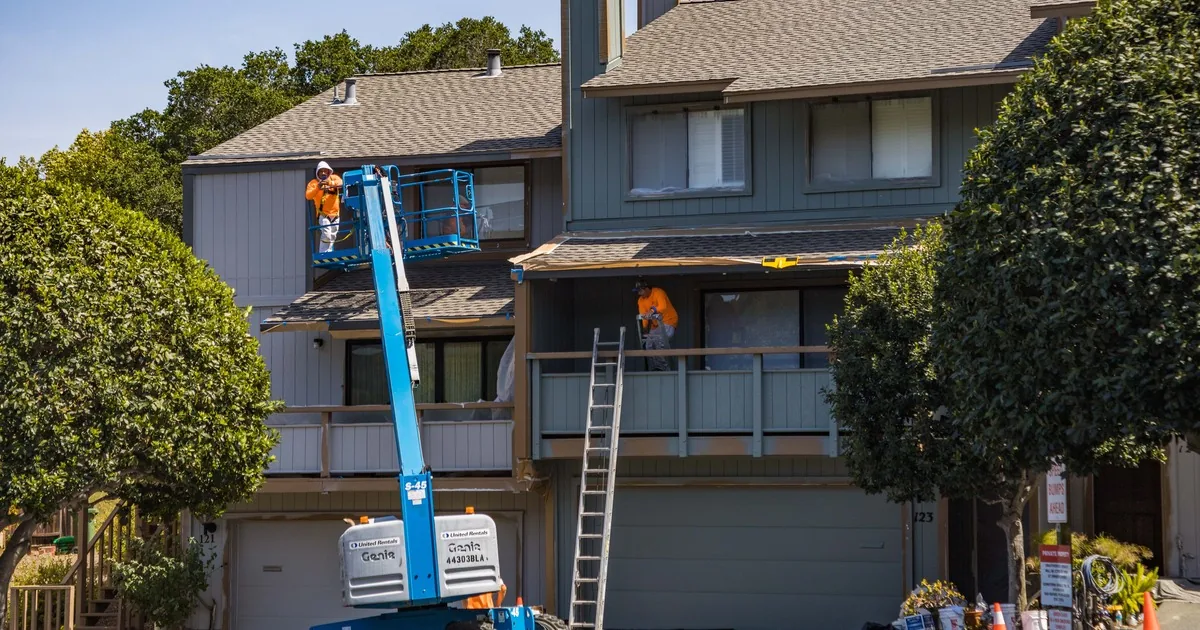
A homeowner calls the morning after sideways rain. There is a damp patch under the dining-room window, but the outside wall looks normal from the yard. The caller wants to know whether the window leaked, the siding failed, or water came down from somewhere above.
The office should resist naming the source. Start by checking for active water and electrical exposure. Then create two location records: exactly where moisture is visible indoors, and exactly which wall or opening the caller suspects outdoors. Add the weather timing, prior work, photos, access, and the service the customer expects. That gives the field inspector a useful starting point without turning a phone conversation into a diagnosis.
Route active water before discussing siding
Ask whether water is entering now. Find out whether it is dripping, running, spreading across a ceiling or wall, pooling on the floor, or appearing as a dry stain noticed after the storm. Record the caller's words. “The lower left corner of the window trim is wet” carries more value than “window leak.”
Electrical contact changes the internal routing. Ask whether water is near an outlet, switch, light fixture, service equipment, extension cord, or powered appliance. Follow the contractor's approved safety and escalation policy. Phone staff should not invent electrical instructions or tell a caller to open the wall.
Ask about loose siding, displaced trim, broken glass, or material hanging above a door or walkway. Keep the caller on the ground. A photo is useful only when it can be taken from a stable location outside the fall zone. If the person cannot see the area safely, write that down.
The immediate record needs a plain status: active water, damp material, old stain, musty odor, or exterior concern with no indoor symptom. Avoid “minor” and “major” unless your company has defined those terms. A small stain can still have an uncertain route, and a dramatic caller may be describing a contained splash.
Map the indoor symptom first
Start inside because that is usually where the caller has the clearest observation. Record the room, exterior wall, nearest opening, height, and spread. Good landmarks include “six inches below the right corner of the west-facing window,” “baseboard behind the sofa,” or “ceiling line where the one-story addition meets the main house.”
Ask what the surface looks and feels like. The caller may report bubbling paint, swollen trim, soft drywall, damp carpet, a brown ring, peeling wallpaper, or beads of water on the glass. Do not turn those descriptions into a mold or rot diagnosis. They tell the inspector where to look and what interior access may be needed.
Timing matters. When was the area first noticed? Was it wet during the rain, shortly afterward, or the next morning? Has it dried since? Has the same spot appeared during earlier storms? A simple sequence is better than a guessed cause.
Condensation needs its own line in the record. Ask whether moisture is on the room-side glass, between panes, on the trim, or on the wall below. The office can document the location without deciding whether the problem is indoor humidity, glazing, flashing, cladding, or another part of the enclosure.
Build a separate outside location
Now move outside, verbally. Have the caller identify the front, back, left, or right wall while facing the front door. Add the story and a fixed landmark. “Right wall, first floor, around the kitchen window nearest the downspout” gives a technician a real destination.
Ask what sits above and beside the suspected area. Note windows, doors, roof edges, gutters, downspouts, wall penetrations, decks, balconies, light fixtures, vents, utility equipment, and changes in cladding. The caller does not need to decide which item matters. The list describes the inspection area.
The U.S. Department of Energy's Building America Solution Center explains that a continuous drainage plane sits behind exterior cladding and must connect with flashing at openings and penetrations. That wall-system view is why “the siding looks fine” cannot close the question. Cladding is one visible layer of the assembly.
Ask whether any siding is cracked, warped, loose, missing, or stained. Record open joints and gaps as visible observations. Do the same for trim and sealant, but avoid promising that a tube of caulk will solve the call. The field team needs to identify the assembly and the path before selecting a repair.
Treat windows and doors as openings in the wall system
Windows and doors interrupt the wall's drainage plane. PNNL's flashing guide for windows and doors describes sill pan flashing, side flashing, top flashing, and their integration with the drainage layer. Existing homes use different products and details, so the receptionist should gather clues without prescribing how those parts ought to be rebuilt.
Ask whether the moisture sits at the head, jamb, sill, lower corner, or wall below the opening. If the caller does not know those terms, use ordinary language: top, side, bottom, or beneath. Ask whether the window opens, whether it was recently replaced, and whether trim or siding work has occurred around it.
The visible wet spot may sit away from the entry point. Building Science Corporation's rain-control guidance discusses drained wall systems and identifies windows, joints, and corners as important rain-control locations. Water can move within an assembly before it becomes visible indoors. Phone intake should preserve that uncertainty.
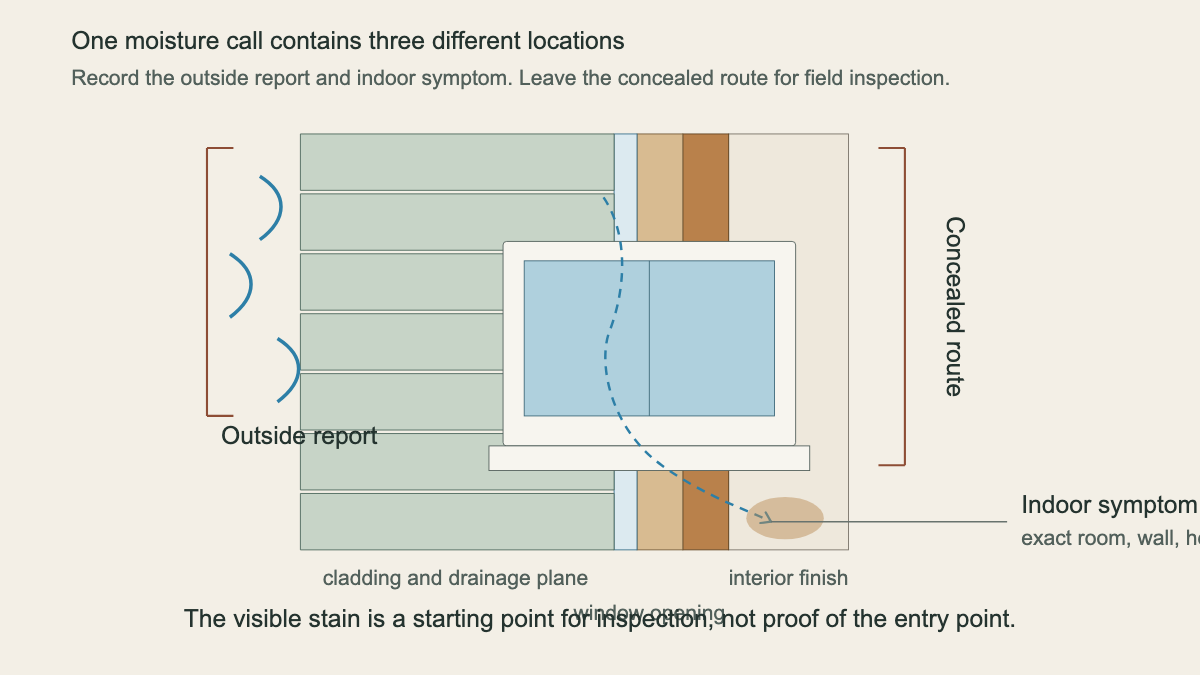
Do not combine “wet below the window” with “failed window flashing” in the work order. Write the symptom first. Add the suspected exterior area as a separate field. The technician can test the relationship on site.
Tie the report to weather, direction, and recurrence
Ask what the weather was doing when the symptom appeared. Useful details include steady rain, a brief heavy downpour, wind-driven rain, snowmelt, freeze-thaw conditions, or dry weather. Record the direction the rain struck the house if the caller knows it. Treat that as reported context, not proof.
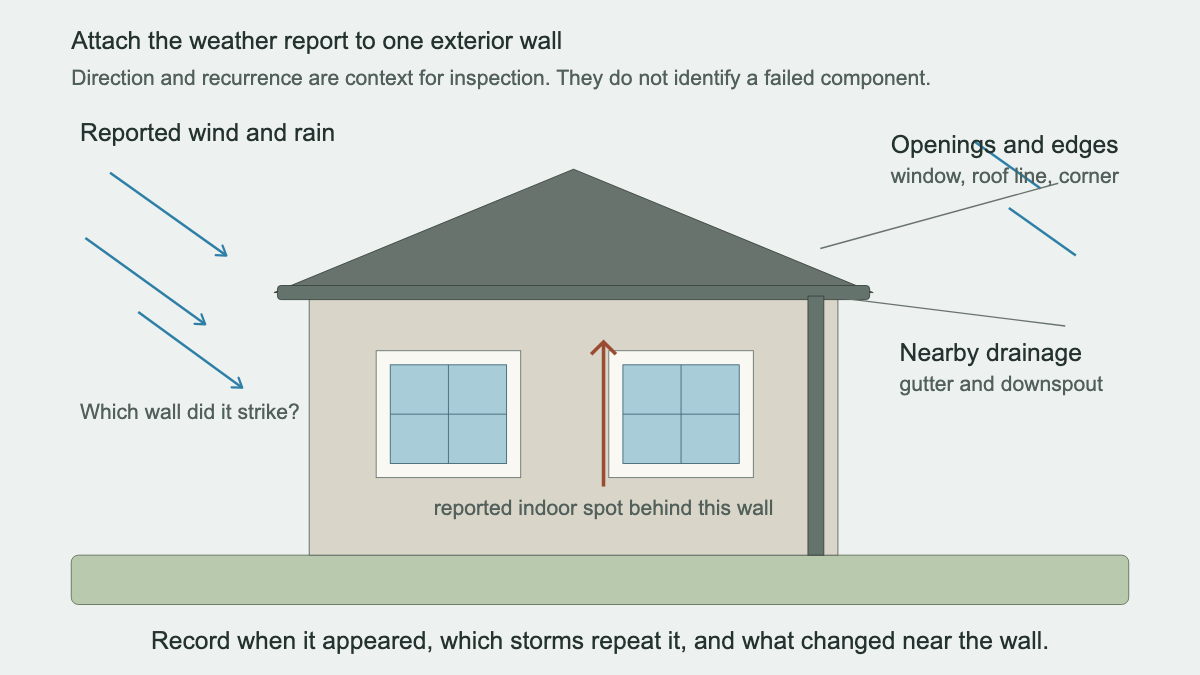
Then ask whether every storm produces the symptom. A spot that appears only during wind from one direction has a different history from a baseboard that stays damp through dry weather. Both deserve inspection, but the work order should preserve the pattern.
Record dates when possible. “First noticed after Saturday's storm and still damp Monday morning” gives the field team a better timeline than “recently.” Ask whether the caller has older photos, inspection reports, invoices, warranty papers, or messages from a previous contractor.
Previous work belongs near the weather history. Capture window replacement, siding repair, painting, roof work, gutter changes, exterior penetrations, additions, insulation work, and interior remodeling near the affected wall. Include the year or season if the caller remembers. Do not accuse a prior contractor or imply that timing proves responsibility.
Prepare the inspection access
A good wall location can still produce a wasted visit when access is missing. Ask whether the exterior area is at ground level, above a porch roof, over a deck, behind shrubs, inside a locked yard, beside a pool, or along a narrow property line. Note slopes, soft ground, overhead wires, pets, parked vehicles, and neighboring-property access.
Inside, ask whether furniture, curtains, shelving, or stored boxes block the wet area. Record whether an adult decision-maker or property manager will be present and whether the occupant can authorize access. For a rental, collect the tenant contact, owner or manager contact, entry permission, and who will approve work after inspection.
Request one wide exterior photo, one closer exterior view, and an interior photo with a fixed landmark when they can be taken safely. A close-up of a brown spot without the window, wall, or room context is hard to route. Ask the caller to keep original files and dates if claim documentation may matter.
If the customer mentions insurance, collect the claim number, adjuster appointment, written scope, and deadline they provide. The siding contractor can document observed conditions and proposed work. Coverage and payment decisions belong to the carrier and policy.
Name the requested service
Ask what the caller wants next: a siding inspection, water-entry investigation, window-area inspection, repair estimate, documentation, or coordination with another trade. Some siding companies do not inspect interior finishes or perform water testing. The office should match the request to the company's actual service boundaries before offering a slot.
A restoration request may belong on a different track. If the caller already knows the source and needs the affected materials assessed, use a moisture inspection call workflow. If hail marks or impact damage drive the call, use the hail-damaged siding inspection intake. This page is for the uncertain exterior-wall report tied to rain, an opening, or the siding assembly.
An AI receptionist can capture these fields after hours and route the record under the contractor's rules. The contractor still decides urgency, testing, trade assignment, repair scope, and price.
Read back the handoff before ending the call: “Moisture inspection requested for the west wall of a two-story home. Damp paint appears below the dining-room window after wind-driven rain, at the lower left corner indoors. Caller sees no missing siding. A downspout and one-story porch roof sit to the left of the window. The window was replaced two years ago. Photos are available, and the exterior area is above the porch roof.”
That summary gives the inspector a wall, an opening, a weather pattern, a prior change, and an access constraint. The first visit can begin at a real place.