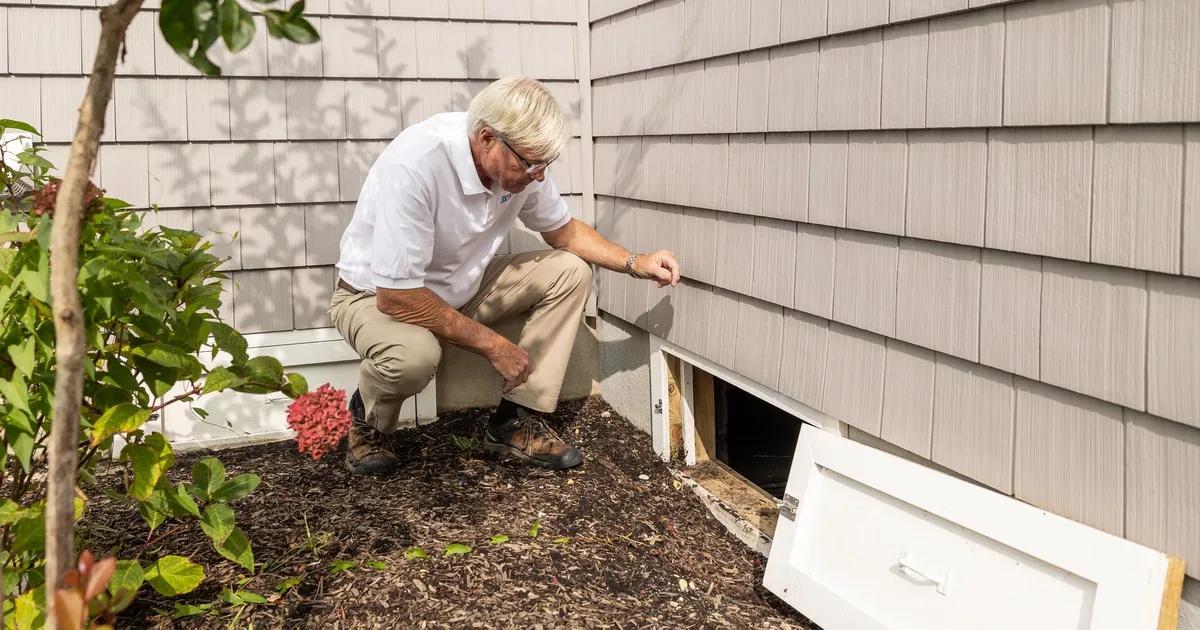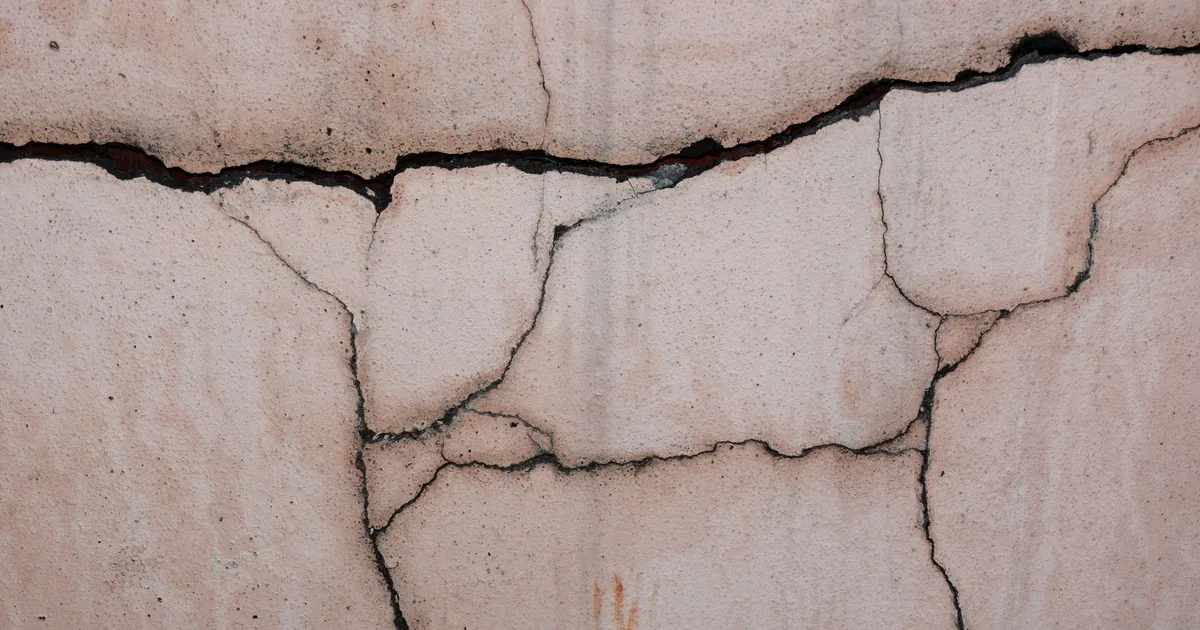
A homeowner calls at 7:42 on Monday morning and says, “There’s a big crack in my basement wall. Can someone come today?” The office has a full inspection calendar, the caller is worried, and “big” could mean a hairline running six feet or a short opening with visible displacement.
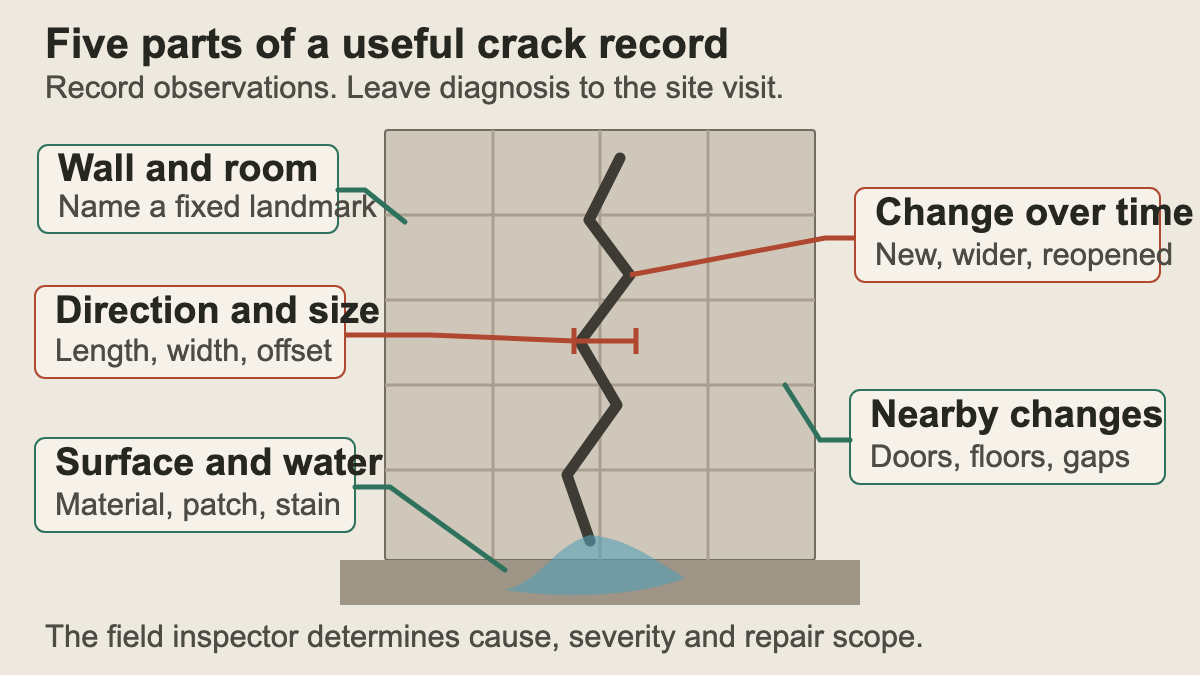
A useful foundation crack inspection call records six things: the exact location, crack direction and dimensions, foundation material, moisture or surface damage, changes elsewhere in the building, and what has changed over time. Those details help the company choose a response lane and prepare the inspector. They do not establish a cause or a repair method.
That distinction matters. A receptionist can describe what the caller sees. The field professional owns the diagnosis.
Ask where the crack is before asking how bad it is
Start with the address, then locate the crack as if another person must find it without the caller standing beside them. “In the basement” is too broad. “North basement wall, about two feet left of the utility sink” gives the inspector a real starting point.
Ask whether the crack is visible inside, outside, or on both sides. Record the room or exterior elevation. If it is near a corner, window, door, utility penetration, support post, or beam pocket, note that relationship too.
Foundation type changes the visit. Poured concrete, concrete block, brick or stone masonry, a slab edge, and a pier-and-beam crawl space present different surfaces and access needs. The HUD NSPIRE Foundation standard names slabs, masonry block, piers, posts, footings, and foundation vents among common components. InterNACHI’s foundation inspection guidance also separates slab observations from pier-and-beam crawl-space checks.
Do not ask a caller to crawl under a house, move a heavy appliance, pull down wall covering, or touch damaged utilities to improve the description. Record that the area is inaccessible. The technician can arrive with the right plan.
Turn “wide” into a repeatable record
The office needs a description that can be compared with the field finding and, if necessary, with a later visit. Direction comes first: horizontal, vertical, diagonal, stair-step through mortar joints, or irregular. Then record the approximate visible length and the widest point the caller can reach safely.
HUD’s inspection process tells inspectors to measure crack length and width. That does not mean a receptionist should convert one measurement into a structural verdict. HUD also publishes numerical deficiency criteria for its own housing inspection program. Those thresholds belong to that program and should not be presented as a universal rule for every private home.
Ask whether the two sides still meet in the same plane. A caller may describe one side as pushed in, raised, offset, or bowed. Keep their words. “The left side sticks out about the thickness of a coin” is better intake than changing the report to “wall displacement confirmed.” Confirmation happens on site.
Photos help when the office has a secure way to receive them. Request one wide photo showing the wall and nearby features, then one close photo with a familiar object or ruler beside the crack. The caller should not place anything against a loose wall, exposed reinforcement, fallen material, or another unsafe area.
Add time, water, and nearby movement
A crack description is a snapshot. The history often makes the call far more useful.
Ask when the caller first noticed it. Find out whether it appeared after heavy rain, plumbing work, excavation, a long dry period, a freeze, or another event the caller remembers. Record those events as timing, not cause. NIST has documented several concrete-cracking mechanisms, including slow chemical reactions involving aggregate and moisture. A photo and a weather story cannot tell the office which mechanism is present.
Change over time deserves its own field in the call record. Ask whether the crack has become longer or wider, whether a patch has reopened, and whether dated photos exist. This Old House’s foundation crack guide makes a useful point for intake: direction can offer clues, but direction alone does not determine severity. Growth, water entry, displacement, and companion changes add context.
The caller may have noticed something away from the wall. Ask about doors or windows that recently began sticking, floors that feel uneven, new gaps at trim or ceilings, and visible wall bowing. HUD includes nonfunctioning doors and unlevel floors or windows among the indicators inspectors may observe. InterNACHI calls out buckling or warping of walls and floors as conditions that deserve expert evaluation.
Water needs precise wording too. “Wet foundation” can describe an active stream through the crack, a damp stain after rain, white mineral deposits, standing water on the floor, or a musty smell with no visible water. Record which one the caller sees and whether water is entering now. A company that also handles water losses may use a separate moisture inspection intake when the building has an active or recent leak.
Visible suspected microbial growth is a different observation from damp concrete. Do not label discoloration as mold over the phone. Capture where it appears and use the company’s separate mold remediation inspection intake if that service is relevant.
Use questions that produce technician-ready notes
A short, fixed sequence keeps the caller from jumping between the basement, a sticking door upstairs, and last spring’s repair invoice. The office can ask:
- Where is the crack: inside or outside, which room or wall, and near what fixed feature?
- What is the foundation surface: poured concrete, block, brick, stone, slab edge, or something else?
- Which way does the crack run, about how long is it, and where is it widest?
- Do the two sides look even, or does one side appear offset, pushed in, raised, or bowed?
- Is there dampness, staining, mineral residue, standing water, crumbling material, or exposed steel?
- When was it first noticed, and has it grown, spread, leaked, or reopened after a repair?
- Have any doors, windows, floors, wall surfaces, or trim lines changed recently?
- Are clear wide and close photos available, and can the caller provide them without entering an unsafe area?
- What blocks access to the wall, slab edge, exterior elevation, basement, or crawl-space opening?
- Is the property occupied, under renovation, or involved in a sale with an inspection deadline?
The final question prevents a common scheduling failure. A foundation inspection for a homeowner with a stable observation differs operationally from a time-sensitive real-estate report or a property where demolition has already exposed part of the wall. The office should capture the deadline and requested deliverable without promising that the inspector can meet a lender, buyer, insurer, or permit requirement.
Route the response without diagnosing the crack
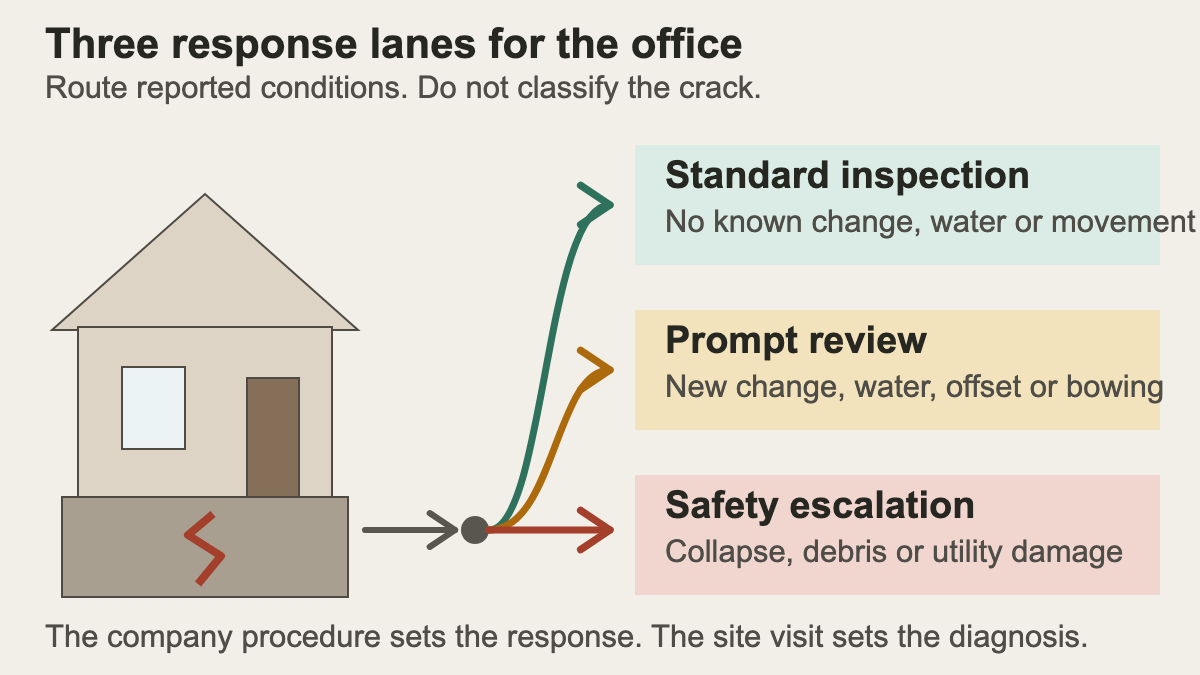
A practical office workflow has three lanes. The first is a standard inspection booking for a visible crack with no reported recent change, active water entry, deformation, or companion movement. The second is prompt review when the caller reports a new or widening crack, water entry, offset surfaces, a repaired area opening again, wall bowing, sticking openings, or uneven floors.
The third lane is safety escalation. Reports of serious wall movement, a partial collapse, falling material, damaged utilities, or another immediate hazard should follow the company’s written emergency procedure. HUD makes a similar boundary in its inspection framework: signs of serious overall foundation failure that may threaten resident safety move to structural-system evaluation.
These lanes organize the company’s response. They do not say that a stable-looking crack is harmless, or that one companion sign proves structural failure. The person answering the phone should never improvise evacuation advice, tell a caller to brace a wall, recommend a repair product, or promise that a standard inspection slot is appropriate when the company’s safety procedure says otherwise.
Prepare the property for the inspection
Before the appointment, confirm which areas the inspector needs to reach. That may include the basement wall, the corresponding exterior elevation, the crawl-space opening, nearby rooms with sticking doors, or the yard where water collects. Ask the customer to provide ordinary access, but do not tell them to enter a confined or damaged area, remove structural material, or disturb electrical and plumbing components.
Useful records include dated photos, a prior inspection or engineering report, repair invoices, warranty paperwork, a property survey if the caller already has one, and notes about when the condition changed. The company can state which documents its inspector actually reviews. It should not imply that every file will change the scope or price.
Confirm who will meet the inspector and whether a tenant, buyer’s agent, seller, or property manager controls access. For an occupied rental, “the tenant knows we are coming” is not the same as confirmed entry permission. Record gates, pets, parking limits, locked utility rooms, and exterior walls blocked by stored items or dense planting.
An AI receptionist can collect these fields after hours and preserve the caller’s wording for the office. The routing rules still come from the foundation company, and uncertain or hazardous reports still need the company’s designated reviewer.
The best handoff is plain: “North basement wall near the utility sink; diagonal crack approximately four feet long; widest point unknown; damp stain after yesterday’s rain; upstairs door began sticking this month; wide and close photos attached; prior patch invoice available.” The inspector can work with that.