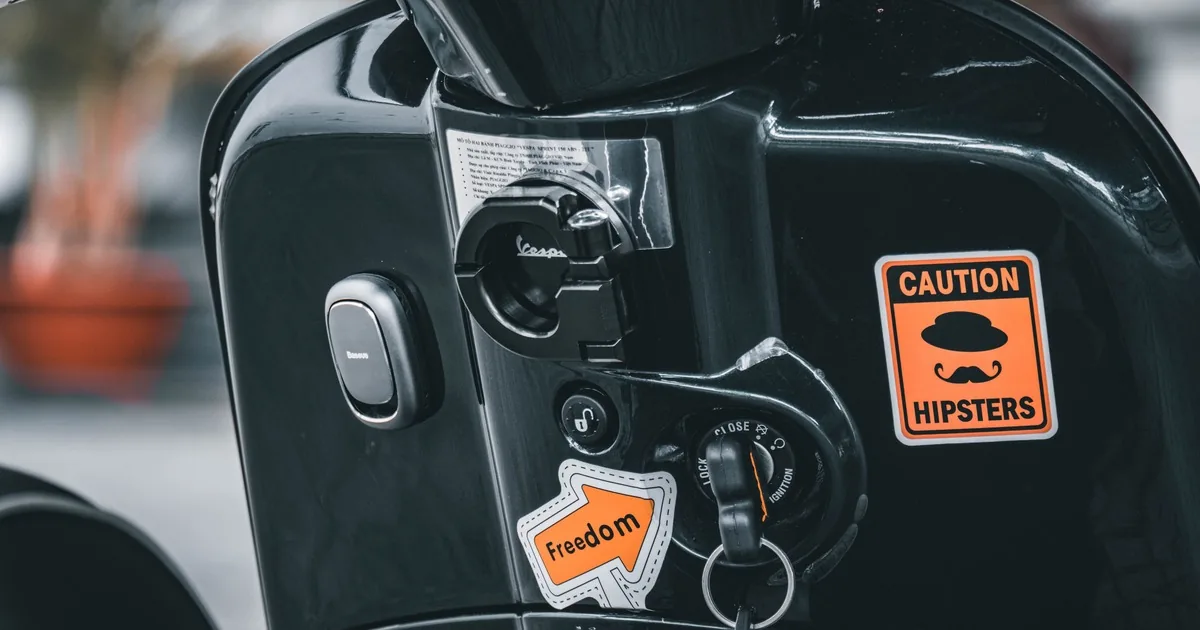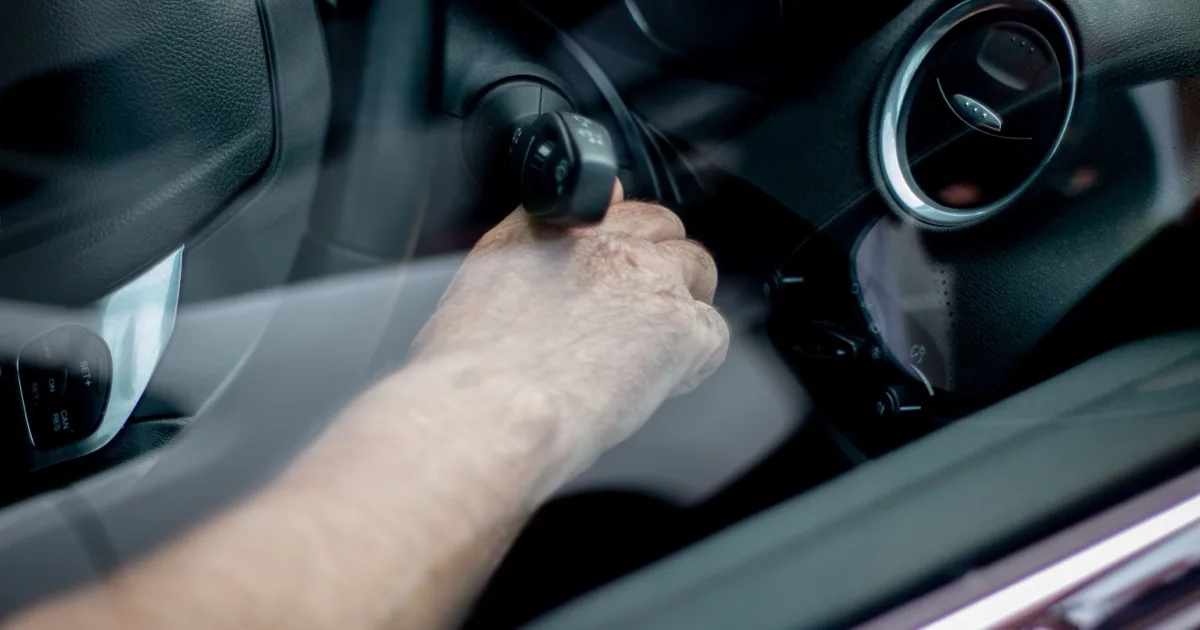
A driver calls from a grocery-store parking lot with a metal key inserted in the ignition. It goes in fully but stops before ACC. The steering wheel is pulled hard to one side, the selector appears to be in Park, and a spare key is at home. The caller wants to know whether to keep twisting, call a locksmith, or arrange a tow.
Start with safety and symptom, not a diagnosis. Confirm that the vehicle is stopped in a safe place. Then ask where the key stops, what still moves, what the dashboard shows, whether another key behaves differently, and whether there was recent damage or ignition work. Capture the exact vehicle and location. A qualified automotive locksmith or other service provider can choose the route from those facts.
Name the symptom before naming the failed part
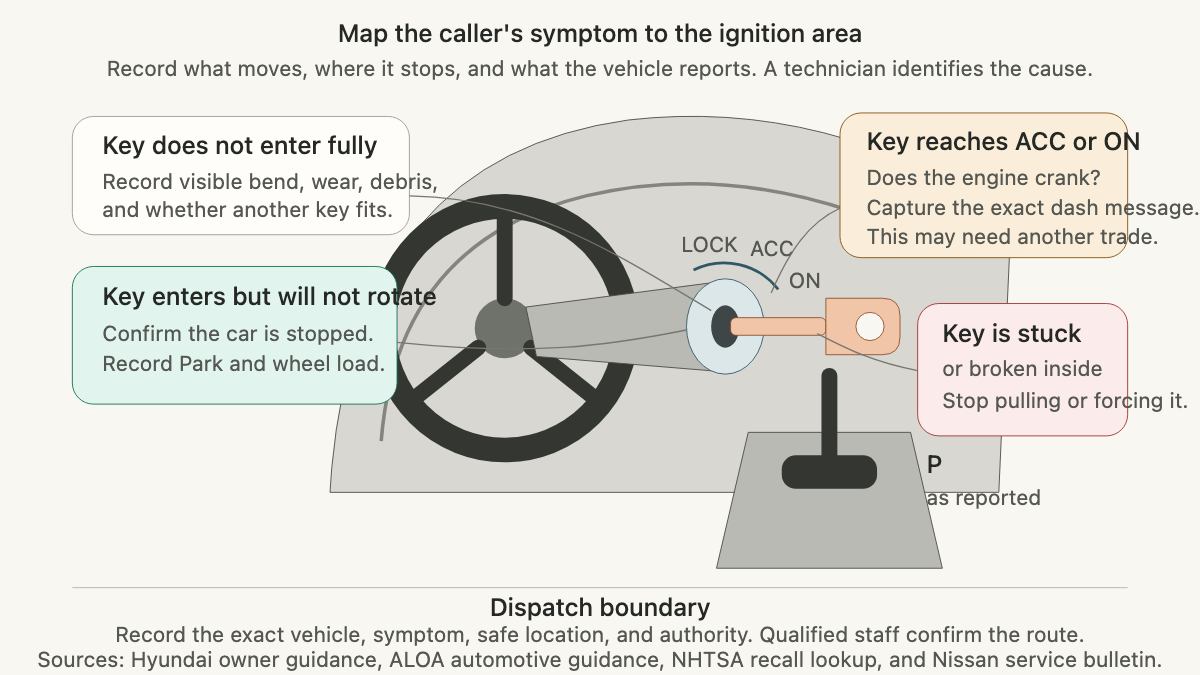
“Key will not turn” can describe several calls. The blade may stop before it is fully inserted. It may enter but refuse to rotate out of LOCK. It may reach ACC or ON while the engine does nothing. The key might rotate and crank the engine, which points to a different service question. It may also be trapped in the cylinder or broken inside.
Ask the caller to describe the sequence in ordinary language: “How far does the key go in?” “Does it move at all after insertion?” “What is the farthest position it reaches?” “Does the dashboard light up?” “Does the engine crank?” “Can you remove the key?” Record the answer as spoken. Do not convert “stops halfway” into “bad ignition cylinder” in the ticket.
The distinction protects the dispatch. A mechanical no-turn complaint may fit an automotive locksmith’s coverage. A key that turns normally while the engine cranks but does not start may need a mechanic. A recognized-key or immobilizer message can require a different technician, equipment set, or dealer process. A broken blade inside the ignition adds an extraction problem that reception should flag before anyone is sent.
If the driver reports smoke, heat, a burning smell, collision damage, an unsafe roadside position, a child or animal locked in the vehicle, or a car that cannot be secured, stop the routine script. Follow the company’s emergency and roadside policy.
Confirm the vehicle is stopped and stable
Ask whether the vehicle is fully stopped. This comes first because ignition and steering controls carry risks while a vehicle is moving. Hyundai’s official key-ignition guidance for the 2025 Tucson warns against turning the switch to LOCK or ACC while the vehicle is in motion because the engine can stop and steering or braking assistance can be affected.
Next, capture the selector position exactly as the caller reports it. For an automatic transmission, ask whether the indicator shows Park. For a manual transmission, record that it is a manual and follow the shop’s vehicle-specific procedure. Do not tell a caller to dismantle a console, use a shift-lock override, or reach into the steering column.
Ask about steering-wheel position and resistance. “Is the wheel centered, or is it held hard against one side?” is better than assuming the steering lock is the cause. The Hyundai manual notes that steering-lock pressure can make its key switch difficult to turn. That statement applies to the covered vehicle. Other vehicles differ, so reception should treat wheel load as an observation and check the owner’s manual for the exact year and model.
The office can state a bounded next step: keep the vehicle stationary, avoid force, and wait while qualified staff review the call. A dispatcher should never encourage stronger twisting, striking the key, adding an unapproved chemical, removing trim, or probing the cylinder.
Capture the key’s condition and recent history
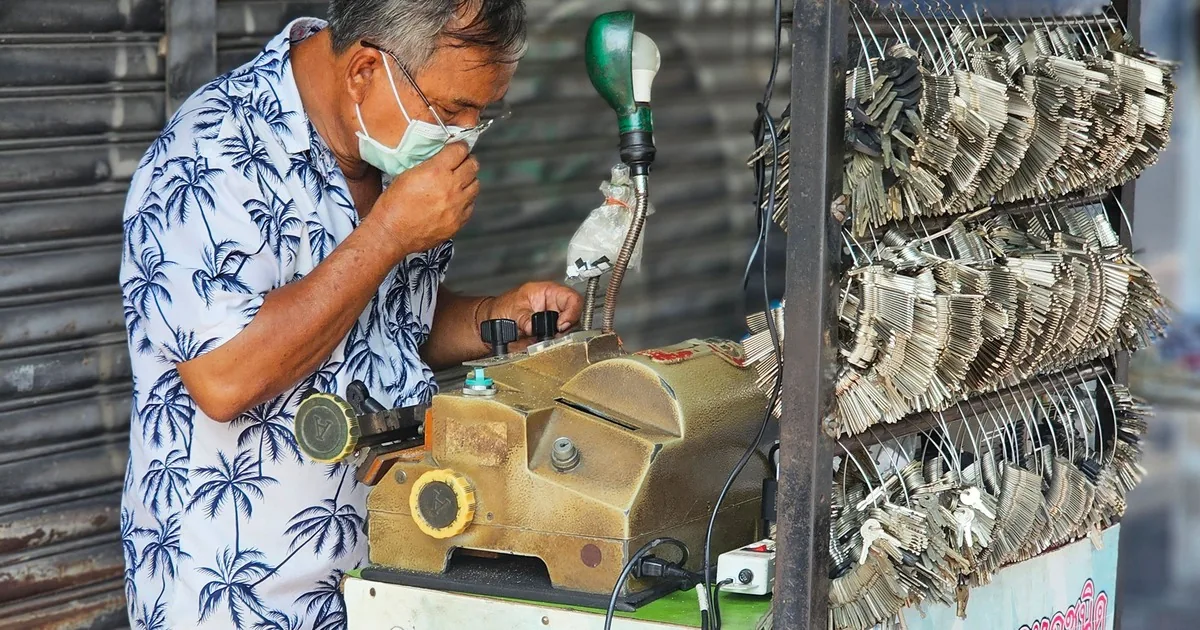
Ask the caller to look at the key without changing it. Is the blade visibly bent, cracked, worn, or separated from its head? Are there fresh scrape marks? Did it fall, get wet, or pass through a repair shortly before the problem began? Does the caller have another key, and has that spare worked in this vehicle before?
A spare-key result can be useful to the technician, but reception should not treat it as a final test. A second key that works changes the evidence. It does not authorize the office to declare the first key worn or the ignition healthy. A Nissan manufacturer bulletin hosted by NHTSA documents one specific worn-key condition for listed vehicles and states that its repair information is for qualified technicians. That is a good model for the boundary: vehicle-specific evidence belongs in technical hands.
Also separate a mechanical no-turn call from a transponder or fob complaint. Ask whether the key has buttons, whether a separate fob is present, and whether the dashboard displays words such as “no key,” “wrong key,” or another message. Copy the exact wording. A caller who wants a supplied remote programmed belongs in the key-fob programming intake, even if the first sentence sounds similar.
If part of the key is broken inside the ignition, tell the caller to stop pulling or forcing it and follow the shop’s safety script. ALOA’s automotive guidance advises against caller extraction attempts because the lock mechanism can be damaged. The ticket should say what portion is visible, whether the remaining head or blade is available, and whether the vehicle is secure.
Identify the exact vehicle and parked location
“Older sedan” is too vague for a capability check. Record the year, make, model, trim if known, and full 17-character VIN through the company’s approved process. NHTSA’s recall tool uses the VIN to identify a specific vehicle. It also lets an owner check for unrepaired recalls. A recall result does not diagnose this call, but exact vehicle identity helps qualified staff check manufacturer information before accepting the job.
Ask whether the ignition and door locks are original. Note a replaced steering column, prior ignition-cylinder work, collision repair, theft attempt, aftermarket alarm, remote starter, or recently cut key. These details can change the service route. Record them without speculating about fault.
Then map the car precisely. Capture the street address, business or property name, garage level, row or space number, gate instructions, and a reliable callback number. Ask whether a service vehicle can park near the driver’s door and whether the caller will stay onsite. A key problem in a private driveway is a different dispatch from the same symptom in a low-clearance airport garage.
Authority still matters because a working key in hand does not prove a right to alter the vehicle. Tell the caller what identification and ownership evidence the company will require under its written policy. If the vehicle belongs to an employer, rental company, family member, estate, or fleet, record the relationship and the person authorized to approve service. Keep sensitive documents in approved channels.
Route the call without making a repair promise
The office needs a routing decision, not a phone diagnosis. Check the vehicle against the shop’s actual automotive coverage, technician skills, equipment, parts process, service area, and authorization rules. ALOA describes automotive locksmithing as a specialized field and notes that some key issues may require dealer involvement.
A complete dispatch ticket should include:
- caller name, callback number, relationship to the vehicle, and authority-verification notice
- year, make, model, trim if known, VIN, transmission type, and ignition style
- whether the key enters fully, the farthest position reached, and whether it releases
- whether the dashboard powers on, the engine cranks, or an exact key-related message appears
- Park or manual-transmission status as reported, steering-wheel position, and wheel resistance
- visible key condition, spare-key behavior, broken material, and recent key or ignition work
- collision, theft, smoke, heat, roadside, or security concerns
- exact parked location, gate or garage access, driver-door working space, and onsite contact
Read back the VIN, vehicle, symptom, location, and callback number. Then state only what is confirmed. For example: “I have a 2017 sedan in Park with the original-style metal key inserted fully. The key does not move out of LOCK, the wheel is held left, there is no visible break, and no spare is onsite. The car is on garage level two with room beside the driver’s door. Our automotive technician will review the vehicle details and confirm the service route.”
Avoid “We can fix that onsite” until a qualified person has checked the case. The right outcome may be locksmith service, mechanical diagnosis, dealer support, a tow, recall follow-up, or emergency assistance. A clean handoff is more useful than a confident guess.
Keep this page separate from all-keys-lost replacement intake, where no working key may remain, and from the emergency lockout process, where the immediate job is access. Use the locksmith resource hub for adjacent call types. An AI receptionist can capture the same bounded fields after hours and apply the company’s routing rules. It should preserve uncertainty, protect sensitive vehicle records, and leave diagnosis and authorization to people with the right training.