A caller is standing on level four of an airport garage beside a locked 2021 crossover. The only smart key disappeared somewhere between baggage claim and the car. Registration is in the glove box. The garage has a height limit, the phone battery is nearly dead, and the caller keeps asking one question: “Can you make a key here?”
The dispatcher needs a better picture before answering. Start by separating all-keys-lost service from a lockout, spare-key request, damaged key, or fob failure. Then capture the exact vehicle, the key or ignition style, the caller’s identification and ownership-document situation, the parked location, and safe access for a service vehicle. A technician or qualified scheduler can confirm capability after those facts are checked.
Identify which problem the caller actually has
“Lost car key” covers several jobs. Ask whether every working key is missing. A key might be locked inside the cabin, broken in a lock, present but rejected by the vehicle, or available as a working spare while the caller wants another copy. Each answer changes the route.
Use plain questions. “Do you have any key that still unlocks or starts the vehicle?” is better than asking whether this is an all-keys-lost procedure. Follow with: “Can you see the missing key inside the vehicle?” and “Does the car use a metal key in the ignition or a push-to-start button?”
If a key is present, record what it does. Does the blade turn a door lock? Do remote buttons respond? Does the dashboard show a key-related message? Do not coach the caller through programming steps or repeated start attempts. The ALOA automotive guidance treats fob failures, broken keys, key errors, lockouts, and lost-all-keys situations as separate reasons to contact an automotive specialist.
Ask whether the key was misplaced or may have been stolen. Record the caller’s concern exactly. Do not promise that a missing key can be erased or that every mechanical blade can be made useless. Available security steps vary by vehicle and service provider.
A person or animal trapped in a vehicle changes the call. Follow the locksmith company’s emergency policy and direct the caller to emergency services when conditions require it. Do not let a replacement-key questionnaire delay an immediate safety response.
Capture the exact vehicle, not a rough description
“Blue Honda SUV” will not support a reliable capability check. Record the year, make, model, and trim if the caller knows it. Then request the full VIN through the company’s approved channel.
NHTSA explains that a modern U.S. VIN contains 17 characters and identifies a particular vehicle. The public VIN is normally visible near the lower driver-side windshield. It can also appear on registration and insurance records. Ask the caller to read it slowly, then read it back in groups. A photo can reduce transcription errors when the shop has a secure, approved way to receive and retain it.
Never treat the VIN as proof that the caller controls the vehicle. It can be visible through the glass. It identifies the car; it does not establish authority to order a key.
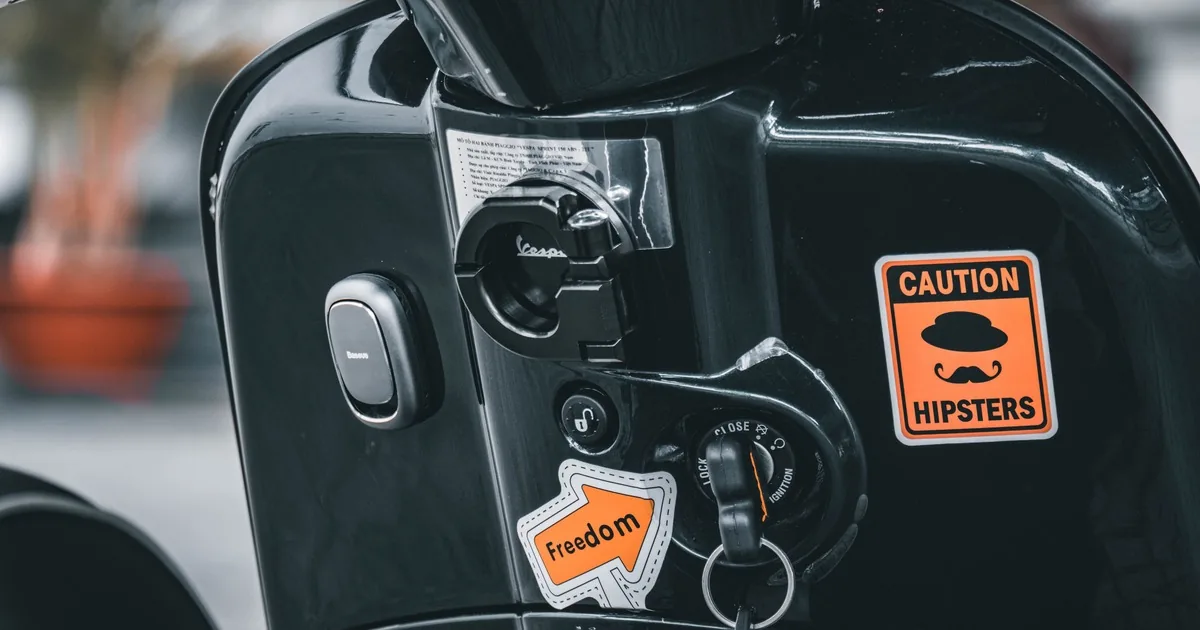
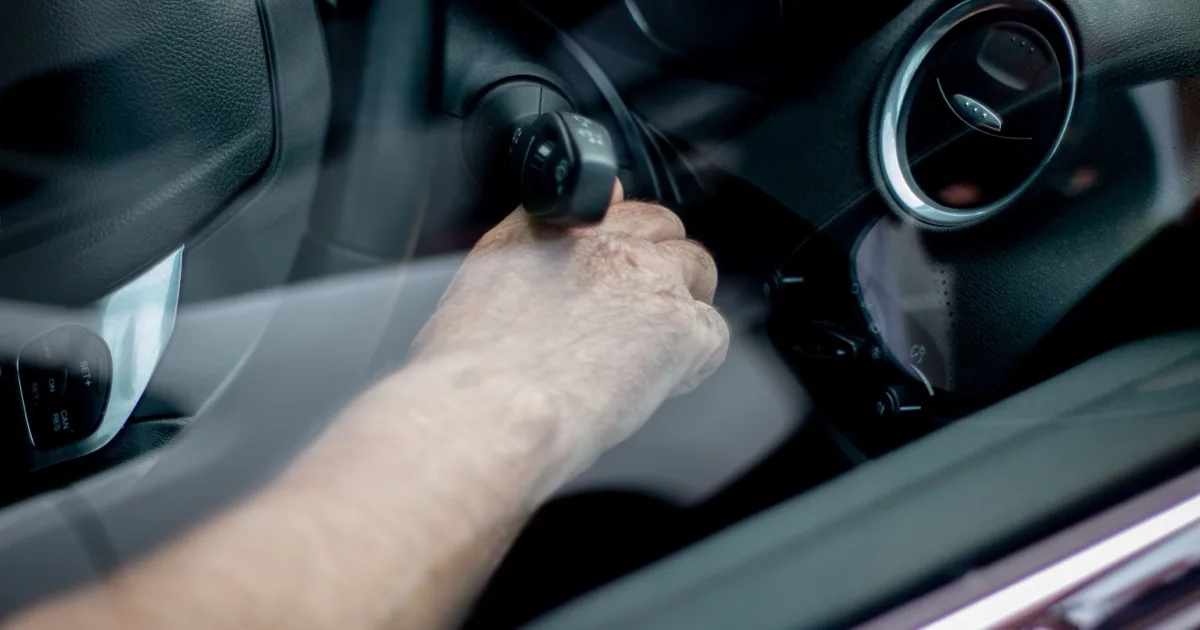
Record the ignition and key style in ordinary language. Useful descriptions include a metal key inserted into the ignition, a remote-head key with buttons attached to the blade, a separate fob and blade, or a push-button start with a smart key. If the caller has a broken shell, loose blade, damaged fob, or second nonworking key, ask them to keep it available for the technician.
Some vehicle key jobs need electronic programming, and some vehicles or situations may require dealer involvement. ALOA describes automotive locksmithing as a specialized field with changing equipment and training needs. The office should check the exact vehicle against its own coverage, tools, technician skills, parts, and authorization process before promising mobile completion.
Set the identification and authority expectation on the call
Tell the caller what the company will require before work begins. ALOA’s Positive Identification Policy says callers requesting lockout or key-by-code service should be advised that identification and authority will be checked. It calls for photo identification and reasonable evidence that the customer has authority over the property.
The office should use its written policy and applicable local law. Common situations need different records: the registered owner standing with the car, an employee using a company vehicle, a rental customer, a family member helping an owner, a recently purchased vehicle, an estate, or a repossession. Reception can describe the required process. It should not approve an exception or declare a caller authorized.
Ask whose name appears on the vehicle records and whether that person will be present. If the title or registration is locked inside, note that. If the registered owner is a business, capture the business name, caller’s role, fleet or manager contact, and the person authorized to approve service. For a rental vehicle, tell the caller to contact the rental company and follow the shop’s rental-service policy.
Handle documents carefully. Do not ask a caller to send a driver’s license, title, registration, VIN, or insurance card to an unverified personal number. State the approved upload, in-person review, or other secure method. Record only what the dispatch process needs.
Map the car’s exact location and the working space
A street address can still leave a technician circling a hospital garage. Capture the vehicle’s current location with enough detail to find the right car: property name, street address, garage level, row or space number, gate instructions, nearby landmark, and license plate when company policy permits.
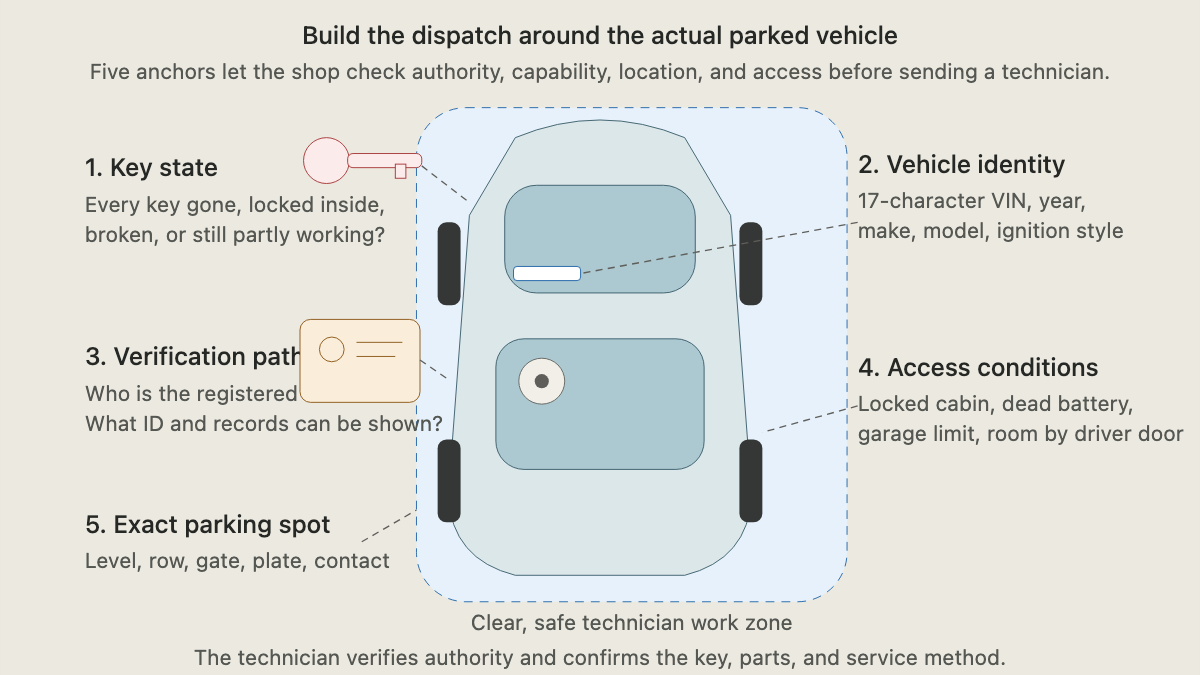
Ask whether the vehicle is in a private garage, tow yard, dealership lot, gated community, airport, workplace, or roadside position. Who can grant access? Is there a height limit? Can a service van park beside the driver’s door? Is the area safe and legal for work? A car wedged against a wall or parked in moving traffic may need a different plan.
Record whether the doors are locked and whether registration or identification is inside. Ask if the vehicle battery appears dead, because a dead battery can affect the service plan, but avoid giving repair instructions. Note recent collision damage, a replaced ignition, changed door locks, or aftermarket security equipment. Those details can affect the match between the vehicle record and the hardware the technician finds.
Get a reliable callback number and ask whether the caller will remain with the vehicle. In a large lot, “white sedan by the elevator” ages badly. A specific level, row, plate, and onsite contact survive the handoff.
Keep quotes and capability promises bounded
A dispatcher can explain the company’s service-call or diagnostic charge under written policy. A final key price or completion promise may depend on the exact vehicle, key type, parts availability, ownership verification, current hardware, programming requirements, time, and location.
Do not say, “We can make any key on site.” The KeyMe replacement guide explains that replacement without the original may be possible through several methods and that modern keys may require programming. “May be possible” is the useful boundary. The technician or qualified scheduler still has to confirm this vehicle.
If the shop does not cover the make, model, year, or key system, say so promptly. If dealership service appears necessary, give that next step without criticizing another provider. A clean decline is better than a dispatch that cannot be completed.
State what is confirmed. For example: “I have your 2021 vehicle’s full VIN, push-button start, and an all-keys-lost request. You can present photo identification, but the registration is locked in the glove box. The car is on level four, row D, with space beside the driver’s door. Our automotive technician will review the vehicle and document details before we confirm the service scope.”
Build the ticket in the order the technician will use it
A complete handoff should include:
- caller name, callback number, relationship to the vehicle, and registered owner
- all-keys-lost, lockout, spare, broken-key, or fob-failure category
- year, make, model, trim if known, full VIN, ignition style, and any key or fob still present
- identification and ownership-document situation under company policy
- misplaced or suspected-stolen key, recorded without promising deactivation
- exact address, property, garage level, row or space, gate access, plate, and onsite contact
- locked or accessible cabin, documents inside, battery concern, collision damage, changed locks, or aftermarket security
- safe work area, parking limits, height restrictions, roadside risk, and who can authorize charges
Read the high-risk fields back. Confirm the VIN, vehicle year and model, location, caller name, registered owner, and callback number. One wrong VIN character or one wrong garage level can waste the dispatch.
Keep this intake separate from key-fob programming inquiries, where a key or fob may still be available for testing. A simple locked-key call may belong under the shop’s emergency lockout process. The locksmith resource hub can support related office procedures without collapsing them into one script.
An AI receptionist can gather these bounded facts after hours and route the ticket under the locksmith’s rules. It should never approve ownership evidence, expose sensitive records, promise entry, select a key, or claim that programming will succeed. The best handoff puts the technician at the right vehicle with an informed caller, a clear verification path, and enough room to work.