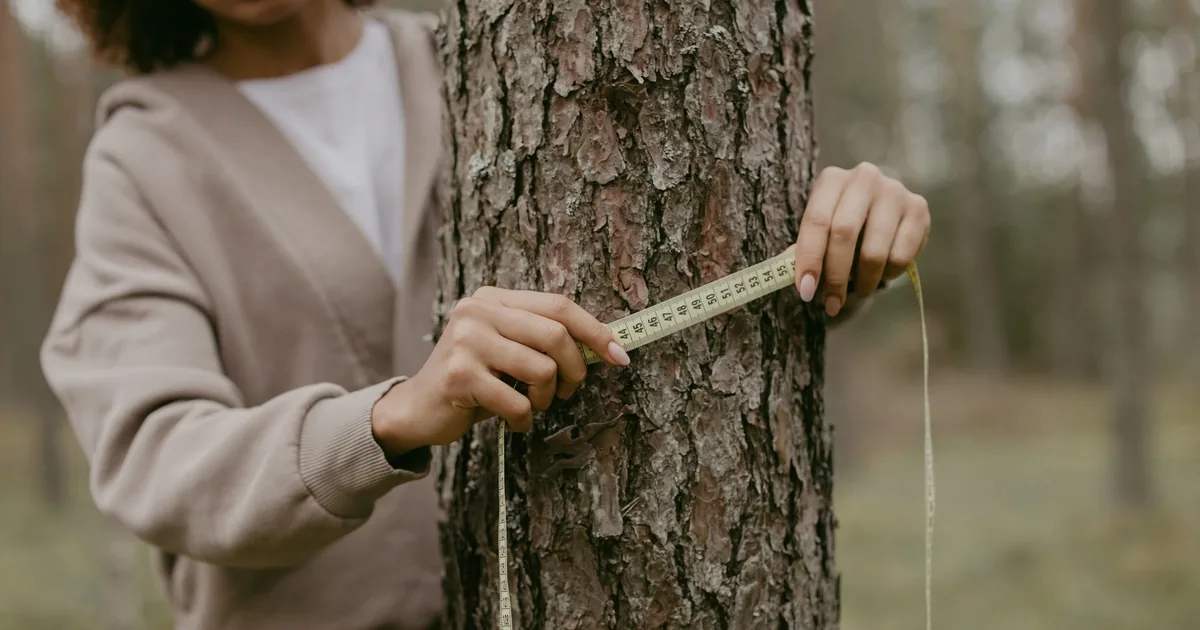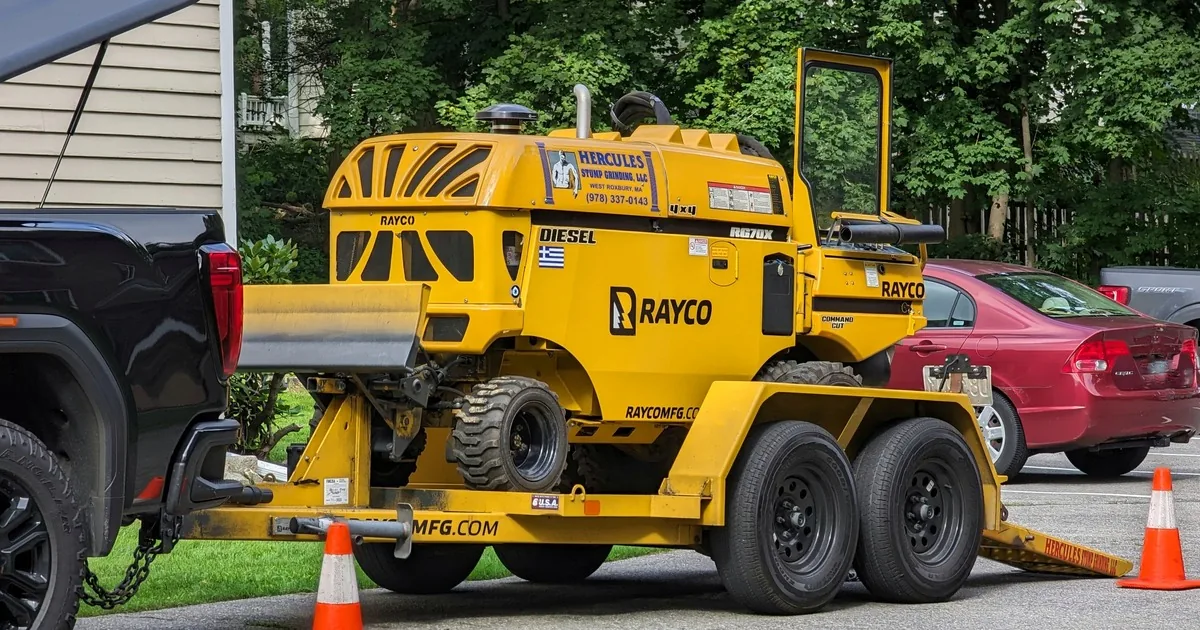
A homeowner calls about “one small stump” beside the garage. The first photo shows a dinner-plate cut surface. The second reveals a wide root flare pressed against a retaining wall, river rock around the base, and a gate barely wider than a wheelbarrow.
That is why stump grinding quote calls need more than a count and a guess at size.
For a useful first review, label every stump, measure the widest part of each root flare at ground level, ask how deep the caller expects the grinding to go, and document the complete route from trailer parking to the work area. Add the intended use of the spot and a clear cleanup choice. The estimator can then decide whether photos are enough for a firm quote or whether the site needs a visit.
Start with a stump list, not “a few in the yard”
Get the service address and the caller’s relationship to the property. Confirm who can approve the work and whether someone must meet the estimator. Then turn the request into a numbered list.
Ask the caller to label the stumps A, B, C, and so on in photos or on a rough sketch. Record where each sits: front lawn by the curb, behind the detached garage, inside the pool fence, beside the patio, or down the slope near the creek. If one stump came from a tree your company removed, link the removal record and confirm whether its original proposal included grinding.
Multiple stems need a plain description. One broad base with several trunks can present a different grinding area than several separate stumps scattered across the property. The office does not need to classify the root system. It needs photos that let the estimator see the arrangement.
Ask whether each tree was recently cut, how high the remaining wood stands, and whether dirt, mulch, vines, stones, wire, fencing, concrete, or old landscape fabric surrounds it. UC Agriculture and Natural Resources advises removing rocks from the stump area because they can damage cutter teeth and create flying debris. A caller should photograph the condition, not start digging around an unfamiliar stump for reception.
If the stump is attached to a standing, storm-damaged, or partially failed tree, move the call out of the grinding queue. Use the tree-removal quote intake guide and have a qualified person review the remaining tree first.
Measure across the root flare at ground level
“About 18 inches” can refer to the cut face, trunk above the flare, or the full base where roots spread into the soil. Those measurements are not interchangeable.
Ask for one overhead photo with a tape laid across the widest ground-level span, including the visible root flare. The full tape and both edges should remain in frame. Request a second photo from the side that shows stump height, slope, nearby surfaces, and roots hidden by grass or chips. If the base is irregular, a third photo from the opposite side can prevent a false impression.
Do not have the caller wrap a tape around the trunk and convert circumference into diameter. An irregular flare does not behave like a tidy circle, and the conversion creates precision the photo cannot support. Record the direct span shown in the image as a caller measurement. The estimator can confirm the company’s pricing measurement and work area.
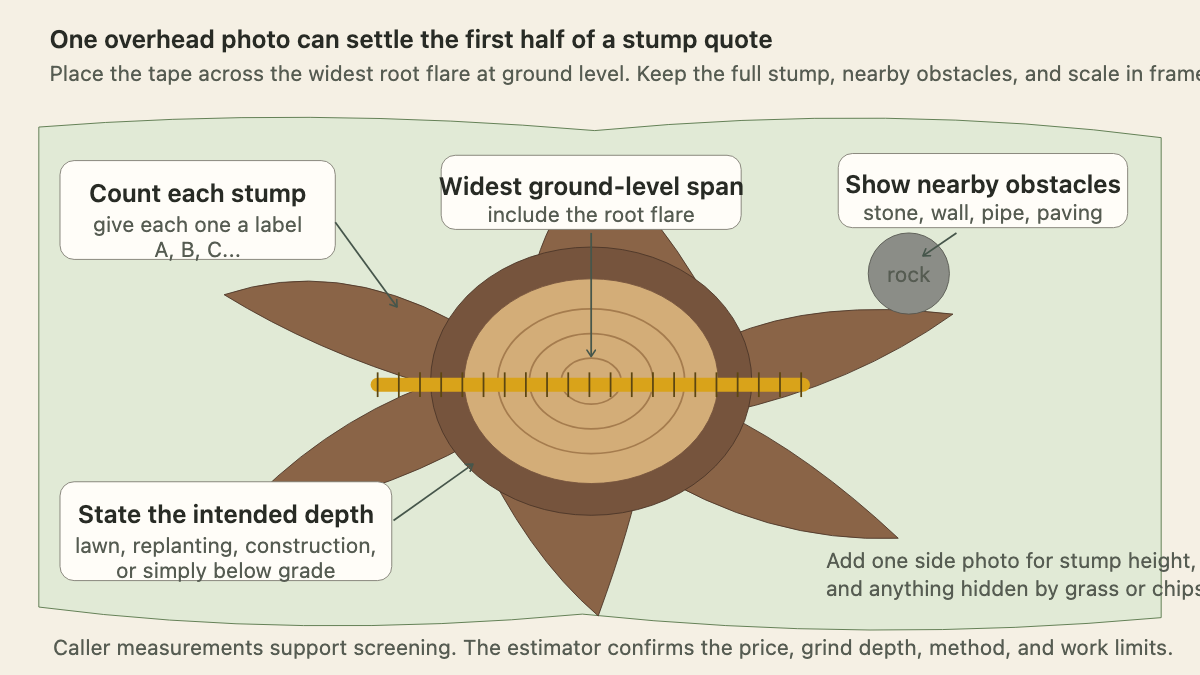
The photo request should stay simple: “Place the end of the tape at the widest edge where the stump meets the ground, stretch it straight across the center to the opposite edge, and take the picture from above.” If the caller cannot reach the stump without stepping onto a steep bank, unstable debris, or an active work area, skip the measurement and schedule field review.
Tie grinding depth to what happens next
“Remove the stump” can mean make mowing easier, take the visible wood below grade, prepare a planting bed, clear a path for excavation, or remove the entire root ball. Stump grinding and full stump extraction leave different ground conditions.
University of Illinois Extension notes that grinder capabilities can range from flush with the soil line to more than a foot below it. Deeper work can leave a larger hole, and the requested depth can change the job. No universal depth fits every site, machine, species, or next use.
Ask what the caller plans to do with the spot after grinding. A lawn repair, replacement tree, garden bed, fence post, patio, driveway, utility trench, building work, and simple trip-hazard reduction each give the estimator different context. Record the goal without promising that grinding alone will prepare the site for it.
If the caller wants to plant a replacement tree in the same location, note that clearly. Illinois Extension explains that ground wood mixed with soil can affect lawn or plant establishment and discusses removing grindings and adding quality topsoil for turf. The estimator should address the hole, remaining roots, soil, and planting location with the caller. Reception should not promise that a new tree can go directly into the ground stump cavity.
For work tied to construction, excavation, pipes, pavement, or foundations, route the call for field review. The tree-root consultation guide shows how to keep the tree observation separate from claims about what damaged a structure or service.
Trace the route from trailer parking to the stump
A machine can reach the address and still fail to reach the stump. Walk the route in words, beginning where the truck and trailer can park.
- What is the narrowest clear gate, passage, or opening, measured between fixed obstacles?
- Does the route cross steps, curbs, decking, gravel, fresh sod, irrigation, septic components, drainage pipe, a steep bank, a retaining wall, or a sharp turn?
- Is the ground firm, wet, rutted, soft after rain, or covered by loose stone?
- Are there low branches, overhead wires, clotheslines, fences, air-conditioning equipment, vehicles, windows, pets, play areas, or public traffic near the route or stump?
- Is there enough open area around the stump for the machine and the cutter’s working movement?
- Where can the crew stage barriers, collect chips, and load material without blocking a shared drive or emergency access?
Gate width matters, but use it as a reported dimension. “Caller measured 41 inches between the latch post and masonry pier” is useful. “Machine will fit” is a field decision based on the actual equipment, turn, slope, surface, and clearance.
UC Agriculture and Natural Resources identifies access and grade as practical limits on stump grinding. Its guidance also warns that chips can fly and that wet ground can be damaged or compacted by heavy equipment. Those facts make nearby windows, people, traffic, soft lawns, and setup space relevant before the crew arrives.
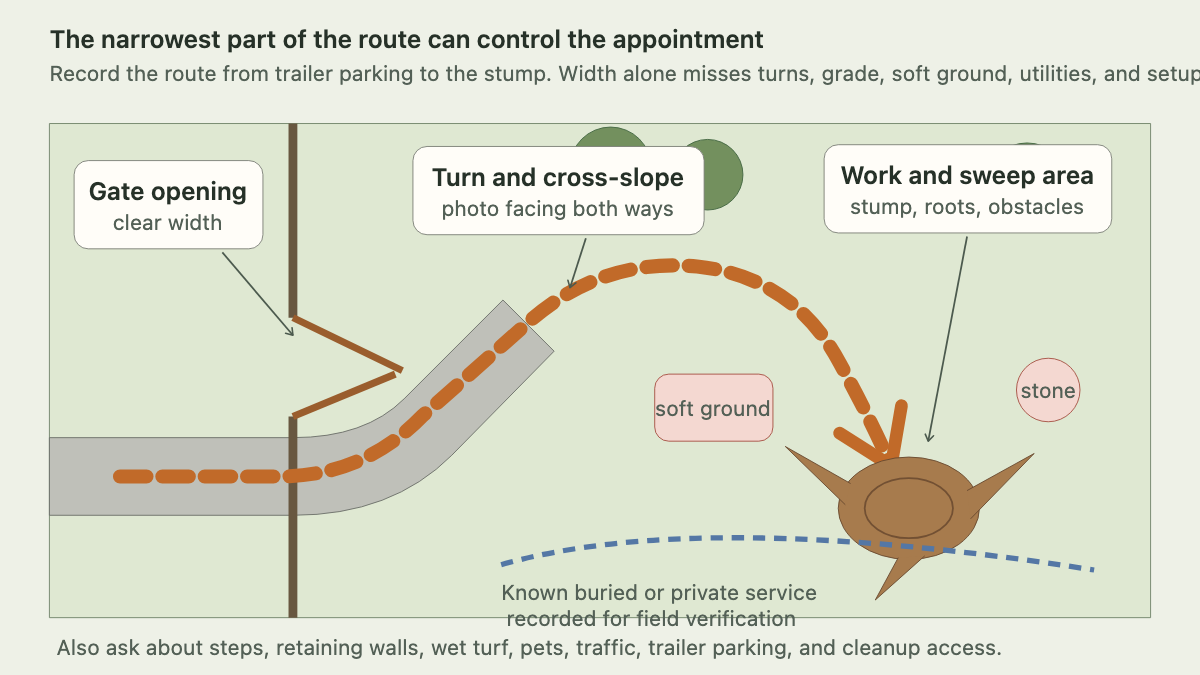
Ask for four route photos when access is not obvious: parking toward the gate, the narrowest opening, the turn beyond it, and the stump from the machine approach.
Record buried-service context without declaring clearance
Ask what the caller knows about electric, gas, water, sewer, irrigation, drainage, septic, propane, invisible fencing, landscape lighting, communication lines, or other buried features near the stump and route. Private systems may not appear in public utility records.
Where planned work includes excavation, OSHA’s excavation rule requires expected underground installations to be identified and utility owners contacted under the applicable process. The 811 service directs callers and contractors to the state-specific center for locate requirements before digging. Exact rules, notice periods, and coverage vary by state and project.
Keep reception’s note factual: “Caller reports irrigation line approximately two feet east of stump B; location unverified.” A paint mark, flag, map, or prior locate does not authorize the office to declare the grinding area clear. Follow the company’s local procedure and let the responsible person decide what additional locating or hand verification is needed.
Separate grinding, chip handling, and restoration
Grinding produces a mix of wood chips and soil. Ask what the caller expects the crew to do with it. Choices might include leaving the mound, spreading chips in an agreed area, hauling some or all material, or preparing the hole for a separate topsoil and lawn repair step.
Name each scope item in the estimate record. Grinding the wood, chasing visible surface roots, moving grindings, hauling material, importing soil, grading, seeding, and protecting nearby surfaces are separate actions. The company may bundle some of them, but the caller should not have to infer the finish from the word “grind.”
The broader lot-clearing estimate guide covers stump treatment, debris destinations, and handoff conditions when the request involves a whole building site or wooded parcel.
Read back a field-ready request
A good handoff can sound like this:
“Owner requests a quote for three labeled stumps at 24 Sample Court. Stump A is in the front lawn beside the drive; caller reports a 28-inch widest ground-level flare. Stumps B and C share a broad base behind a 41-inch gate. Overhead and side photos received. The rear route includes one tight turn, soft turf after rain, and a reported irrigation line. Caller wants the front area prepared for lawn repair and plans a garden bed behind the garage. Chips should be quoted both left on site and hauled. Depth, surface-root scope, machine access, buried services, barriers, cleanup, soil, and final price require estimator confirmation.”
Read that back before assigning the appointment. Corrections made on the phone are cheaper than discovering that “three stumps” meant seven cut stems behind a locked pool gate.
Sources
- University of Illinois Extension: What to do with that tree stump?
- UC Agriculture and Natural Resources: Stump Grinding
- OSHA: Specific Excavation Requirements
- 811 Before You Dig