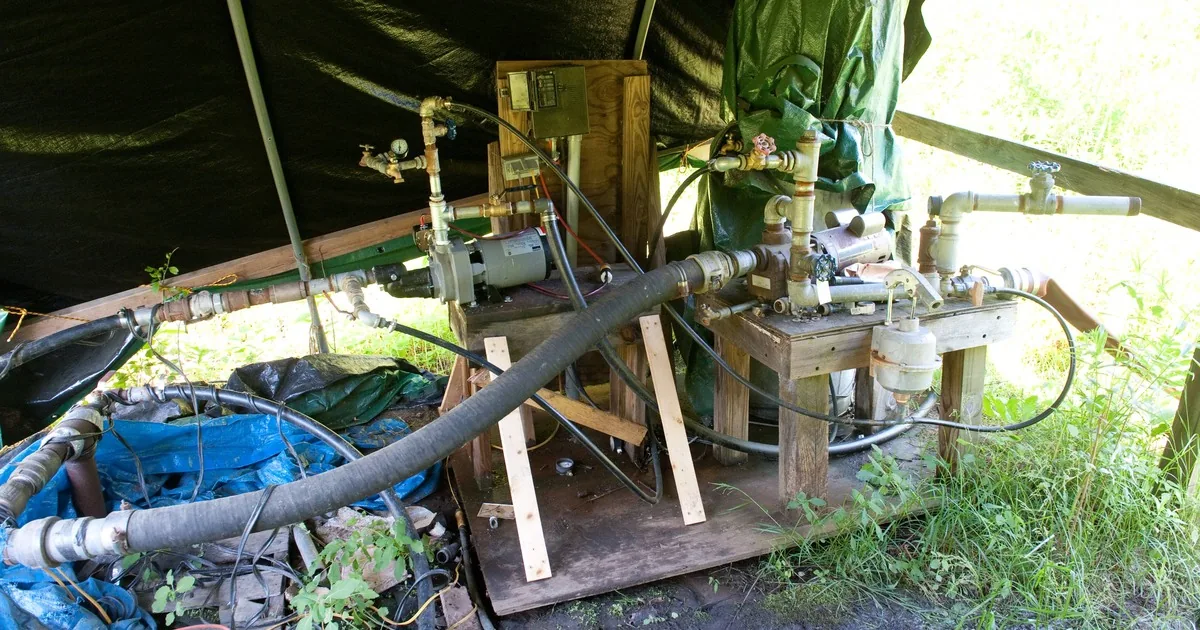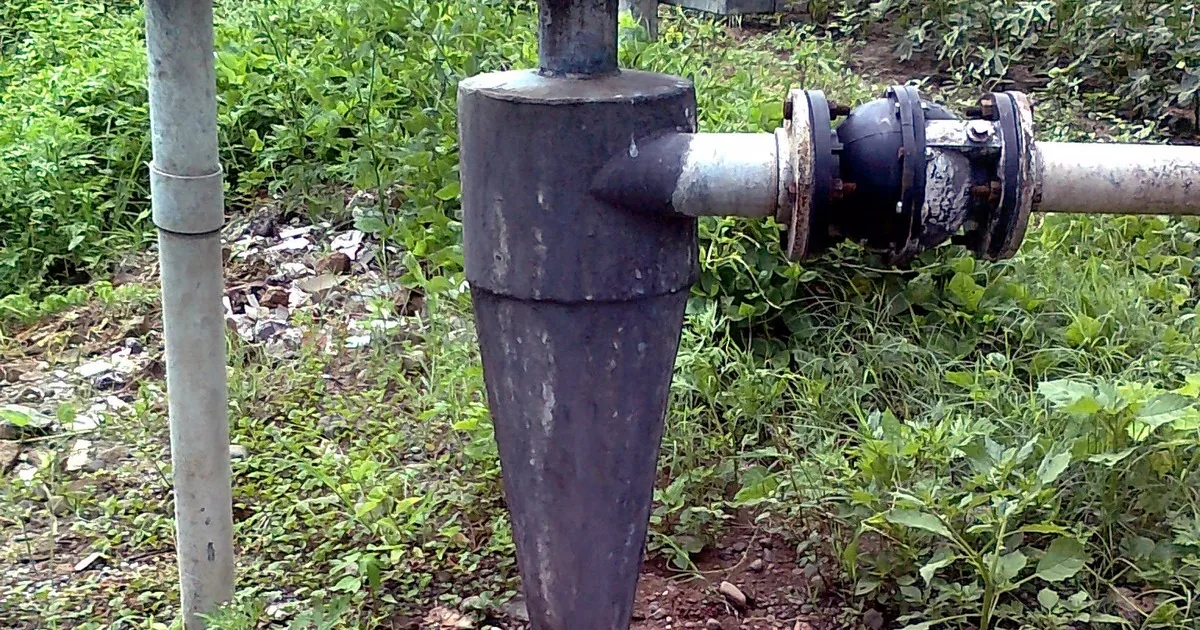
A homeowner calls and says, “I think the pump in the well is bad.” Ten minutes later, the technician discovers a jet pump sitting beside the pressure tank in a basement. That misunderstanding affects the parts conversation, the access notes, and the questions the office should have asked.
The basic difference is physical. A jet pump has its pump body and motor above ground. A submersible pump and motor sit inside the well and push water up a drop pipe. The service desk can often identify an above-ground jet pump from safely visible equipment. A submersible system usually requires a well log, an invoice, a model record, or field confirmation because the pump itself is out of sight.
Do not let that simple distinction turn into a diagnosis. Jet pumps can serve shallow- or deep-well configurations, and submersible pumps come in different flow, horsepower, voltage, stage, and wiring combinations. Pump location starts the intake. It does not select the replacement.
Start with where the pump is installed
Ask, “Can you see a pump motor beside the pressure tank, or do you only see the tank, piping, controls, and the wellhead?” The caller should answer from a normal standing position. Nobody needs to remove a cover, open a control box, lift a well cap, touch wet equipment, or trace wiring.
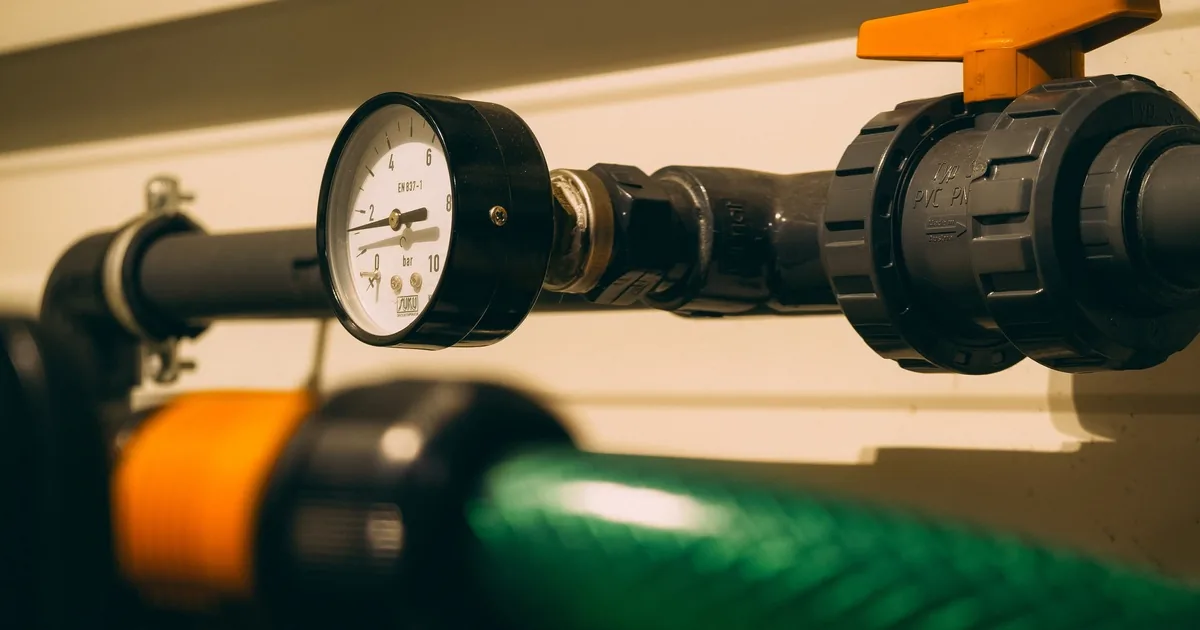
An above-ground jet pump usually presents a recognizable service scene: a motor and pump body in a basement, crawlspace, utility room, pump house, or sheltered outdoor location. Piping runs from the water source to that pump. The system then supplies a pressure tank and the building.
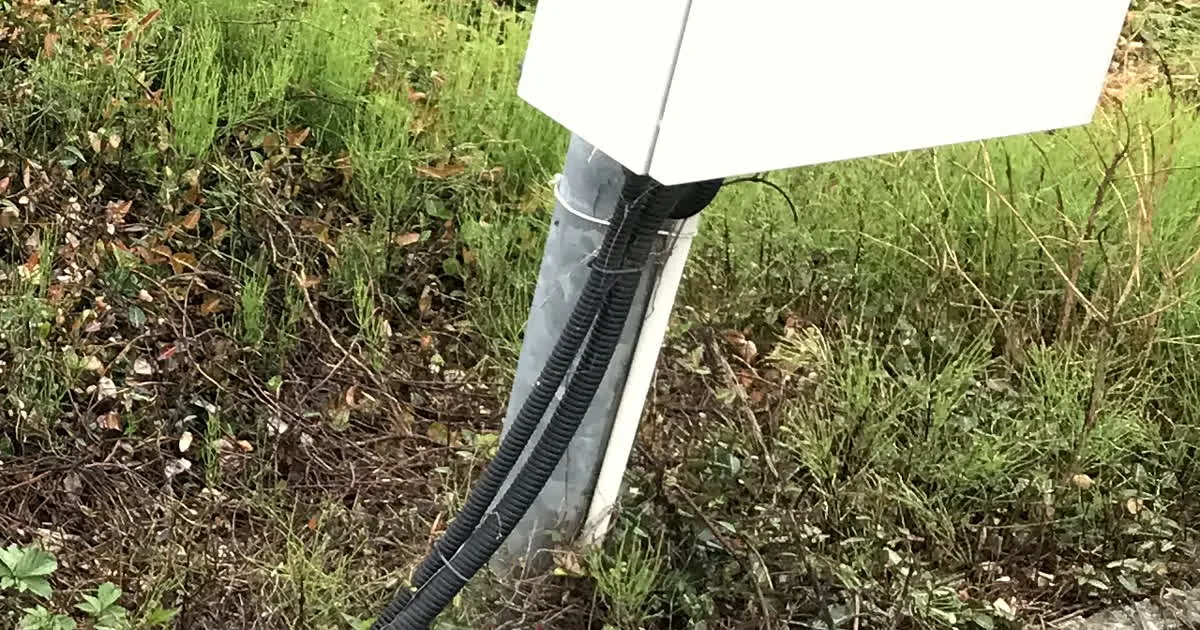
A submersible pump presents a different scene. The pressure tank and controls may be visible, but the pump hangs below the water level in the well. The caller may point to a well casing outdoors and a closed control box indoors while seeing no pump at all.
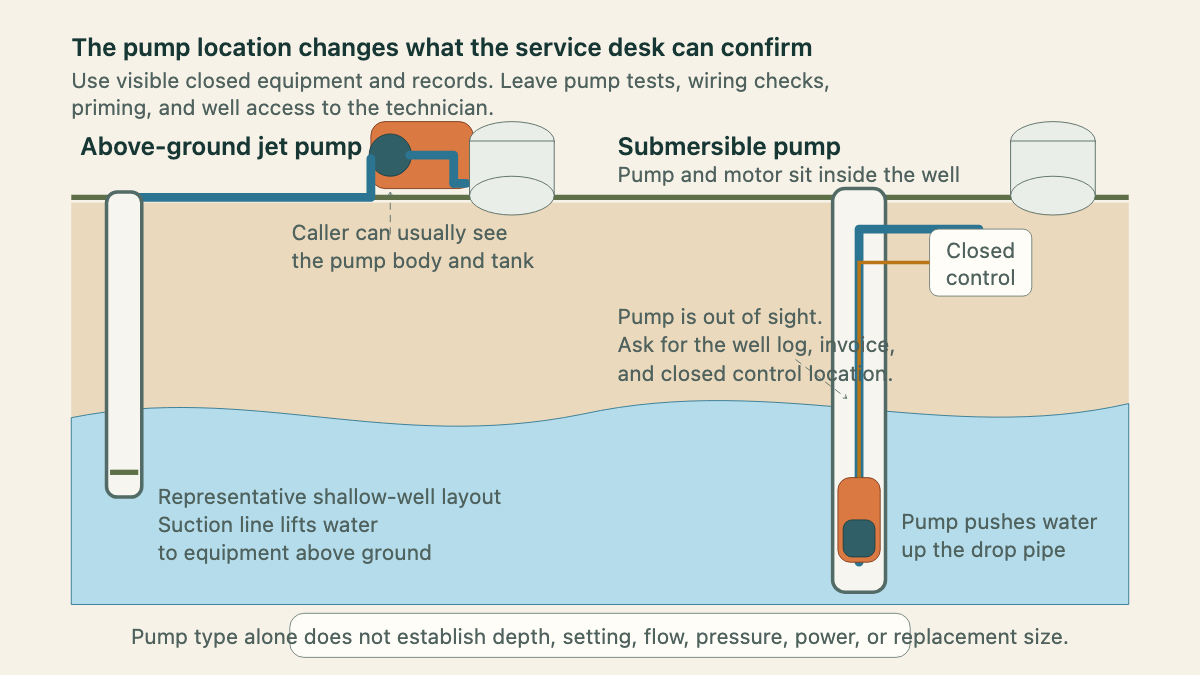
The left side of the cutaway shows one representative shallow-well jet layout. It is not a universal jet-pump diagram. Franklin Electric, for example, documents convertible jet equipment that can operate in shallow- or deep-well arrangements. If a caller says “jet pump,” the office still needs the piping layout, well information, and model record.
Identify the system without asking the caller to test it
A useful identification sequence begins with records and ordinary observation. Ask whether the customer has a well completion report, pump invoice, service sticker, equipment manual, inspection report, or photo from prior work. Capture the exact model and serial information only when it can be read from the outside of closed equipment.
Then ask a short set of questions:
- Where is the pressure tank, and what equipment is beside it?
- Is an electric motor and pump body visible above ground?
- Where is the wellhead, and is it inside, outside, or in a separate pump house?
- Does the customer see one pipe, two pipes, or no exposed piping at the well entry? Record the observation without naming the configuration.
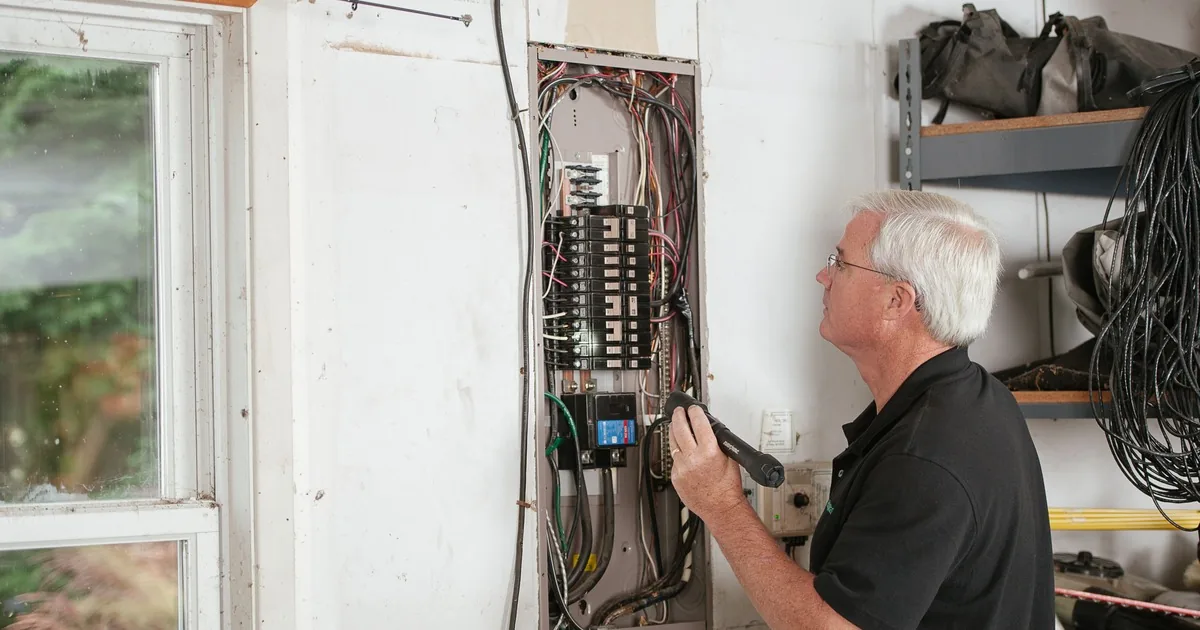
- Is there a closed control box, variable-speed controller, disconnect, generator connection, or alarm display?
- Does the customer have a well log or invoice that names the pump type, model, setting, voltage, or wire arrangement?
- What changed: no water, weak pressure, air at fixtures, rapid cycling, unusual sound, a breaker trip, discoloration, or an intermittent problem?
A visible above-ground motor strongly supports a jet-pump identification, but an old label or a previous owner's memory can be wrong. Write “customer reports jet pump” when the evidence is uncertain. That phrase preserves the source of the information.
Keep four well measurements separate
A caller may say, “The well is 200 feet,” while the invoice says the pump is set at a different depth. Another customer may remember a water-level measurement and report it as the well depth. Those values answer different questions.
Water Well Journal's pump-selection guidance names the larger set of inputs: required flow, reliable well production, static water level, drawdown, lift, friction loss, delivery pressure, power, and controls. The office does not need to calculate the system during intake. It does need to preserve the records a technician will use.
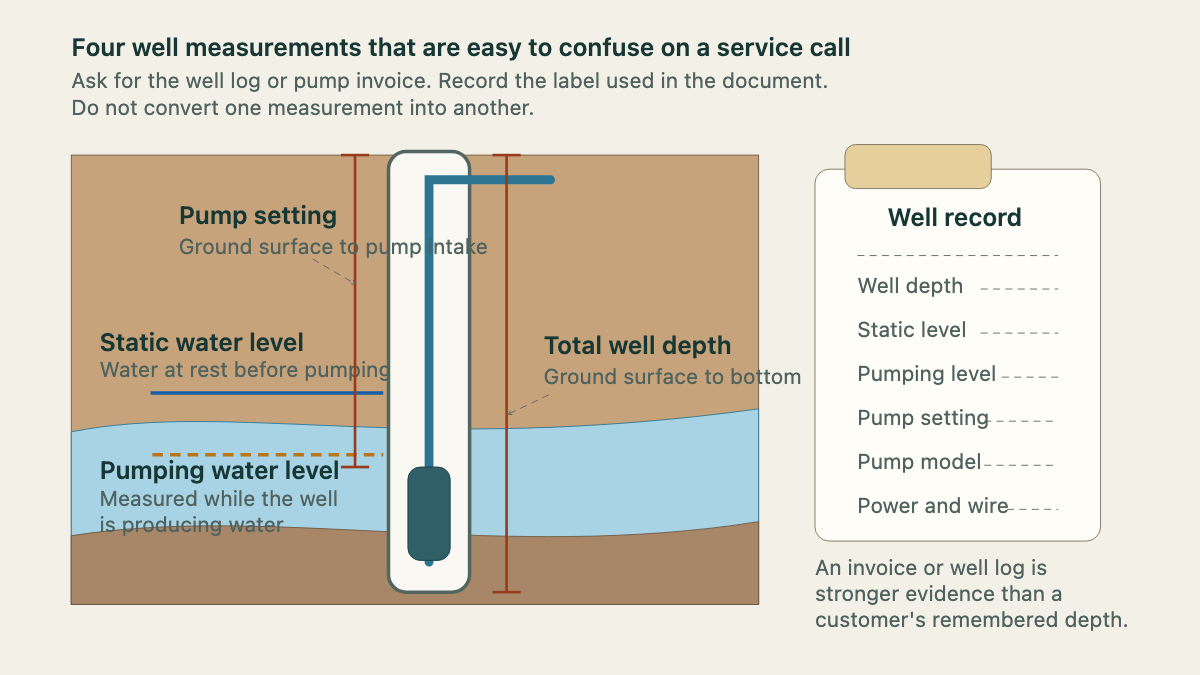
Total well depth runs from the ground surface to the bottom of the completed well. Pump setting identifies where the pump intake sits. Static water level describes the water level at rest. Pumping water level is measured while the well is producing water. A remembered number without its label is weak evidence, so the work order should say exactly what the document calls it.
If the caller sends a photo of a well log, keep the document attached to the ticket. Do not rewrite “static water level” as “pump depth” or assume a recorded construction depth still describes the present equipment.
Build a jet-pump service note around the visible equipment
For a likely jet system, record the pump's physical location first. A basement pump with dry floor access is a different visit from equipment in a cramped crawlspace or an unheated outbuilding behind a locked gate. Note stairs, low clearance, standing water, pets, livestock, and seasonal road conditions.
Capture the manufacturer, model, voltage label, and visible piping arrangement when those details can be observed safely. Ask whether the pump has recently lost service after a power outage, plumbing repair, seasonal shutdown, freezing weather, or work on the suction line. Record whether it runs, hums, cycles, leaks, becomes unusually hot, or produces water with air. These are caller observations, not component findings.
Priming belongs to the field procedure unless the contractor has a specific customer-safe policy. A call taker should never coach a customer through opening a priming port, working near energized equipment, or running a pump without confirmed water. A deep-well jet arrangement may also include equipment below the water line that the caller cannot identify.
Franklin's convertible jet-pump documentation shows why model information matters. One product family can be configured for different applications. “Jet pump” narrows the service path, but it does not settle the hydraulic layout.
Build a submersible service note around records and access
For a likely submersible system, the office needs the wellhead location, pressure-tank location, control location, and any available pump record. Ask whether the system uses a standard pressure switch or a variable-speed controller if the customer knows. Record visible alerts exactly. Do not interpret a code from memory when a photo or manual is available.
Franklin's residential submersible documentation lists models across different flow ratings, horsepower, voltages, stages, and two-wire or three-wire arrangements. That variety explains why a generic request for “the same horsepower pump” is incomplete.
Access can determine crew preparation. Note whether the wellhead is beside a driveway, behind a fence, under a deck, inside a structure, near overhead lines, or surrounded by soft ground. Ask about landscaping, parked vehicles, snow, mud, livestock, and locked enclosures. Record the casing diameter and pump setting only from a reliable document or prior service record.
If the complaint includes a breaker that trips again after one reset, wet controls, a burning odor, smoke, sparking, damaged wiring, or severe equipment movement, follow the contractor's urgent electrical policy. Do not ask the caller to keep resetting power. A complete loss of water also deserves a clear note about occupants, livestock, medical needs, and any separate storage system, with urgency set by company policy.
Write the handoff so the technician knows what is confirmed
A clean jet-pump note might read: “Customer reports an above-ground pump beside the pressure tank in the basement. Exterior label reads Franklin model recorded in attached photo. One suction line is visible entering the pump area. Water pressure became intermittent after plumbing work yesterday. No smoke, burning odor, wet controls, exposed wiring, or repeat breaker trip reported. Basement access is through an exterior stairwell.”
A clean submersible note might read: “Customer reports no visible pump above ground. Pressure tank and closed control box are in the utility room; wellhead is beside the north driveway. Prior invoice identifies a submersible pump and is attached. Customer reports weak pressure at all fixtures, with no air or discoloration. Gate code is in the private dispatch note. Well log is available on site.”
Both notes separate confirmed evidence from customer belief. That habit matters more than sounding certain. The technician arrives knowing which records exist, where the equipment sits, what the water is doing, and what access may slow the visit.
For related symptom-led workflows, use the well pump noise and vibration intake guide or the well pump replacement quote guide. An AI receptionist can capture the same evidence after hours if its workflow preserves uncertainty and stops at the same safety boundaries. The final ticket should make one thing obvious: which details came from a document, which came from a safe visual observation, and which still need field confirmation.