A homeowner calls and says, “The back door suddenly will not latch, and now the bedroom window sticks too. Is the foundation moving?” The office cannot settle that question by phone. It can build a record that gives the field evaluator a useful place to start.
For every sticking door or window, capture the exact opening, where it rubs or binds, what function changed, when the change began, and whether other parts of the building changed at the same time. Add moisture, weather, hardware, and prior-work context. Then book or route the inspection under the company’s own policy.
One sticky opening can have several explanations. A pattern across multiple rooms deserves a wider look, but it still does not prove a foundation problem.
Start with the opening that changed
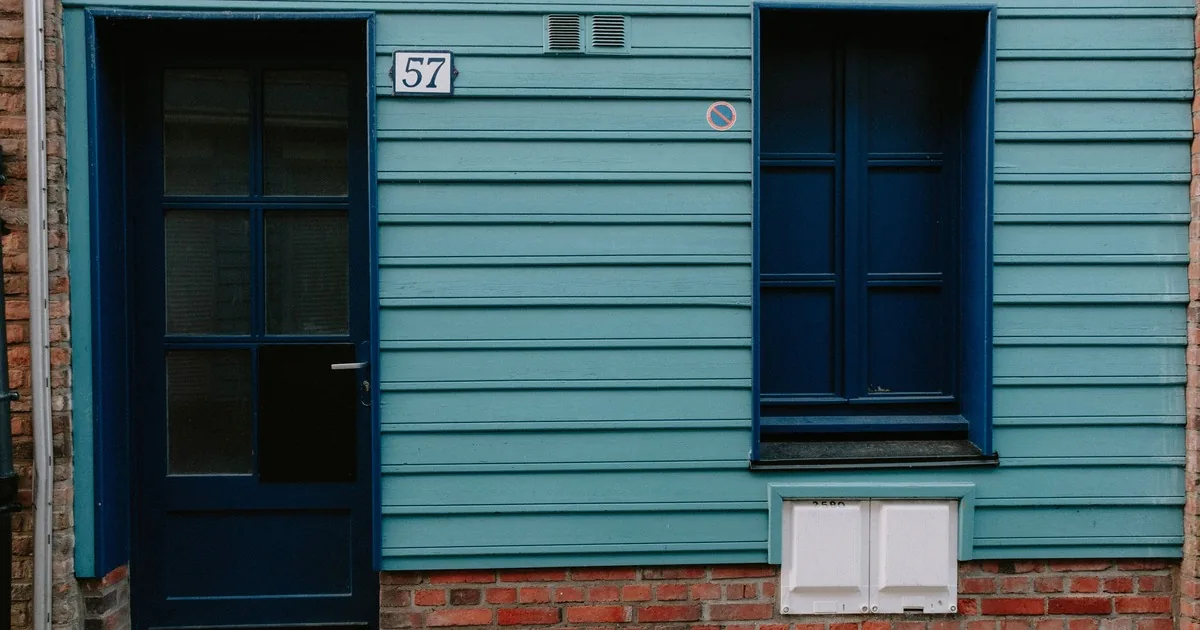
“Back door sticks” is a complaint. “Rear kitchen door rubs at the upper latch corner and needs a hard push to close” is an inspection note.
Ask the caller to name the room, story, and side of the property. For a door, record whether it rubs along the top, hinge edge, latch edge, or threshold. Ask whether the latch misses the strike plate, the deadbolt will not enter, the slab drags on the floor, or the door swings open after being placed partly closed.
For a window, identify the room and window type if the caller knows it. Record whether the sash will not move, moves only partway, drops after opening, will not lock, or leaves a visible gap when closed. A painted-shut window is a different observation from a sash that became hard to operate last week.
NC State Extension’s home inspection guide tells inspectors to check whether windows open easily and close tightly. For doors, it separates fit, moisture swelling, weatherstripping, locks, hinges, warping, trim, and ordinary operation. Those checks make a useful intake boundary: the call taker records what the customer sees and feels without choosing a cause.
Do not ask the caller to force the opening. Record whether an exterior door will secure, whether a required exit can be used normally, and whether the opening has broken glass or another immediate hazard. Follow the company’s escalation procedure.
Keep the competing explanations open
A caller may have found a foundation company after searching “sticking door foundation problem.” That search phrase does not establish the diagnosis.
Wood can change with moisture. Hinges can loosen. A strike plate can move, weatherstripping can bunch, paint can bridge a joint, and a window balance can fail. Installation or frame damage may affect one opening. Building movement is another possibility, particularly when several openings and nearby finishes changed together.
North Dakota State University Extension describes dry-soil conditions that may affect buildings. In the conditions it covers, fine-particle soil can shrink as it dries, support can change under part of a foundation, and doors or windows may begin sticking as the structure shifts. That is one documented mechanism. It does not turn every rubbing door after a dry week into proof of settlement.
Ask what the caller noticed before the opening changed. Was there a plumbing leak, heavy rain, a long dry period, new irrigation, drainage work, excavation, flooring work, or door and window replacement? Did indoor humidity change? Was the opening recently painted? Was a hinge tightened or a lock replaced?
Record events as events. “The latch began missing two days after the patio was excavated” preserves timing. “Patio excavation moved the foundation” goes beyond what the call established.
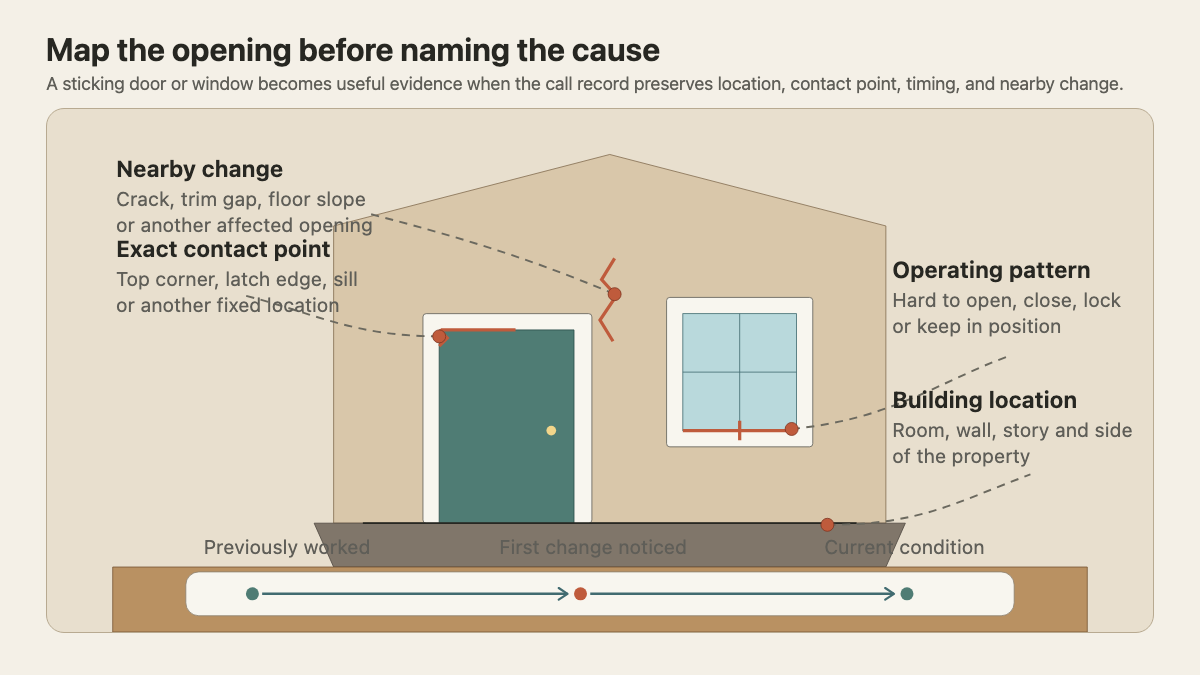
Map the pattern across the building
The strongest intake question is often: “Is this the only opening that changed?”
If the answer is no, list each opening separately. Do not write “all doors stick” when the caller means the hall closet rubs at the floor, the front deadbolt misses, and one bedroom window no longer locks. Those are three locations and three different operating changes.
Move through the property in a fixed order. Start at the affected opening, then ask about the same wall, adjoining rooms, the room above or below, and the corresponding exterior side. For each item, capture the location, contact point, first date, and present condition.
The Texas Real Estate Commission’s foundation guidance lists binding, out-of-square, and non-latching doors among visible indications an inspector may consider. It also lists sloping floors, wall or ceiling separations, and masonry cracking. The important office lesson is the pattern. The licensed inspector forms the opinion from the property’s visible conditions; reception supplies a faithful record.
Ask about cracks near the affected frame, gaps between trim and wall, separated baseboards, sloping or raised floors, and masonry changes outside. If one crack becomes the main concern, use the detailed foundation crack inspection intake. If the caller leads with a dip, ridge, or slope underfoot, move to the uneven-floor foundation call guide.
Photos can support the ticket. Request a wide image that shows the whole opening and nearby wall, then a closer image of the contact point or latch alignment. A short video may show operation if the caller can make it without forcing the door or window. Preserve the capture date.
Build a timeline the inspector can test
Ask when the opening last worked normally. “It has always been tight” is different from “It closed normally on Sunday and stopped latching Tuesday.” If the caller has older listing photos, an inspection report, repair paperwork, or a dated video, note what exists.
Seasonal history matters. Find out whether the opening behaves differently during humid months, heating season, prolonged dry weather, or after heavy rain. If the caller reports a dry-soil gap, new cracks, and opening changes after a drought, the separate guide to foundation movement after drought gives the office a more detailed site and moisture timeline.
Prior adjustment can hide part of the history. Ask whether anyone planed the door, moved the strike plate, replaced hinges, shimmed the frame, recaulked trim, adjusted the window, patched a crack, or completed foundation work. Do not criticize the work over the phone. Record who did it, when, and whether invoices, plans, warranties, or before-and-after photos are available.
Change rate affects routing. A stable door that has rubbed for years may fit a standard appointment. Several openings that changed during the past week, a visible wall shift, broken glass under stress, falling material, damaged utilities, or a door that blocks a required exit deserves prompt review under the company’s written procedure. Reception should not invent a structural emergency threshold.
Ask questions that produce a clean handoff
A fixed intake sequence keeps the call from turning into a debate over whether the house is “sinking.” Use questions such as:
- Which door or window changed, and where is it in the building?
- Where does it contact the frame, floor, sill, or hardware?
- Can it open, close, latch, lock, and stay in position?
- When did it last work normally, and how has the condition changed?
- Did another door, window, floor, wall, ceiling, trim line, or exterior surface change too?
- What rain, drought, leak, irrigation, excavation, renovation, or recent adjustment happened near that time?
- Are dated photos, videos, prior reports, repair records, elevation records, or warranty documents available?
- Does the condition affect security, safe exit, broken glass, utilities, falling material, or access to part of the property?
- Who can provide access, and what areas can the evaluator inspect safely?
Close by reading the record back. The caller can correct a room, date, or contact point before the ticket reaches the inspector.
Prepare the inspection, not the verdict
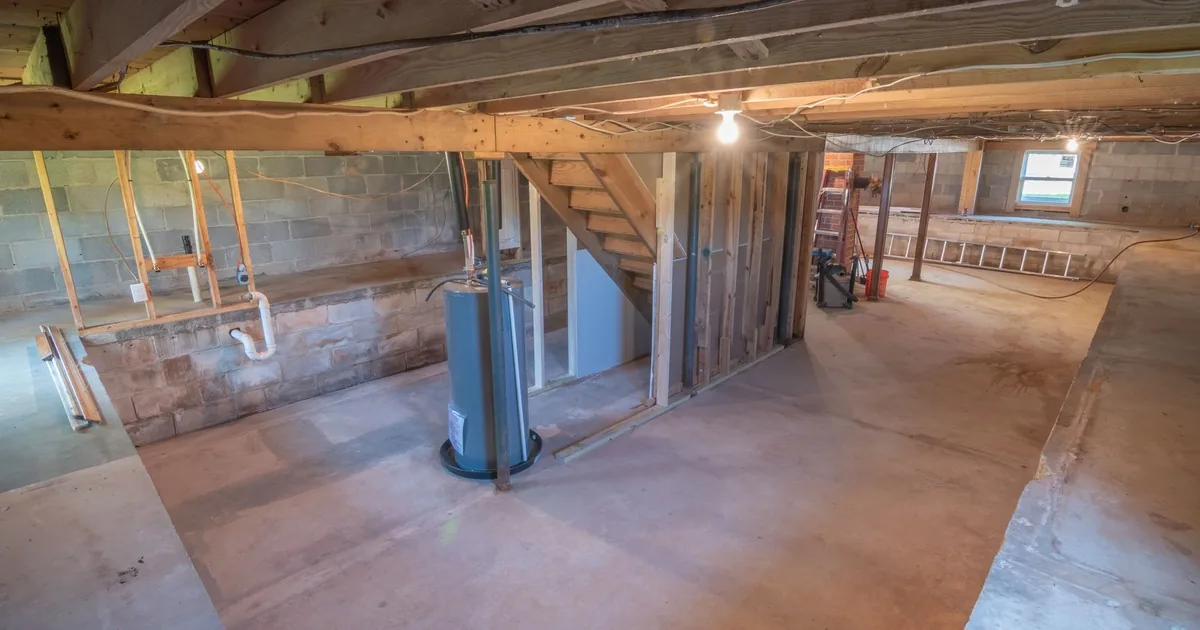
Confirm access to both sides of the opening when ordinary access is available. The evaluator may also need the adjoining room, basement or crawl-space opening, exterior wall, nearby drainage, and another opening used for comparison. Record locked gates, tenants, pets, stored items, alarms, and walls hidden by cabinets or finishes.
Do not tell the caller to remove trim, enter a crawl space, climb beside damaged masonry, force a stuck opening, or alter drainage before the visit. If the opening is unsafe to operate, say so in the ticket and use the company’s safety procedure.
An AI receptionist can collect the same fields after hours and preserve the caller’s words. The foundation company still sets the routing rules, and the evaluator still owns the opinion.
A strong handoff sounds like this: “Rear kitchen door began rubbing at the upper latch corner nine days ago and no longer deadbolts. Upstairs east bedroom window became hard to close during the same week. Caller reports a new trim gap near the kitchen door, no broken glass or damaged utilities, and irrigation work along the east wall last month. Wide photos and a prior inspection report are available.” That gives the field team evidence to check, one opening at a time.