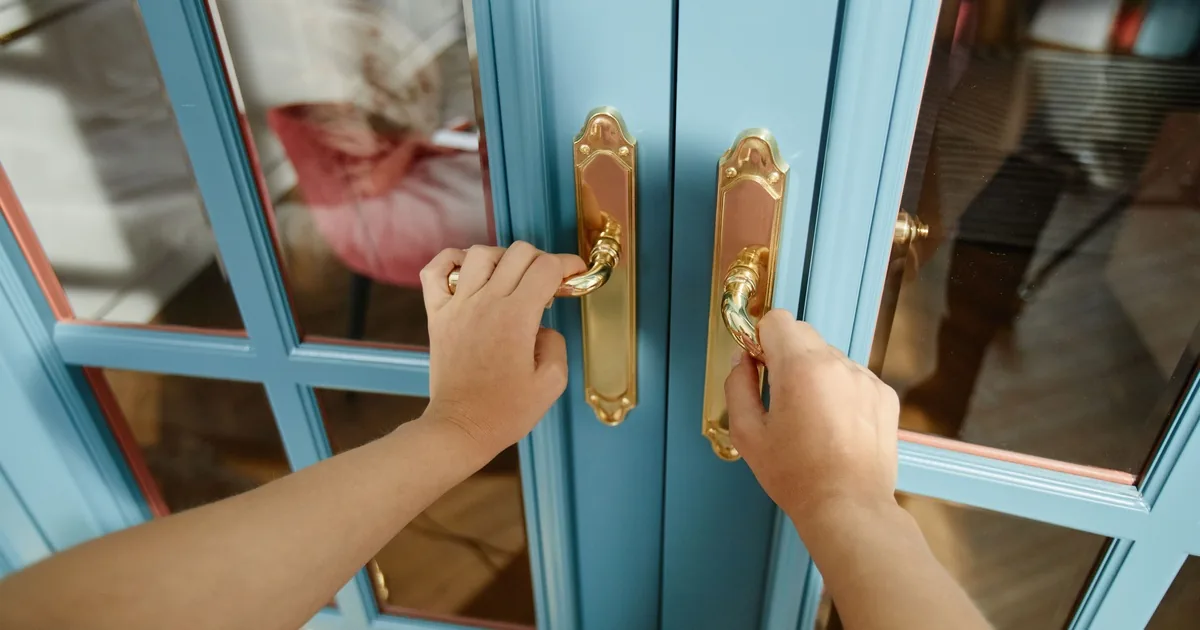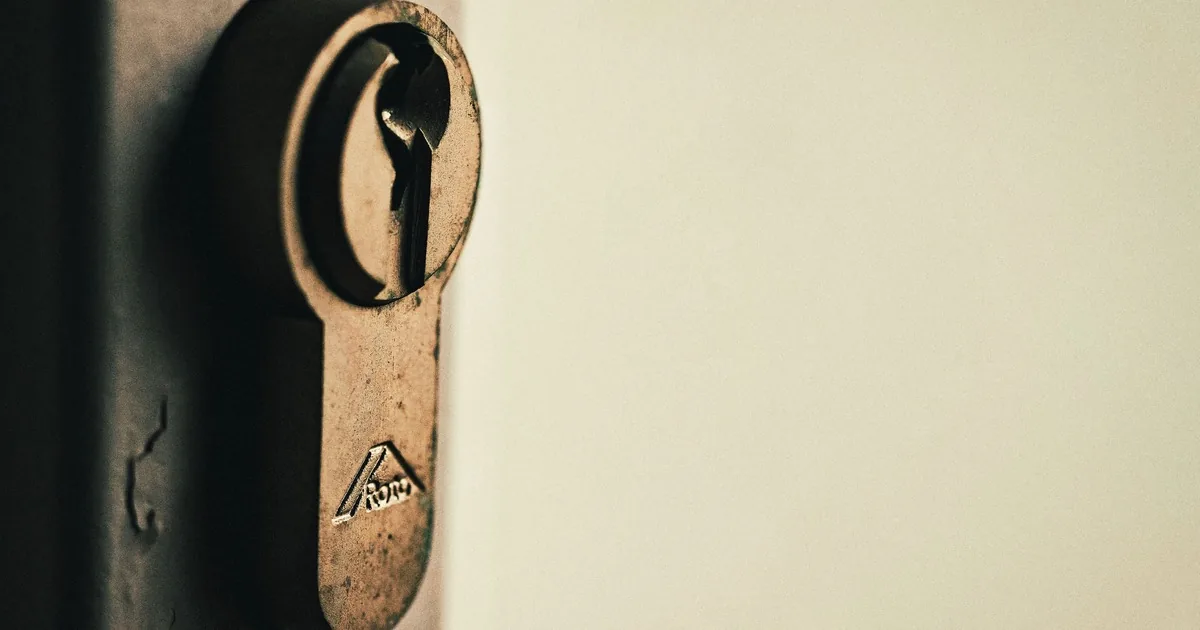
A property manager calls about a front door in a 1920s apartment building. The key turns, the inside lever droops, and the latch works while the door is open but catches when a tenant closes it. The caller calls the problem an “old mortise lock.” That label is useful, but it does not tell the locksmith whether the visit concerns trim, a cylinder, the enclosed lock case, the strike, door movement, or several of them together.
A strong mortise lock repair intake starts with the current security state. Then it records the opening, every visible control, what moves with the door open and closed, any readable markings, the building context, and who may authorize work. The appointment should promise inspection unless the shop has enough verified information to offer a narrower scope.
Begin with security and access
Ask whether anyone is locked out or locked in. Can the door close? Can it latch? Can it be secured by this lock or another approved lock? Is the opening a unit entry, house door, shared entrance, office door, storefront, interior room, or required exit?
A door that will not secure may need urgent routing under the shop’s policy. A person trapped behind hardware needs emergency help, not a future repair slot. If there is visible break-in damage, a fire, smoke, an active threat, or another immediate danger, direct the caller to the appropriate emergency service and follow company escalation rules.
Keep access separate from repair. A technician may restore entry and leave a larger hardware problem for a scheduled evaluation. Reception should record any safe alternate entrance, the person waiting at the property, building access hours, and whether the customer controls both sides of the door.
The phrase “key turns but nothing happens” also has its own locksmith intake path. Use that narrower workflow when access is the main problem, then attach the mortise-opening details from this guide.
Confirm that the opening uses a mortise lock
A mortise lock case sits in a pocket cut into the door edge. The caller may see an edge faceplate, one or more moving bolts, trim on both door faces, a cylinder or keyhole, and a knob or lever connected through the door. But callers use “mortise lock” for old keyholes, narrow storefront locks, decorative handlesets, and any lock they cannot name.
Do not make them prove the mechanism. Request a small photo set through the company’s approved channel:
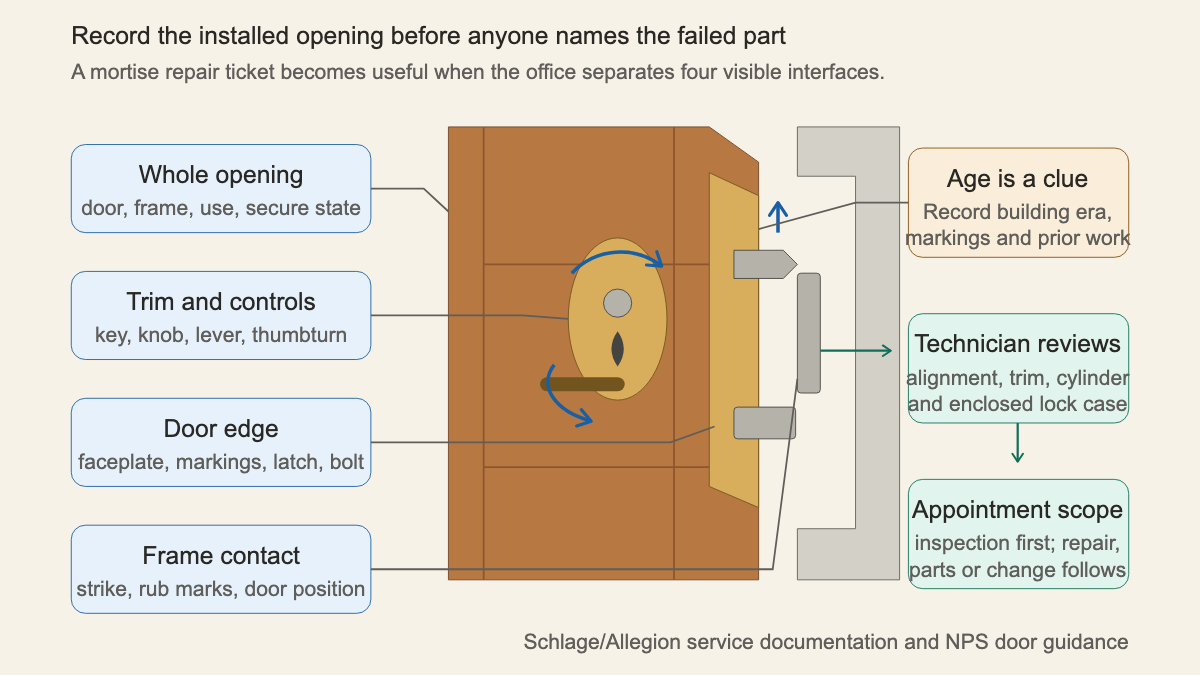
- one wide image of the complete door and frame;
- the outside and inside trim, including every knob, lever, cylinder, thumbturn, button, or indicator;
- the door edge while it is already open, with the full faceplate and any readable maker, number, or function marking;
- the strike area in the frame, plus rub marks, loose screws, filler plates, or fresh damage;
- nearby hardware such as a closer, separate deadbolt, electric contact, card reader, automatic operator, or alarm sensor.
Nobody should remove trim, open the case, force a key, or defeat another security device for intake. A useful photograph preserves the installed relationship among door, lock, and frame.
Schlage’s door-hardware glossary treats the spindle, latch bolt, deadbolt, strike, and trim as separate parts. Its L Series service manual goes further, separating lock functions, chassis assemblies, trim, cylinders, door ranges, and replacement components. That documentation covers named Schlage products, not every mortise lock. It still shows why “old mortise lock” is too broad for a parts or completion promise.
Record motion one control at a time
“The lock is stuck” compresses several observations into one phrase. Slow the call down. Ask what the customer operates, what moves, where movement stops, and whether the result changes when the door is open.
Start with the key or cylinder. Does the key enter fully? Does it turn in one direction, both directions, or neither? Does the cylinder itself appear loose? Stop there. Reception should not coach the caller through force, picks, improvised tools, lubricant, case removal, or repeated testing that could damage a key or mechanism.
Move to the knob or lever. Does it move? Does it return to its normal position? Is either side loose, drooping, detached, or spinning? Then ask about the latch and deadbolt. Does the latch retract when the control moves? Does it return when released? If there is a separate deadbolt, does the customer report movement with the door already open?
The open-versus-closed comparison matters because the installed opening is a system. A latch that moves freely with the door open but binds when closed gives the technician a different inspection starting point from a lever that spins while the latch never moves. It still does not prove the cause. The technician needs to inspect alignment, trim, spindle, cylinder, case, fasteners, strike, door, and frame as applicable.
Ask what changed before the symptom appeared. Useful events include a door slam, moving work, painting, weather change, hinge or closer adjustment, cylinder replacement, rekey, tenant turnover, attempted break-in, or another contractor’s visit. Record who performed prior work and what was changed, without assigning blame.
Use building age as context, not a diagnosis
The year a building was constructed can help the locksmith understand the setting. It cannot confirm when the door or lock was installed. A 1910 building may have original trim, a later mortise case, a newer cylinder, a replaced door, and several generations of repairs in one opening.
Ask for the approximate building era if known, plus any maker names, patent markings, model numbers, finish matches, or similar doors elsewhere in the property. Note prior holes, adapter plates, patched wood, painted faceplates, mismatched screws, and modern hardware installed above or beside the mortise lock. These clues help the technician prepare for identification. They are not a remote model lookup.
If the customer says the door or hardware is historic, ask what that means. Is the property formally designated? Does an owner, preservation board, architect, conservator, or facilities department review changes? What does the customer hope to retain: the visible trim, existing key, finish, operation, or matching appearance across several doors?
The National Park Service’s rehabilitation guidance for doors recommends retaining and repairing historic doors and hardware where feasible, with compatible replacement when deterioration is too extensive. That is preservation guidance. Local approvals and project requirements still need qualified review.
A call centered on rare parts, skeleton keys, loose antique hardware, or restoration belongs in the separate antique lock repair consultation guide. This article stays with an installed mortise opening and the service record needed for a field inspection.
Flag the opening's job
The same visible lock can carry very different responsibilities. Ask who uses the door and what it controls. A private interior door, apartment entry, shared lobby, school room, medical office, commercial suite, and controlled equipment room should not be scheduled as interchangeable openings.
Record whether the caller reports a fire label, panic or exit hardware, a door closer, access control, an automatic operator, alarm contacts, key-control rules, or an accessibility concern. Ask who owns the building, who occupies the space, and who can authorize inspection, removal, temporary security, parts, or alteration. For rented or managed property, capture the on-site contact and billing authority separately.
Federal ADA design standards include requirements for operable parts and door hardware on covered accessible routes. Reception does not decide whether a specific opening complies. The ticket should flag the setting and concern so a qualified person can assess the complete door assembly and the applicable requirements.
Alignment can involve more than the lock. If a closer controls the door or the symptom changes as the door meets the frame, connect the ticket to the door closer and lock alignment workflow. Avoid promising that a strike adjustment, lock repair, closer service, or replacement will solve the problem before inspection.
Book an inspection the technician can use
Read the ticket back before offering the appointment. A useful dispatch note sounds like this:
“Shared front entrance in an apartment building believed to date to the 1920s. Door is wood and currently secures with the mortise deadbolt. The spring latch retracts from the inside lever with the door open but rubs at the strike when closed. The inside lever droops and returns slowly. The outside key turns. Photos show both trims, the full edge faceplate, one readable maker marking, the strike, a surface closer, and older filler holes. The property manager controls access and may approve inspection. Repair method, parts, price, code review, and completion timing remain subject to on-site evaluation.”
That record gives the technician a starting point without turning observations into a diagnosis. It also gives the customer an honest appointment boundary. An AI receptionist can collect the same approved fields after hours, but it should route uncertain security, egress, historic, accessibility, and access-control issues to the shop’s designated reviewer.
When the truck arrives, the opening should still be intact, the authority to inspect should be clear, and the customer should understand what the first visit can decide. That is a far better start than a ticket that says only “old lock broken.”
Sources
- Schlage: L Series Service Manual
- Schlage: Parts of a Door Lock and Door Hardware Terms
- National Park Service: Guidelines for Rehabilitating Historic Doors
- U.S. Department of Justice: 2010 ADA Standards for Accessible Design