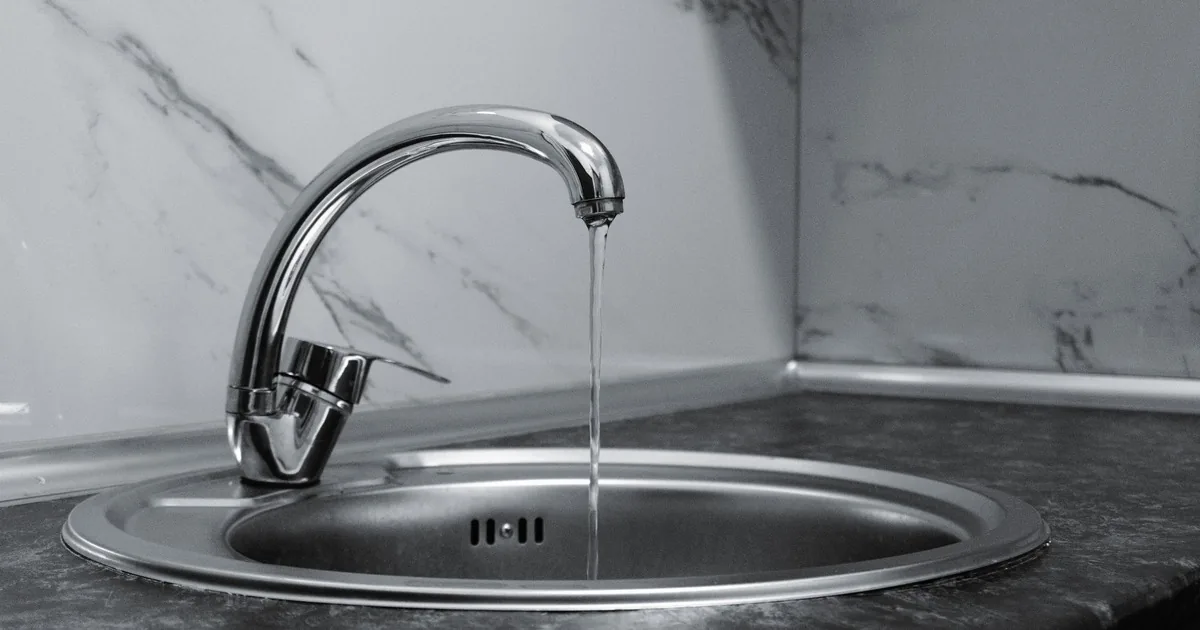
A caller opens with, “The kitchen faucet coughed and sprayed water across the sink.” Ten minutes later, the same tap runs normally. The upstairs shower sputters too, but the outdoor spigot does not. A filter was serviced yesterday, the household ran three loads of laundry this morning, and nobody has looked at the pressure gauge.
That is enough for a useful service call. It is not enough for a diagnosis.
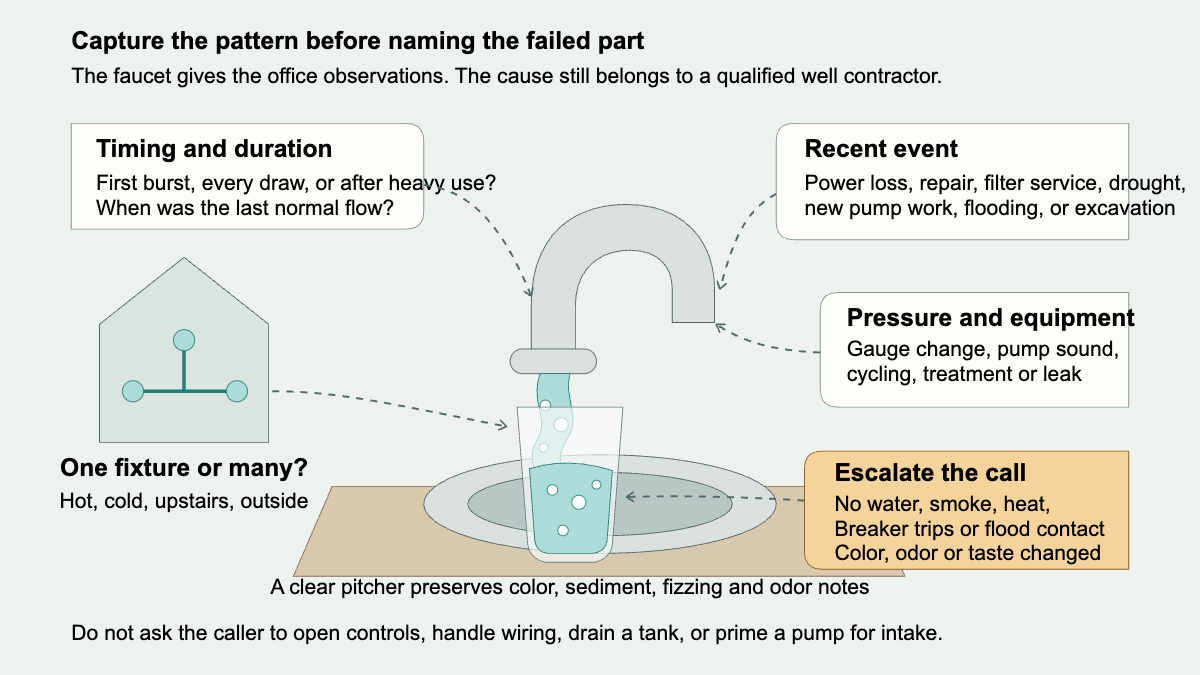
When air spits from faucets on a private-well system, ask which fixtures are affected, whether hot and cold behave differently, when the sputtering occurs, and what changed beforehand. Have the caller observe water in a clear pitcher from a safe fixture. Record pressure and pump behavior, treatment equipment, recent repairs, heavy water use, drought, power loss, flooding, and any change in color, odor, or taste. A qualified well contractor should identify the cause in the field.
Start with the fixture pattern
The first question should locate the symptom: “Which faucet or fixture did this happen at?” Then widen the check. Ask whether the caller has noticed it at a second cold-water fixture, a hot-water tap, an upstairs bathroom, or an outdoor spigot.
One kitchen faucet points to a different inspection path than sputtering at every fixture. Hot-only behavior gives the technician a different starting place than the same symptom on hot and cold. Do not turn those patterns into a phone diagnosis. Preserve them.
Ask what “spitting” means in the caller’s own words. Did the flow pause and release a burst of air? Did water spray unevenly for two seconds at startup? Does it continue as long as the tap stays open? Is the caller seeing cloudy water that clears in a glass, hearing banging in the pipe, or feeling pressure surge? Those descriptions may arrive under the same label, but they are not interchangeable.
The intake note should distinguish an observation from a conclusion. Write, “Cold kitchen tap releases air and an uneven stream for about five seconds after sitting overnight; upstairs cold tap did the same this morning.” Avoid “bad pressure tank” or “well is going dry.”
Capture when it happens and what came before it
Timing gives the technician a usable pattern. Ask when the property last had steady, normal flow. Find out whether the symptom appears only at the first draw of the morning, after every pump cycle, during heavy use, or continuously. If it fades, record how long that takes. If it returns, record what was happening just before it came back.
Recent events matter. Ask about pump or pressure-tank work, filter or softener service, plumbing repairs, a power interruption, generator use, freezing weather, nearby excavation, flooding, unusually heavy demand, and a stretch of dry weather. Record the event and date if the caller knows them.
Heavy demand deserves particular attention on a private well. Penn State Extension explains that well yield and peak household demand are separate facts. A well can supply ordinary use yet struggle during concentrated demand. Several showers, irrigation, laundry, a livestock waterer, and a treatment backwash can create a different pattern than one kitchen tap opened after a quiet night.
That still does not prove a low-water condition. The Water Systems Council’s dry-well guidance lists coughing or sputtering spigots among possible signs of dangerously low water levels. It also says actual water-level measurement is needed to confirm that the well ran dry. Route a suspected drought or low-yield call through the more focused dry-well assessment workflow.
Use a clear pitcher as an observation tool
The Water Systems Council technical FAQ suggests filling a pitcher and noting the water’s color, fizzing, and sputtering before contacting a licensed well contractor. This is useful because the caller can describe what happens away from the noise and shape of an aerated faucet outlet.
Ask the caller to use a clean, clear container at an easy-to-reach fixture. They should stay away from standing water near electrical equipment and stop if the water has a fuel or chemical odor. The office does not need a home experiment. It needs a few observations: which tap supplied the sample, whether the water arrived in bursts, whether bubbles persisted, whether sediment settled, and whether the water looked or smelled different from normal.
Clear water does not certify safety. A photograph does not either. If the caller reports a sudden change in odor, color, or taste, create a separate water-quality flag. The EPA recommends testing private-well water immediately after well-system repair, significant nearby changes such as flooding or land disturbance, or a change in odor, color, or taste. The agency directs well owners to certified laboratories and local health departments for testing guidance.
Use the dedicated cloudy or discolored well-water intake when appearance becomes the main concern. A contractor can assess the well system. A certified laboratory and the applicable health or environmental agency handle water-quality evidence and local advice.
Screen pressure, pump behavior, and treatment equipment
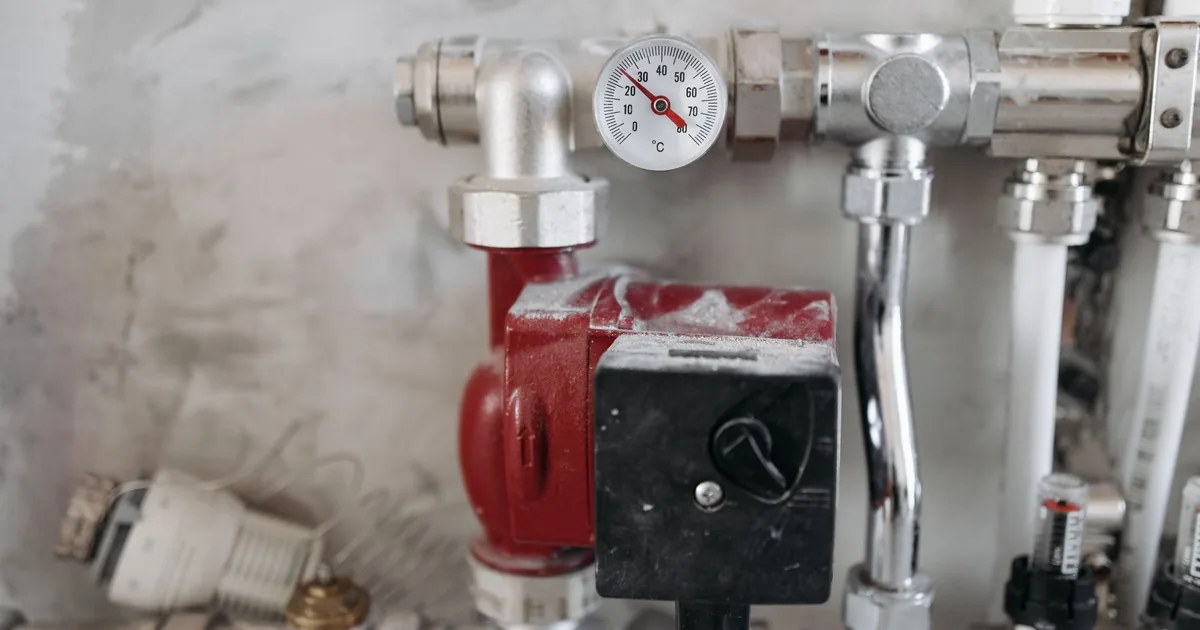
Ask whether water pressure feels normal, weak, absent, or uneven. If a gauge is visible from a safe position, record the caller-reported reading and whether the needle is steady, rising, falling, or bouncing. Do not provide a universal target pressure or ask the caller to adjust a switch.
Next, ask the caller to describe any sound or visible indicator. An aboveground pump may be humming. A submersible-pump control light may be on. The pump may be starting and stopping rapidly. A pipe may be vibrating. There may be a leak near the tank or treatment equipment. Record the evidence exactly. A pump that cycles every few seconds belongs in the short-cycling intake workflow.
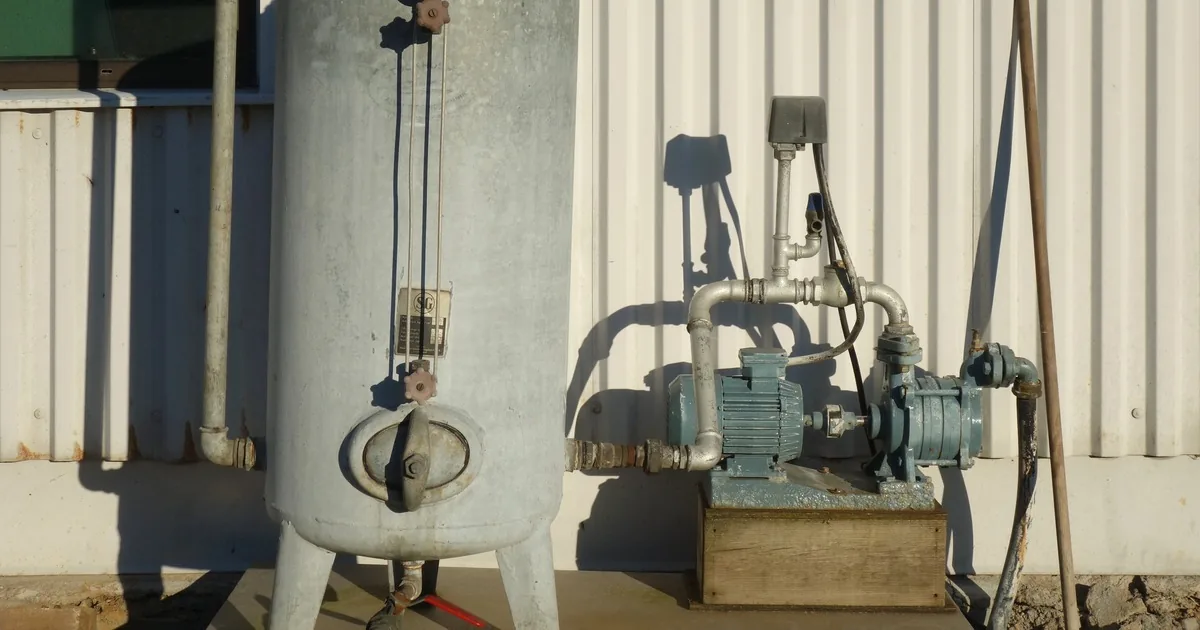
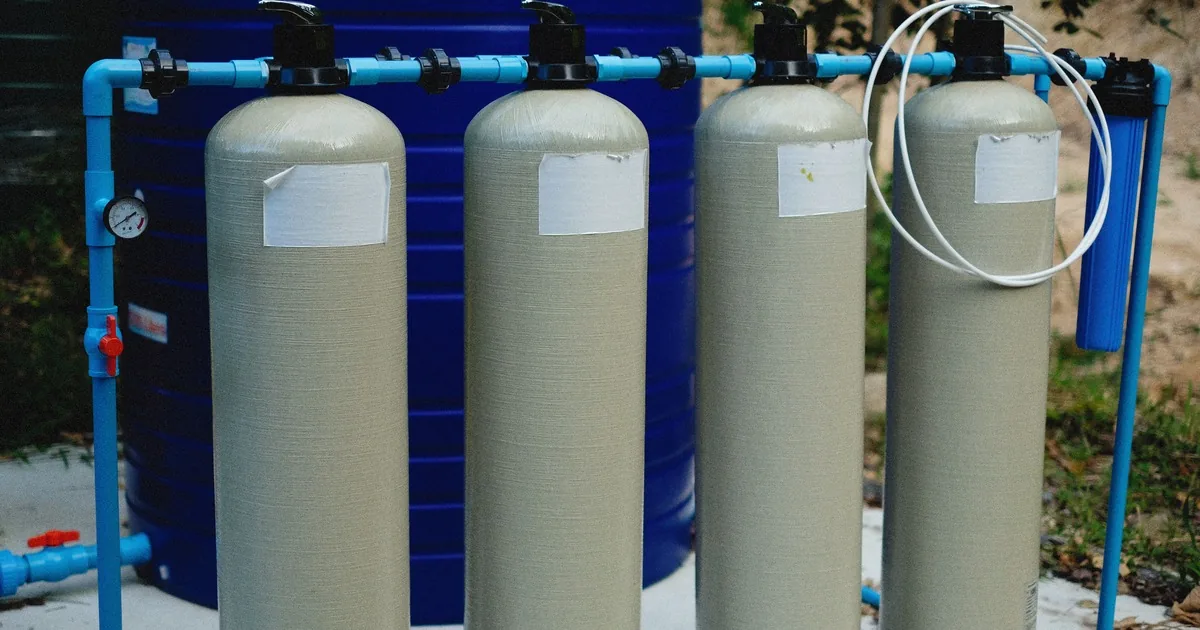
Treatment equipment belongs in the same record. Ask about iron or sulfur treatment, aeration, filters, softeners, storage tanks, booster pumps, and recent service. The Water Systems Council FAQ lists tank conditions, air-induction treatment, and gases in the water among possible paths for air in a well line. That source is a map of possibilities, not permission to choose one from the phone.
No-water and electrical conditions raise the priority. Screen for smoke, sparks, unusual heat, a burning odor, wet electrical equipment, exposed wiring, or repeated breaker trips. Do not ask anyone to open a control box, remove a pressure-switch cover, touch wiring, drain a tank, prime a pump, or keep resetting a breaker for intake.
Flood contact changes the water-safety lane too. Nebraska Extension’s post-disaster well assessment guidance notes that sputtering after pressure loss can indicate system damage. In that context, qualified repair and water testing matter together. Follow the contractor’s emergency policy and local health guidance.
Send dispatch a field-ready record
Before booking, collect the system and access details the crew will need:
- Service address, caller, on-site contact, gate or road conditions, animals, and wellhead location
- Every affected fixture, hot-versus-cold behavior, first occurrence, duration, frequency, and last normal flow
- Clear-pitcher observations, water appearance, sediment, fizzing, odor, and taste changes
- Pressure behavior, visible gauge reading, pump sound or control indication, rapid cycling, leaks, and no-water periods
- Pump type if known, pressure-tank and control locations, treatment equipment, storage, recent repairs, and available records
- Power loss, generator use, heavy demand, drought, freezing, flooding, excavation, or nearby construction
- Smoke, heat, burning odor, wet electrical parts, exposed wiring, or breaker behavior
A useful handoff might read:
“Caller reports air bursts at the kitchen cold tap and upstairs bathroom cold tap for four to six seconds after the fixtures sit unused. Hot water has not been checked. Symptom began this morning after an iron-filter service yesterday. A clear pitcher from the kitchen tap showed initial fizzing, then clear water with no visible sediment; caller reports no unusual odor, color, or taste. Pressure feels weaker during the burst and normal afterward. Gauge is visible but unread. No known irrigation or treatment cycle is active now. No water loss, leak, smoke, heat, burning odor, wet electrical equipment, exposed wiring, or breaker trip. Pressure tank and treatment equipment are in the basement. Gate is unlocked, and the filter-service invoice is available.”
That record gives the technician a fixture pattern, timeline, recent intervention, water observation, pressure report, hazard screen, and equipment location. It leaves tank, treatment, pump, water level, pipe, valve, and gas questions open for testing.
An AI receptionist can collect the same approved fields after hours and apply the contractor’s escalation rules. The call should end with a read-back: affected fixtures, timing, pitcher observation, pressure and pump behavior, recent events, water-quality changes, hazards, access, and the promised next step. The technician should arrive with evidence, not a diagnosis the office invented.